

Sets de regalo de seda personalizados: Una guía B2B sobre combinaciones, embalaje y pedidos


Los sets de regalo son el formato de mayor apalancamiento en la venta minorista de seda. Una funda de almohada vendida sola es ropa de cama; la misma funda en una caja con un antifaz y un coletero se convierte en un regalo con un precio tope dos o tres veces mayor. Para las marcas, los compradores corporativos y las empresas de regalos, ese reempaquetado de valor es toda la oportunidad.
Un set de regalo de seda personalizado exitoso proviene de cuatro decisiones: una combinación de productos construida en torno a un tema claro, un empaque que coincida con el punto de precio del set, un branding aplicado de manera consistente en cada artículo y un cronograma planificado hacia atrás desde la fecha de entrega. Como fabricante de Suzhou que produce internamente cada componente de seda, ejecutamos programas de sets de regalo para vendedores de comercio electrónico, compradores corporativos, planificadores de bodas y proveedores de hospitalidad en más de 50 países. Esta guía cubre cómo planificar uno que se venda.
1. Por qué los sets de regalo superan a los productos de seda individuales
Tres mecánicas impulsan la economía:
- Mayor valor percibido por gramo. Un set coordinado se fotografía como un solo producto, se envía como una unidad y se valora como un regalo. El embalaje y la presentación hacen un trabajo de margen que ningún artículo por sí solo puede hacer.
- Más canales por SKU. El mismo set puede servir para los estantes de las fiestas minoristas, los programas corporativos de fin de año, las bodas, las comodidades VIP de los hoteles y las cajas de suscripción: cinco tipos de compradores, una línea de producción.
- Menores tasas de devolución. Los regalos se juzgan por la presentación y la exhaustividad, las cuales usted controla en la fábrica. Los problemas de ajuste y tallas, el principal factor de devoluciones en la ropa, apenas se aplican.
Para los programas corporativos en particular, los sets de seda resuelven un problema de adquisición constante: son premium sin ser personales. Un set de dormir o un set de bufandas con la marca de la empresa se percibe como algo pensado y lujoso, pero sigue siendo apropiado para clientes, empleados y asistentes a eventos donde las tallas de ropa o los artículos de gusto específico fracasarían.
2. Combinaciones de sets probadas por tema y presupuesto
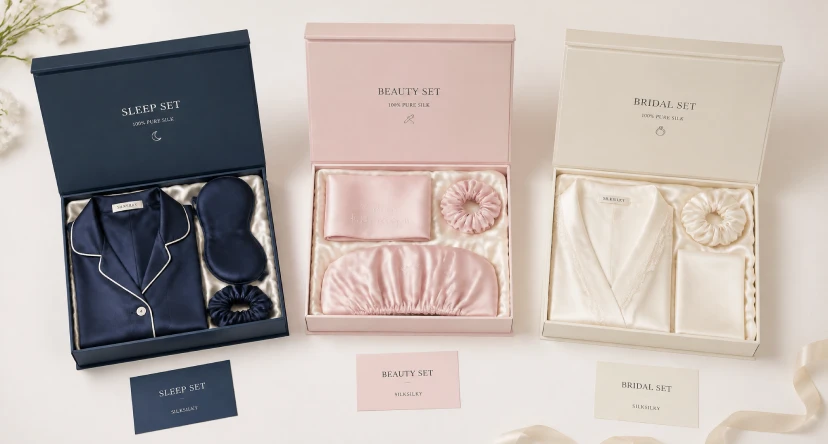
Los sets efectivos siguen un solo tema: cada artículo en el interior debe tener sentido junto a los demás. Las combinaciones a continuación son las que nuestros clientes piden con mayor frecuencia, con rangos de presupuesto de mercado típicos como referencia:
| Tema del set | Contenido típico | Mejor canal de venta | Presupuesto de referencia (por set) |
|---|---|---|---|
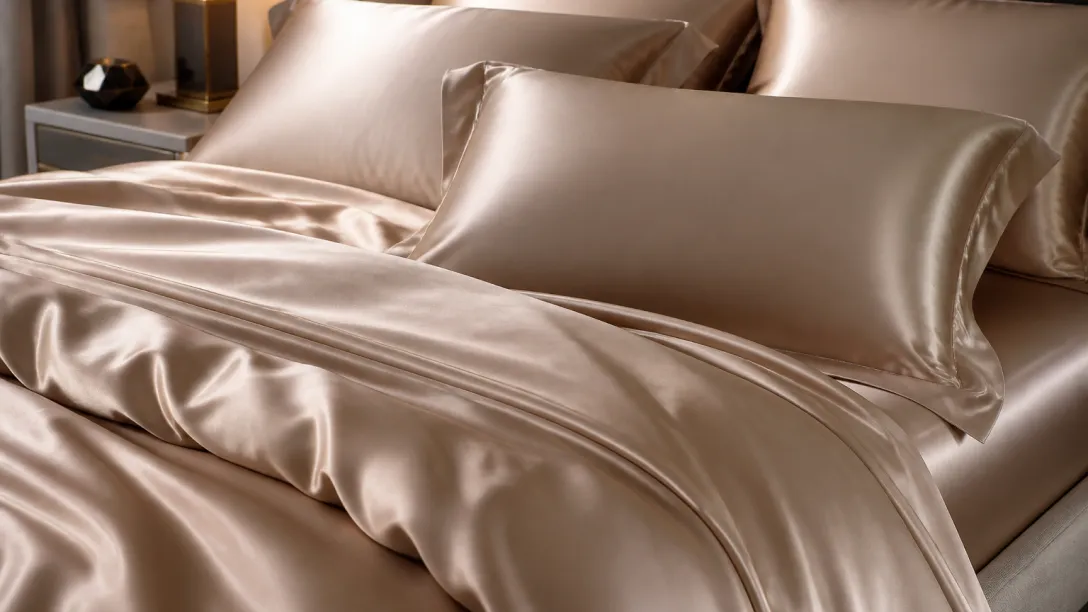
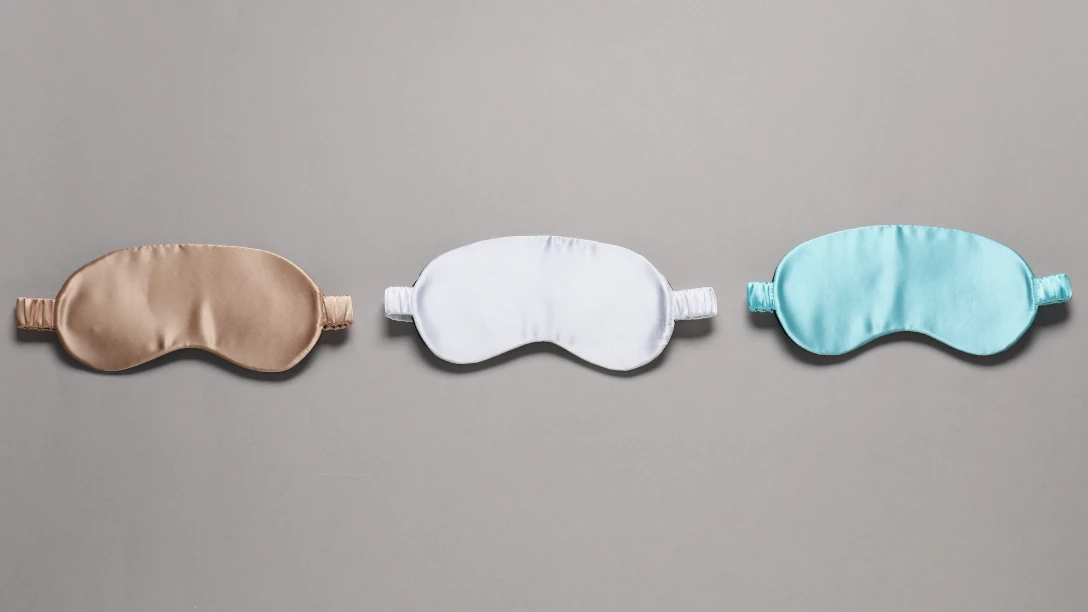
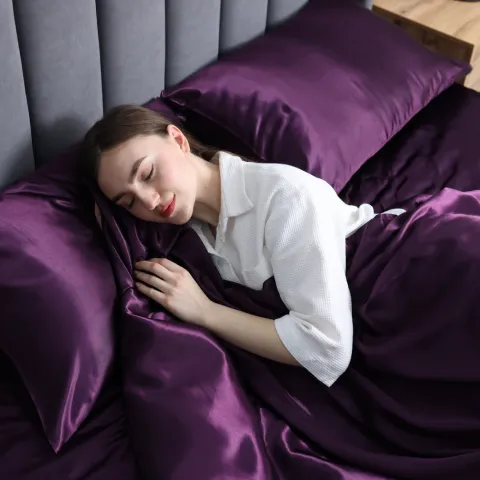
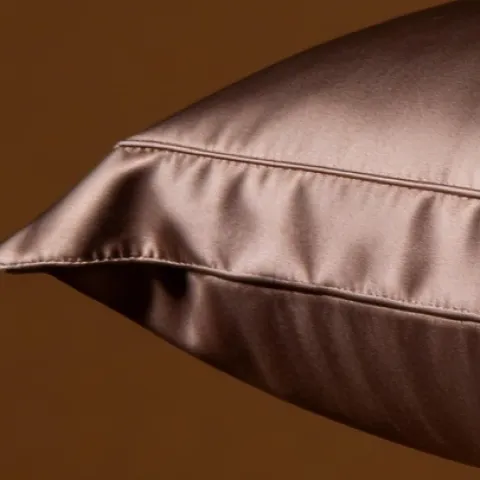
| Set de dormir (Sleep Set) | Funda de almohada de 22 momme + antifaz | Regalos para empleados, comodidades de hotel, campañas de bienestar | 15–25 USD |
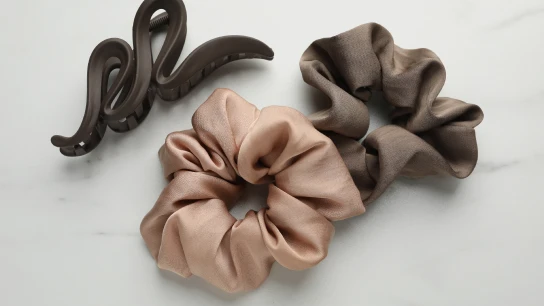
| Set de belleza | Funda de almohada + antifaz + coletero | Regalos para clientes VIP, colaboraciones de marcas de belleza, regalos festivos | 20–35 USD |
| Set de viaje (Travel Set) | Almohada de cuello + antifaz + bolsita de seda | Comodidades de aerolíneas, regalos para conferencias y ponentes | 20–30 USD |
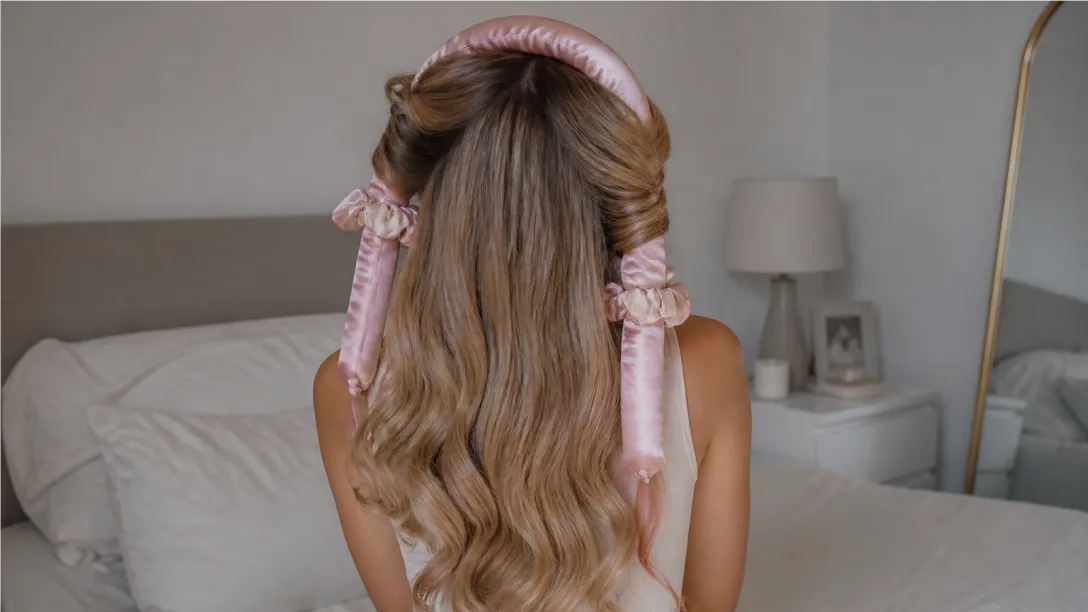
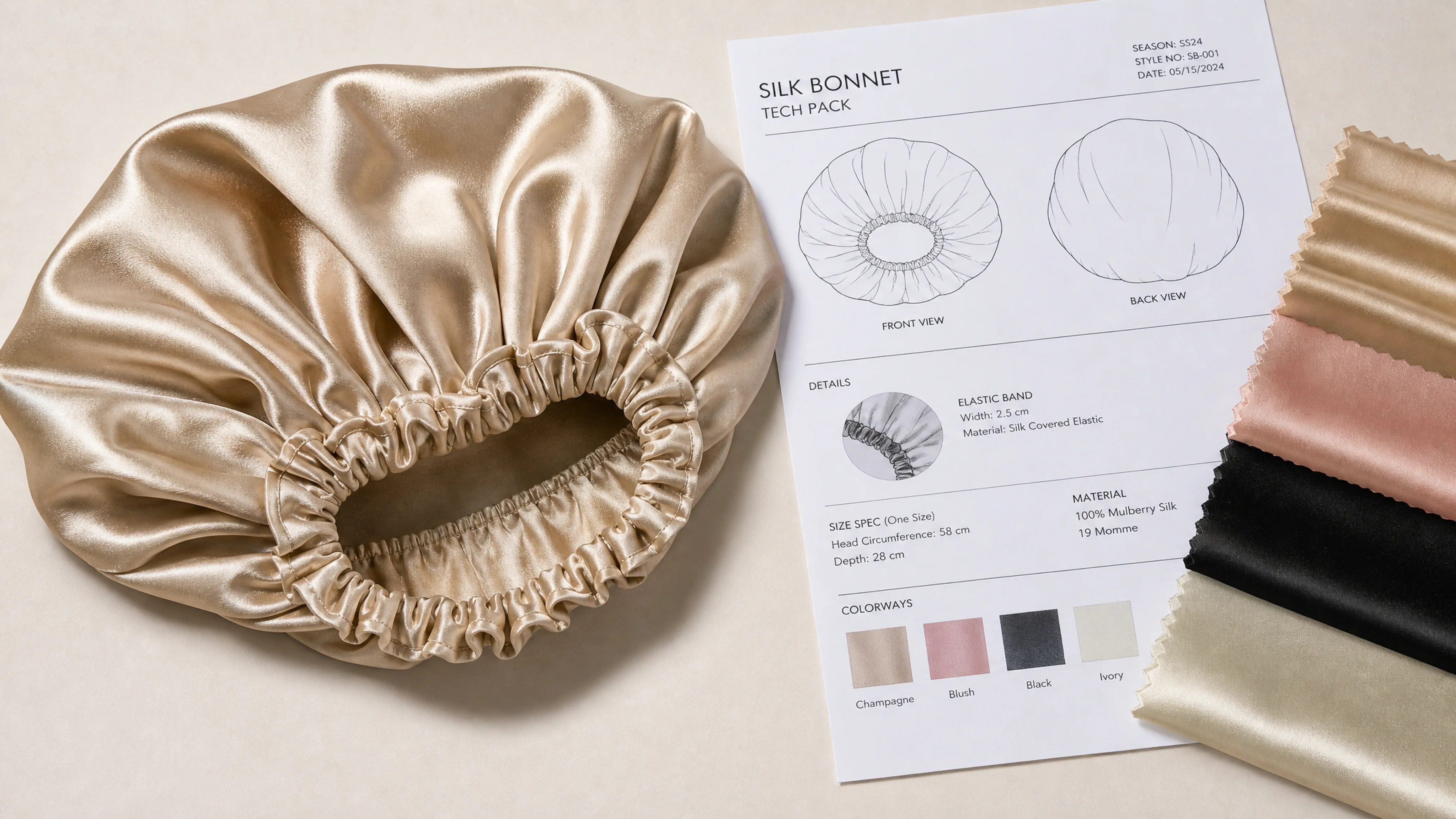
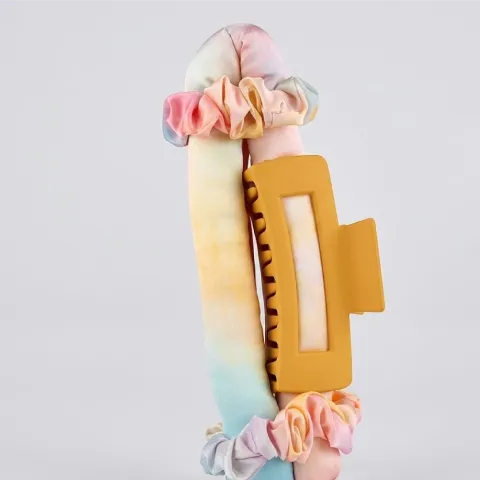
| Set de cuidado del cabello | Gorro (Bonnet) + 2 coleteros | Venta minorista de salones y spas, asociaciones de marcas capilares | 12–20 USD |
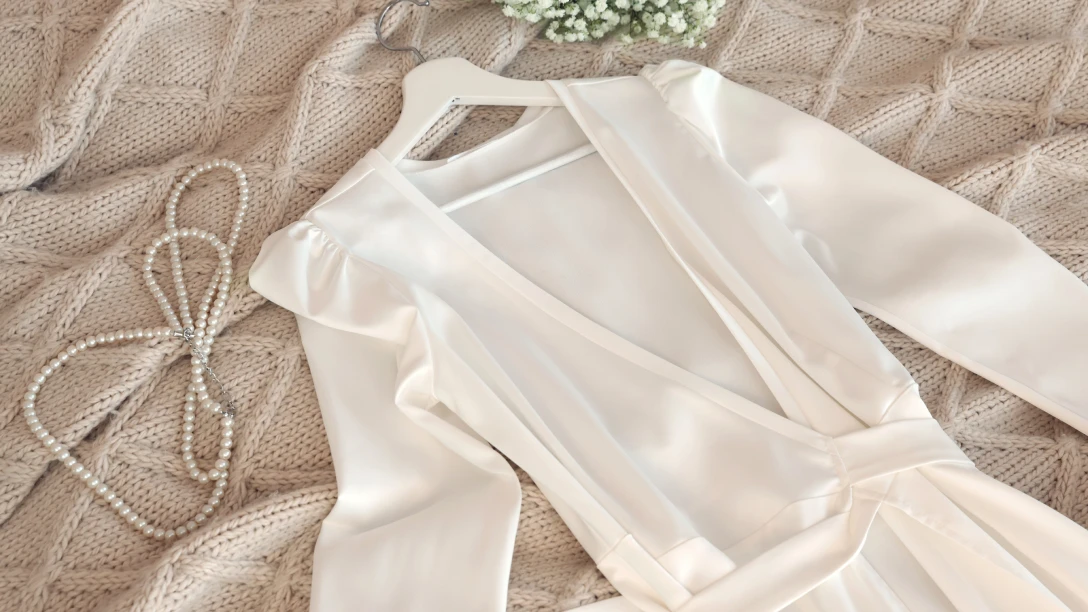
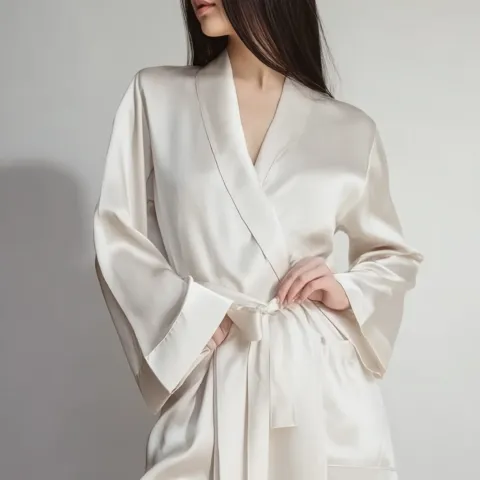
| Set nupcial (Bridal Set) | Bata + funda de almohada + coletero + nombre bordado | Organizadores de bodas, programas para damas de honor | 30–50 USD |
| Set Premium | Funda de almohada + antifaz + gorro + coletero + caja de regalo rígida | Regalos ejecutivos, agradecimiento a clientes de alto valor | 35–60 USD |
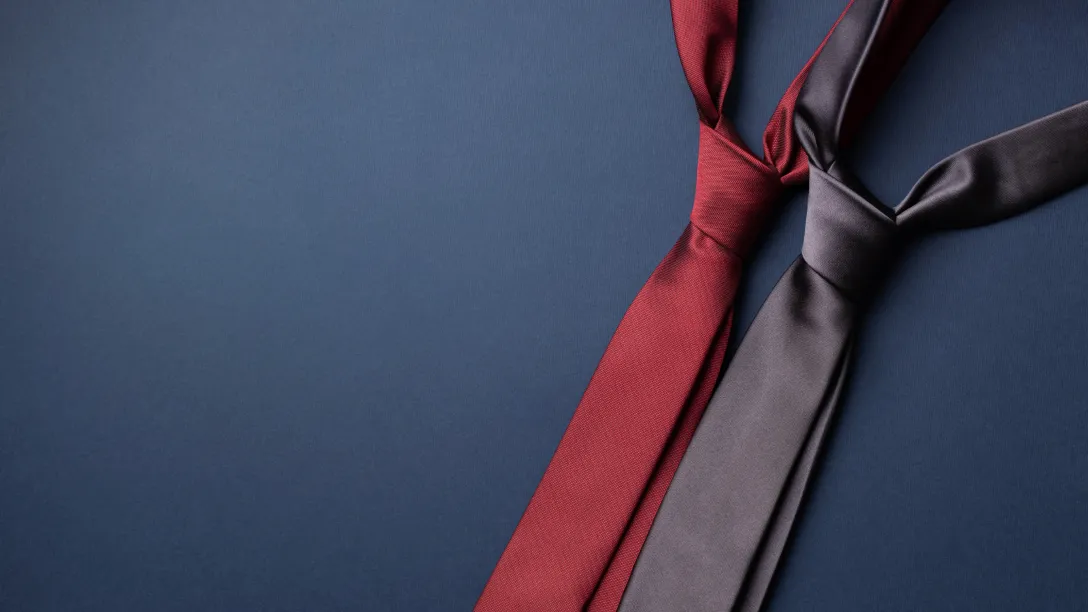
No hay un menú fijo. Cualquier combinación de toda la gama de productos (fundas de almohada, antifaces, coleteros y accesorios capilares, bufandas, pijamas, batas, corbatas, almohadas de cuello) se puede mezclar en cualquier cantidad. Los temas anteriores son puntos de partida y ajustamos los contenidos a su audiencia y precio objetivo.
3. La ventaja de una sola fábrica en los sets de regalo
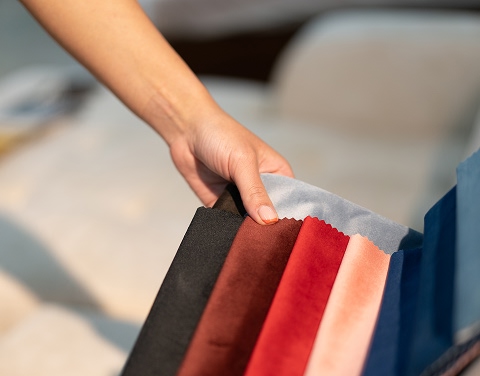
La mayoría de los proveedores de sets de regalo ensamblan componentes de varias fábricas. El resultado se ve en la caja: una funda de almohada teñida por una fábrica con medio tono de diferencia respecto a un antifaz teñido por otra, niveles de calidad que varían de un artículo a otro y plazos de entrega que no coinciden.
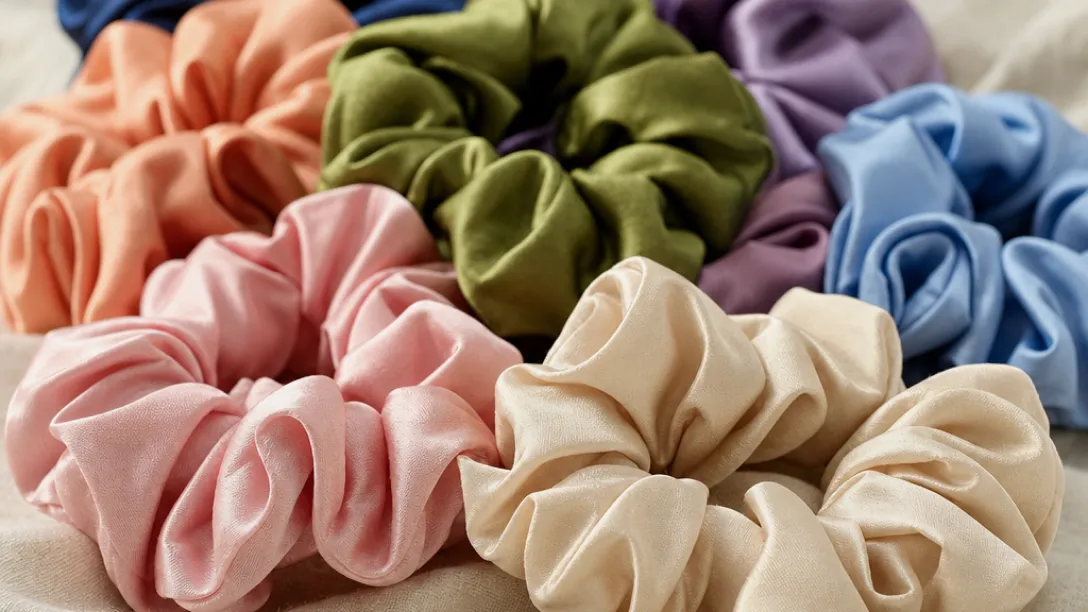
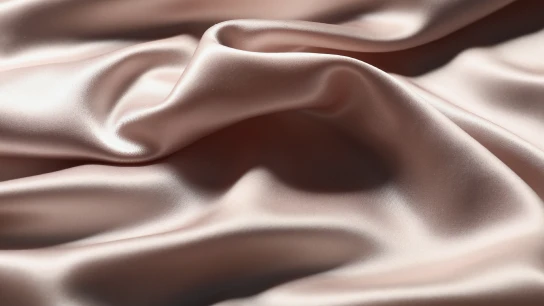
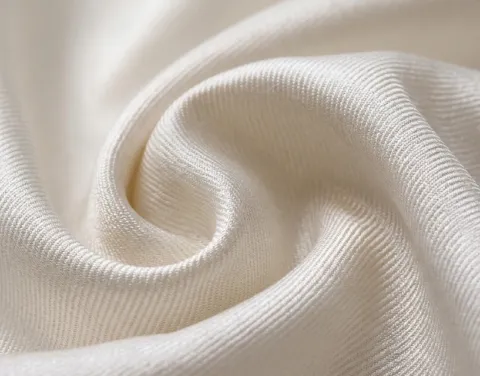
Fabricamos cada componente en nuestras propias instalaciones. Todos los artículos de un set provienen del mismo lote de tela y del mismo baño de tinte, por lo que el color, el brillo y el tacto combinan exactamente en toda la caja. Una línea de producción también significa una línea de tiempo: todo el set se completa al mismo tiempo en lugar de esperar al proveedor más lento. Para los compradores, esto elimina la queja de calidad más común en los programas de regalos de varios artículos.
4. Empaque: El multiplicador de valor
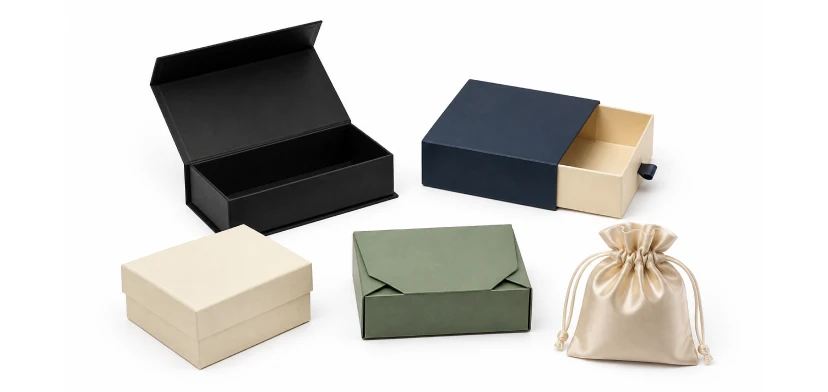
En un set de regalo, la caja es lo primero que ve el destinatario y genera el valor percibido antes de tocar la seda. Cinco estructuras cubren la mayoría de los programas:
- Caja con tapa magnética (Magnetic flip box): Tapa abatible con cierre magnético. El estándar premium para sets corporativos y de retail.
- Caja de cajón (Drawer box): Formato deslizante con un paso de desempaquetado interactivo. Ideal para posicionamiento de lujo.
- Caja de tapa y base (Top-and-bottom lid box): La clásica caja de dos piezas. Limpia, apilable y rentable por volumen.
- Caja plegable: Se envía plana y se ensambla antes de usar. Práctica cuando el espacio de almacenamiento y flete son limitados.
- Bolsita de seda o satén: Empaque suave para sets más livianos, o como capa interior dentro de una caja rígida.
La presentación interior soporta el resto del peso: papel de seda, forro de satén, bandejas troqueladas, cinta de marca y tarjetas de inserción para instrucciones de cuidado, notas de agradecimiento o un código QR a su sitio. Una regla de proporción mantiene los presupuestos honestos: el gasto en embalaje debe seguir el valor minorista del set. Sobreempaquetar un set de 20 USD erosiona el margen; subempaquetar un set de 50 USD devalúa el regalo. Las estructuras y acabados completos se enumeran en nuestra página de opciones de empaque.
5. Branding y personalización en todo el set
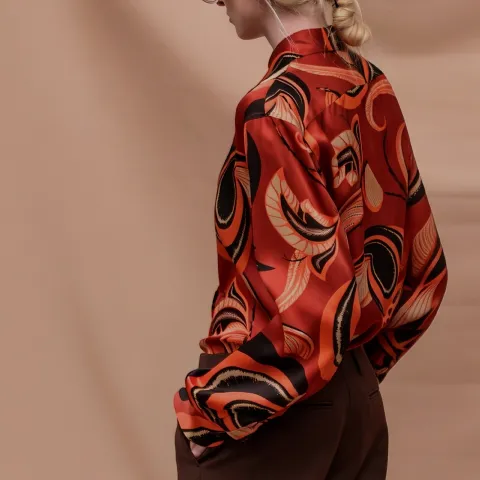
El branding funciona cuando es consistente en cada superficie que toca el destinatario. En los productos, eso significa bordado de logotipos o monogramas en las esquinas de las fundas de almohada, las correas de los antifaces y las batas; etiquetas tejidas en las costuras; y teñido Pantone personalizado o diseños impresos donde el diseño lo requiera. En el empaque, la impresión exterior e interior, la cinta y las tarjetas de inserción transmiten la identidad a través del unboxing (desempaquetado).
La personalización es la mejora que convierte un set de marca en uno que se conserva. Las iniciales o los nombres bordados en cada artículo son una práctica estándar en nuestros programas nupciales y corporativos, y son el detalle que los destinatarios recuerdan. Una nota de producción: el bordado personalizado agrega tiempo y elimina la opción de reponer inventario genérico, así que confirme las listas de nombres y la ortografía antes de que comience la producción (una lista de nombres corregida después del bordado significa rehacer el artículo).
6. Cronograma: Planifique hacia atrás desde la fecha
Los sets de regalo coordinan varios productos además del empaque, por lo que toman más tiempo que los pedidos de un solo artículo. Nuestra producción tarda entre 15 y 30 días después de la aprobación de la muestra: los sets más simples de dos o tres artículos en el extremo rápido, los sets complejos con cajas personalizadas y bordados en el extremo más lento. El muestreo agrega de una a dos semanas antes de eso.
Para fechas fijas (bodas, conferencias, días festivos en el comercio minorista), inicie la conversación con dos o tres meses de anticipación. Esa ventana cubre el muestreo, las revisiones, la producción y el flete con espacio para lo inesperado. Los programas del cuarto trimestre (Q4) deben confirmarse antes del otoño: la demanda de la temporada navideña comprime los espacios de producción en toda la industria, y fines de septiembre no es el momento para comenzar un set de Navidad.
7. MOQ y logística de pedidos
Nuestro mínimo es de 50 sets completos, independientemente de cuántos artículos haya dentro de cada uno, y un solo pedido puede incluir múltiples configuraciones (un set de dormir de tres piezas y un set de novia de cinco piezas pueden ejecutarse en el mismo lote de producción). Siempre producimos un set de muestra físico completo, incluido el empaque, antes de la aprobación del lote. Revise la muestra de la forma en que lo haría un destinatario: abra la caja, manipule cada artículo y lea las tarjetas de inserción.
8. Cinco errores que se deben evitar en los sets de regalo
- Mezclar proveedores para un solo set. El ensamblaje en múltiples fábricas produce lotes de tinte que no coinciden y entregas escalonadas. Mantenga todos los componentes en una sola línea de producción.
- Construir el set antes de definir el destinatario. Un set VIP corporativo y un set de caja de suscripción necesitan contenidos, empaques y precios diferentes. La audiencia primero, los productos después.
- Rellenar demasiado la caja. Cinco artículos mediocres pierden frente a tres excelentes con el mismo presupuesto. Menos y mejores piezas elevan tanto el valor percibido como el margen.
- Tratar el empaque como una idea de último momento. La caja es la mitad del producto en esta categoría. Haga prototipos junto con los artículos de seda, no después de ellos.
- Comenzar tarde para una fecha fija. Los plazos de eventos y días festivos no se mueven. De dos a tres meses de tiempo de entrega es el piso de planificación seguro.
Cree su set de regalo de seda personalizado
Envíenos su ocasión, audiencia, presupuesto por set y fecha de entrega, y le devolveremos dos o tres opciones configuradas con precios y un cronograma inverso. Si ya conoce la combinación, pasamos directamente al muestreo. Explore todo el alcance en nuestra página de sets de regalo de seda personalizados, o contáctenos para comenzar el proyecto.
FAQ
Nuestro mínimo es de 50 sets completos, sin importar cuántos artículos haya dentro de cada set. Un pedido también puede incluir múltiples configuraciones de set; por ejemplo, un set de dormir de 3 piezas y un set nupcial de 5 piezas en la misma fase de producción.