

Custom Silk Scrunchies: A B2B Manufacturing Guide to Elastic Tensile, Momme Weights, Sizing, and Construction Standards


In the silk accessories sector, the silk scrunchie is the highest-volume entry point for lifestyle and beauty brands. Unlike structural apparel or expansive bedding, a scrunchie functions as a high-frequency dynamic mechanical fastener. It undergoes constant elongation, twisting, and friction against diverse hair textures throughout daily wear and sleep. When end consumers experience hair slippage, elastic snapping, or fabric seam splitting within weeks of purchase, the issue rarely stems from the silk fiber alone; it originates from improper internal elastic selection, inadequate seam allowances, and low-density stitch calibration.
Many brands venturing into silk hair accessories treat scrunchies as simple scrap-fabric cut-and-sew novelties. This oversight leads to high return rates, negative customer reviews, and inconsistent product volume. Specifying a production-ready custom silk scrunchie requires clear engineering parameters across seven core variables: internal elastic tensile strength, momme weight selection, cut-to-finished gathering ratios, seam enclosure methods, label attachment geometry, and packaging assembly. This manufacturing guide outlines the objective specifications required to develop commercial-grade silk scrunchies for retail collections and branded gift sets.
A commercial-grade custom silk scrunchie program is defined by a 22 momme Grade 6A mulberry silk charmeuse shell, high-resilience braided natural latex or knit elastic cores engineered for over 5,000 cycles without permanent deformation, an optimal 2.5:1 to 3:1 fabric gathering ratio, and blind-stitched or precision edge-turned closure seams. Establishing these technical specifications prior to production prevents elastic fatigue, visible stitching blowouts, and uneven fabric gathering across bulk production runs.
1. The Mechanical Core: Elastic Selection and Fatigue Resistance
The interior elastic core determines the working lifespan and functional holding power of a silk scrunchie. The silk shell provides low-friction glide to minimize hair cuticle breakage, but the elastic core does the mechanical work of securing the hair bundle. Selecting the incorrect elastic composition leads to permanent stretching within weeks of consumer use.
Braided Natural Latex Elastic: The traditional industry standard for high-tension hold. Braided elastic features longitudinal cords of natural rubber encapsulated in a braided yarn jacket. It provides strong contraction force and narrow elongation, making it ideal for classic and skinny scrunchies designed for high ponytails and athletic use. However, natural rubber degrades when exposed to oils and chlorine, requiring strict storage controls.
Woven/Knitted Polyester-Spandex Elastic: The modern benchmark for luxury sleep and everyday scrunchies. Knitted elastic does not narrow when stretched, ensuring uniform pressure distribution across hair strands. It offers a softer, more gradual modulus of elasticity, preventing tension headaches while retaining holding memory. For scrunchies marketed for overnight hair protection alongside silk pillowcases, high-recovery knitted elastic is the preferred engineering standard.
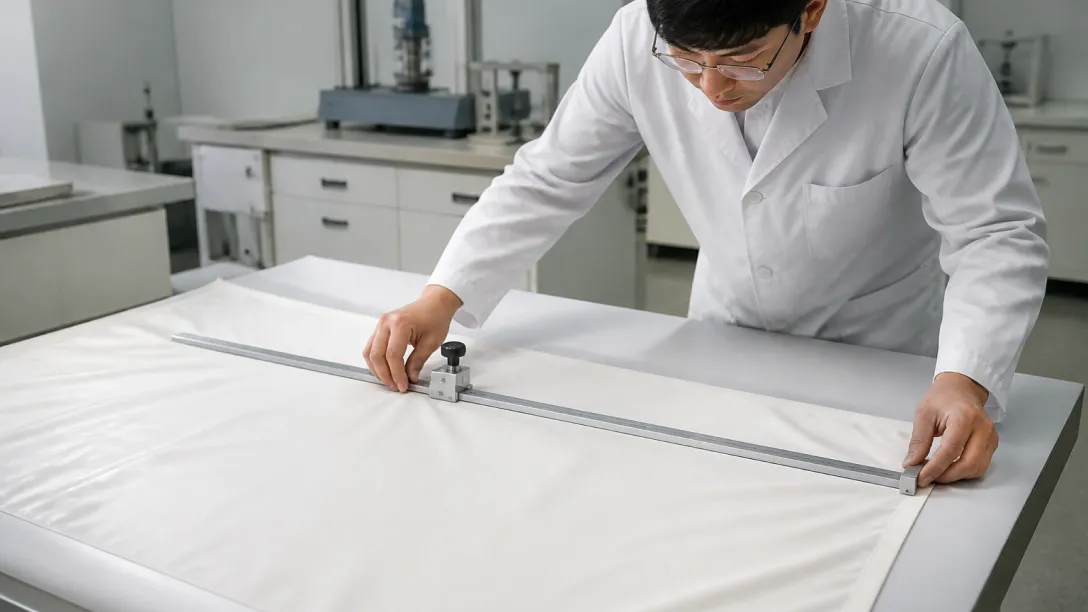
Elastic Fatigue Benchmarks: Factory tech packs must mandate elastic recovery testing. Commercial specifications require that after being stretched to 200% of resting length for 1,000 continuous cycles, the elastic retains no less than 95% of its original resting dimension. Using cheap unbraided rubber bands or low-grade braided cords results in permanent slack and immediate consumer dissatisfaction.
2. Shell Fabric Specifications: 16mm vs. 19mm vs. 22mm Charmeuse
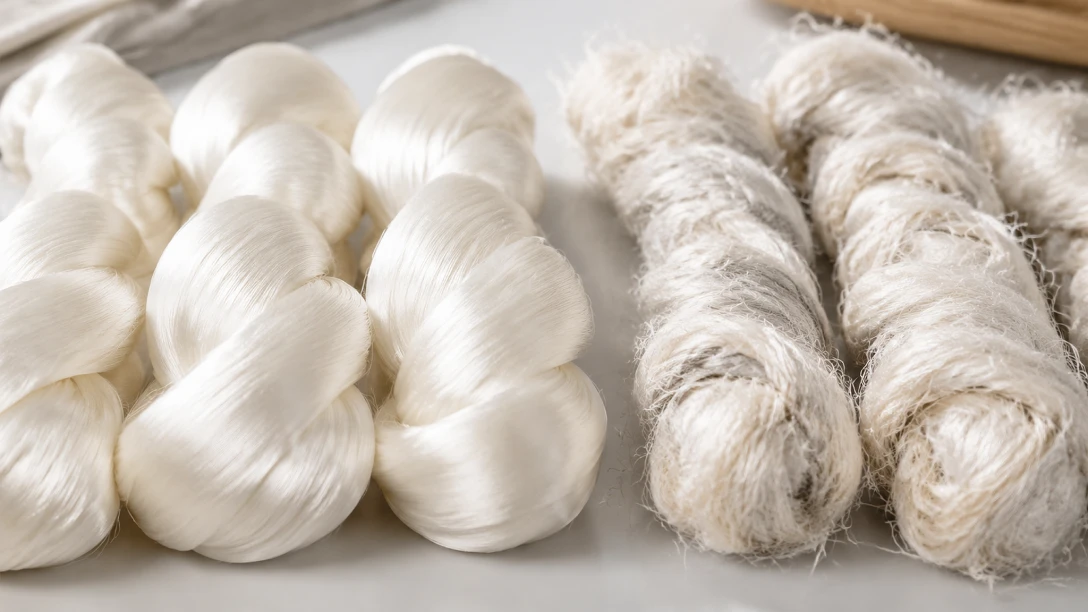
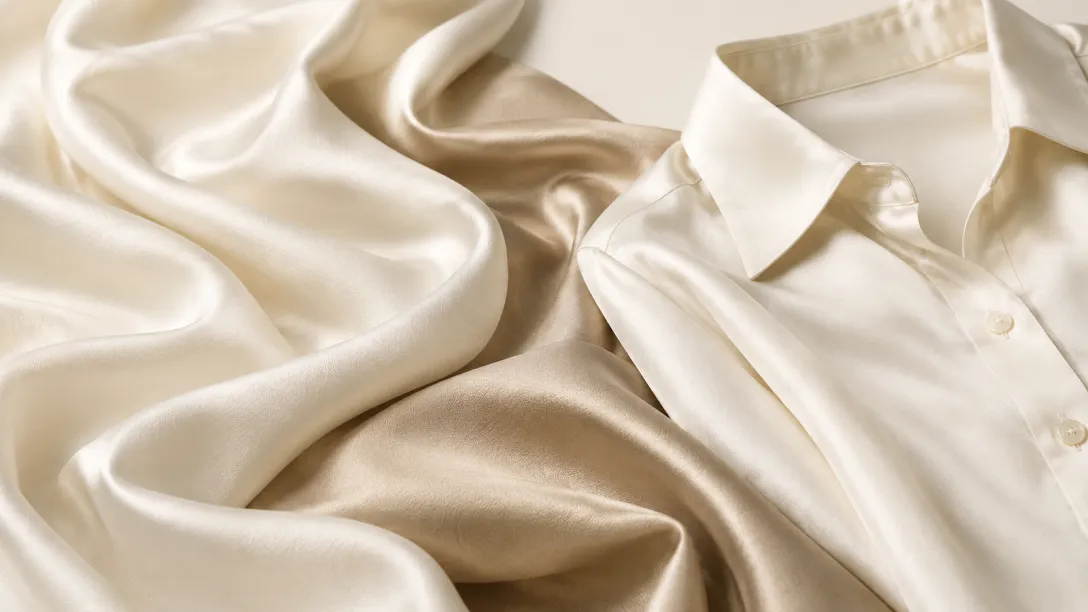
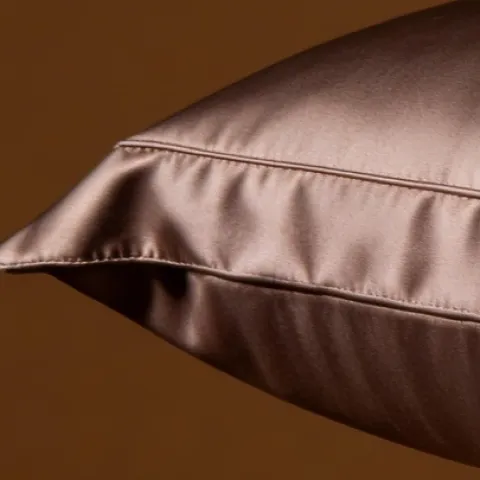
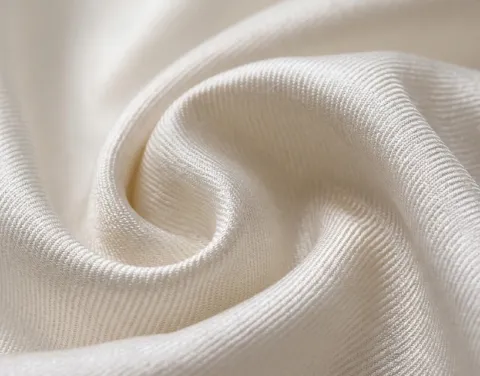
While various silk weaves can be utilized, mulberry silk charmeuse fabric accounts for over 90% of global scrunchie production. Charmeuse features a smooth satin face that slides effortlessly over keratin hair scales, paired with a crepe back that stabilizes the internal elastic. Selecting the appropriate momme weight directly governs gathering volume, fabric durability, and retail pricing.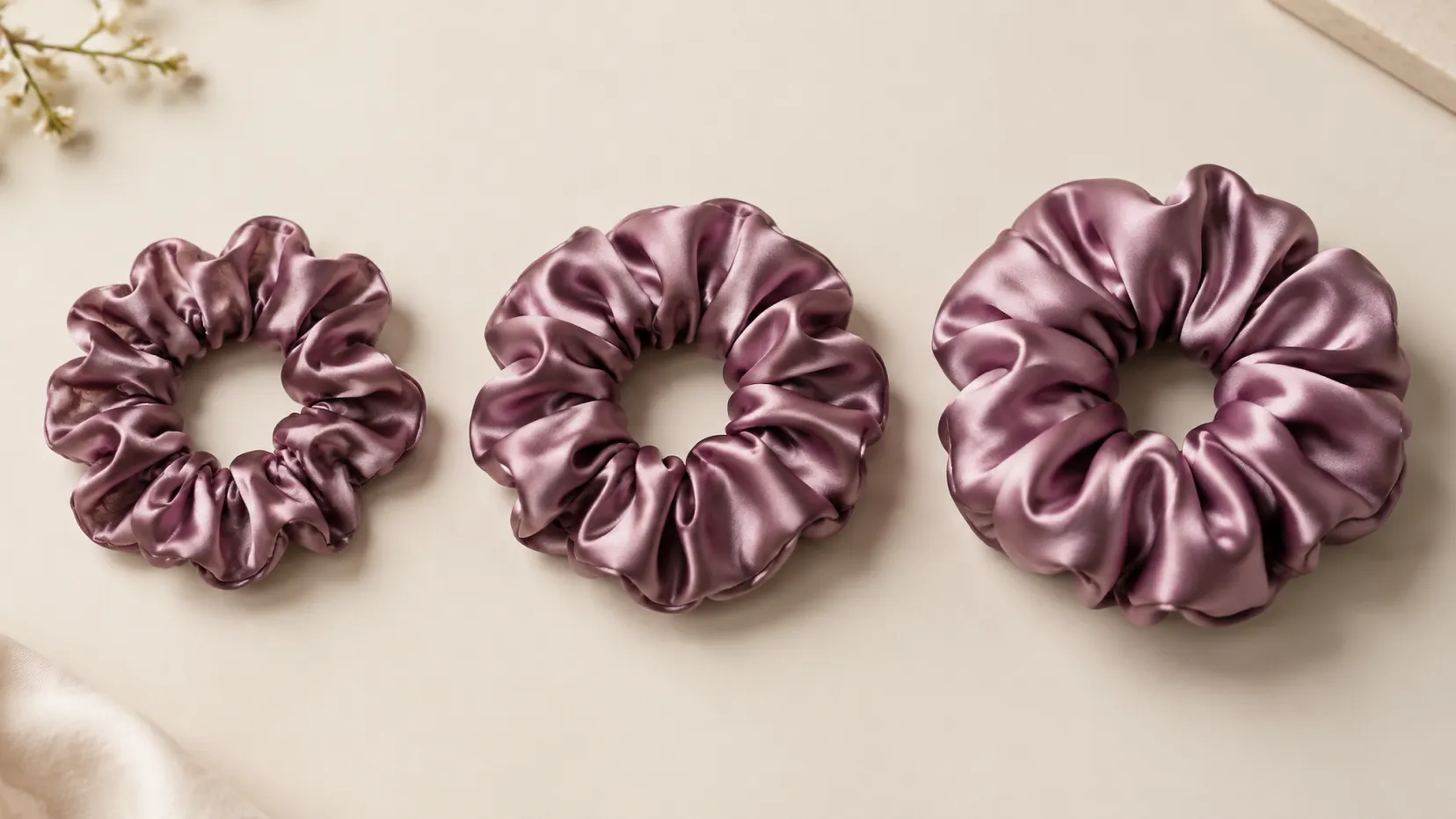
16 Momme Charmeuse (~69 gsm): Often used by promotional brands and fast-fashion retailers to lower unit costs. At 69 gsm, 16 momme gathers into tight, fine folds. However, the thin fabric lacks structural body, causing the scrunchie to appear limp and collapsed around the elastic. Furthermore, the seam allowance is prone to yarn slippage under sharp tugs, exposing raw thread ends.
19 Momme Charmeuse (~82 gsm): The commercial baseline for direct-to-consumer (DTC) brands. It provides a balanced compromise between fluid drape and tensile resilience. At 82 gsm, 19 momme produces clean gathers and resists friction wear from daily hair adjustment. It is suitable for volume-driven retail multipacks and entry-tier collections.
22 Momme Charmeuse (~95 gsm): The luxury benchmark. The increased thread count and fabric density deliver a plump, rounded gather with substantial visual volume. The heavier silk resists pinhole punctures and seam tearing, while providing an opaque, deep luster across all dye shades. For luxury flagship lines retailing above $15 per unit, 22 momme Grade 6A silk is the required specification.
| Fabric Grade / Weight | Weight (GSM) | Gather Volume & Plumpness | Seam Slippage Resistance | Target Commercial Market |
|---|---|---|---|---|
| 16 Momme Charmeuse | ~68.9 gsm | Flat, narrow gathers; low loft | Moderate (Requires loose fit) | Promotional giveaways, fast-fashion tiers |
| 19 Momme Charmeuse | ~81.8 gsm | Balanced gather; clean drape | High (Standard retail durability) | DTC multipacks, subscription boxes |
| 22 Momme Charmeuse | ~94.7 gsm | Plump, substantial, luxurious loft | Exceptional (Maximum seam stability) | Luxury flagship collections, salon retail |
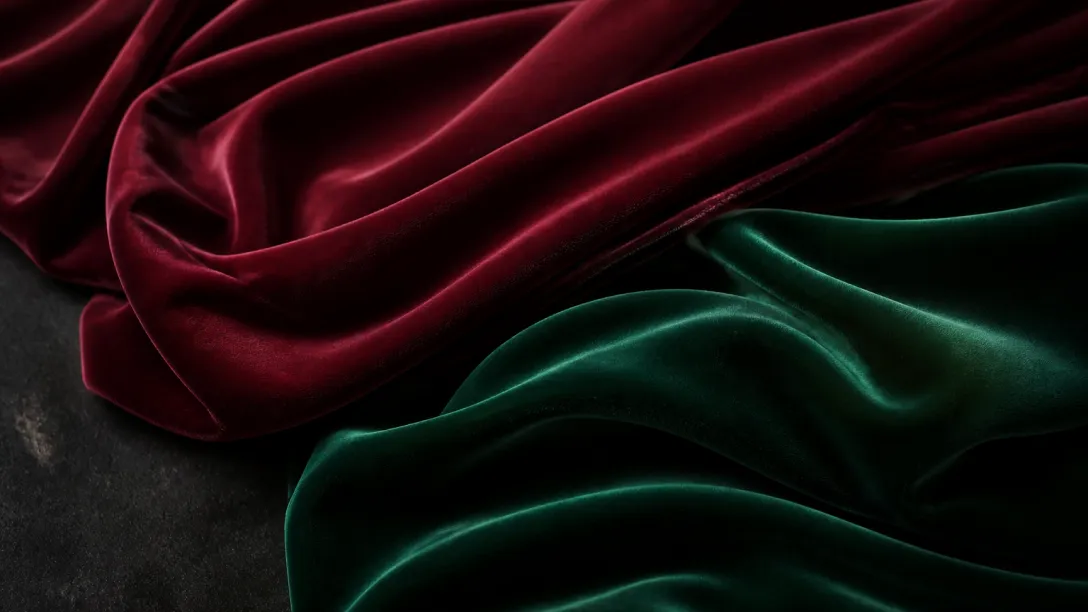
| 19 Momme Silk Velvet | ~150+ gsm | Rich, dense pile; structured body | Very High (Heavyweight construction) | Autumn/Winter holiday accessory lines |
3. Sizing Grading and Dimensional Specifications
Developing a balanced hair accessory line requires categorizing scrunchies into defined dimensional tiers. The relationship between fabric strip length, fabric strip width, and internal elastic resting length governs the visual gathering density (the "ruffle factor").
The Gathering Ratio Equation: The gathering ratio is calculated as fabric cut length divided by elastic resting length. A ratio below 2:1 results in an under-gathered, flat tube that reveals the shape of the elastic core. A ratio exceeding 3.5:1 packs too much fabric into the ring, restricting elastic expansion and making the scrunchie difficult to loop twice around thick hair. The commercial sweet spot across all sizes is 2.5:1 to 3.0:1.
Standardized sizing tiers across commercial manufacturing include:
- Skinny Scrunchie (Slim/Narrow):
- Classic / Midi Scrunchie (Medium Standard):
- Oversized / Statement Scrunchie (Jumbo/Maxi):
4. Seam Architecture and Closure Engineering
The method used to sew the outer tube and close the final turning hole determines whether a scrunchie presents as an artisan luxury product or an industrial commodity. A silk scrunchie involves two primary assembly phases: the longitudinal tube seam and the perimeter closing seam.
Longitudinal Tube Seaming: The cut silk strip is folded face-to-face and stitched along the length using a high-precision single-needle machine. The stitch density must be calibrated strictly between 11 and 13 stitches per inch (SPI) using a fine Microtex 65/9 or 70/10 needle. Sewing with blunt needles punches frayed holes into the silk filaments, causing seam slippage under elastic expansion.
Elastic Core Jointing: Joining the two ends of the internal elastic must be executed with extreme mechanical security. Simply tying a knot creates an unsightly bulge that wears through the silk charmeuse. The elastic ends must overlap by 1.5 cm and be joined with a reinforced box-and-cross stitch or dense 4-step zigzag stitch. This creates a flat, unbreakable joint that moves freely through the casing.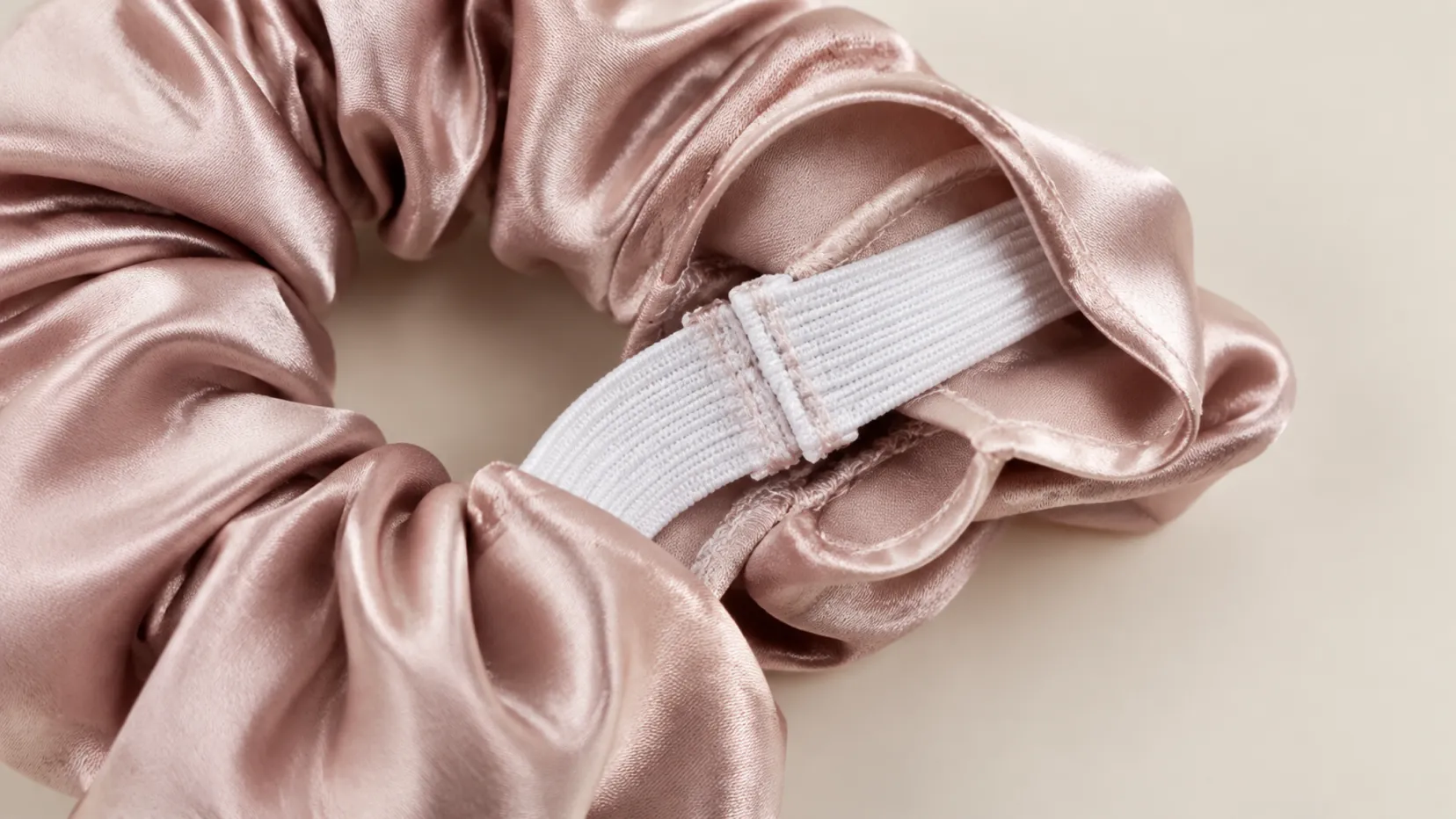
Turning Hole Closure Methods: Once the elastic is secured, a 2 cm to 3 cm opening remains through which the tube was inverted. The execution of this final closure defines the quality tier:
- Hand-Sewn Blind Stitch (Slip Stitch): The edges are pressed inward by 5 mm and closed with invisible hand slip stitches. No thread is visible on the exterior surface. This is the mandatory requirement for luxury retail brands retailing above $20 per unit.
- Machine Edge Topstitch (Edgestitch): The open fold is pressed and closed by machine with a 1 mm edge-stitch. While cost-effective and structurally durable, the external stitch line is visible upon inspection. If machine edgestitching is used, the stitch length must match the rest of the construction, and the thread must match the silk dye lot under D65 daylight standards.
5. Branding Integration: Labels, Tags, and Custom Hardware
Because a silk scrunchie is a compact accessory, branding elements must be integrated without compromising the tactile softness of the product or snagging the wearer's hair.
Woven Side Flag Labels: The most common branding method is a high-density damask woven label (typically 1.5 cm × 2.5 cm folded) inserted into the closing seam. The label edges must be heat-cut with ultra-soft ultrasonic sealing to eliminate sharp, scratchy corners that catch on hair strands.
Custom Metal Charms: For premium and bridal collections, brands often attach a small polished metal charm (zinc alloy or brass with 18k gold/palladium plating) to the exterior seam. The charm must be secured with a soldered jump ring to ensure it does not snag individual hair fibers.
Branded Elastic Cores: For large-volume programs, jacquard woven elastic featuring the brand's logo can be utilized inside semi-translucent silk fabrics (such as silk chiffon or georgette), creating a subtle branded visual effect beneath the gathered shell.
6. Packaging Formats and Retail Merchandising
In retail environments, secondary packaging represents up to 40% of perceived consumer value for hair accessories. A loose scrunchie appears unprotected, whereas structured packaging turns a small item into a giftable luxury SKU.
Header Cards and Backer Cards: The commercial standard for hanging retail displays. Manufactured from 350 to 450 gsm FSC-certified rigid paperboard with matte lamination, foil stamping, or soft-touch coating. Multi-pack cards feature elastic retainers or die-cut tabs that hold three to five skinny scrunchies securely.
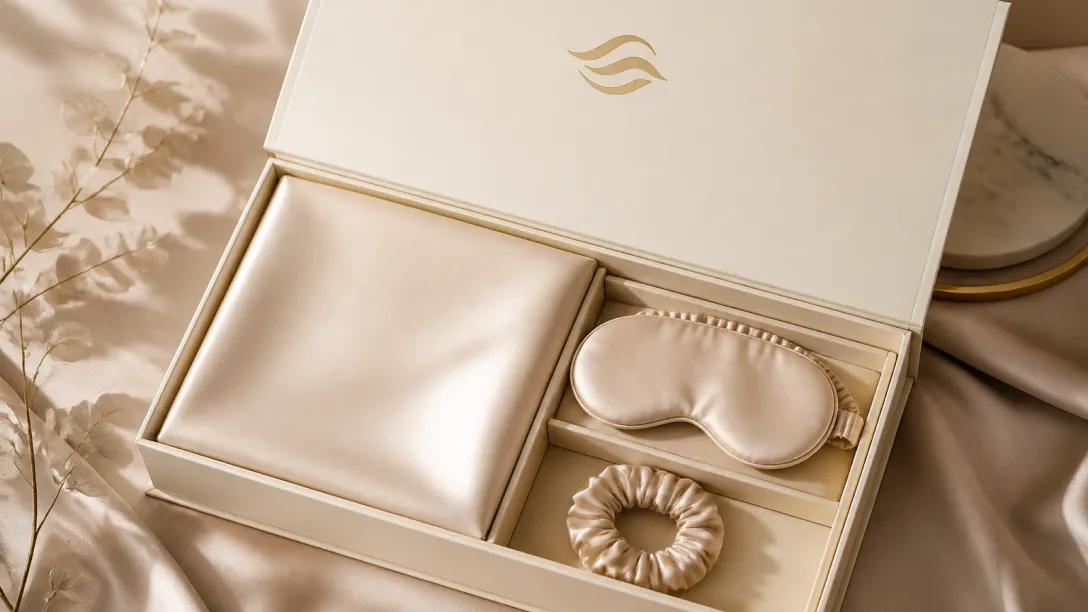
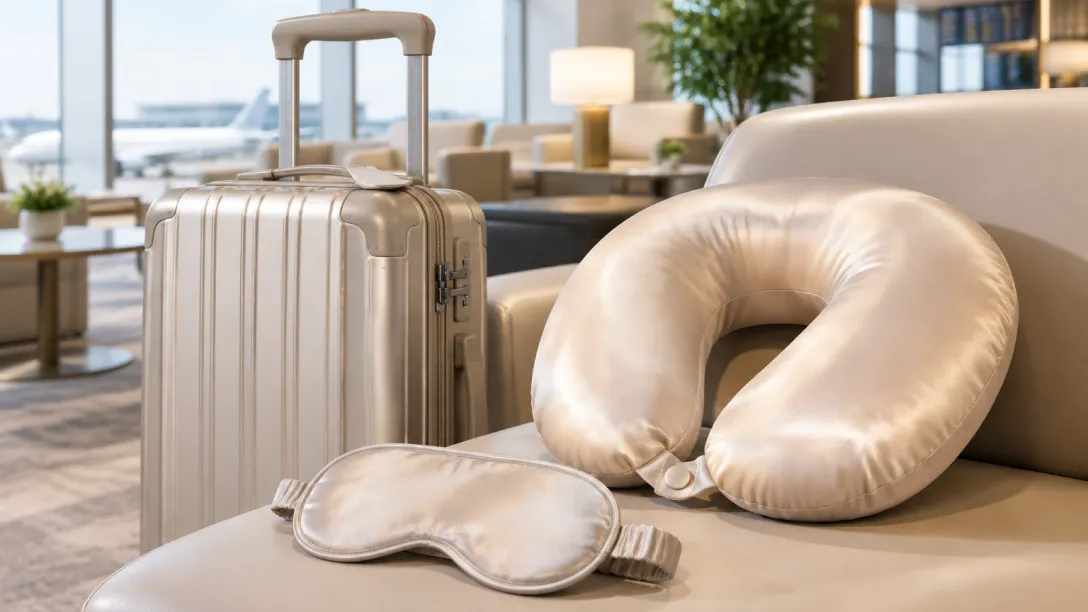
Rigid Drawer and Magnetic Gift Boxes: Designed for flagship collections and seasonal gifting. A rigid greyboard box with custom-cut EVA or paperboard inserts presents scrunchies as premium beauty tools. Pairing custom silk accessories with matching eye masks and pillowcases creates compelling custom silk gift sets that maximize retail basket size.
Clear PET/Acrylic Cylinders: Widely adopted for DTC shipping and boutique counter displays. Cylindrical packaging displays the gathered luster of multiple scrunchies while protecting the silk from dust and moisture during transport.
7. Production Economics, Yield Optimization, and Quality Audits
Because silk charmeuse carries high raw material costs, optimizing pattern nesting is essential to maintaining competitive unit margins. Scrunchies offer an ideal operational synergy for brands producing silk apparel or bedding.
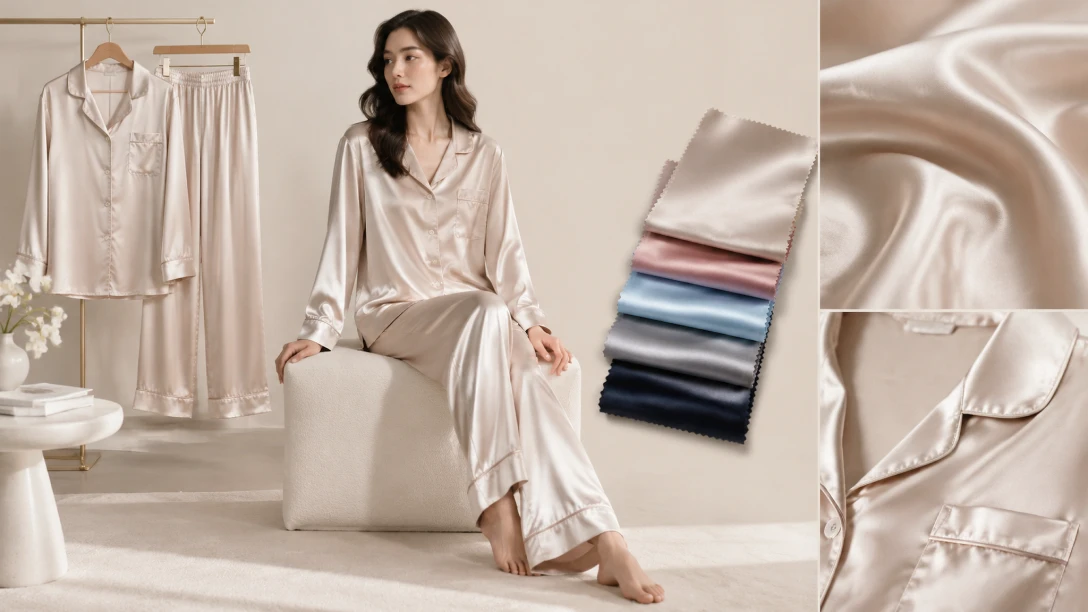
Fabric Scrap Synergy: When cutting large garment panels for custom silk pajamas or flat sheets for bedding, fabric fall-off (off-cuts between curved pattern pieces) often generates strips measuring 10 cm to 15 cm wide. A capable cut-and-sew facility can integrate scrunchie production directly into apparel cutting markers, capturing residual fabric yield and dramatically reducing accessory production costs.
Factory Quality Testing Protocols: Before bulk shipments leave the manufacturing facility, the quality assurance team must execute five mechanical audits:
- Tensile Recovery Test: Each batch is pulled to maximum extension 50 times; the internal elastic must rebound completely to original dimensions without thread snapping.
- Joint Pull Test: A lateral pull force of 50 Newtons is applied directly across the closing seam and elastic joint to verify that the internal box-stitch holds without rupture.
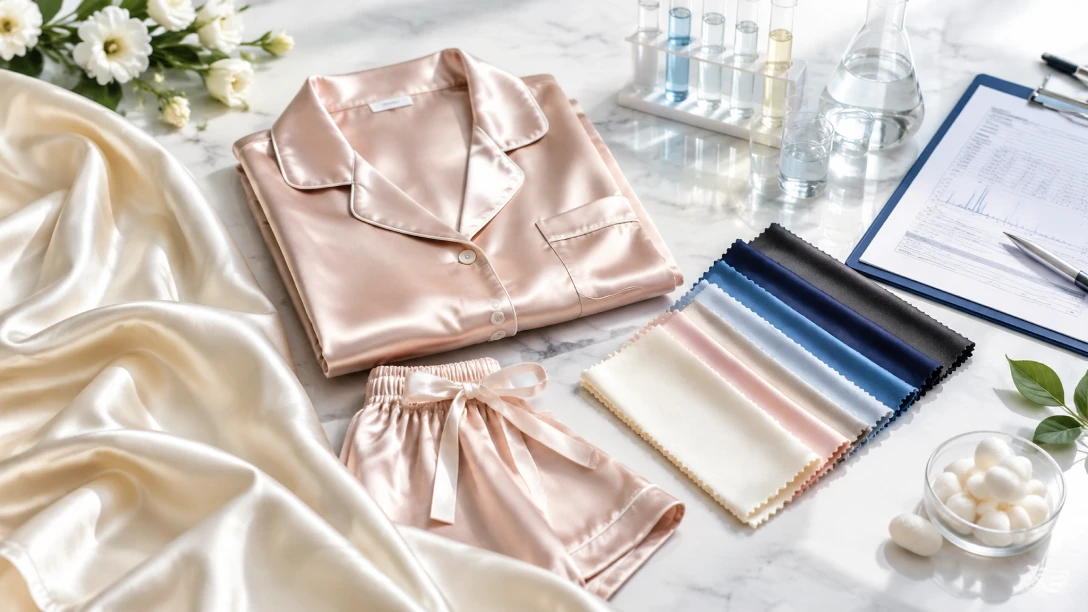
- Light-Box Dye Matching: Scrunchies must be audited against master swatches under D65 artificial daylight and store lighting (TL84) to verify shade consistency across different dye lots.
- Colorfastness to Perspiration (ISO 105-E04): Verified to a minimum of Grade 4.0 to guarantee that oils, styling products, and sweat do not induce dye bleeding onto pillowcases or hair.
- Needle Detection Audit: 100% of finished units must clear industrial magnetic needle detection to ensure zero broken needle fragments remain within the gathered tube.
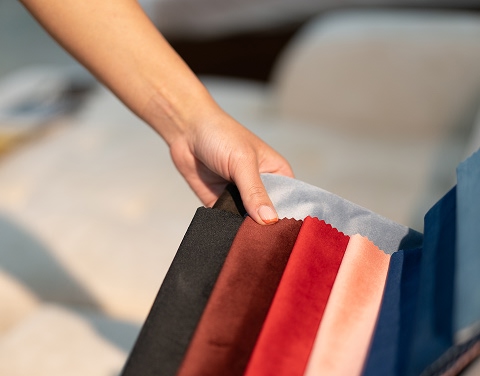
At DreamSilk, we manufacture custom silk scrunchies, headbands, and complete hair accessory collections at our Suzhou facility using 100% Grade 6A mulberry silk and OEKO-TEX Standard 100 certified non-toxic dyes. We accommodate custom momme weights, pantone-matched dye runs, custom digital prints, and bespoke retail packaging. Send your design brief, dimensions, and target volumes to our production team, or contact us for a direct factory quotation to initiate your sampling cycle.
FAQ
For luxury retail collections, 22 momme Grade 6A mulberry silk charmeuse is the industry standard. It provides a plump, substantial gather with exceptional seam durability and a deep, opaque luster. While 19 momme is acceptable for entry-tier multipacks, and 16 momme is used for promotional giveaways, weights below 22 momme lack the structural body and tensile resistance required to prevent seam slippage and pinhole punctures over months of daily use.