

Factory Direct, No Middlemen
Low MOQ for Trial Orders
Complete Customization
Quality Checked Before Shipment
Fabrication d'écharpes de soie personnalisées pour les marques et en gros
DreamSilk fabrique des foulards en soie, des écharpes en satin et des bandanas en soie imprimés personnalisés pour la vente en gros, l'OEM/ODM et les programmes de marque blanche.
Product Overview
DreamSilk fournit des services de fabrication d'écharpes en soie personnalisées pour les marques, les grossistes, les vendeurs de commerce électronique et les acheteurs de projets cadeaux. Nous produisons des écharpes en soie, des écharpes en satin, des bandanes en soie et des écharpes en soie imprimées dans une large gamme de tailles, de tissus et de techniques d'impression. Que vous ayez besoin d'écharpes en soie personnalisées avec logo pour une utilisation de marque, d'écharpes en soie imprimées personnalisées pour des collections saisonnières ou de commandes en vrac pour la distribution en gros, chaque pièce est fabriquée dans notre propre usine à Suzhou avec un contrôle total de la qualité et de la livraison.
Points de vente clés
- · Options de soie de mûrier 100% de qualité 6A et de tissu de satin premium, certifié OEKO-TEX ®, sans danger pour le contact direct avec la peau
- · Impression numérique et sérigraphie disponibles, prenant en charge les motifs complexes, la correspondance des couleurs Pantone et une haute précision de reproduction des couleurs
- · Personnalisation complète sur la taille, la forme, la finition des bords, le motif, le poids du tissu et l'emballage
- · Support de conception en interne du concept à l'œuvre d'art prête à la production, ainsi qu ' une bibliothèque de modèles gratuite pour un démarrage rapide du projet
- · Expérience dans la production de foulards en soie personnalisés pour les marques internationales de mode, les entreprises de cadeaux et les clients de marques privées dans plus de 50 pays
- · Prix direct en usine avec structure de coûts transparente, pas de sous-traitance
Service& Soutien
MOQ : 50 pcs pour les styles standard
Sample de soutien : Des échantillons personnalisés disponibles avant la commande en vrac
Lead Time : 15 - 25 jours après l'approbation de l'échantillon
Emballage : Boîtes-cadeaux, sacs en soie, sacs OPP, sacs en papier, emballages de marque personnalisés
Navires : Livraison mondiale, logistique flexible
Coopération : OEM / ODM / Label privé
Après-vente : Suivi de projet dédié et gestion des problèmes de qualité
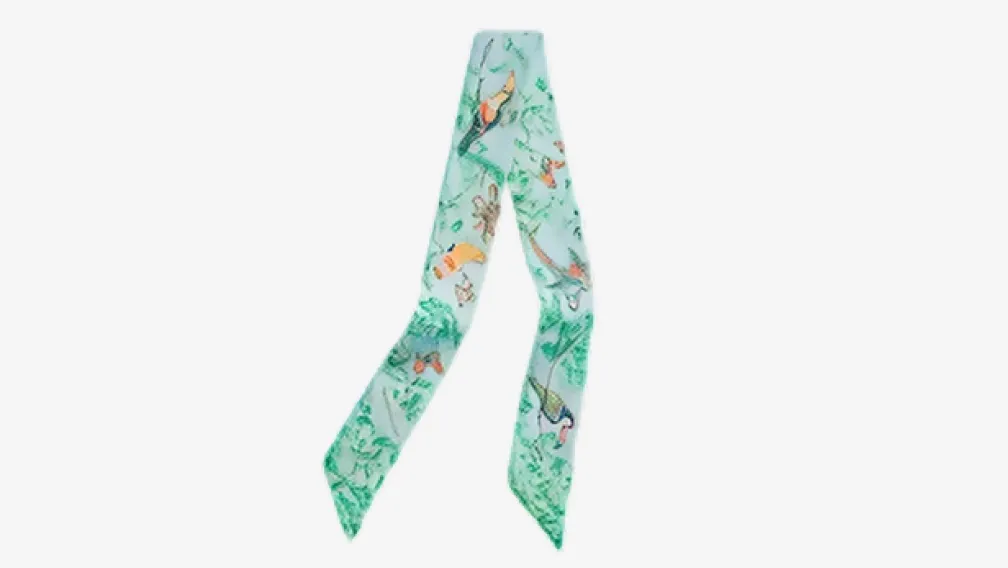
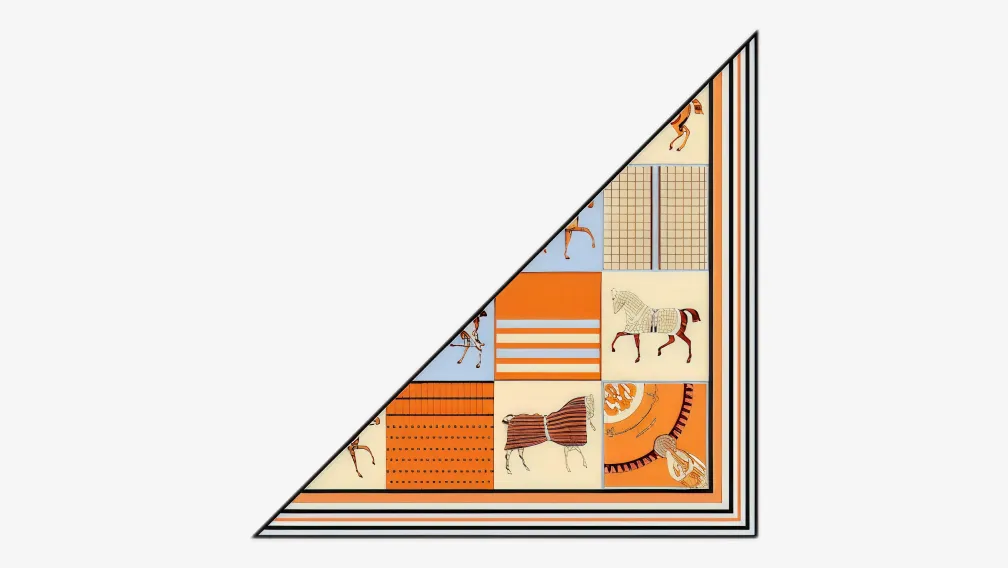
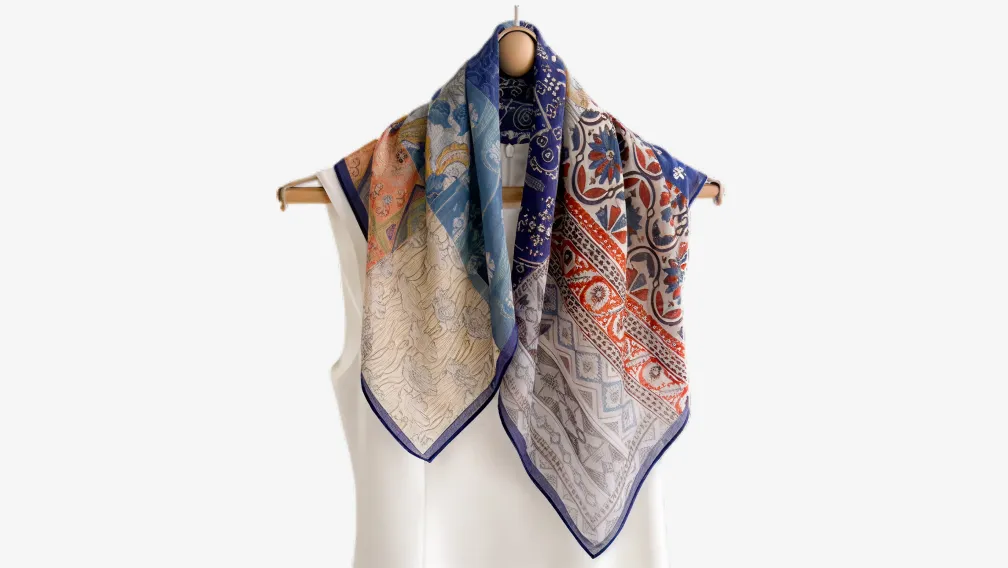
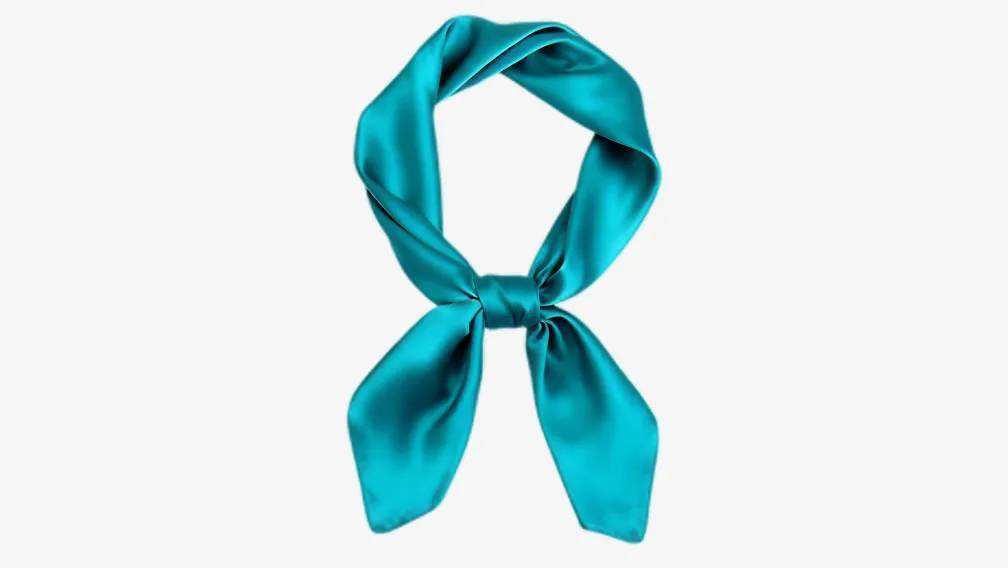
Nous produ is ons une gam me comp lè te de sty les de fou lar ds en so ie pour différents besoins de mar que , form ats de vente au dé tail et sc én arios d ' utilisation finale . Cha que style supp orte une person n alisation comp lè te sur le t issu , la taille , le motif , la fin ition des b ords et l ' emb alla ge .
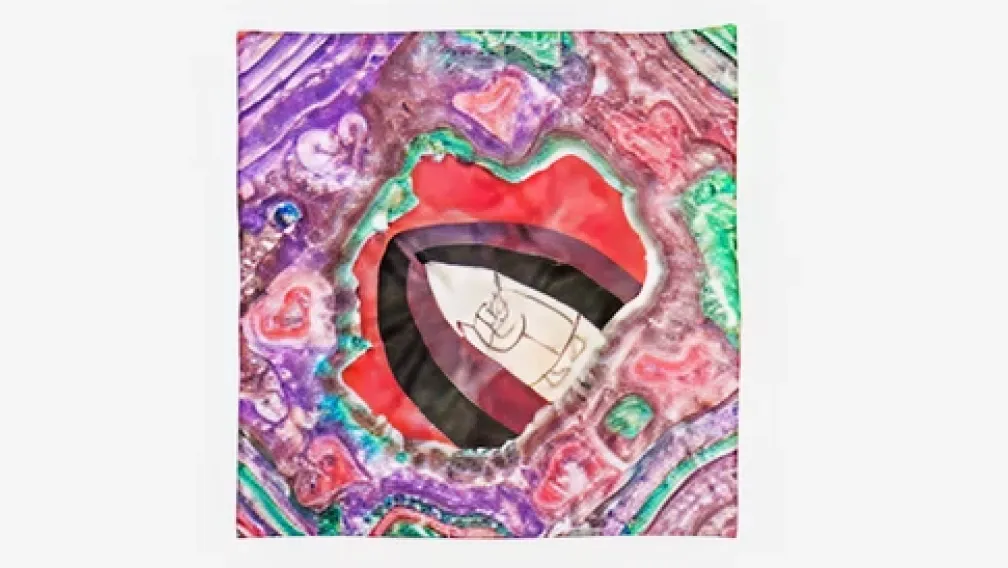
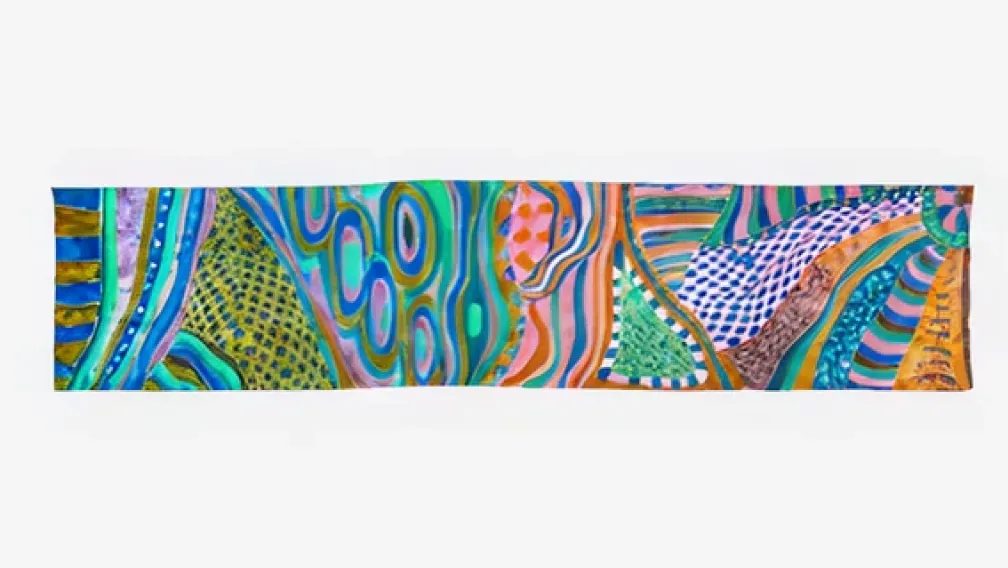
Techniques d'impression sur soie
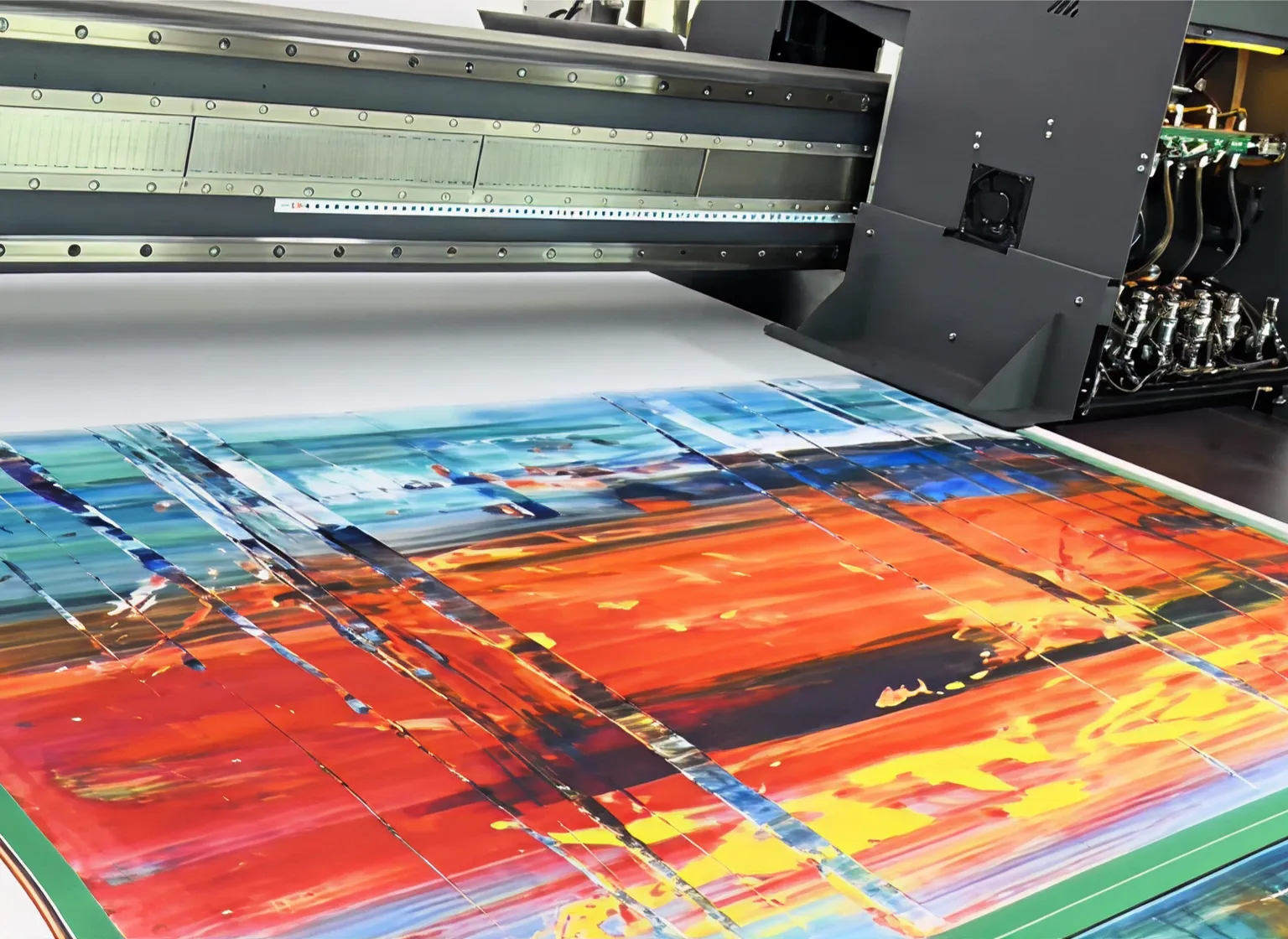
Procédure d'impression pour les foulards en soie personnalisés
L'impression est l'étape où le design de votre foulard devient un produit réel. La méthode choisie influence la précision des détails du motif, le rendu des couleurs, l'efficacité de la production et le coût unitaire. Nous travaillons avec vous pour confirmer la meilleure approche d'impression en fonction de la complexité de votre graphisme, de votre volume de commande et de votre prix cible.
Impression numérique
Elle reproduit les détails fins, les dégradés de couleurs riches et les graphismes complexes avec une grande précision. Idéale pour les foulards en soie imprimés personnalisés aux motifs complexes, les commandes en petite série et les projets impliquant des changements fréquents de design. L'impression numérique prend également en charge les flux de travail d'impression à la demande (print-on-demand) pour les foulards en soie, permettant une production flexible sans exigence de quantité minimale pour les cadres d'impression. Les résultats d'impression sont évalués conjointement avec le type de tissu et les conditions de prétraitement pour garantir que le rendu sur le produit correspond parfaitement à l'œuvre d'origine.
Impression au cadre (Sérigraphie)
Elle offre une forte saturation des couleurs, une couverture solide et une régularité fiable sur les grandes séries de production. Elle est particulièrement adaptée aux designs comportant des blocs de couleurs nets et des compositions plus simples. C'est un choix rentable pour les commandes répétées, les projets de production à long terme et la vente en gros de foulards en soie personnalisés à grand volume.
Avant la production en série, nous fournissons des échantillons imprimés sur le tissu validé pour l'approbation des couleurs et des motifs. La correspondance des couleurs Pantone est prise en charge pour les deux méthodes afin de minimiser les écarts de teinte entre les lots.
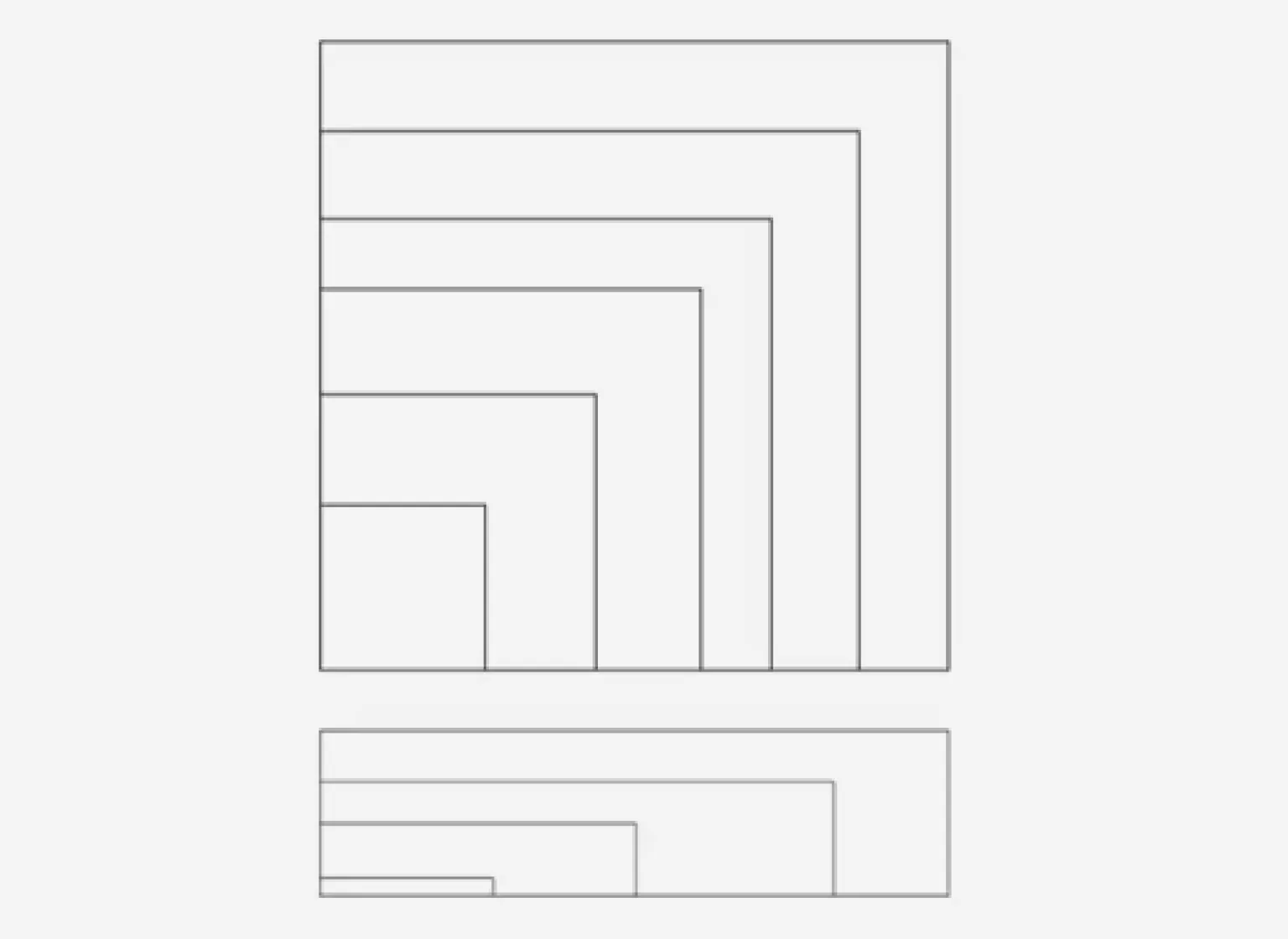
Options de tissus en soie pour vos foulards sur mesure
Le tissu que vous choisissez façonne la manière dont votre foulard se drape autour du cou, la façon dont il capte la lumière et sa sensation contre la peau. Pour les foulards en particulier, ces qualités importent plus que pour la plupart des autres produits en soie, car le tissu est constamment visible et en contact direct avec l'utilisateur.
Notre matériau standard est la soie de mûrier 100 % de grade 6A avec certification OEKO-TEX®. Au sein de ce grade, les différents grammages en momme confèrent au foulard des caractéristiques distinctes. Les tissus plus légers produisent un drapé fluide et aérien, idéal pour les twillys en soie et les foulards carrés d'été. Les options de poids moyen offrent le toucher à la fois structuré et souple que requièrent la plupart des foulards destinés à la vente au détail de marque. Les grammages plus lourds apportent une richesse visuelle et de la tenue, ce qui en fait le choix privilégié pour les châles, les étoles et les foulards cadeaux de luxe.
Nous proposons également des tissus en armure satin et des mélanges de soie pour les projets qui nécessitent un aspect et un toucher similaires à la soie à un prix plus accessible. Ils sont couramment utilisés pour les foulards promotionnels, les lignes de fast-fashion et les commandes de gros à grand volume.
Si vous hésitez encore sur le choix du tissu, partagez votre concept de produit avec nous. Nous affinerons les options et vous enverrons des échantillons physiques afin que vous puissiez comparer le drapé, la brillance et la texture avant de vous engager.
Référence des mommes pour les foulards en soie
- 12mm – 16mm : Léger et fluide, idéal pour les twillys, les foulards d'été et les articles promotionnels à grand volume.
- 19mm : Le grammage le plus polyvalent pour les foulards de marque au détail, équilibrant souplesse et structure.
- 22mm – 25mm : Drapé riche avec un éclat visible, privilégié pour les châles, les foulards cadeaux et les collections premium.
- Satin & Mélanges : Surface brillante à moindre coût, pratique pour la fast-fashion et les commandes de gros volumes.
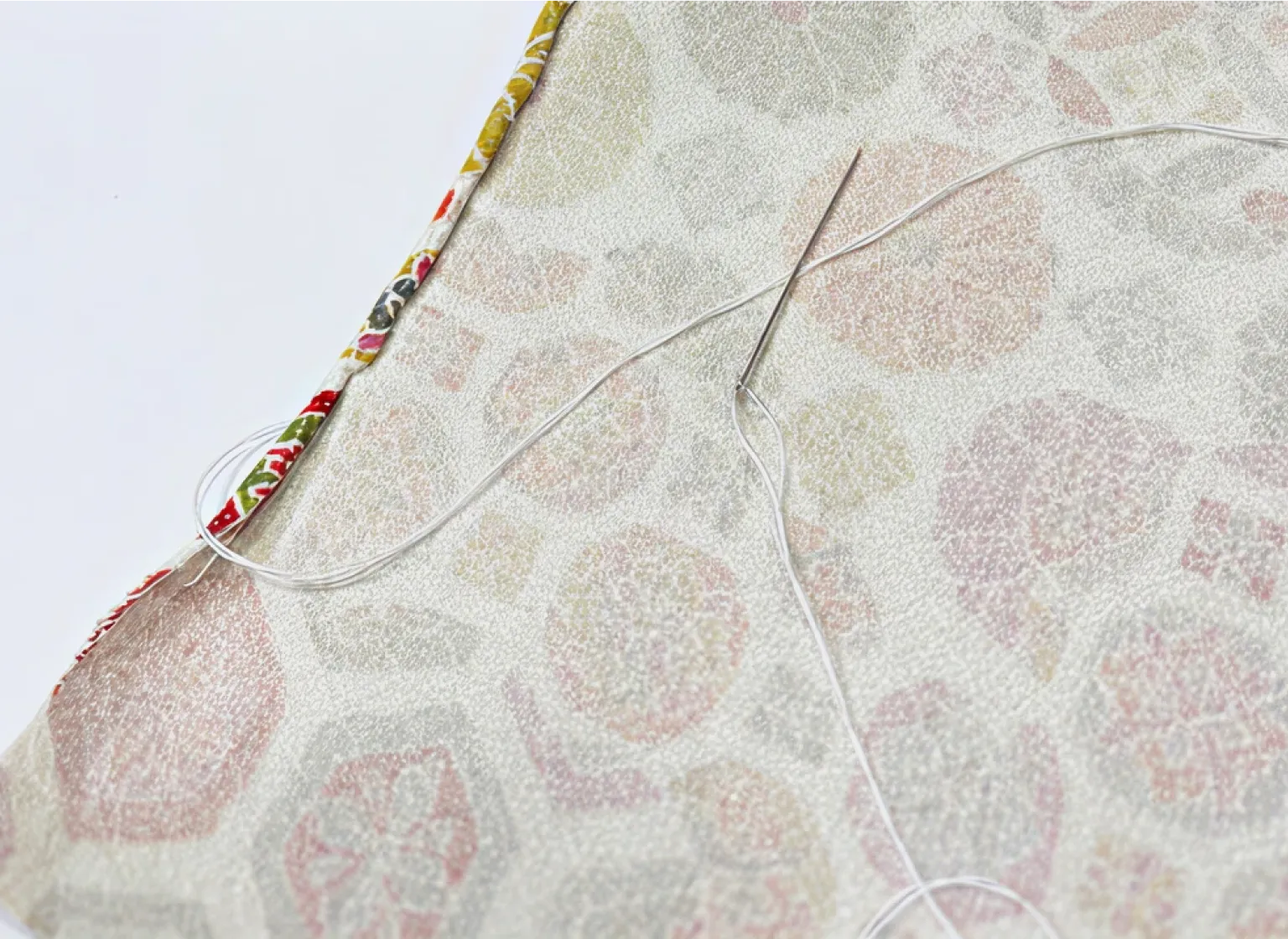
Tailles de foulards personnalisées pour tous les styles de portée
Les dimensions du foulard déterminent la manière dont votre produit est porté, stylisé et positionné sur le marché. Un bandana de 55 cm et une étole de 200 cm s'adressent à des utilisateurs finaux complètement différents ; de plus, la taille choisie affecte la consommation de tissu, la disposition de l'impression et la conception de l'emballage. Fixer ce paramètre dès le départ permet d'éviter des ajustements inutiles plus tard dans la production.
Nous produisons toutes les tailles standard de foulards et prenons en charge les dimensions entièrement personnalisées. Si votre plan de produit implique une taille non standard, nous évaluons sa faisabilité lors de l'échantillonnage et confirmons la spécification finale avant le début de la production.
Référence des tailles standard
- Foulard carré : 50×50 cm, 70×70 cm, 90×90 cm, 110×110 cm
- Foulard long : 170×55 cm, 180×65 cm, 200×70 cm
- Twilly : 5×90 cm, 7×120 cm
- Bandana & Foulard de tête : 55×55 cm, 60×60 cm, grandes tailles personnalisées disponibles.
- Châle & Étole : 130×130 cm, 200×70 cm et plus.
Vous ne savez pas quelle taille correspond à votre marché ? Indiquez-nous l'usage prévu pour le foulard et nous vous suggérerons les dimensions les plus adaptées à votre clientèle cible.
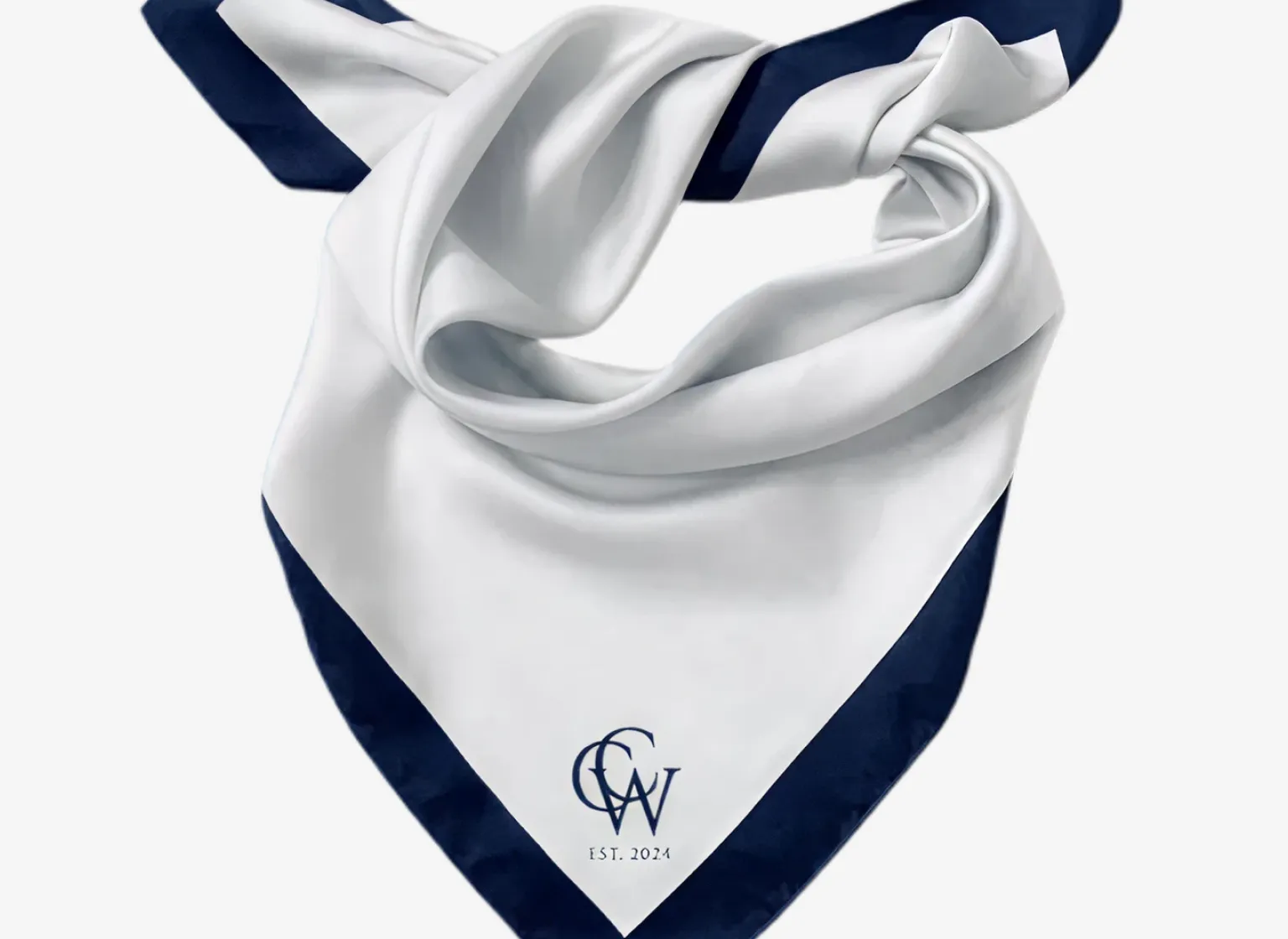
Options de finition des bords pour les foulards en soie
Sur un foulard en soie, le bord est l'un des premiers éléments qu'un acheteur remarque et touche. Il signale le niveau de qualité du produit plus immédiatement que presque tout autre détail. La méthode de finition choisie doit s'aligner sur le positionnement de votre marque, votre prix de vente cible et la manière dont le foulard sera exposé et manipulé.
Nous préparons la finition de bord sélectionnée sur le tissu de production réel lors de la phase d'échantillonnage, afin que vous puissiez juger de l'aspect et du toucher en personne avant la production en série.
Traitements de bords disponibles
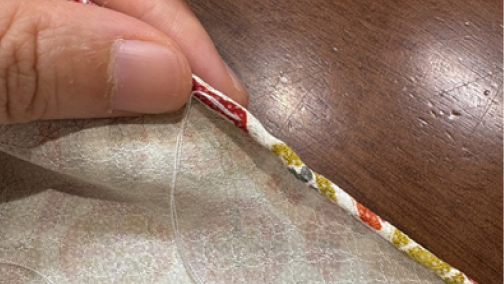
- Ourlet roulotté à la main : Chaque bord est roulé et cousu à la main. C'est la signature des foulards en soie de luxe. Il offre un bord souple et arrondi avec une finition visuelle raffinée. L'apport supérieur de main-d'œuvre se reflète dans le coût unitaire.
- Bord ourlé à la machine : Des coutures régulières et nettes pour les volumes de vente au détail et de gros de milieu de gamme. Fiabilité de la régularité d'un lot à l'autre avec une vitesse de production efficace.
- Bord frangé : Des franges naturelles qui ajoutent de la texture et du mouvement. Convient bien aux châles, étoles et longs foulards lorsqu'un esthétisme décontracté et artisanal est recherché.
- Bord découpé au laser : Thermoscellé pour empêcher l'effilochage, sans fil visible. Produit un profil net et minimaliste adapté aux styles de design contemporains et aux formats de soie légers.
Logo et branding pour les foulards en soie personnalisés
Votre logo et l'identité de votre marque sur un foulard en soie doivent être exécutés avec précision — le foulard est un produit visible et hautement tactile où la qualité du branding est jugée de près.
- Logo imprimé : Intégré directement dans le design du foulard lors de l'impression. Parfaitement fusionné avec la surface du tissu, sans texture ajoutée. Idéal lorsque le logo fait partie intégrante du motif général.
- Logo brodé : Cousu sur la surface du foulard avec une finition texturée et en relief. Apporte une perception premium sur les foulards de couleur unie.
- Étiquette tissée : Cousue dans l'ourlet ou sur le bord. C'est l'identification de produit standard de l'industrie pour la vente au détail et de gros.
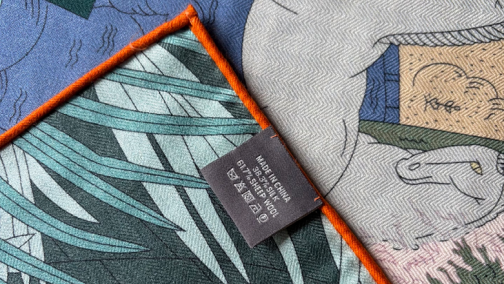
- Étiquette d'entretien personnalisée : Composition des fibres, instructions de lavage et origine adaptées à votre marché de destination.
- Étiquette suspendue (Hang Tag) personnalisée : Étiquette de marque pour la présentation en rayon et le conditionnement de vente au détail.
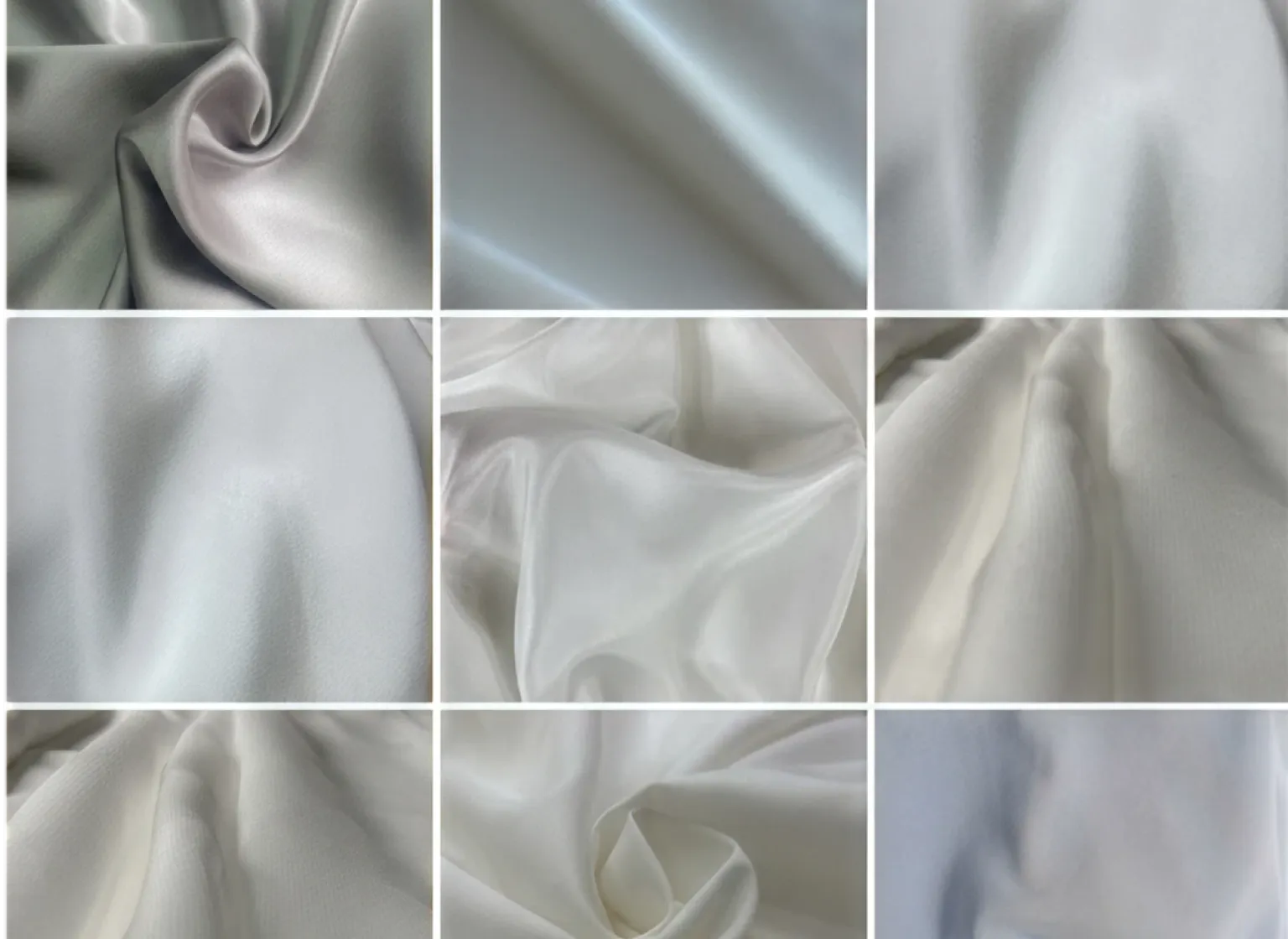
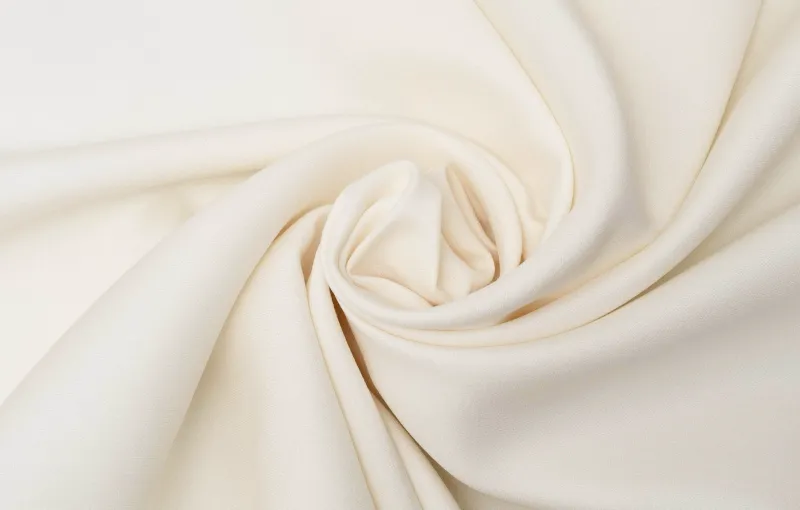
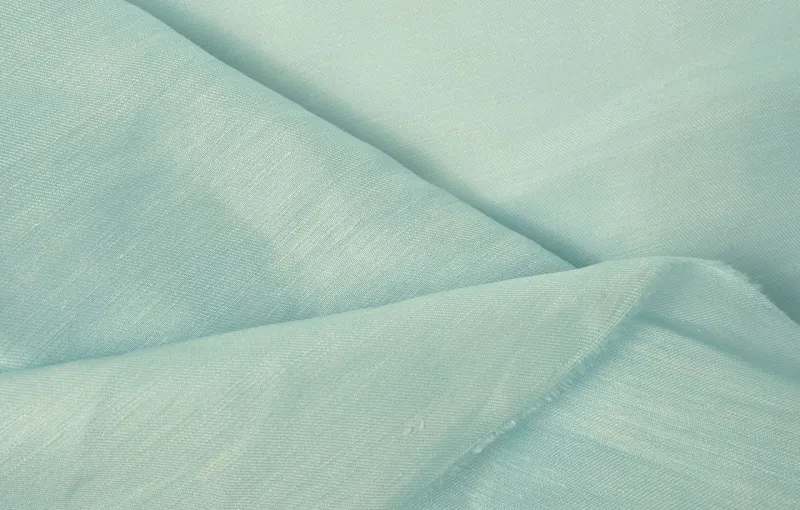
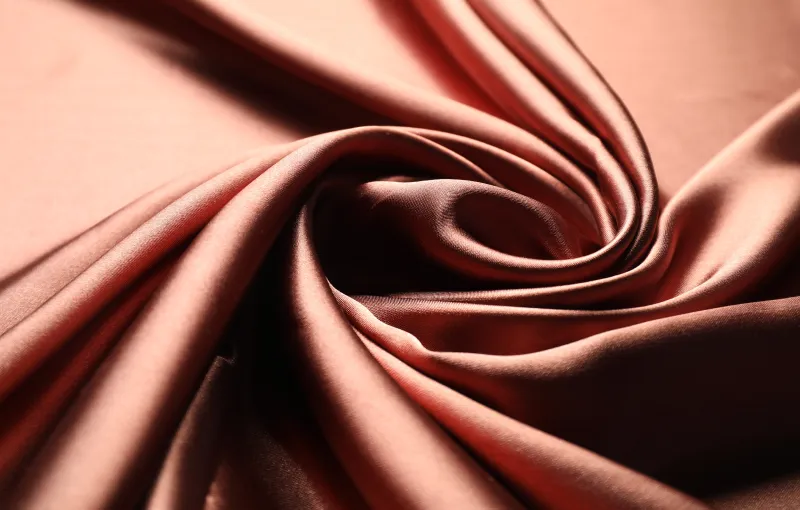
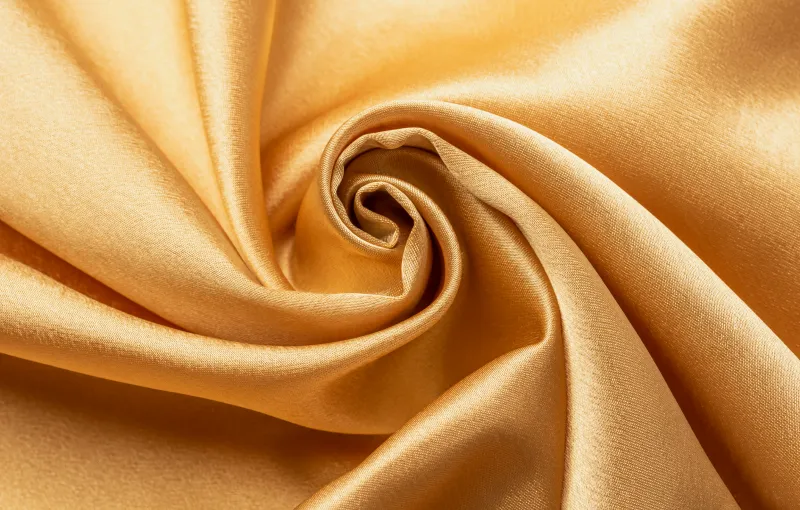
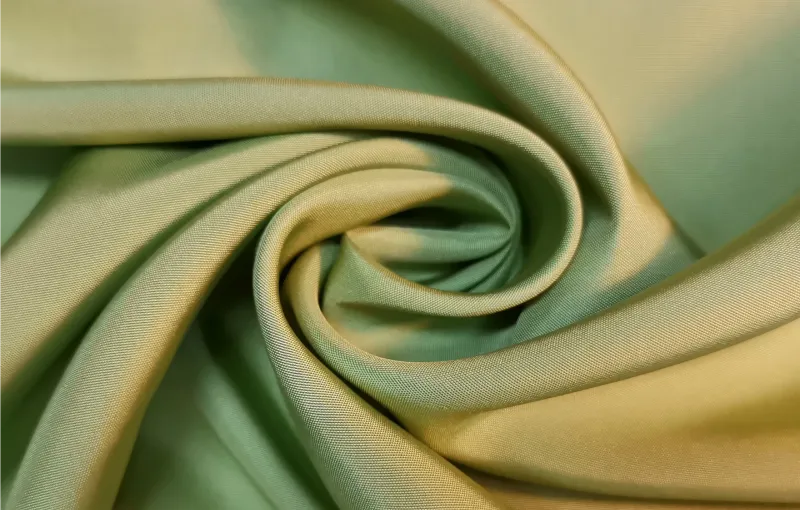
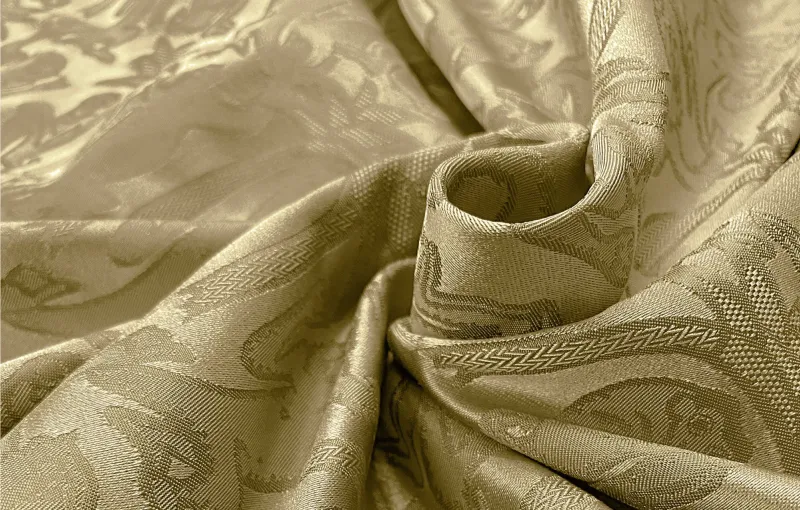
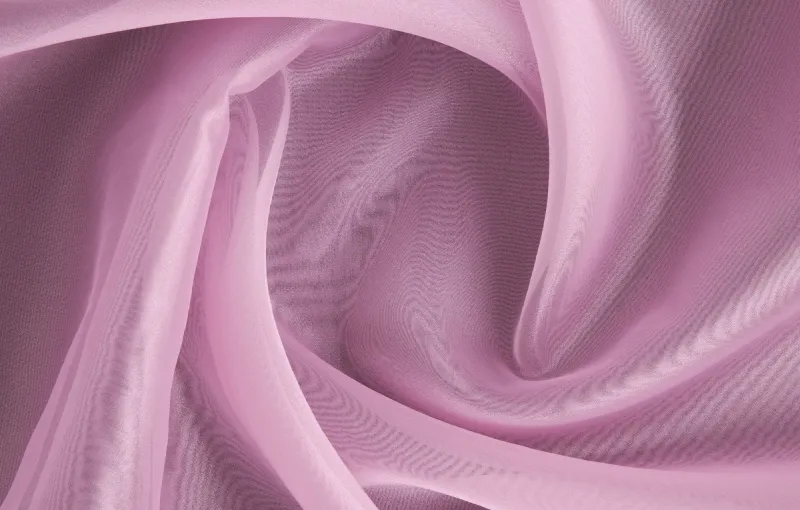
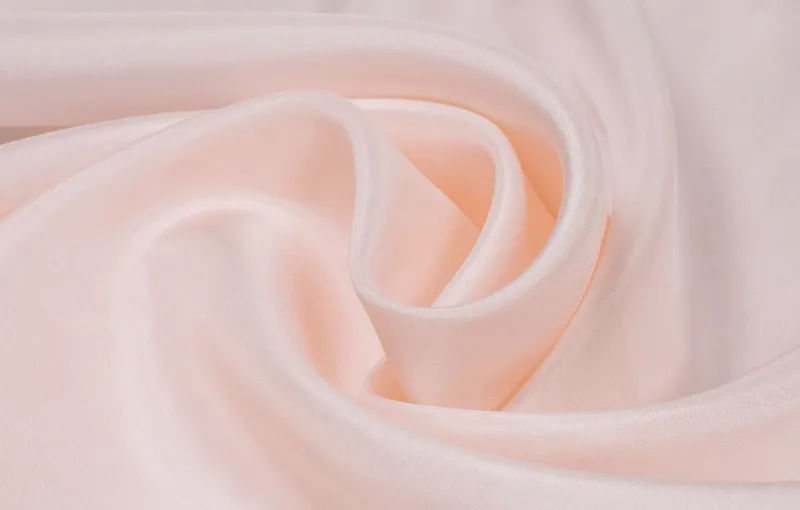
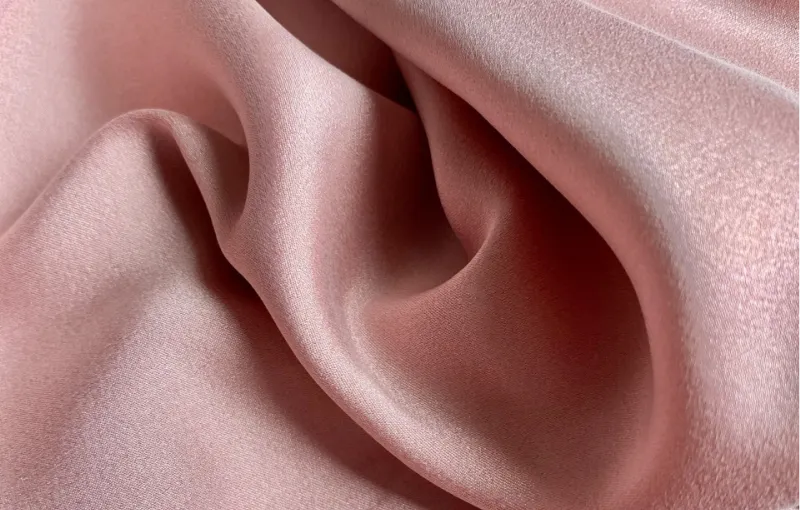
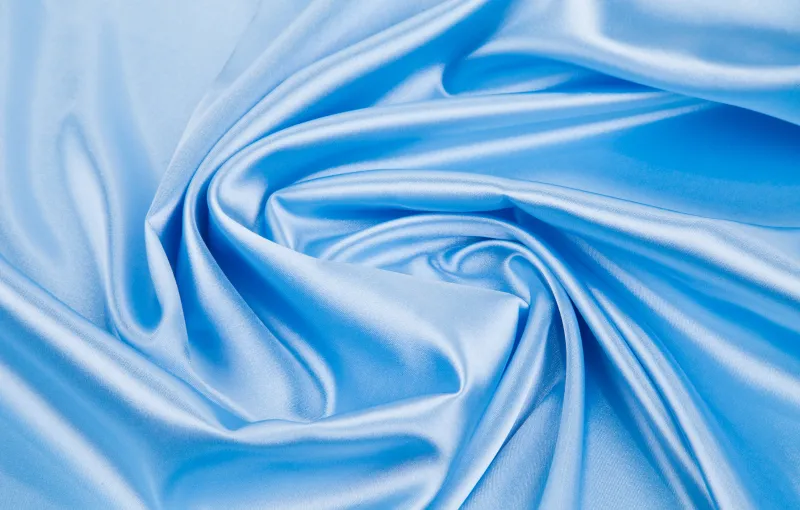
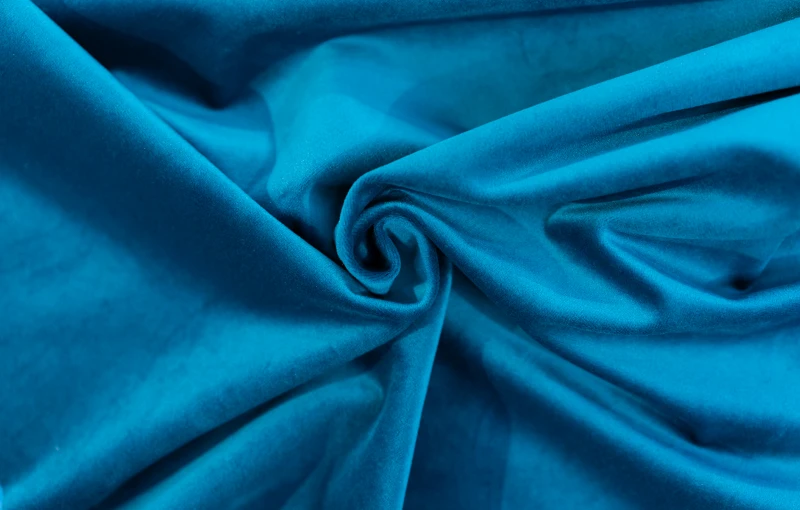
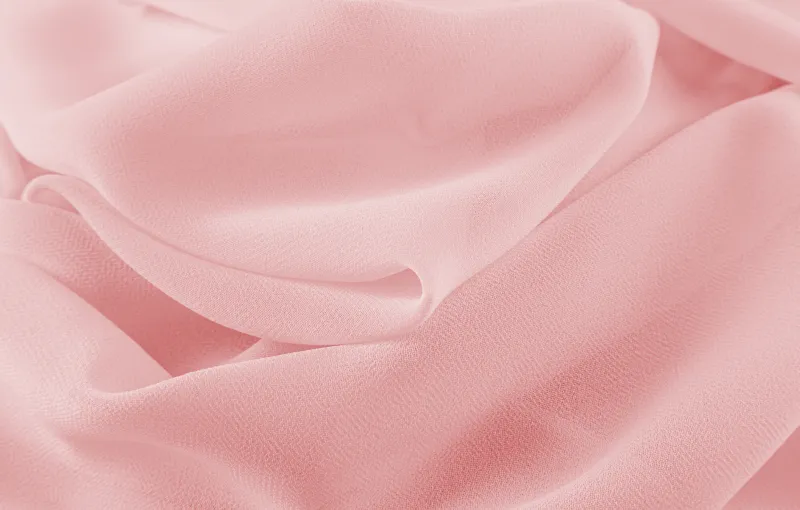
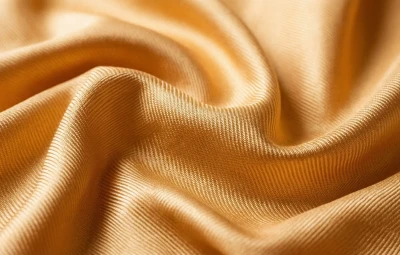
Our Silk Fabrics
Full range of pure silk and silk blend fabrics for your product development. All fabrics also available for standalone wholesale, custom dyeing, and printing orders.

CUSTOM PACKAGING OPTIONS
We provide a full range of packaging solutions for custom silk products, including Drawer Box, Magnetic Flip Box, Top & Bottom Lid Box, Folding Box, Silk Pouch / Satin Bag, OPP / PE Bag, Paper Bag, and Raphe Box. All options support brand printing, logo placement, and structural adjustments based on your product size. View our complete packaging options and details.
SEND YOUR INQUIRYOur Cases
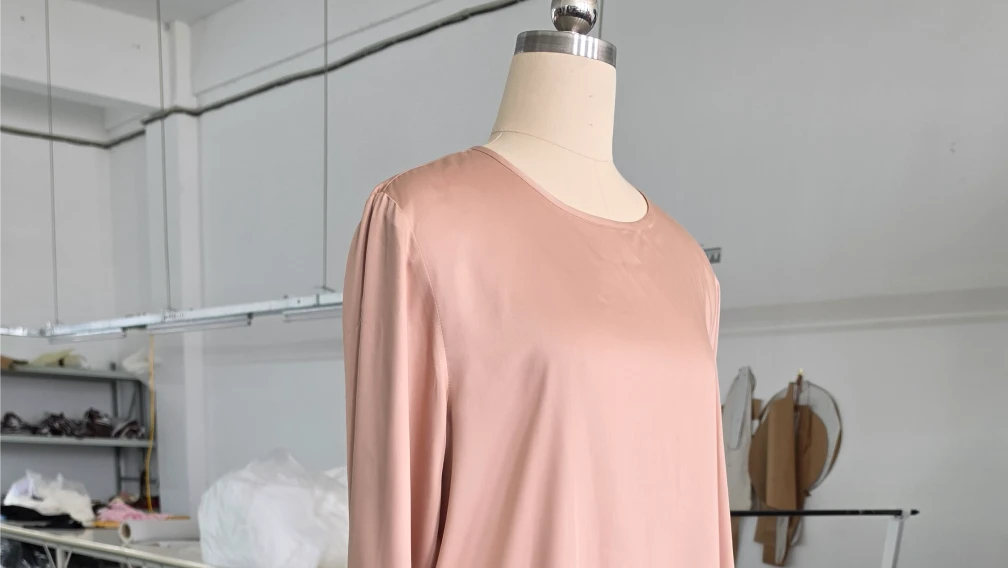
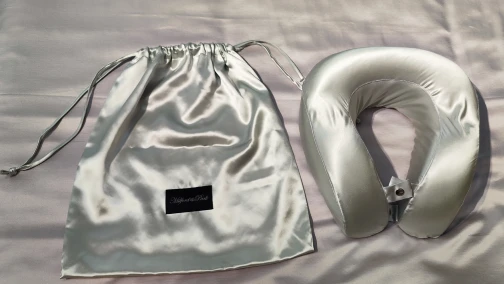
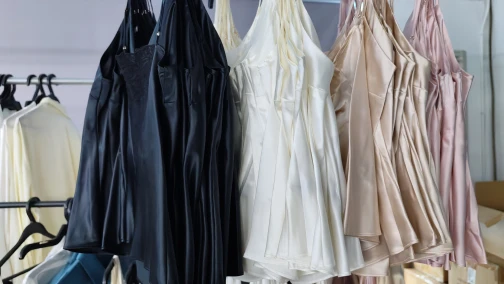
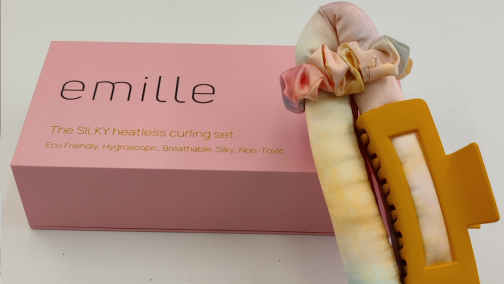
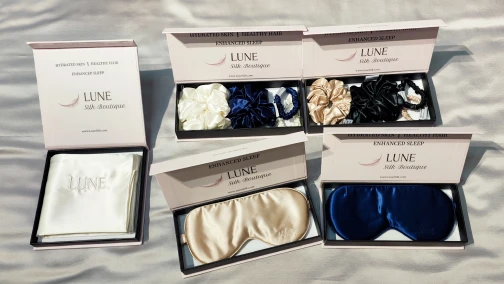
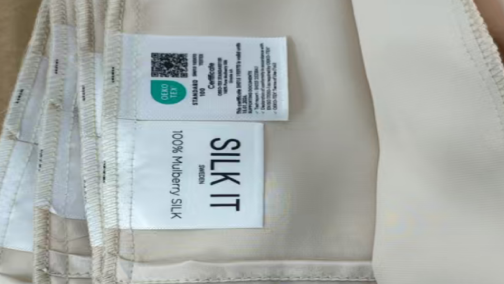
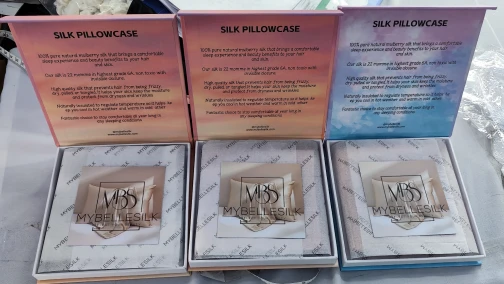
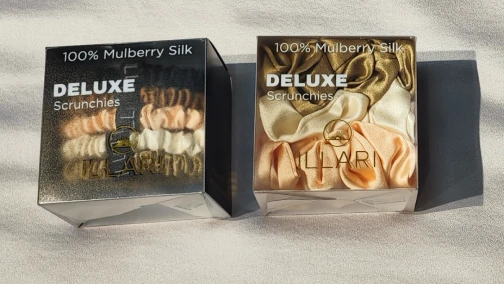
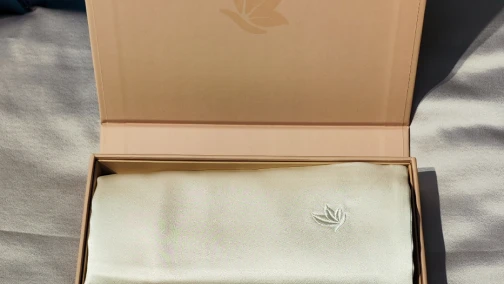
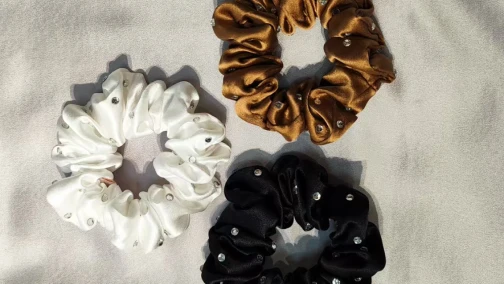
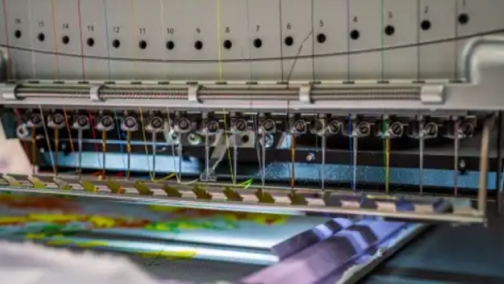
Chaque détail d'un foulard en soie fini reflète une décision de production spécifique. Voici comment nous traitons les trois détails que les clients remarquent en premier.
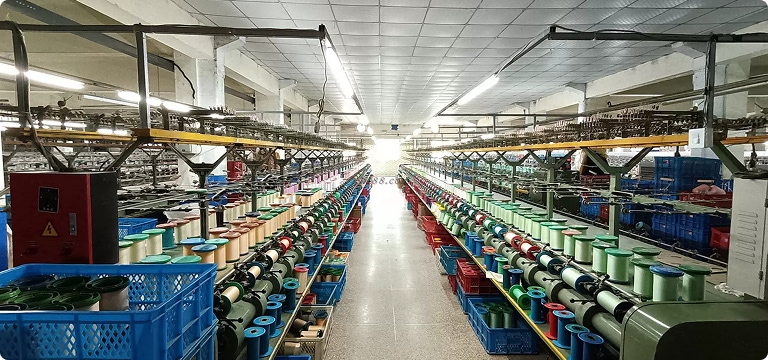
NOTRE SITE DE PRODUCTION
Le site de production de DreamSilk est basé à Suzhou et dispose d'un système de production complet pour les produits en soie sur mesure. Découvrir notre usine.
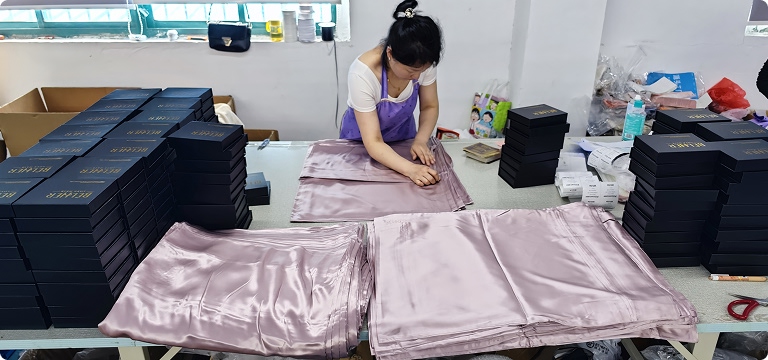
NOTRE GESTION DU SAVOIR-FAIRE ET DE LA QUALITÉ
Du prétraitement des tissus au contrôle des produits finis, chaque processus est exécuté selon des normes clairement définies. En savoir plus sur notre savoir-faire et notre gestion de la qualité.

La livraison a été plus rapide que prévu, et la qualité des produits correspondait parfaitement aux échantillons approuvés. La communication a été fluide tout au long du projet.
Les masques de nuit personnalisés pour notre événement professionnel présentaient une excellente qualité de finition, comparable à des cadeaux haut de gamme.
DreamSilk a fait preuve d'une grande coopération sur les motifs et la conception de l'emballage. Une collaboration très agréable dans l'ensemble.
La livraison a été plus rapide que prévu, et la qualité des produits correspondait parfaitement aux échantillons approuvés. La communication a été fluide tout au long du projet.
Les masques de nuit personnalisés pour notre événement professionnel présentaient une excellente qualité de finition, comparable à des cadeaux haut de gamme.
DreamSilk a fait preuve d'une grande coopération sur les motifs et la conception de l'emballage. Une collaboration très agréable dans l'ensemble.
FAQ
Nos services person n alis és de fou lar ds en so ie cou vr ent le développement de la ligne de produits de mar que , les cade aux et march and ises d ' entreprise , les projets de mar que priv ée et OEM / ODM , les lig nes de produits de commerce éle ctr oni que et les év én ements ou articles promotion nels . Que vous lan ce z une nouvelle collection d ' é char pes ou que vous avez besoin d ' un lot de cade aux de mar que unique , nous pouvons vous offr ir une solution correspond ante.
Nous propos ons l ' im pression num érique et l ' im pression sé rig ra phi que . L ' im pression num érique convient aux mo tifs complex es , aux cou le urs en gradi ent et aux projets de petits lots ou d ' im pression à la demande . La sé rig ra ph ie fonction ne mieux pour les concep tions avec des blo cs de cou le urs solid es et les command es de gros vol umes où la coh érence des lots et l ' effica cité des coûts sont des priorit és .
Comment sont fabriqués les foulards en soie personnalisés : Du design à la livraison
Comprendre le processus de production d'un foulard en soie personnalisé vous permet de prendre de meilleures décisions en matière de matériaux, de délais et de budget. Voici un aperçu étape par étape de la manière dont DreamSilk transforme votre concept de foulard en un produit fini, prêt à être livré.
Étape 1 : Discussion du projet et confirmation du design
Chaque projet de foulard en soie sur mesure commence par une discussion claire de vos exigences. Vous pouvez nous fournir des fichiers de conception finalisés, des images de référence ou simplement nous décrire votre concept de produit. Notre équipe de designers examine ces informations et travaille avec vous pour confirmer les dimensions du foulard, le type de tissu, la disposition des motifs, la méthode de finition des bords et tous les éléments de marque tels que les logos ou les étiquettes. Si vous avez besoin d'une assistance de conception, nous pouvons vous aider à développer des motifs en utilisant notre bibliothèque de designs ou créer des œuvres originales basées sur la direction de votre marque.
Étape 2 : Sélection du tissu et prétraitement
Une fois le design confirmé, nous sélectionnons le tissu de soie approprié en fonction des spécifications de votre projet. DreamSilk utilise principalement de la soie de mûrier 100 % de grade 6A, certifiée OEKO-TEX® Standard 100. Le tissu choisi passe par une étape de prétraitement avant d'entrer dans la phase d'impression ou de couture. Le prétraitement stabilise la surface de la soie, réduit le rétrécissement lors des processus ultérieurs et améliore l'adhérence de l'encre pour l'impression. Cette étape est essentielle pour obtenir une performance de couleur constante et une stabilité dimensionnelle sur le foulard fini.
Étape 3 : Impression
L'étape d'impression transfère votre design confirmé sur le tissu de soie préparé. L'impression numérique est utilisée pour les motifs présentant des détails fins, des effets de dégradé ou un grand nombre de couleurs ; elle constitue également la méthode standard pour les projets en petite série et l'impression à la demande. L'impression au cadre (sérigraphie) est appliquée aux designs comportant des blocs de couleur nets, pour lesquels une forte saturation des couleurs et une rentabilité économique au volume sont nécessaires. Avant de lancer l'impression en série, nous produisons un échantillon d'impression sur le tissu de production réel pour obtenir votre approbation des couleurs et des motifs.
Étape 4 : Découpe
La soie est un matériau naturellement doux et glissant, ce qui rend la découpe précise plus exigeante que pour la plupart des autres tissus. Lors de la découpe, nous contrôlons l'alignement du motif, le sens du grain du tissu et la précision dimensionnelle pour garantir que chaque pièce respecte les spécifications de taille confirmées. Pour les foulards aux motifs symétriques ou continus, la disposition de la découpe est planifiée à l'avance afin de maintenir la cohérence du design sur chaque bord du produit fini.
Étape 5 : Finition des bords et couture
Après la découpe, chaque pièce de foulard passe à la finition des bords. La méthode appliquée dépend de ce qui a été validé lors de l'échantillonnage : des ourlets roulottés à la main pour un positionnement de luxe, des bords ourlés à la machine pour une production de milieu de gamme, des bords frangés pour les châles et les styles décontractés, ou des bords découpés au laser pour un look contemporain et épuré. Si le projet inclut des logos brodés, la broderie est réalisée à cette étape avec une densité de points et une tension de fil contrôlées afin d'éviter toute déformation de la surface de la soie.
Étape 6 : Contrôle qualité
Chaque foulard fini est inspecté avant de passer à l'étape du conditionnement. L'inspection couvre la précision des couleurs par rapport à l'échantillon approuvé, la cohérence dimensionnelle, la qualité de la finition des bords, la clarté de l'impression et l'état général de la surface. Les foulards qui ne répondent pas aux normes confirmées sont écartés du lot de livraison. Ce processus garantit que ce que vous recevez correspond exactement à ce que vous avez approuvé lors de l'échantillonnage.
Étape 7 : Conditionnement et livraison
Après avoir passé l'inspection avec succès, les foulards sont pliés, enveloppés et emballés conformément à vos spécifications de conditionnement confirmées. Les éléments d'emballage personnalisés, notamment les boîtes de marque, les pochettes en soie, les étiquettes suspendues et les étiquettes d'entretien, sont assemblés à cette étape. Les marchandises finies sont ensuite remises au prestataire logistique pour l'expédition, et les informations de suivi vous sont partagées dès l'envoi.
Entretien de votre foulard en soie
Les foulards en soie nécessitent une manipulation délicate pour conserver leur éclat et leur douceur au fil du temps. Des méthodes de lavage, de séchage et de stockage appropriées peuvent prolonger considérablement la durée de vie d'un foulard en soie. Si vous développez une ligne de produits ou si vous fournissez des conseils d'entretien à vos clients finaux, notre article sur comment entretenir les foulards en soie traite de ces points clés en détail.
Comment identifier la vraie soie
Pour les marques et les acheteurs qui s'approvisionnent en produits de soie, savoir comment vérifier qu'un foulard est fabriqué à partir de soie véritable est une préoccupation pratique. La composition du matériau affecte la valeur du produit, son positionnement sur le marché et la confiance des clients. Nous avons préparé un guide sur comment savoir si un foulard est en soie qui explique les méthodes d'identification courantes utilisées dans l'industrie.
Comprendre le foulard en soie en tant que catégorie de produit
Si vous êtes nouveau sur le marché du foulard en soie ou si vous l'évaluez comme une catégorie de produit pour votre marque, comprendre ce qui définit un foulard en soie en termes de matériau, de construction et d'application commerciale constitue un point de départ utile. Notre aperçu de ce qu'est un foulard en soie couvre les bases pour les acheteurs et les planificateurs de marque qui se lancent dans cet espace.
Style et présentation
La façon dont un foulard en soie est plié et noué affecte sa présentation visuelle, tant pour l'affichage en magasin que pour l'expérience de l'utilisateur final. Pour les marques qui planifient des photographies de produits, des inserts d'emballage ou des guides de style destinés aux clients, il est utile de comprendre les techniques courantes de pliage et de nouage. Nous couvrons ces méthodes pratiques dans nos guides sur comment plier un foulard en soie et comment nouer un foulard en soie.