

Nieuws uit de Europese zijde-industrie, medio 2026: biotech-opschaling in Frankrijk, EU-traceerbaarheid gaat live en nearshoring in Como


De afgelopen drie maanden brachten Europese zijde-inkopers een duidelijke reeks signalen: gemanipuleerd zijde-eiwit schaalt op op Franse bodem, het producttraceerbaarheidssysteem van de EU voor textiel werd ingeschakeld, het Italiaanse district Como bleef luxeproductie terughalen uit Aziatische toeleveringsketens, en ruwe zijde bleef stevig in Chinese handen met licht stijgende prijzen. Dit is wat er gebeurde tussen april en juli 2026, en wat elke ontwikkeling betekent voor merken die zijde inkopen voor de Europese markt.
Biotech-zijde schaalt op naar industriële volumes in Frankrijk
Op 8 juli 2026 ondertekenden het Duitse biomaterialenbedrijf AMSilk en Ajinomoto Foods Europe een langlopende productie- en leveringsovereenkomst om AMSilks zijde-eiwitten te produceren op een aparte productielijn in Nesle, Frankrijk, gebouwd op fermentatiereactoren van 160 m³ en gericht op honderden tonnen per jaar. De lijn brengt het project van de validatiefase naar een vastgelegde, grootschalige productie, ondersteund door een gezamenlijke investering van meerdere miljoenen. Het gaat om via fermentatie gemaakt zijde-eiwit, ontwikkeld op basis van spinnenzijdesequenties, en het is een ander materiaal dan geweven moerbeizijde. De markten hiervoor zijn textiel, de auto-industrie en consumentenverzorging, waar het werkt als een prestatiemateriaal of een mengcomponent. Het zal de traditionele zijden stof voor beddengoed, sjaals of kleding niet vervangen. Het laat wel zien dat gemanipuleerde zijde nu echte industriële capaciteit heeft binnen Europa, wat vooral van belang is voor technische en gemengde textieltoepassingen in plaats van de luxe zijdehandel.
Het Digitaal Productpaspoort van de EU wordt ingeschakeld voor textiel
Op 19 juli 2026 is de Verordening inzake ecologisch ontwerp voor duurzame producten (ESPR) volledig van toepassing geworden en is het centrale register voor het Digitaal Productpaspoort (DPP) van de EU live gegaan. Dit is de inschakeling van het kader, nog geen productverplichting. Er is nog geen textielspecifieke regel in werking getreden, dus de eerste harde wettelijke verplichting ligt nog steeds bij batterijen vanaf begin 2027. Voor zijde en de bredere textielsector is de richting bepaald: textiel is een prioritaire categorie, de gedelegeerde handeling voor textiel wordt rond 2027 verwacht, en verplichte paspoorten zijn realistisch gezien niet eerder dan 2028 te verwachten, na een overgangsperiode van 18 maanden zodra de handeling is aangenomen.
De praktische vorm van een textielpaspoort is al zichtbaar uit de huidige ontwerpen:
- Vezel- en samenstellingsgegevens. Merken zullen moeten vermelden wat de stof is en dit moeten kunnen documenteren.
- Geverifieerde herkomst. Het land van productie en de gegevens van de toeleveringsketen worden onderdeel van het paspoort, gekoppeld aan een QR-code of een vergelijkbare gegevensdrager.
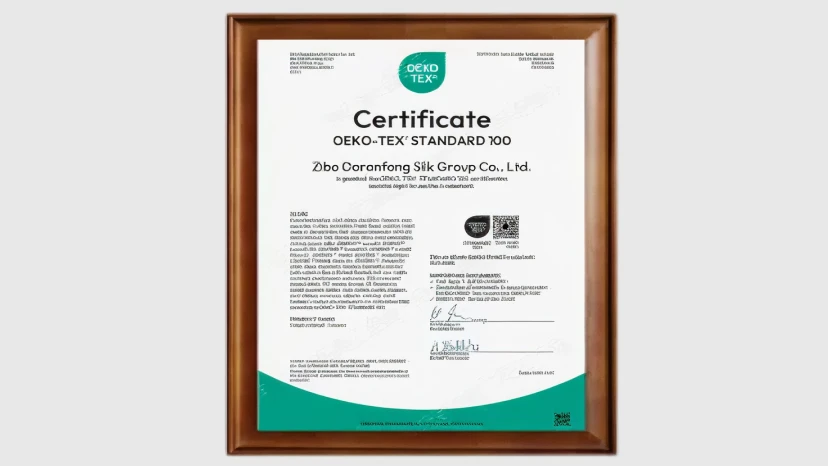
- Chemische naleving en certificering. Door testen onderbouwde gegevens vervangen marketingtaal, zodat leveranciers die al in het bezit zijn van OEKO-TEX STANDARD 100 en hun herkomst kunnen bewijzen, een voorsprong hebben.
De regels gelden ook voor fabrikanten buiten de EU. Elke producent die zijdeproducten op de EU-markt brengt, inclusief fabrieken in Azië, zal aan dezelfde eisen moeten voldoen zodra de textielwet van toepassing is. Vroegtijdige data mapping is de goedkope manier om u voor te bereiden; het achteraf aanpassen onder tijdsdruk is dat niet.
Como past nearshoring toe en investeert in digitaal printen
Het Italiaanse district Como, dat ongeveer 80% van de in Europa geweven zijde levert en sjaals bedrukt voor huizen als Hermès, Chanel en Etro, bleef in de eerste helft van 2026 luxeproductie terughalen uit Aziatische toeleveringsketens. Handelsrapportages over het district wijzen op een gestage waardegroei (lage enkele cijfers) en een voorspelde investering van €45–50 miljoen in digitale afwerkingsapparatuur voor 2025 en 2026. Digitaal textielprinten beslaat nu naar schatting 35–40% van de monsterproductie en 15–18% van de bulkoplages, in samenwerking met traditionele rotatie- en handzeefdruk voor de opdrachten met de hoogste waarde. Como's beurs voor meubeltextiel, Proposte, hield begin mei haar 33e editie in Villa Erba aan het Comomeer, en trok fabrikanten uit heel Europa.
De aantrekkingskracht van nearshoring is reëel, maar het stuit op een grens aan beschikbare arbeidskrachten. De inschrijvingen voor lokale opleidingen in textieltechnologie daalden tussen 2020 en 2024 met ongeveer 15%, waardoor zowel de functies voor ambachtelijk handwerk als die voor digitaal printen moeilijk te vervullen zijn. Voor merken is de conclusie dat de Europese zijdecapaciteit investeert in snelheid en maatwerk, terwijl de kosten en het volume voor afgewerkte moerbeizijde nog steeds in het voordeel van gevestigde Aziatische fabrikanten vallen.
Ruwe zijde blijft door China geleid en de prijzen blijven stevig
China bleef tot begin 2026 het anker van de wereldwijde toevoer van ruwe zijde. Het produceerde in 2024 ongeveer 49.000 ton en exporteerde meer dan 60% van de wereldwijde ruwe zijde, met India op de tweede plaats en Roemenië als Europa's belangrijkste binnenlandse basis. Prijsgegevens tot en met het eerste kwartaal van 2026 toonden aan dat ruwe zijde licht in prijs steeg: de Chinese 3A (20/22D) exportkwaliteiten bleven stevig en importprijzen in markten zoals Duitsland, India en de VS stegen met lage enkele cijfers, vóór een milde seizoensgebonden daling in maart. Dit patroon weerspiegelt een textielmarkt die zich geleidelijk herstelt en een aanhoudende afhankelijkheid van de Chinese zijdeteelt. Voor Europese kopers houdt dit de inkoopkosten stabiel maar wel kwetsbaar, aangezien de prijzen van ruwe zijde de omstandigheden volgen in een handvol producerende landen, en elke agrarische of handelsverschuiving daar snel doorwerkt in de stofkosten.
Wat het betekent voor merken die zijde inkopen
Drie van deze vier verhalen wijzen in dezelfde richting. Traceerbaarheid, certificering en gedocumenteerde herkomst verplaatsen zich naar het centrum van de Europese zijde-inkoop, en de merken die dit nu al vastleggen, zullen de DPP-hindernis later met de minste wrijving nemen. Het vierde signaal, stevige prijzen voor ruwe zijde, beloont leveranciers die kwaliteit en consistentie vasthouden in plaats van alleen te concurreren op prijs.
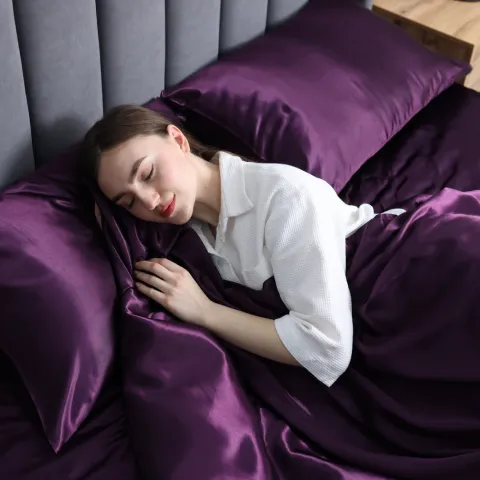
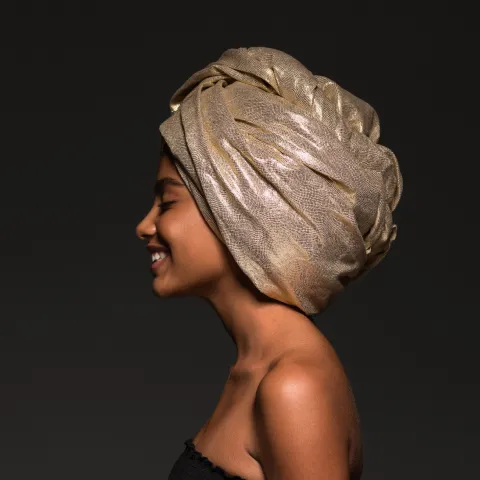
DreamSilk levert OEKO-TEX STANDARD 100 gecertificeerde moerbeizijde van Grade 6A voor op maat gemaakt zijden beddengoed, zijden sjaals en charmeuse stof, met gedocumenteerde herkomst en certificering in ons dossier om de gereedheid voor DPP te ondersteunen — zie onze certificeringen. Neem contact met ons op voor specificaties, stalen en nalevingsdocumentatie.