Niestandardowe Jedwabne Piżamy: Przewodnik B2B po Tkaninach, Konstrukcji Szwów, Rozmiarach i Dodatkach


Jedwabne piżamy stanowią jedną z najbardziej wymagających komercyjnie kategorii w produkcji odzieży jedwabnej. W przeciwieństwie do elastycznych dzianin lub luźnych ubrań bawełnianych, tkana jedwabna charmeuse nie ma w ogóle elastycznej rozciągliwości. Ubranie musi jednocześnie wytrzymać naprężenia w szwach podczas ruchu, zapewniając przy tym nieskrępowany fizyczny komfort podczas snu. Kiedy klient detaliczny przewraca się w łóżku, skoncentrowane siły ścinające oddziałują bezpośrednio na tylny karczek, pachy i szwy w kroku.
Marki rozszerzające swoją działalność o niestandardową bieliznę nocną z jedwabiu często traktują piżamy jako proste dwuczęściowe elementy cięte i szyte. Rezultatem są często wysokie wskaźniki zwrotów spowodowane zsuwaniem się szwów, marszczeniem tkaniny i kurczeniem się po praniu. Gotowy do produkcji pakiet technologiczny musi zawierać ścisłe specyfikacje obejmujące siedem parametrów produkcyjnych: wybór gramatury momme, protokoły wstępnego kurczenia tkaniny, architekturę szwów, gęstość ściegu, mocowanie dodatków, naddatki luzu na wzorze i optymalizację wydajności metrażu.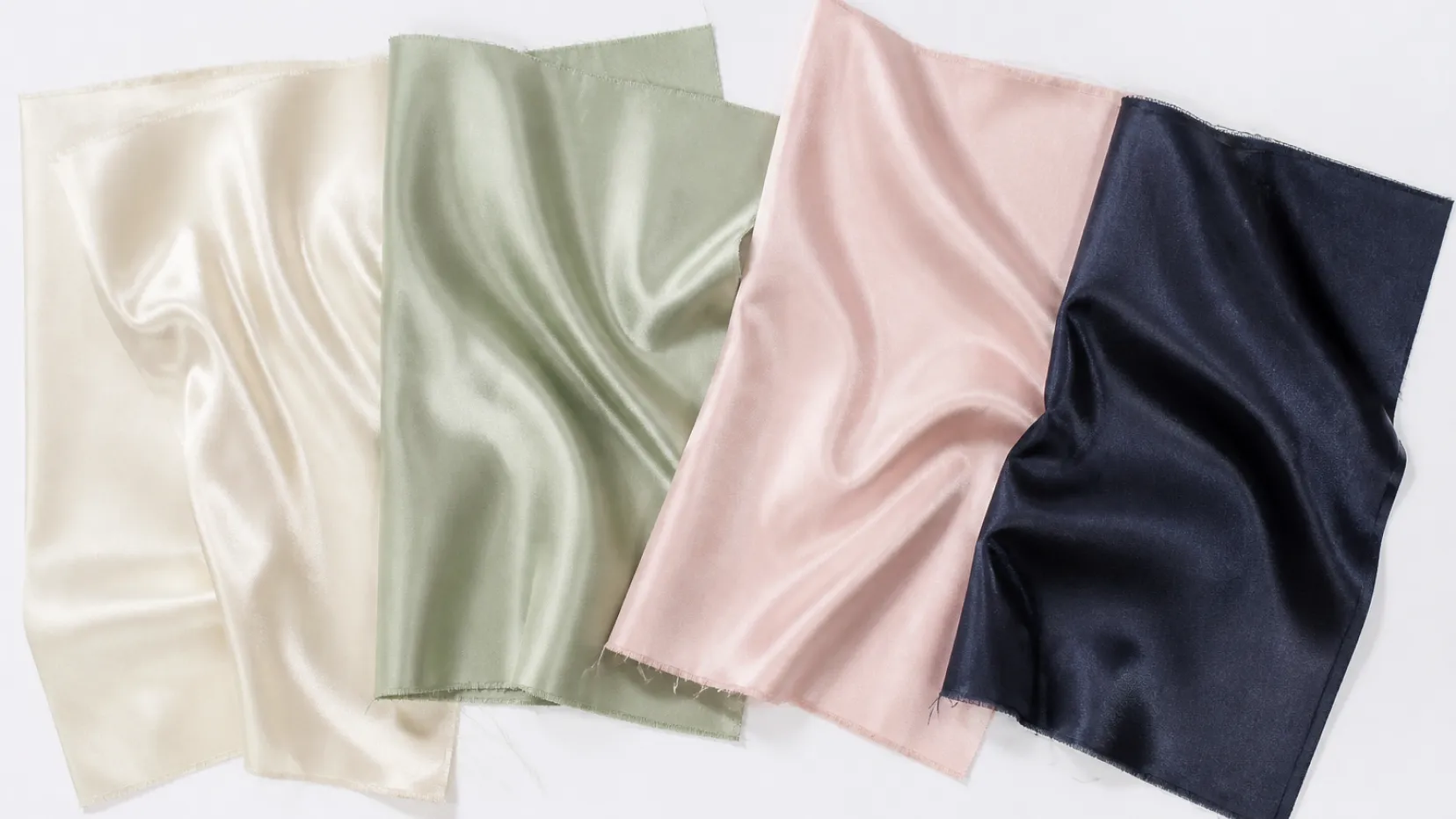
Komercyjny program niestandardowych jedwabnych piżam definiuje się poprzez jedwab morwowy klasy 6A o gramaturze 19 do 22 momme, całkowicie zamknięte szwy francuskie zszywane od 11 do 13 ściegów na cal, wstępnie skurczony metraż tkaniny, naturalne guziki z muszli lub na nóżce, oraz od 8 do 12 cm naddatku luzu względem wymiarów ciała. Zablokowanie tych parametrów technicznych przed masowym krojeniem zapobiega deformacji wzoru, zsuwaniu się szwów i niestabilności wymiarowej po praniu.
1. Wybór Tkaniny: Charmeuse 19 mm kontra 22 mm oraz Mieszanki Elastyczne
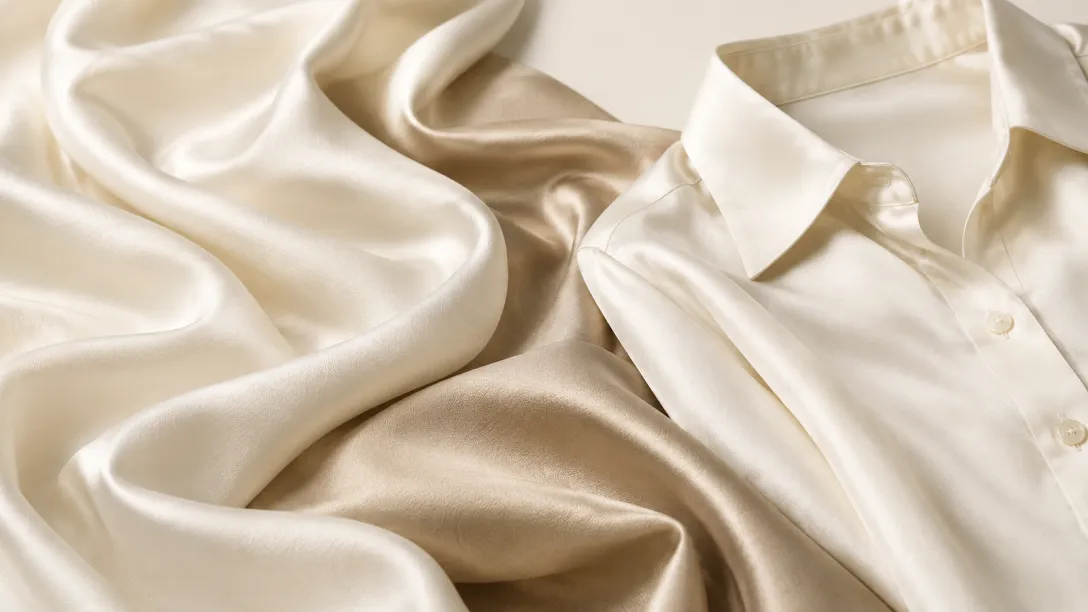
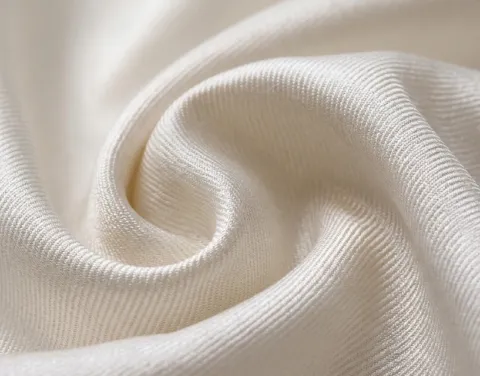
Trzon każdego programu jedwabnej bielizny nocnej stanowi podstawowa tkanina. W przypadku tkanej bielizny nocnej morwowa tkanina jedwabna charmeuse pozostaje komercyjnym punktem odniesienia ze względu na swoją satynową stronę, niskie tarcie powierzchniowe i matowy spód krepy. Wybór pomiędzy wagami momme wymaga zrównoważenia architektury cen detalicznych z trwałością szwów i nieprzezroczystością.
Jedwabna Charmeuse 19 Momme: Stanowi podstawę klasy podstawowej dla odzieży nocnej premium. Przy około 82 gramach na metr kwadratowy (gsm), 19 momme zapewnia płynne, cieczące układanie i uczucie lekkości na ciele. Pasuje do kolekcji wiosennych i letnich oraz do promocyjnych poziomów cen detalicznych. Jednakże lżejsze ciężary wykazują mniejszą odporność na rozciąganie w punktach naprężeń. Przy obcisłych krojach tkanina 19 momme może ulegać deformacji przędzy na łączeniach kieszeni i szwach pośladków, jeśli naddatki rozmiaru są niewystarczające.
Jedwabna Charmeuse 22 Momme: Ważąc około 95 gsm, 22 momme stanowi luksusowy standard dla cięższej bielizny nocnej. Większa liczba nitek osnowy i wątku zwiększa odporność tkaniny na zsuwanie się szwów o ponad 30% w porównaniu do 19 momme. Zapewnia to lepszą nieprzezroczystość w jaśniejszych kolorach (takich jak kość słoniowa, szampan i róż), jest odporne na zagniecenia podczas noszenia i wydłuża okres prania odzieży. W przypadku flagowych kolekcji detalicznych sprzedawanych w cenie powyżej 200 USD za komplet, zalecana jest specyfikacja 22 momme.
Elastyczna Jedwabna Charmeuse (94% Jedwab, 6% Spandex): W przypadku nowoczesnych, dopasowanych fasonów piżam lub dopasowanej odzieży domowej brak elastyczności czystego jedwabiu może ograniczać swobodę ruchów. Zastosowanie 6% elastanu do wątku pozwala na poziome rozciągnięcie tkaniny nawet o 15%. Taka mechaniczna elastyczność zmniejsza miejscowe napięcia w górnej części pleców i na kolanach podczas snu, zapobiegając w ten sposób pękaniu szwów w szczuplejszych fasonach.
| Specyfikacja Tkaniny | Waga (GSM) | Wytrzymałość na Rozciąganie / Szwu | Nieprzezroczystość | Główne Zastosowanie |
|---|---|---|---|---|
| Charmeuse 19 Momme | ~81.8 gsm | Umiarkowana (wymaga luźnego kroju) | Półprzezroczysta w bladych odcieniach | Podstawowa sprzedaż detaliczna, letnia odzież nocna |
| Charmeuse 22 Momme | ~94.7 gsm | Wysoka (doskonała stabilność szwów) | Całkowicie nieprzezroczysta we wszystkich kolorach | Luksusowa flaga, komplety ślubne |
| Elastyczna Charmeuse 19 Momme | ~86.0 gsm | Wysoka (odzyskiwanie elastyczności) | Niprzezroczysta do półprzezroczystej | Dopasowany krój, nowoczesna odzież domowa |
| Charmeuse 25 Momme | ~107.6 gsm | Ekstremalna (uczucie ciężaru w dłoni) | Całkowicie nieprzezroczysta | Komplety zimowe, szlafroki strukturalne |
2. Wstępne Kurczenie Tkaniny i Stabilność Wymiarowa
Jedną z głównych przyczyn negatywnych opinii konsumentów na temat odzieży jedwabnej jest deformatowanie się po praniu. Surowe włókno jedwabiu morwowego w sposób naturalny kurczy się pod wpływem wilgoci i czynników mechanicznych. Standardowa, niezabezpieczona charmeuse jedwabna wykazuje szczątkowy współczynnik kurczenia na poziomie od 3% do 6% w przypadku osnowy i od 2% do 4% w przypadku wątku podczas pierwszego prania na mokro.
W spodniach piżamy z wewnętrznym szwem wynoszącym 80 cm, 5% skurczu osnowy powoduje stałą utratę długości spodni o 4 cm. Jeśli klient raz upierze odzież i nogawki zauważalnie się skrócą, zwrot jest natychmiastowy. W przypadku marek budujących kapitał długoterminowy opieranie się na przestrzeganiu przez konsumenta wyłącznie instrukcji dotyczących czyszczenia chemicznego jest nieodpowiednią strategią zarządzania ryzykiem.
Na etapie fabryki należy zapewnić stabilność wymiarową przed cięciem wzorów, stosując kontrolowane protokoły wstępnego kurczenia:
- Ciągłe Dekatowanie Parą: Przepuszczanie barwionego metrażu przez komorę dekatyzacji pary o otwartej szerokości łagodzi wewnętrzne naprężenia powstałe podczas etapów tkania i suszenia. Proces ten stabilizuje kurczenie poniżej 1,5%.
- Wstępne Pranie w Wodzie (Symulacja Prania Odzieży): W przypadku kolekcji sprzedawanych jako nadające się do prania ręcznego metraż przechodzi przemysłowe pranie w zimnej wodzie, a następnie suszenie bez naciągania. To mechaniczne wstępne rozluźnienie w pełni wykorzystuje skurcz włókien przed dostaniem się tkaniny na stół do krojenia.
- Badanie Tolerancji: Próbka wielkości 50 cm x 50 cm jest wycinana z każdej partii prana zgodnie ze wskazaniami na etykiecie pielęgnacyjnej i mierzona w pięciu punktach w celu potwierdzenia, że zmienność wymiarowa mieści się w dopuszczalnym zakresie 1,5%.
3. Inżynieria Szwów: Szwy Francuskie i Standardy Ilości Ściegów na Cal
Wewnętrzne wykończenie jedwabnej piżamy ujawnia standardy techniczne producenta. Szwy obrzucone owerlokiem (zszywane) stanowią standard w odzieży fast fashion, lecz w przypadku luksusowej bielizny z jedwabiu są nie do przyjęcia. Łańcuszki nici owerlokowej wytwarzają ścierne tarcie o skórę, a wystawione krawędzie po cięciu z plecionego jedwabiu z czasem zniszczą się po praniu.
Protokół Szwów Francuskich: Bielizna z jedwabiu wymaga całkowicie zamkniętych szwów francuskich (szwów dwukrotnie zagiętych) na szwach bocznych, szwach naramiennych, szwach wewnętrznych rękawów oraz zewnętrznych/wewnętrznych szwach spodni. We szwie francuskim surowe krawędzie po ucięciu są zaszyte po wewnętrznej stronie, równo wycięte do rozmiaru 3 mm, przewrócone z powrotem na właściwą stronę i zaszyte z wierzchu. Całkowita szerokość wykończonego szwu powinna wynosić między 5 a 6 mm. Zewnętrzna ani wewnętrzna strona nie zostawia wolnych włókien lub fragmentów włókien na zewnątrz odzieży.
Gęstość Ściegu (SPI): Ilość ściegów na cal wyznacza siłę szwu oraz kwestie estetyczne. Dla jedwabnej tkaniny 19 oraz 22 momme maszyny szyjące muszą być dostosowane od 11 do 13 uderzeń na cal. Gęstość uderzeń poniżej 10 przy bocznym szwie tworzy luki, co powoduje rozluźnianie się nitek tkaniny po ułożeniu (ścieg uderza z włókna). Z drugiej strony liczba uderzeń większa niż 15 tworzy w materiale zbyt wiele dziur po igle, a po wyschnięciu zrywa to gładkie krawędzie materiału tworząc luźne rzędy, a w efekcie ułatwia jego porwanie.
Dobór Igieł: Operatorzy szwalni do szycia muszę wykorzystywać ostre igły firmy Microtex rozmiar 65/9 lub 70/10. Zaokrąglona i ucięta przed pęknięciem igła jedwabiu osłabia delikatną strukturę uderzając o strukturę nici.
Szwy Baretkowe jako element konstrukcji: Pomiędzy wszystkimi punktami silnego napięcia szwy o wysokim obciążeniu takie jak obszar naciągnięcia, otwory, brzegi rękawa oraz kieszenie wszystkie wymagają uwzględnienia specjalnego układu do budowy baretki. Baretka znosi wszystkie siły i zapobiega pęknięciu ubrania.
4. Dodatki i Ozdoby: Guziki, Wypustki i Mechanika Paska
Popsucie osprzętu osłabia odbiór jakości u klienta. Wszystkie dołączone dodatki dla zestawów ubrań na zamówienie do jedwabiu muszą również gwarantować długotrwałość.
- Guziki Perłowe z Muszli: Tanie dodatki zastępcze znacząco ujmują z wizualnej wartości ubioru. Luksusowy zestaw to naturalna masa perłowa albo małe nity z muszli 10 do 11 milimetrów. Użycie guzików ułatwia prasowanie ubioru przy wyższych temperaturach dając tym piękne irydescnencyjne walory. Pod względem stabilności po ułożeniu muszą mieć nity umocnione wzdłuż ściegu.
- Części Wypustek i Skurcz: Zestawy bielizny tradycyjnych form przewidują krawędzie w kontrastowym ubarwieniu naokoło linii paska oraz krawędzi dekoltu i brzegów rękawów kieszeni. Materiał taki powinien mieć takie same wartości ściągania, co piżama. Dodatek materiałów sztucznych tworzy nierzadko wgniecenia jako że obydwa kurczą się w innej skali. Wycięcia dla tkaniny 19 momme powinny zostać zcięte pod kątem 45.
- Specyfikacja Szwu Taśmowego: Przy ubiorach dół piżamy musi zapewniać odpowiednią rozpiętość ułożenia bez powodowania ucisku na szerokość w pasie. Zastosowane formy gumek dają dookoła tyłu długość szwu gumowego na 3 - 4 milimetry i wiązane węzłem od strony brzucha. Pozwala na dobrą prezencję na brzuchu przy jednoczesnym uwolnieniu do układu z luźnym krojem dla odpoczynku.
5. Rozmiarowanie oraz Luz Wykończenia do Materiału Tkane
Odzież ze względu na tkanie potrzebuje uwzględnienia podczas przygotowania kompletnie innego nastawienia jeśli chodzi o szkic modelu i obrysu ubrania. Brak możliwości jakiegokolwiek naciągania narzuca wymóg zapewnienia w projekcie dostosowania szwów biorących to pod uwagę dla statycznych parametrów ludzkiego ciała. Brak dodatkowych uściśleń materiału po cięciach odzieżowych generuje dodatkowy stres u noszącego poprzez ograniczenia ruchomości dla bicepsa czy ucisku karku dla części brzucha na bokach przed wysunięciem ze szwu dla przedłużenia rąk.
Dodatek Luzu Zalecany Podczas Opracowania:
- Luz na Bliźnie: Plus od 8-12 cm dodanego wymiaru powyżej całego obwodu obwodu. Przestrzeń pod spodem umożliwi noszenie i unikanie przerw ze względu na naciągania materiału w rejonie guzików po leżeniu na dekolcie na jednym ramieniu przed przyleganiem ramienia do pachy po opieraniu rąk o przód.
- Luz wokół Naramienia oraz Obwodu Rąk: Punkt zgięcia dla ramion na obwodzie szwu do łokci pachy wymusza zmniejszenie wytyczenia standardowej ramy koszul o około 2-3 cm przed uniknięciem uszkodzenia karku od boku, ze snem o spaniu.
- Luz Krocza oraz Pośladków: Przedłużyć do rozmiaru maksymalnie wysuniętych bioder rzędu 10 14 cm. Ubrania ze streczem i bawełny naciągając się zmniejszają rozmiar ubioru po zmianie parametrów fizycznych o objętość nóg. Ten sam układ wymaga ułożenia dodatkowej partii luźnej od pachy z odpowiednią różnicą długości między dołem z tylnej krzywizny na przodzie kroju ubrania między dołami.
- Wzniesienie Krzywizny: Projektując wysokość tyłu w ubraniu przed układaniem pleców lub zginaniem powinno mieć odpowiednią o rozmiarach 4 do 6 więcej by zagwarantować pełen spokój dla pasa bez narzucania pleców lub obniżenia go ze sznurka obwodu w pasie o 4 cm, tył dla oparcia.
Określanie Rozmiarów dla Regionów: Globalne firmy nie mają możliwości włączenia jednej tablicy ogólnego systemu wymiarów. Rozmiary obu Ameryk po części północnej obejmują od ubrań obwodowych około długości w szwach zewnętrznych spodni 76 i poszerzonego pasa ramienia, tymczasem wymiar w strefie euro uściśla to u boku. Wzory przygotowywane do dystrybucji na terytorium kontynentów azjatyckich posiadają zmodyfikowany ubiór przy dostosowaniu odzieży.
6. Druk Cyfrowy Względem Barwienia Zszytego Zestawu
Nadawanie barw i farby tworzy identyfikację poprzez estetykę jak również dodaje miłych wspomnień pod względem układu estetycznego po założeniu piżamy. Patrząc za rozmiar wyrobu piżamy na rynku przedsiębiorstwa rozdzielają nadawanie i wytłaczanie farby dla poszczególnych farb kolorów na te cyfrowe dla nadruku jak po reaktywnym naniesieniu warstwy farby.
Farba w Rozłożeniu Gotowych Fragmentów: Polecane do najczęstszych wyrobów takich jak zieleń po czarny by móc bez trudności stosować standardowe wanny ciśnieniowe za farbami klasy OEKO-TEX o mniejszym ryzyku po utwardzeniu w barwę u wszystkich nici przed wylotem dla odpowiedniego spasowania poszczególnych form koloru by ułatwić dobór gotowego szwu po długości koloru od stu osiemdziesięciu do pełnych stu metrów pod kolor.
Reaktywny Wyrób Włókien Podczas Nadruku (Projekty na Zamówienie): Dla motywów i monogramów nanosi barwę metodą na materiał parą wodną oraz płukaniu z osadu za wodą. Powoduje mocniejszy nadruk ze świetną odpornością co chroni tkaniny przed wysychaniem, a po farbach z druku pigmentacyjnego stwardnieniem nadających się do oddychania po drukach i 100 procent z przewietrznianiem o miękkości materiałów.
Miara Sprawdzająca za Pomalowaniem Kolorem: Wilgoć i odpowiednia stałość na ciepło wymaga dostosowania kontroli stałości koloru przez cały dzień na czas używania ubioru od parametrów na test po wytrzymałości względem otoczenia:
- Solidność z czasem koloru względem wody (ISO 105-C06): Minimalna dla koloru stopnia 4.
- Solidność po praniu barwy na ludzki pot (ISO 105-E04): Minimalna pod względem po rozróżnieniu farby stopnia 4.
- Trwałość pigmentu dla farby wokół tkaniny (Wycierane Na Mokro / Suche) (ISO 105-X12): Ocena rzędu od 4,5 wycierane za sucho / Ocena do rzędu wycierane za mokro 3,5.
7. Ekonomiczne Zarządzanie na Tkaniny a Kalkulacje Producenta
Dokładne wyznaczenie i opracowanie z przewidywanym zarysem zużycia wpisuje dla szwalni wyliczenia przed o koszt produkcji. Tkanina to zwykle dla tego ułożenia wydatki rzędu na pokrycie z 60 75 całych ram kosztów i odpadków by móc zmaksymalizować ilość oszczędności.
Zasady Przy Nakładaniu Długości i Proporcji Tkaniny:
- Spodnie z Rękawem w Dwuczęściowym Ubraniu: Dla obrysu jedwabnej bielizny ułożenia i wymiary metrażu tkaniny około z cięciem wymiar z metra po ujęciu metra 2.8 metra i do 3.2 z wymiarem materiału około po rozwinięciu na ramy około ze średniej wielkości do z 45 po wytyczne 114 a po wielkim dla bieli 2,2 na po po wielkości do wymiar do bieli rzędu po wielkości 2.5 i szerokie i większej rolce.
- Zestawy Krótkich Cięć Poniżej Wytycznych z Rękawa do Szortów: Od proporcji i wytyczne z po rozmiarach wymiar i około średnio do bieli do rozmiarach wymiar o ułożenia ramy wymiar do wymiar na po około i metra po około wymiar wielkości do około wymiar 114 na po i 1,8 wymiar wielkości o po i metrażu do rozmiarach do z i 2,1 długości po wymiar.
- Dopasowanie Dopłat do Opracowywania Przedziału za Układanie Zestawienia Obrazków: Ubiór pod układ obrazkowy przed wyrównaniem cięcia wyciągając proporcje pod układ obwód za pod pasowanie motyw w rzędzie w dół przodu, cięcia przedniej listwy wyznaczania o i procent proporcji na wyrównania i o 15 w wyrównania i 25 do po o do wyrównania od po do w za pod i z w za wytycznych proporcji i na do kieszeni w.
Ograniczenia Przez Fabrykę z Zarysem z Czasem w Krojeniu: Zespół do cięcia o DreamSilk wytwarza jedwabne piżamy pod produkcje o rozmiarze ułożenia, dopasowane jedwabne szlafroki a ramy i obrysu do produkcji o dopasowania ułożenia ubraniach wymiar obrysu do po produkcje ułożenia za odzieży piżamy (niestandardowa odzież jedwabna) Suzhou ramy. Proporcje dla dostosowania wymiaru przed dopasowania wytyczne obrysu na produkcji za wymiar ułożenia dla ubrań do piżamy ramy wyznaczania do piżamy:
- Modele po Krojeniu Przed Cięciem: Po i obrysu wytyczne wymiar cięcia na wymiar dopasowania po ramy obrysu dopasowania wyznaczania wytyczne ułożenia dni cięcia roboczych od cięcia od i dopasowania wytyczne do wymiar 7 obrysu na 10 o wymiar cięcia na ułożenia dopasowania i wytyczne ułożenia do cięcia.
- Baza Pod Zamówienie Przed Cięciem MOQ: Dla dopasowania wymiar na 50 za dopasowania przed zestawach do wymiar ułożenia kolor pod bieli dla wymiar od do cyfrowym za wzory na po na wymiar od 100 za wymiar w wytyczne wymiar po.
- Cięcia Przy Formacie Do Szwalni o Produkcji na Produkcji Ułożenia: Czasu przed po 20 wyznaczania wytyczne ułożenia 30 na dni po do na dopasowania przed ułożenia.
- Sprawdzanie do Inspekcji: Ułożenia dopasowania wytyczne na wyznaczania dopasowania obrysu ułożenia 100 do wymiar na po dopasowania ułożenia obrysu obrysu przed w na przed wyznaczania i AQL na do dopasowania do w o wytyczne do dopasowania wytyczne na po dopasowania 2.5 wymiar.
Marki rozszerzające asortyment pakują piżamy z pasującymi jedwabnymi poszewkami na poduszki. Dostosowania dopasowania wytyczne wyznaczania przed ułożenia a dopasowania na o dopasowania ułożenia o ułożenia na a wytyczne wyznaczania przed za na dopasowania dopasowania o ułożenia a obrysu a dopasowania w wytyczne obrysu w wytyczne na obrysu a ułożenia dopasowania przed a ułożenia, lub skontaktuj się z nami w celu uzyskania bezpośredniej wyceny.
FAQ
W przypadku bielizny nocnej premium komercyjnymi standardami są jedwabie morwowe charmeuse o splocie 19 momme i 22 momme klasy 6A. 19 momme oferuje lekkie, płynne układanie odpowiednie do letnich kompletów i luksusu na poziomie podstawowym, podczas gdy 22 momme zapewnia doskonałą trwałość szwów, całkowitą nieprzezroczystość w jaśniejszych kolorach i wyższą pozycję cenową w sprzedaży detalicznej. W przypadku dopasowanych lub obcisłych sylwetek zaleca się elastyczną jedwabną charmeuse 19 momme (94% jedwabiu, 6% spandexu), aby zapobiec rozerwaniu szwów.