
¿Qué es la tela de seda jacquard? Guía de un fabricante sobre patrones tejidos, gramajes y aplicaciones


El jacquard de seda es un tejido en el que se tejen patrones complejos directamente en la estructura de la tela utilizando un telar especializado, en lugar de imprimirse, teñirse o bordarse en la superficie. Esta integración mecánica del diseño y el material da como resultado una tela con una profundidad táctil distintiva, integridad estructural y un sutil juego de reflejos de luz. Para las marcas que desarrollan prendas de vestir o textiles para el hogar de primera calidad, especificar el jacquard requiere una comprensión fundamental de la tensión del hilo, las estructuras de tejido y las capacidades operativas de las instalaciones de tejido modernas.
Fabricamos tela de seda jacquard personalizada en nuestras instalaciones de Suzhou, utilizando avanzados telares jacquard computarizados para ejecutar patrones precisos y repetibles para marcas globales. Esta guía técnica describe la mecánica estructural de la seda jacquard, las distinciones entre los distintos tipos de tejido jacquard, el papel fundamental del peso en momme en la resolución del patrón y las variables objetivas involucradas al elegir entre un jacquard tejido y una seda impresa en la superficie.
1. La mecánica estructural de la tejeduría de seda jacquard
El jacquard de seda se define por su método de fabricación, no por su materia prima. La tela se produce en un telar jacquard, un aparato equipado con un mecanismo de calada especializado que controla los hilos de urdimbre individuales de forma independiente. Este control individual permite la creación de motivos geométricos o florales complejos, a gran escala y no repetitivos directamente dentro de la estructura del tejido.
En el tejido estándar (como el tejido tafetán o la sarga simple), los hilos de urdimbre se levantan en grupos mediante lizos. La complejidad del patrón está estrictamente limitada por la cantidad de lizos que puede sostener el telar. El mecanismo jacquard evita esta limitación. Al controlar cada hilo de urdimbre de manera individual (históricamente a través de tarjetas perforadas y en la actualidad a través de sistemas CAD computarizados), el telar puede ejecutar diseños intrincados sin problemas.
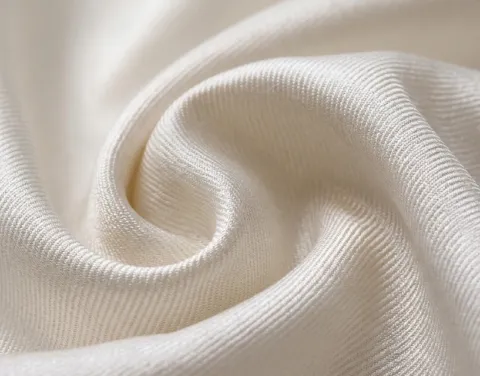
Debido a que el patrón es estructural, una tela de seda jacquard exhibe una topografía física. Los motivos tejidos a menudo muestran una ligera elevación en comparación con la tela base. Además, las diferentes estructuras de tejido (por ejemplo, combinar un tejido satinado para el patrón sobre un fondo de crepé mate) alteran el ángulo en el que la luz incide sobre las fibras de seda. Esta variación estructural crea el característico cambio tonal y el brillo de alta gama asociados con los textiles jacquard.
2. El proceso de fabricación: desde la fibra en bruto hasta el telar programado
La producción del jacquard de seda exige un riguroso control de calidad en la etapa de la materia prima. El levantamiento independiente de los hilos de urdimbre crea una tensión variable a lo largo del telar. En consecuencia, los filamentos de seda de baja calidad son propensos a romperse durante el proceso de tejido, lo que provoca defectos estructurales y compromete la claridad del patrón.
La secuencia de fabricación implica varias fases controladas:
- Selección de filamentos. Solo la seda de morera de fibra larga de grado 6A posee la resistencia a la tracción requerida para soportar la tensión variable del tejido jacquard. Las fibras más cortas se romperán bajo la tensión del movimiento independiente de las mallas.
- Preparación y torsión del hilo. Dependiendo de la textura final deseada, los hilos de urdimbre y trama se tuercen en configuraciones específicas. Los hilos de alta torsión producirán una base similar al crepé, mientras que los hilos de baja torsión producen un acabado más suave y satinado.
- Programación del telar. Los diseños de los clientes se traducen a archivos CAD especializados. Este software dicta la secuencia de levantamiento exacta para miles de hilos de urdimbre individuales por centímetro, mapeando el patrón píxel por píxel a la estructura del tejido.
- Tejeduría. El telar computarizado ejecuta el patrón. La velocidad es generalmente más lenta que la producción de tejido liso debido a la complejidad mecánica de la manipulación individual de los hilos.
- Acabado. La tela cruda se somete a un desgomado (eliminación de la sericina protectora de la proteína de la seda) para lograr su suavidad y brillo finales, seguido de teñido y tratamientos de acabado especializados.
3. Clasificaciones principales de las telas de seda jacquard
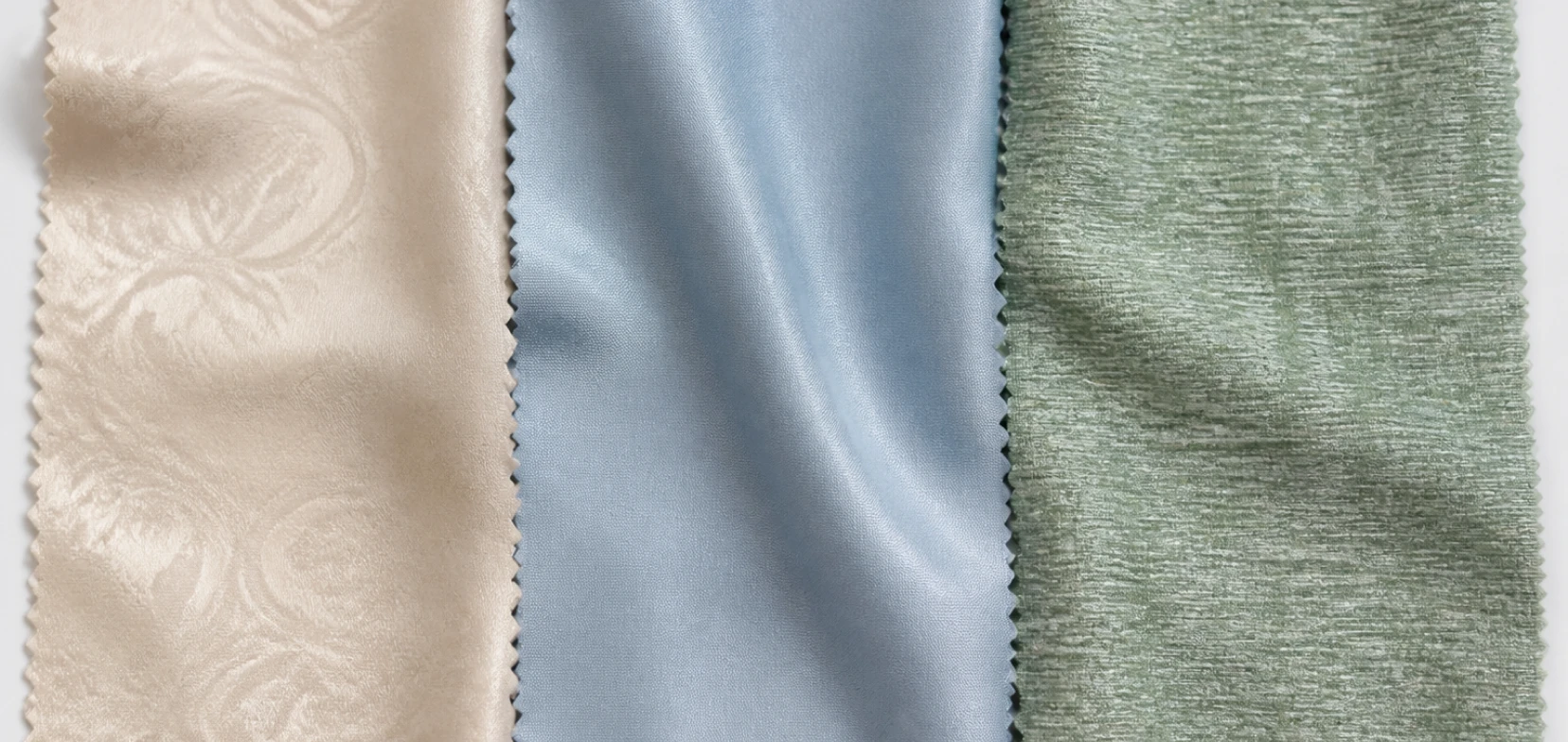
El jacquard de seda es una categoría amplia que abarca varios tejidos base. Las propiedades estéticas y físicas de la tela dependen enteramente de cómo se estructuran el fondo y el patrón. Las clasificaciones comerciales más comunes incluyen jacquard de satén, jacquard de crepé y jacquard teñido en hilo.
Comprender estas clasificaciones es crucial para una especificación precisa del material:
- Jacquard de satén de seda. Esta configuración utiliza un tejido de satén (hilos flotantes) para crear una superficie lisa y altamente reflectante. El patrón generalmente se logra invirtiendo la estructura del tejido, lo que resulta en un motivo mate sobre un fondo brillante, o viceversa. Es ampliamente utilizado en lencería de alta gama, corbatas y forros de lujo.
- Jacquard de crepé de seda. Aquí, el fondo utiliza hilos muy torcidos para crear una base fluida, mate y ligeramente texturizada (similar al crepé de China). El patrón tejido a menudo se ejecuta en un tejido más suave, creando un contraste sorprendente tanto en la textura como en el reflejo de la luz. Tiene una excelente caída y se prefiere para trajes de noche y blusas.
- Jacquard de seda teñido en hilo. En lugar de tejer la tela en un solo color crudo y teñirla después (teñido en pieza), los hilos se tiñen antes de tejer. Al utilizar múltiples colores en la urdimbre y la trama, el telar crea patrones tejidos complejos y multicolores. Este proceso requiere mucho tiempo y representa el nivel más alto de fabricación de jacquard.
4. Especificaciones de peso en momme para tejidos jacquard
Debido a la complejidad estructural de integrar patrones en el tejido, las telas de seda jacquard requieren un peso base en momme más alto en comparación con los tejidos lisos estándar. Una densidad insuficiente dará como resultado una tela frágil donde el patrón tejido carecerá de definición y estabilidad estructural.
El momme (mm) determina la densidad y el peso físico de la seda. En la fabricación de jacquard, se aplican las siguientes especificaciones:
- 16 a 19 Momme. El punto de entrada para el jacquard de seda. Adecuado para blusas ligeras, bufandas y forros delicados. Con este gramaje, los patrones deben permanecer relativamente simples para evitar comprometer la integridad de la tela.
- 22 a 25 Momme. El estándar de la industria para ropa de alta calidad y ropa de cama de seda. Este peso proporciona la densidad de hilo necesaria para reproducir patrones intrincados de forma nítida mientras mantiene una excelente durabilidad y caída.
- 28 a 30+ Momme. Jacquard pesado. Utilizado para prendas estructuradas, trajes formales, tapicería de lujo y accesorios de alta gama. La alta densidad permite una complejidad de patrones extrema y una longevidad excepcional.
Estructuralmente, no es aconsejable especificar un peso en momme inferior a 16 para un tejido jacquard. La falta de densidad de hilo hace que el patrón parezca distorsionado y la tela se vuelve muy susceptible al deslizamiento de las costuras y al desgarro.
5. Jacquard de seda vs. Seda impresa personalizada: Parámetros objetivos
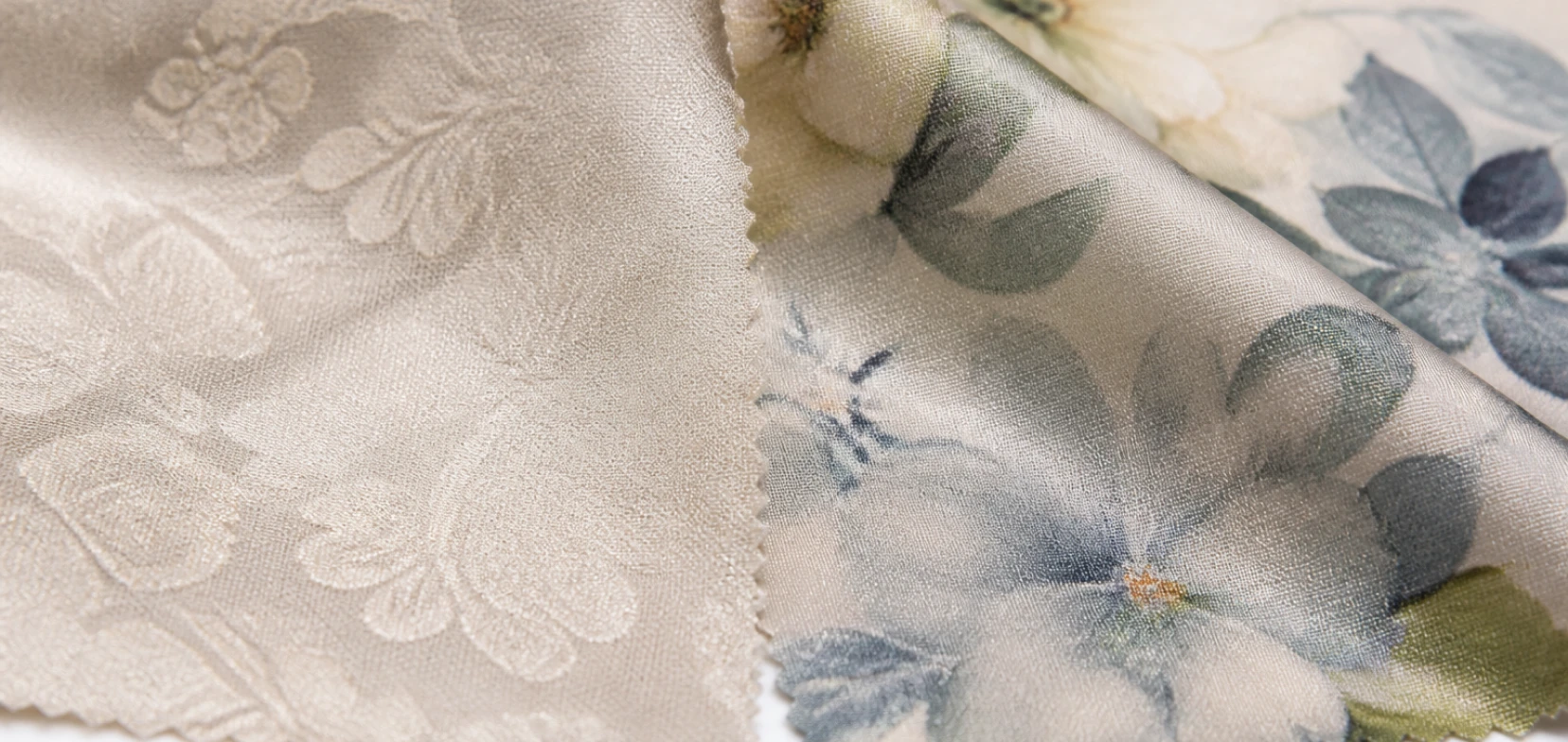
La elección entre el jacquard de seda tejido y la seda impresa en la superficie requiere evaluar los requisitos del proyecto en cuanto a profundidad táctil, complejidad de color, cantidades mínimas de pedido (MOQ) y plazos de producción. El jacquard ofrece permanencia estructural y textura; la impresión proporciona una flexibilidad de color ilimitada y barreras de configuración más bajas.
| Parámetro | Jacquard de seda (Tejido) | Seda Impresa (Superficie) |
|---|---|---|
| Mecánica del patrón | Tejido directamente en la estructura de la tela | Aplicado a la superficie (digital o serigrafía) |
| Perfil táctil | Texturizado; motivos en relieve; brillo variable | Uniformemente liso (sigue a la tela base) |
| Capacidad de color | Tonal (teñido en pieza) o limitado a los colores del hilo | Colores y degradados ilimitados |
| Reversibilidad | A menudo reversible (efecto negativo/positivo) | De un solo lado (la parte posterior es más clara/sin impresión) |
| Complejidad de configuración | Alta (requiere programación CAD del telar) | Baja a moderada |
| Pedido mínimo (MOQ) | Mayor (típicamente 100-200 metros por patrón) | Menor (puede imprimir tiradas cortas) |
| Aplicación principal | Lujo clásico, ropa formal, ropa de cama texturizada | Moda rápida, arte vívido, gráficos complejos |
Si el diseño requiere imágenes fotorrealistas, degradados nítidos o múltiples colores brillantes, la impresión digital sobre una base de charmeuse de seda es la especificación correcta. Si el objetivo es un diseño táctil sutil y de alta gama (como un monograma tejido o un damasco floral tonal), el jacquard de seda es la opción definitiva.
6. Aplicaciones comerciales en la fabricación B2B
La estabilidad estructural, las características únicas de caída y la profundidad visual del jacquard de seda dictan su aplicación en el mercado. Se obtiene principalmente para líneas de productos donde la textura intrínseca de la tela añade un valor minorista medible.
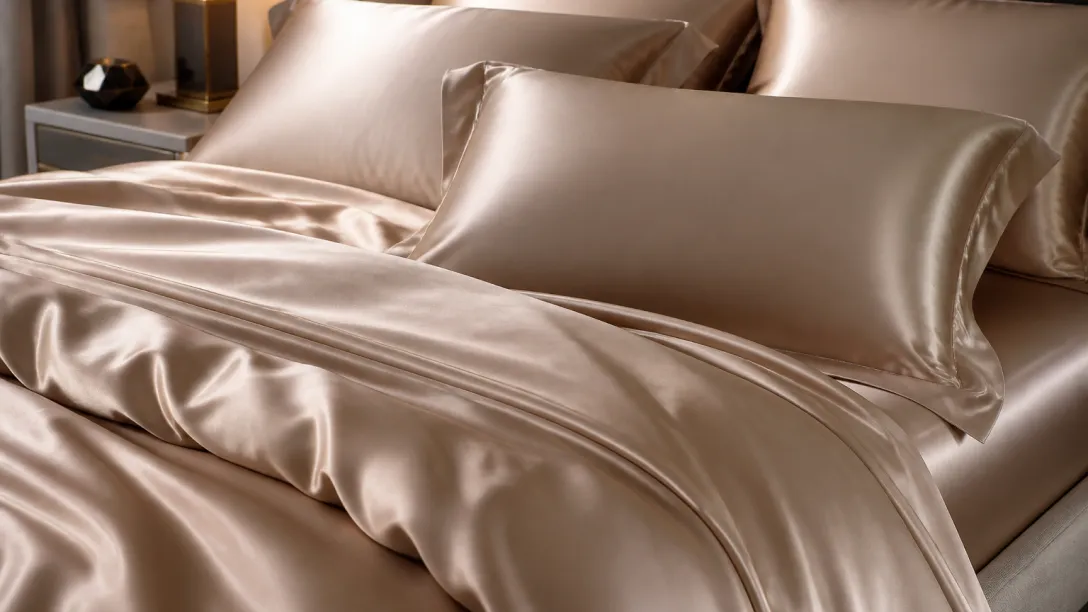
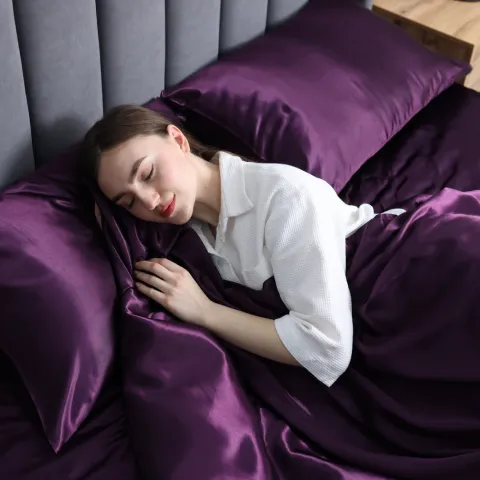
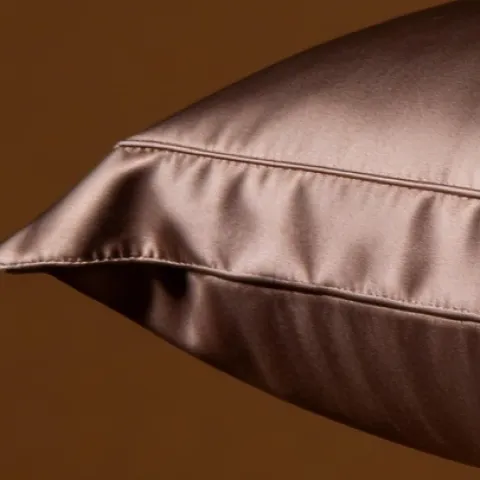
- Ropa de cama premium. Las fundas nórdicas y de almohada tejidas en jacquard ofrecen una alternativa sofisticada a los colores sólidos. El patrón tejido proporciona interés visual sin las líneas distintivas de los gráficos impresos, lo que atrae a la estética de interiores de lujo.
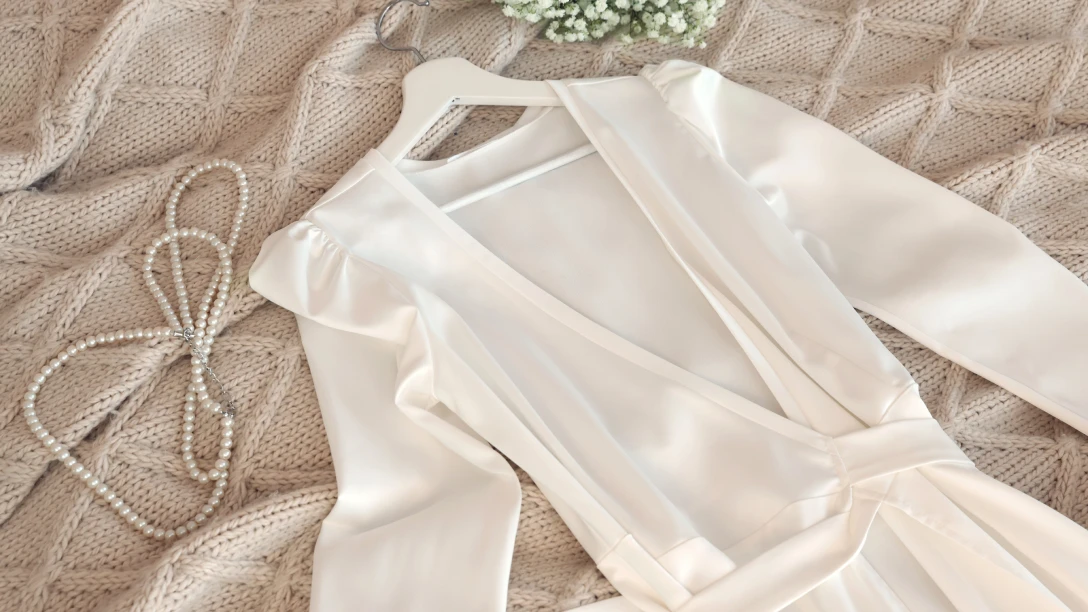
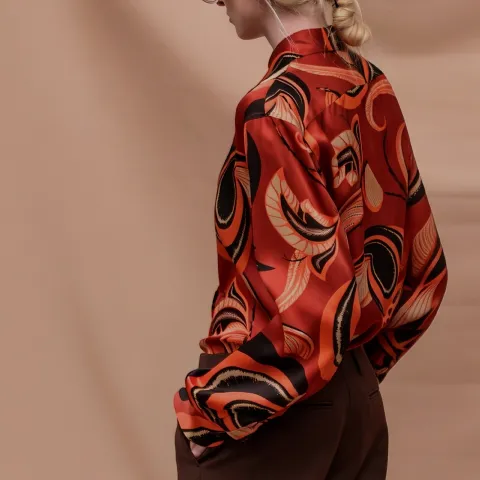
- Ropa nupcial y formal. El jacquard de seda pesado mantiene las formas arquitectónicas de manera eficaz. Con frecuencia se especifica para vestidos de noche estructurados, trajes de novia y chaquetas entalladas donde un tejido liso carecería de suficiente rigidez.
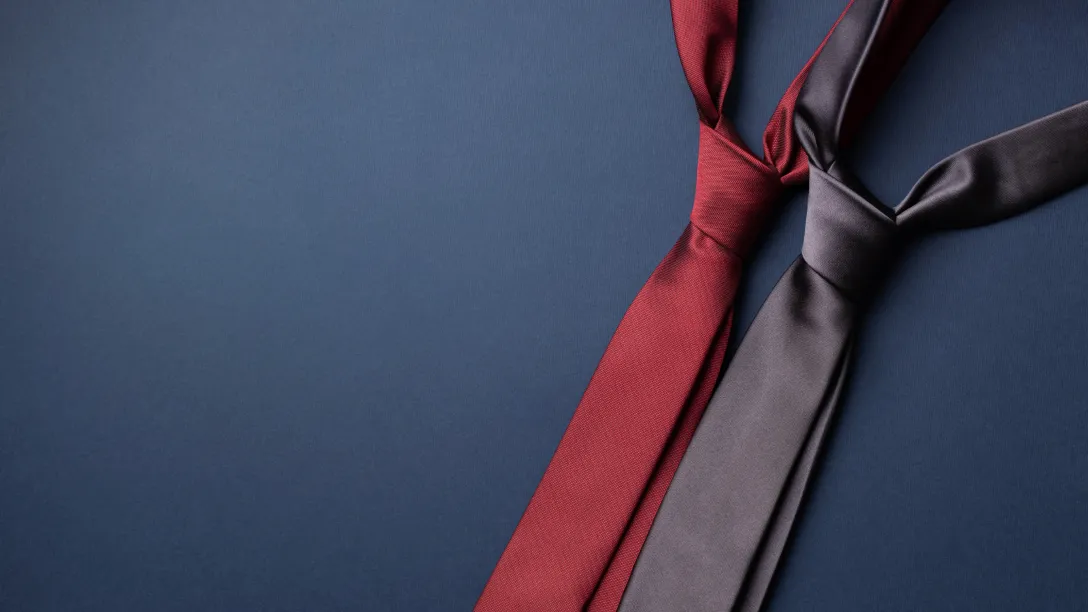
- Accesorios. La industria de la corbata depende en gran medida del jacquard de seda teñido en hilo. Los patrones estructurales estrechamente tejidos proporcionan el peso y las características de anudado necesarias para las corbatas de alta gama.
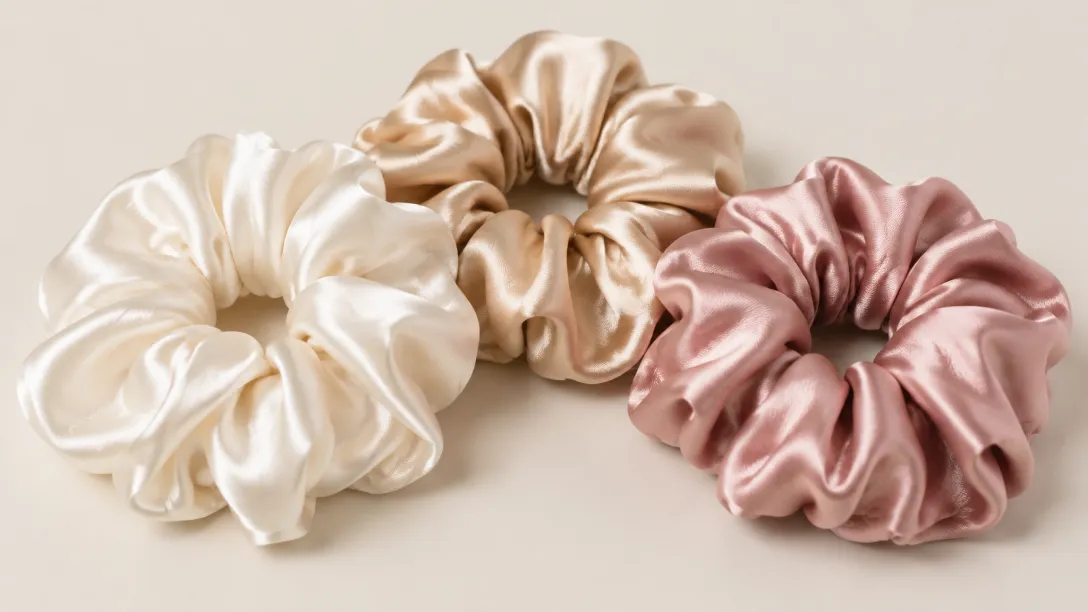
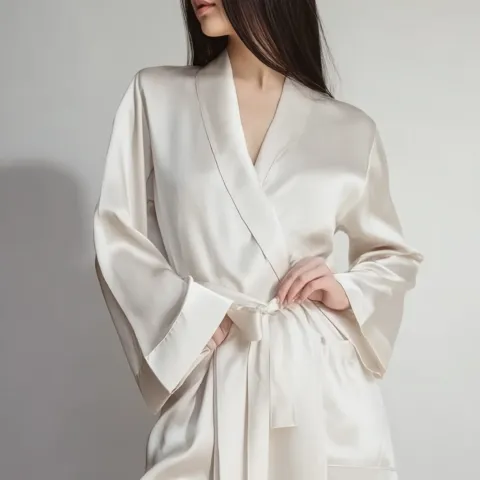
- Ropa de estar por casa de lujo (Loungewear). Combinar la suavidad de la seda con una textura tejida eleva las batas y los conjuntos de pijama de prendas de dormir básicas a ropa de estar de primera calidad.
7. Obtención de jacquard de seda personalizado para su línea de productos
La ejecución de un programa jacquard personalizado requiere una alineación precisa entre los archivos de diseño de la marca y las capacidades del telar del fabricante. Implica establecer el tejido base correcto, finalizar el peso en momme, traducir el arte vectorial al software del telar y realizar pruebas físicas (strike-offs) antes de la producción a granel.
En DreamSilk, gestionamos la fabricación de jacquard a medida de forma totalmente interna. Procesamos seda de morera de grado 6A cruda a través de nuestros telares jacquard operados por CAD, asegurando una replicación exacta del patrón. Apoyamos jacquards teñidos en pieza personalizados (patrones tonales) y jacquards teñidos en hilo para requisitos de varios colores. Debido a que el tejido jacquard requiere una configuración de telar específica, nuestro MOQ para patrones personalizados generalmente comienza en 100 a 200 metros, dependiendo de la complejidad de la estructura del tejido.
Para iniciar un proyecto jacquard personalizado, proporcione sus archivos de diseño vectorial, el peso en momme objetivo y su preferencia de tejido base (satén o crepé). Revisaremos la viabilidad técnica, proporcionaremos un desglose exacto de los costes y produciremos una muestra tejida para su aprobación física. Contáctenos con sus especificaciones para comenzar la fase de muestreo.
FAQ
Debido al extenso tiempo de configuración requerido para programar el telar computarizado y preparar la tensión de urdimbre específica para un nuevo diseño, el jacquard de seda tejido a medida tiene un MOQ más alto que los tejidos lisos. Por lo general, un patrón jacquard personalizado requiere un pedido mínimo de 100 a 200 metros. Para los patrones jacquard estándar existentes en nuestra biblioteca, el MOQ puede ser significativamente menor.