
Wat is zijden twill stof? Een gids van de fabrikant over weving, momme, gebruik en kwaliteit


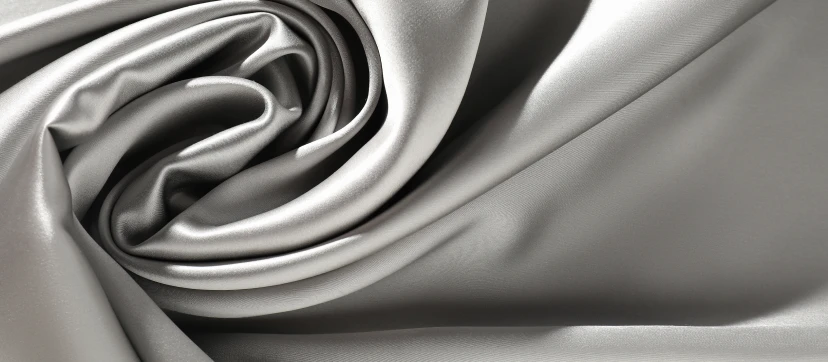
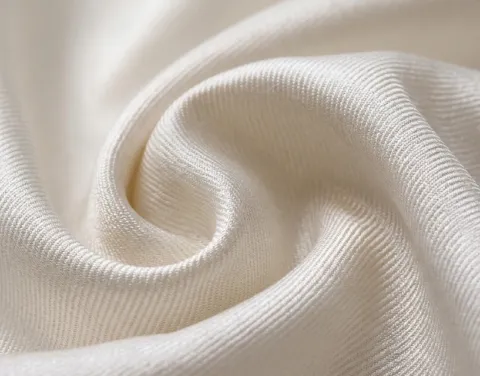
Zijden twill is een 100% moerbeizijden stof geweven in een keperbinding (twill), wat het oppervlak een fijne diagonale ribbeling geeft, een zachte matte glans, en meer structuur dan gladde zijden zoals charmeuse. Het houdt prints haarscherp vast, kreukt nauwelijks, en is goed bestand tegen dagelijks gebruik, wat de reden is dat het de standaardstof is voor luxe sjaals en bedrukte accessoires. Twill is een weving, geen vezel, dus "zijden twill" betekent simpelweg zijdengarens geweven in die diagonale constructie.
Wij weven, verven en bedrukken op maat gemaakte zijden twill in onze fabriek in Suzhou voor sjaallabels, modemerken en stofgroothandels. Deze gids legt uit hoe de twillweving werkt, welk momme-gewicht bij welk product past, hoe twill zich verhoudt tot charmeuse en crêpe de chine, en wat u moet controleren voordat u een bulkbestelling plaatst.
Wat is zijden twill stof?
Twill (keperbinding) is een van de drie basiswevingen, naast platbinding en satijnbinding. In een standaard zijden twill loopt elke kettingdraad over twee inslagdraden en onder één, en het kruispunt verschuift elke rij één draad opzij. Die verschuiving creëert de zichtbare diagonale ribbel die over de stof loopt. Dezelfde weeffamilie geeft u denim; in zijdengaren wordt het zacht, fijn en verfijnd.
De diagonaal heeft een richting. Op de meeste zijden twill is de ribbel die naar rechtsboven loopt de voorkant, en de achterkant loopt naar links. Dit is belangrijk wanneer u snijdt en naait, en wanneer u kiest tussen een enkelzijdige of dubbelzijdige print. Het oppervlak heeft een lage, gelijkmatige glans — matter dan satijn of zijden charmeuse, en strakker dan een platte platbinding. Oudere handelsnamen voor de stof zijn onder andere serge, sarcenet, foulard en armure, maar elke combinatie van "zijde" en "twill" verwijst naar dezelfde stof.
Hoe de Twillweving de prestaties verandert
De verschoven verweving verspreidt mechanische spanning over meer contactpunten dan de lange flotterende draden van een satijnbinding. In de praktijk geeft dat zijden twill een betere slijtvastheid dan platbinding- of satijnzijden en aanzienlijk minder kreukvorming, zodat een twillsjaal elke dag geknoopt en ontknoopt kan worden en toch zijn vorm terugkrijgt. Het valt ook met gewicht in plaats van dat het kleeft: charmeuse verzamelt zich en glijdt, terwijl twill met body en structuur valt. Het strakke, gelijkmatige oppervlak zorgt er ook voor dat het fijne geprinte details kan dragen, wat we hieronder verder bespreken.
Zijden Twill Momme-gewichten en hoe te kiezen
Momme (mm) is de gewichtseenheid voor zijde. Een hoger getal betekent een zwaardere, dichtere en duurzamere stof. Zijden twill is er in een breed scala, en het juiste gewicht hangt af van het product en de print. Gebruik dit als een werkreferentie:
| Momme | Karakter | Beste voor |
|---|---|---|
| 12–14 mm | Lichtgewicht, fijn, wat doorschijnend | Twillies, kleine sjaals, voeringen; enkelzijdige digitale print |
| 16 mm | Gebalanceerd gevoel en body — het werkpaard | Vierkante sjaals; enkel- en dubbelzijdig bedrukken |
| 18–19 mm | Meer body en opaciteit | Grotere sjaals, overhemden, blouses |
| 22 mm | Substantieel, premium gevoel | Premium sjaals en kleding |
| 25–30 mm | Zwaar, gestructureerd, duurste | Jassen, maatwerk en avondkleding |
De meeste sjaalprogramma's liggen tussen 14 en 18 mm. Kleding komt meestal uit op 16 tot 22 mm, en gestructureerde kledingstukken gaan boven de 25. Voor een completere uitsplitsing van de eenheid zelf, zie onze zijden momme-gewichtsgids.
Zijden Twill vs Charmeuse, Crêpe de Chine, en Satijn
Kopers vragen vaak welke zijde ze moeten kiezen. Het antwoord komt neer op de weving, want de weving bepaalt de val, de glans en de duurzaamheid. Deze tabel zet de stoffen die we het vaakst leveren op een rij:
| Stof | Weving | Oppervlak | Val | Duurzaamheid | Beste gebruik |
|---|---|---|---|---|---|
| Zijden twill | 2/1 twill (diagonale ribbel) | Lage matte glans | Gestructureerd, houdt vorm | Hoog | Sjaals, dassen, overhemden |
| Zijden charmeuse | Satijn | Glanzende voorkant, matte achterkant | Vloeiend, glad | Lager, haakt snel | Jurken, slipdresses, beddengoed |
| Crêpe de chine | Platbinding, crêpe getwijnde garens | Mat, lichte korrel | Zacht, mooie val | Medium | Blouses, jurken, zachte sjaals |
| Zijden satijn | Satijn | Hoge glans | Vloeiend | Medium | Avondkleding, voeringen |
Een punt dat het benadrukken waard is: glans signaleert de weving, niet de kwaliteit. Een dunne, goedkope charmeuse kan er glanzender uitzien dan een fijne twill en toch de stof van lagere kwaliteit zijn. Kwaliteit komt van de zijdeklasse, de momme en de constructie. En wanneer een aanbieding alleen "satijn" zegt zonder vezel te noemen, is het meestal polyester. Als u het matte, soepelvallende alternatief voor twill voor zachtere sjaals wilt, kijk dan naar zijden crêpe de chine; als u de glanzende, vloeiende optie wilt, bekijk dan onze zijden charmeuse gids.
Waar merken zijden twill voor gebruiken
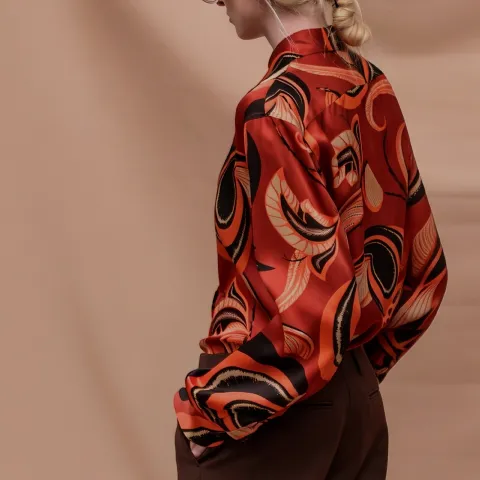
Twill heeft zijn naam opgebouwd met de bedrukte vierkante sjaal. De structuur zorgt ervoor dat een sjaal een knoop vasthoudt, de randen behoudt, en dagelijkse slijtage overleeft, wat de reden is dat traditionele modehuizen het tientallen jaren geleden als standaard hebben aangenomen. De veelvoorkomende toepassingen die we produceren:
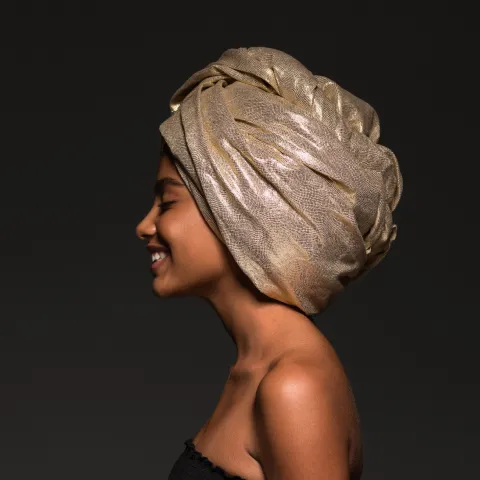
- Sjaals en twillies — de klassieke toepassing; zie onze op maat gemaakte zijden sjaals.
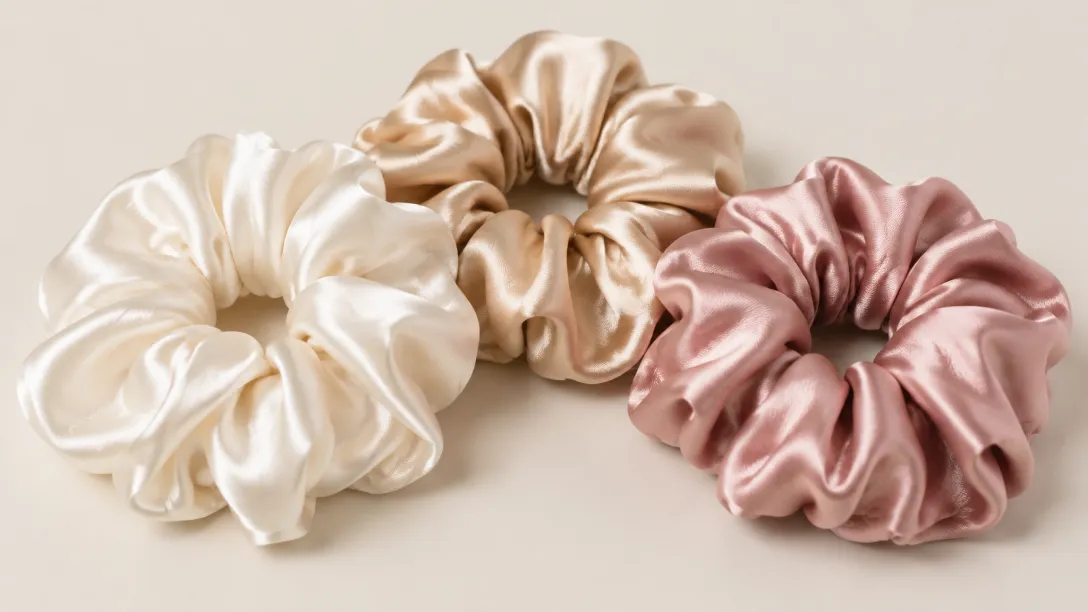
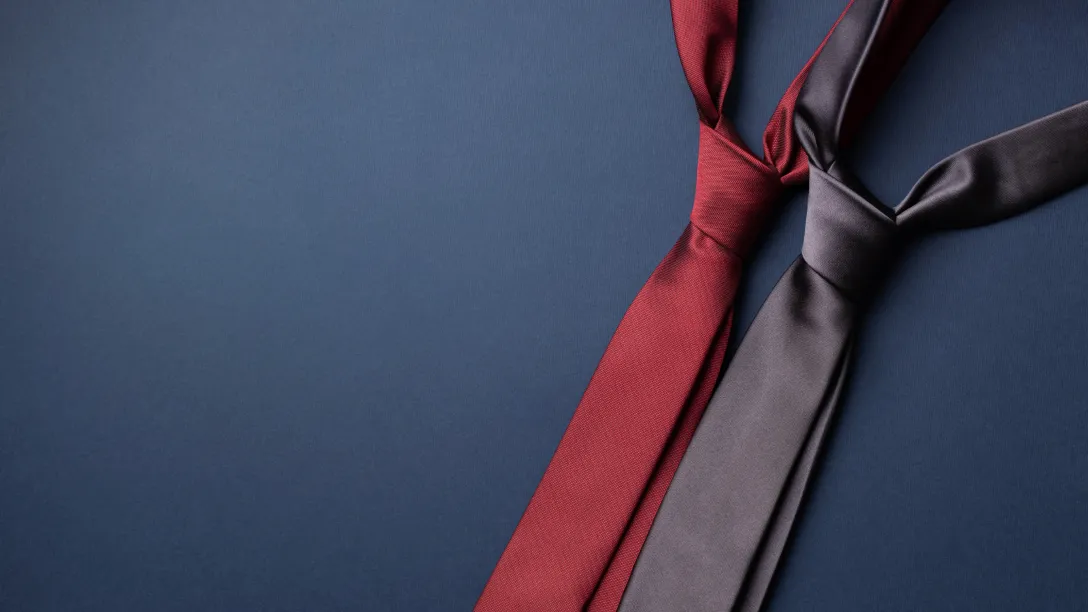
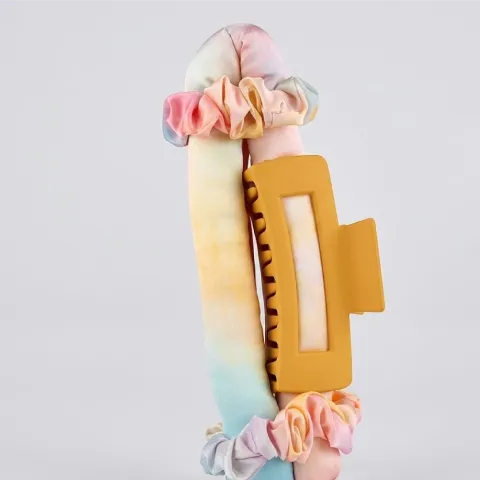
- Stropdassen, pochetten, bandana's en haarlinten — twill neemt een scherpe print en een strakke rand aan; ontdek op maat gemaakte zijden dassen.
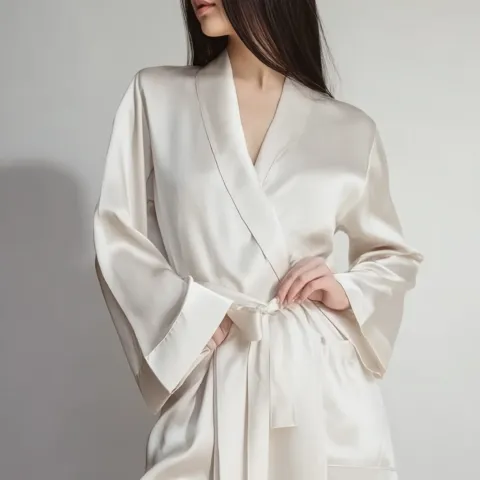
- Kleding — overhemden, blouses, jurken, rokken en pyjama's waar u body wilt in plaats van plakken.
- Zware twill (25–30 mm) — op maat gemaakte jassen en avondkleding die hun vorm moeten behouden.
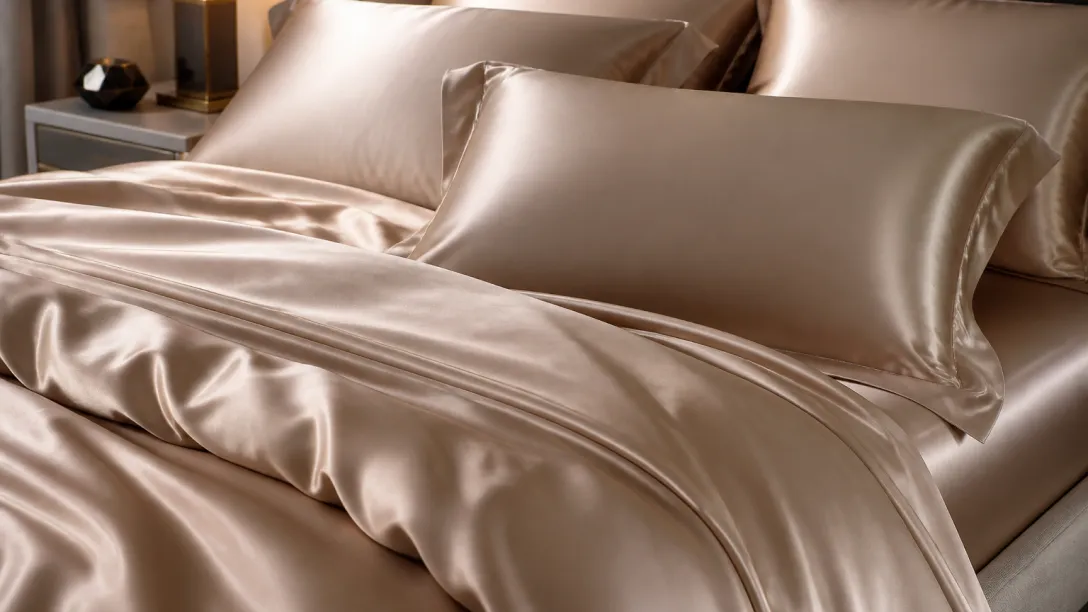
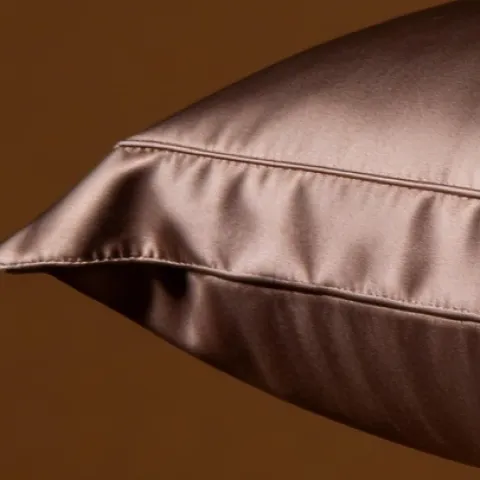
Twill is een slechte keuze voor beddengoed. De gestructureerde grip die een sjaal helpt, werkt in uw nadeel op een kussensloop, waar u de gladheid en koelte van een satijnbinding wilt. Daarvoor is charmeuse de juiste keuze, en u kunt het assortiment bekijken op onze zijden beddengoed pagina.
Waarom zijden twill zo goed print
Het dichte, gelijkmatige twill-oppervlak behoudt fijne details en strakke randen zonder uit te lopen, en zijde accepteert kleurstof met diepe verzadiging. Die combinatie houdt ingewikkelde, veelkleurige kunstwerken scherp na het printen en na het wassen. Lichtere twill van 12 tot 14 mm is aan de achterkant voldoende doordringbaar zodat een enkelzijdige digitale print zwak doorschijnt, wat past bij een sjaal die aan beide kanten te zien is. Zwaardere twill blokkeert het doorschijnen, dus een omkeerbare look vereist daar dubbelzijdig printen. Dit printgedrag, samen met de duurzaamheid bij het knopen en losmaken, is de praktische reden dat sjaallijnen op twill draaien. Voor de methoden zelf, zie onze gids over zijdeprintmethoden, en blader door kant-en-klare kunstwerken in onze zijden patroonbibliotheek.
Breedtes, rendement en besteleconomie
Zijden twill wordt meestal geweven op 90 cm, 114 cm of 140 cm. De breedte bepaalt hoeveel sjaals u uit elke meter haalt, dus het stuurt uw kosten per stuk. Een vierkant van 90 cm snijdt mooi uit 90 cm stof met weinig afval, terwijl een sjaal van 110 cm 114 cm breedte nodig heeft om stukken te vermijden. Bepaal de breedte voordat u de sjaalgrootte definitief maakt, anders betaalt u voor de reststukken die u weggooit. Rollengte, kleurbadgrootte en printrepetitie bepalen ook de minimumbestelling en de kleurconsistentie over een productierun, daarom bevestigen we dit allemaal in de offertefase.
Hoe u de kwaliteit van zijden twill beoordeelt
Een paar controles scheiden goede twill van opvulling:
- Vezel en klasse. Sta op 100% moerbeizijde, idealiter klasse 6A, die het langste en meest uniforme filament gebruikt. "Silk-touch" of ongelabelde "satijn" betekent bijna altijd polyester.
- Momme nauwkeurigheid. Bevestig de echte momme, niet een marketingcijfer. Als een "22 mm" twill zo licht voelt als 16, is het verkeerd gelabeld; weeg bij twijfel een staaltje.
- Weving en afwerking. Zoek naar een gelijkmatige diagonale ribbel, geen overgeslagen draden, een nette zelfkant en consistente kleur over de rol.
- Certificering. OEKO-TEX Standard 100 betekent dat de kleurstoffen en de afwerking zijn getest op schadelijke stoffen, wat belangrijk is voor alles wat op de huid wordt gedragen. Bekijk onze certificeringen.
Inkoop van op maat gemaakte zijden twill voor uw merk
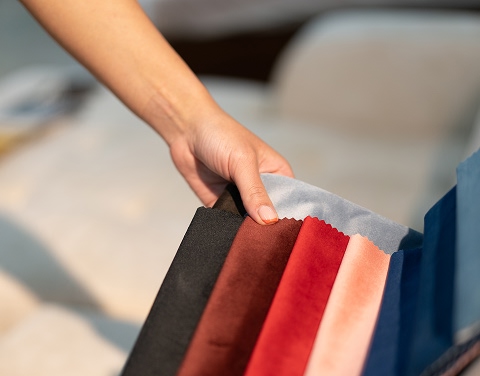
Wij leveren zijden twill op twee manieren: per meter — ongeverfd, effen geverfd of op maat bedrukt — en als eindproducten zoals sjaals, dassen en kleding die we zelf maken. Voor op maat gemaakte kleuren en kunstwerken maken we laboratoriumdips en proefdrukken voor de bulkproductie, zodat u alles eerst goedkeurt, en we sturen gratis stalen (u betaalt alleen de verzendkosten). MOQ begint bij 50 m voor voorraadkleuren en 100 tot 200 m voor aangepast verven, met afgewerkte sjaals vanaf 50 tot 100 stuks per ontwerp. De levertijd voor stof is meestal 10 tot 20 dagen, afhankelijk van het verven of bedrukken.
Stuur ons uw ontwerp, doel-momme en hoeveelheid, en we zullen een offerte maken voor stof of eindproducten met een duidelijk staalplan. Ontdek onze zijden twill stof pagina of neem contact op voor een offerte.
FAQ
Echte zijden twill is 100% moerbeizijde geweven in een twill-patroon (keperbinding). Twill is een weving, geen vezel, dus het woord alleen garandeert geen zijde — veel "twill" op de markt is polyester of een zijdemix. Vraag schriftelijk om de vezelsamenstelling en de momme. Als het label alleen "twill" of "silk-touch" zegt zonder dat er een vezel wordt genoemd, behandel het dan als synthetisch totdat het tegendeel is bewezen.