
Fundas de almohada de seda personalizadas: Guía B2B sobre pesos momme, costuras y control de calidad


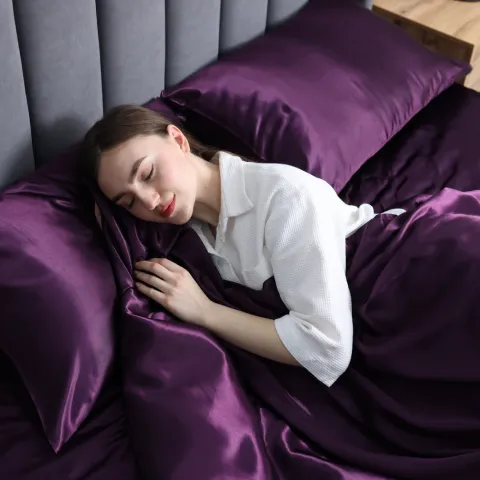
Una funda de almohada de seda es el SKU fundamental de una línea de ropa de dormir o de belleza premium. La transición de un capullo de seda cruda a un producto terminado para la venta al por menor requiere un control técnico preciso sobre la densidad de la tela, la estructura del tejido y las técnicas de costura. Las marcas que definen estos parámetros claramente durante la etapa del informe inicial (briefing) logran series de producción a granel consistentes, menos defectos de producto y márgenes minoristas altamente predecibles. Esta guía detalla las especificaciones exactas requeridas para obtener y fabricar fundas de almohada de seda personalizadas a escala, cubriendo el peso momme, el diseño del cierre, el rendimiento de la tela y rigurosos protocolos de control de calidad.
Anatomía de una funda de almohada de seda lista para la producción
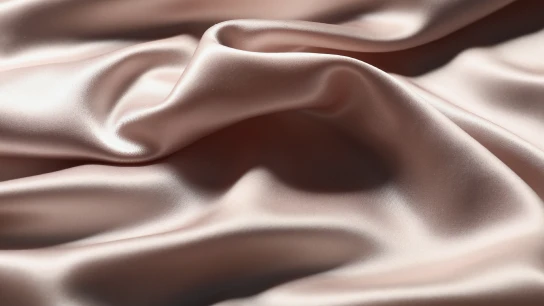
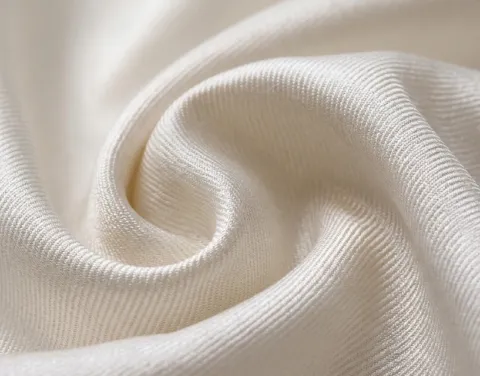
La base del material dicta todo el ciclo de vida del producto. La seda de morera sirve como fibra estándar para aplicaciones comerciales premium. Es hilada por gusanos de seda Bombyx mori alimentados exclusivamente con una dieta de hojas de morera. La fibra resultante es excepcionalmente larga, uniforme y blanca, lo que la hace óptima para el proceso de tejido charmeuse.
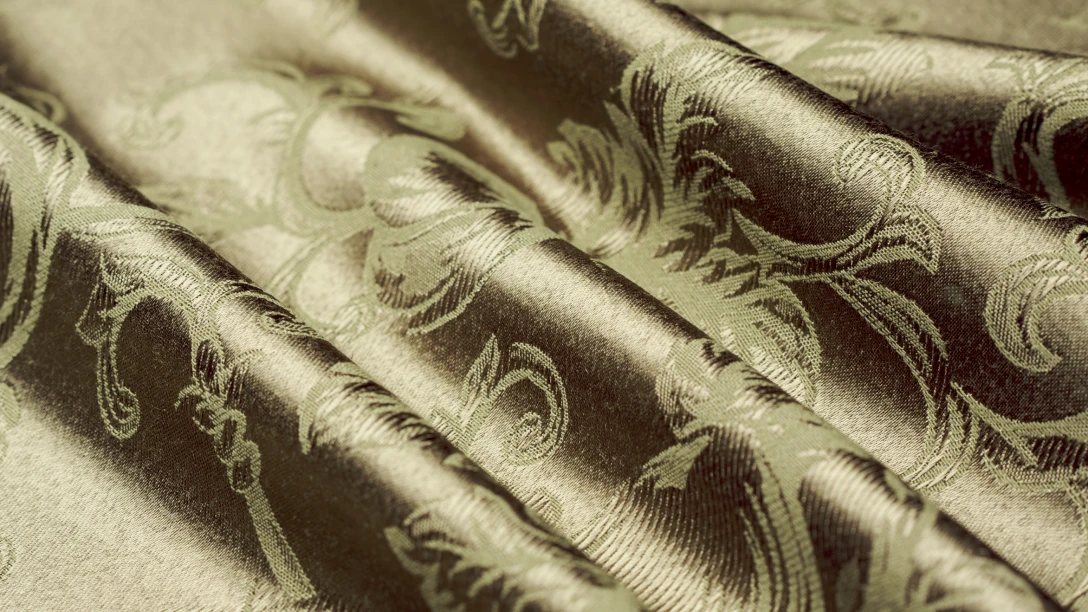
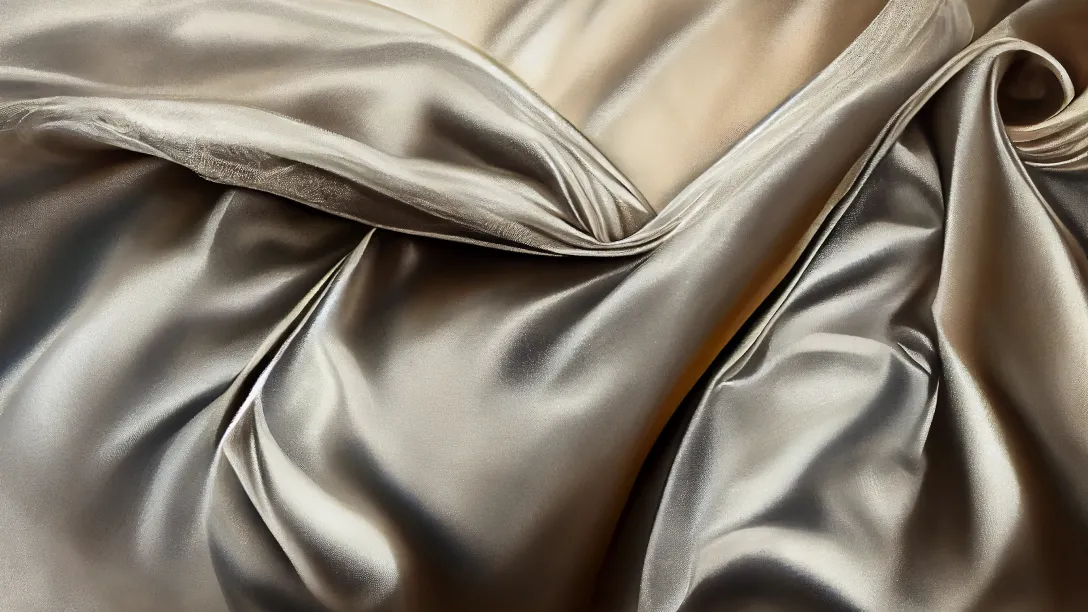
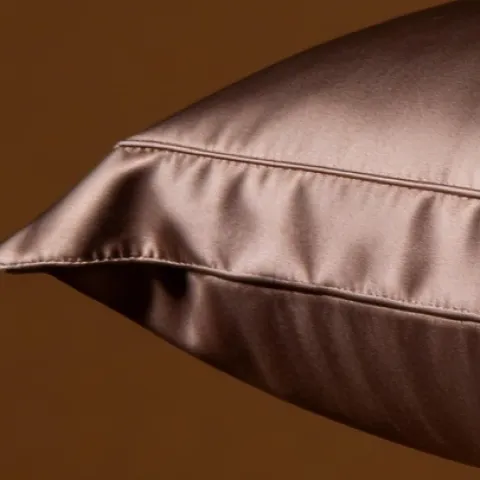
El Charmeuse es una técnica de tejido dominada por la urdimbre que produce una superficie frontal de alto brillo junto con un reverso de crepé mate. El frontal liso proporciona la superficie de baja fricción que previene la rotura del cabello y las arrugas en la piel. Esta propiedad mecánica específica forma el reclamo funcional central para el consumidor final. Establecer una cadena de suministro confiable requiere especificar el grado exacto de este material.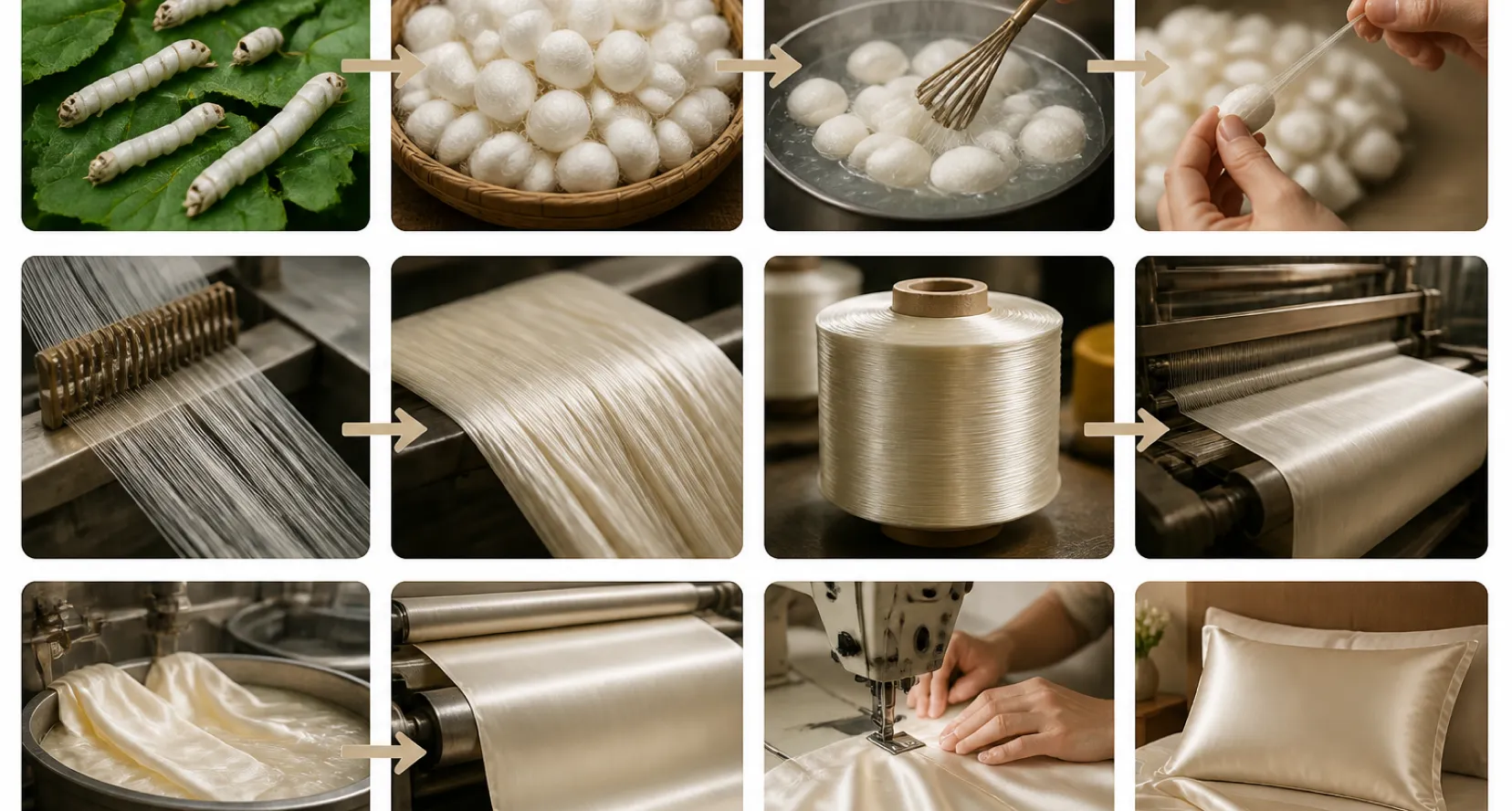
Especificación del grado de la fibra
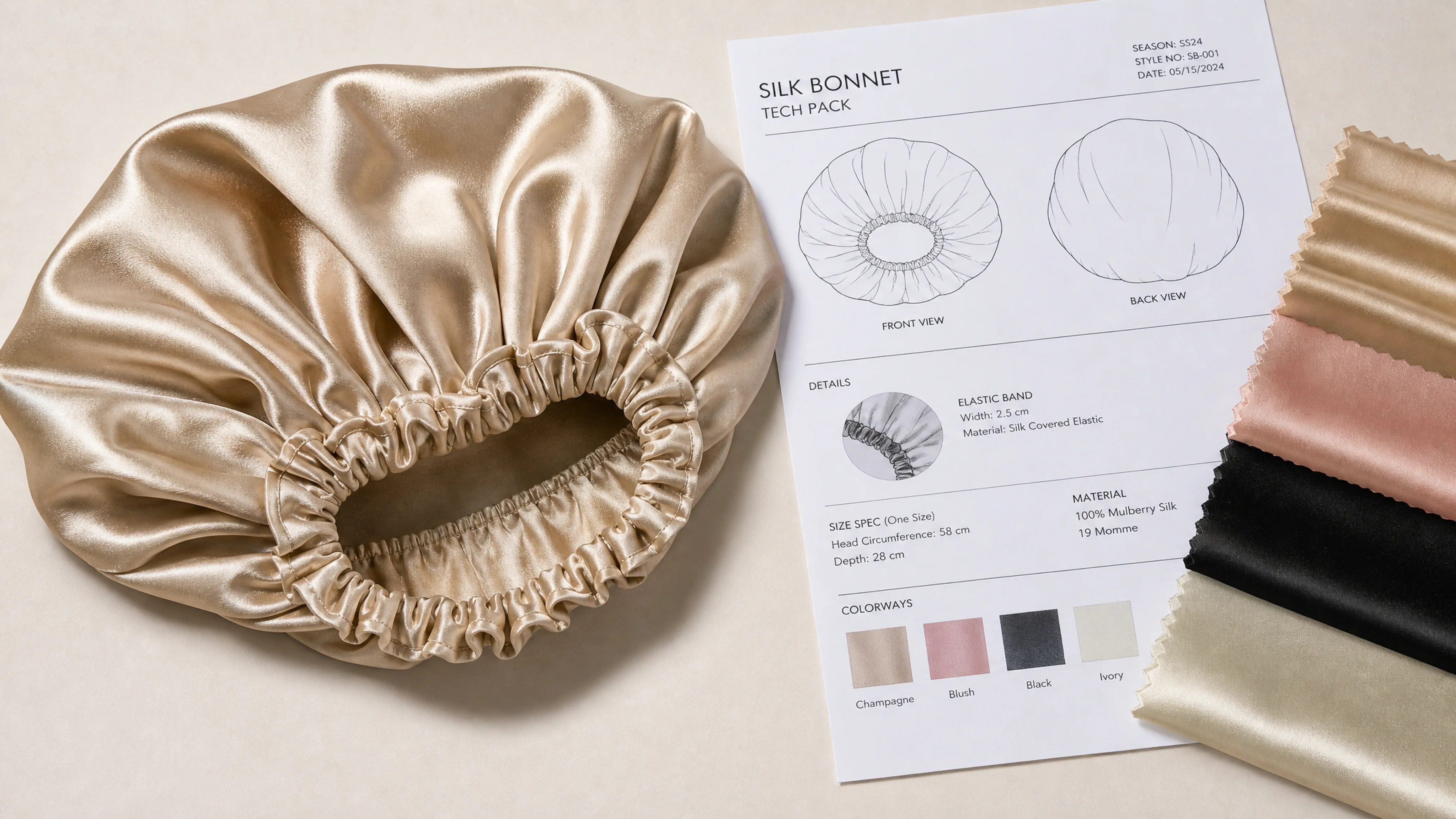
El Grado 6A representa el nivel comercial más alto en la industria de la seda. Clasifica los hilos de seda continuos más largos y uniformes que presentan la menor tasa de defectos naturales. Los grados inferiores, incluidos 5A o 4A, contienen fibras más cortas y rotas que debilitan el textil y reducen el brillo de la superficie después de múltiples ciclos de lavado. Un paquete técnico de producción profesional (tech pack) debe exigir explícitamente charmeuse de seda de morera 100% de Grado 6A para garantizar el rendimiento. Las telas mezcladas o los satenes sintéticos alteran drásticamente la regulación térmica y las propiedades de absorción de humedad que se esperan de un producto premium.
Especificaciones de peso Momme y posicionamiento en el mercado
El Momme (mm) mide la densidad de la seda. Se define como el peso en libras de una pieza de seda de 45 pulgadas de ancho y 100 yardas de largo. En términos métricos, un momme equivale aproximadamente a 4,34 gramos por metro cuadrado (g/m²). Esta métrica se correlaciona directamente con la durabilidad, la opacidad y el costo unitario. Seleccionar el peso momme adecuado alinea la funda de almohada perfectamente con su nivel minorista previsto.
| Peso Momme | Equivalente métrico | Características de la tela | Mejor aplicación minorista |
|---|---|---|---|
| 19 mm | ~82 g/m² | Ligero, muy transpirable, caída suave | Premium de nivel de entrada, cajas de suscripción, artículos promocionales |
| 22 mm | ~95 g/m² | Caída sustancial, muy duradero, excelente retención al lavado | El estándar de la industria, SKU principal para marcas DTC |
| 25 mm | ~108 g/m² | Pesado, tejido denso, longevidad máxima | Colecciones de lujo de alta gama, regalos premium |
| 30 mm | ~130 g/m² | Ultradenso, tacto inicial rígido, durabilidad inigualable | Mercados de nicho de ultralujo |
La especificación de 22 momme representa el centro de volumen del mercado B2B. Contiene aproximadamente un 16 % más de seda que una tela de 19 momme. Este aumento de densidad mejora significativamente la resistencia de las costuras y la integridad de la superficie después de lavados repetidos, evitando la pronunciada curva de costos de material asociada con 25 momme. Las marcas que construyen un SKU estrella a largo plazo eligen por defecto 22 momme. El peso de 19 momme sirve para canales sensibles al precio. El de 25 momme respalda el posicionamiento de lujo de primer nivel.
Ingeniería del cierre: cremalleras versus formato sobre (Envelope)
El mecanismo de cierre afecta tanto la complejidad de fabricación como la experiencia del usuario. Los paquetes técnicos suelen especificar uno de tres tipos de cierre principales.
La cremallera oculta es la especificación más solicitada a nivel mundial. Se cose una cremallera invisible directamente en la costura lateral, lo que permite que la almohada quede completamente envuelta. Esto evita que la almohada se salga durante la noche y proporciona una estética limpia y moderna. La fabricación de una cremallera oculta requiere márgenes de costura precisos y densidades de puntada mínimas (generalmente 5 puntadas por centímetro) para evitar que las delicadas fibras de seda se deshilachen bajo tensión. Los extremos de la cremallera requieren presillas para asegurar el deslizador de forma permanente.
El cierre de sobre utiliza una solapa de tela superpuesta en el extremo abierto. Este diseño elimina los herrajes duros, maximizando la comodidad para los usuarios que duermen cerca del borde de la almohada. Se cose más rápido en la línea de producción, reduciendo ligeramente los costos laborales. Requiere más tela lineal para crear la solapa interior profunda. Una solapa de sobre estándar mide entre 18 y 22 cm de profundidad; las solapas menos profundas no logran retener la almohada adecuadamente.
El cierre Oxford, a veces llamado borde con brida, presenta un borde de tela decorativa (generalmente de 5 cm de ancho) alrededor de todo el perímetro, respaldado por una abertura de sobre. Este estilo exige el mayor consumo de tela y tiempo de mano de obra, ubicándolo estrictamente en la categoría de ropa de cama de lujo.
Estándares dimensionales y rendimiento de la tela
Las dimensiones de las almohadas varían según la región geográfica. Especificar las dimensiones correctas evita problemas de ajuste y reseñas negativas de los consumidores. Las dimensiones estándar incluyen:
- Estándar (EE. UU.): 51 x 66 cm (20 x 26 pulgadas)
- Queen (EE. UU.): 51 x 76 cm (20 x 30 pulgadas)
- King (EE. UU.): 51 x 91 cm (20 x 36 pulgadas)
- Cuadrado (UE): 65 x 65 cm (26 x 26 pulgadas)
Muchas marcas optimizan su inventario inicial ofreciendo un único tamaño 'Estándar/Queen' de 51 x 76 cm, que se adapta a la gran mayoría de las almohadas de los consumidores. El tamaño personalizado requiere solo un ajuste de patrón en la etapa de corte digital, lo que implica cero costos de herramientas.
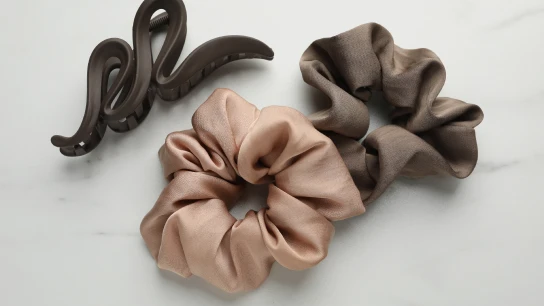
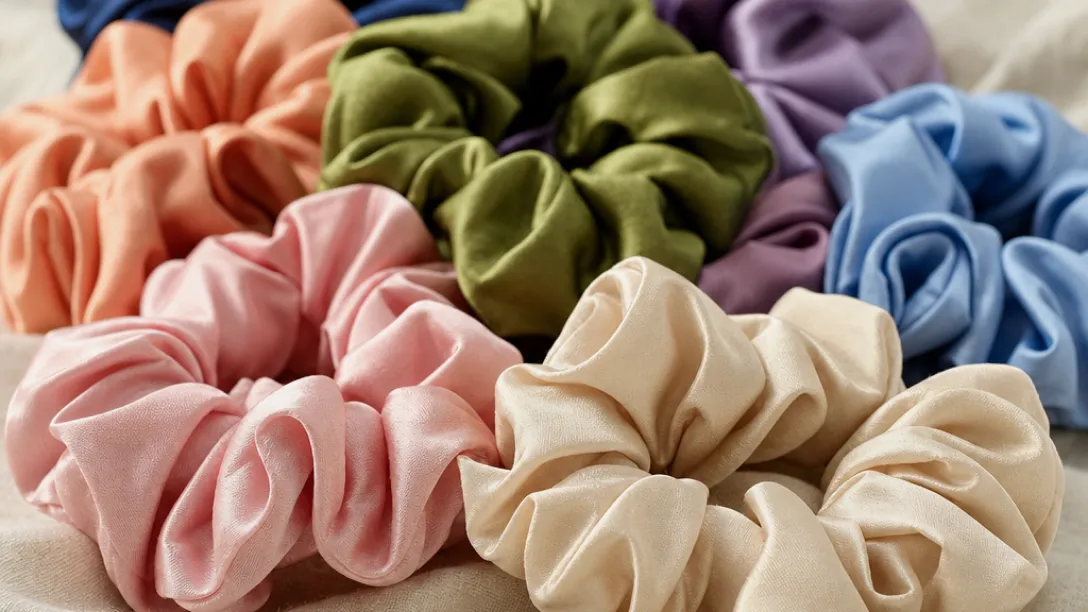
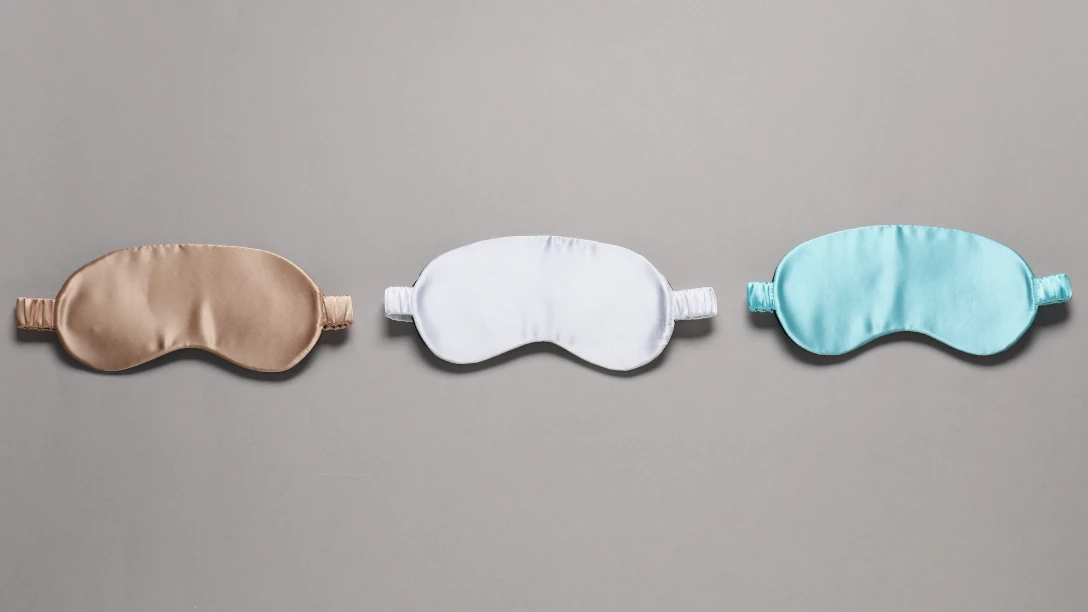
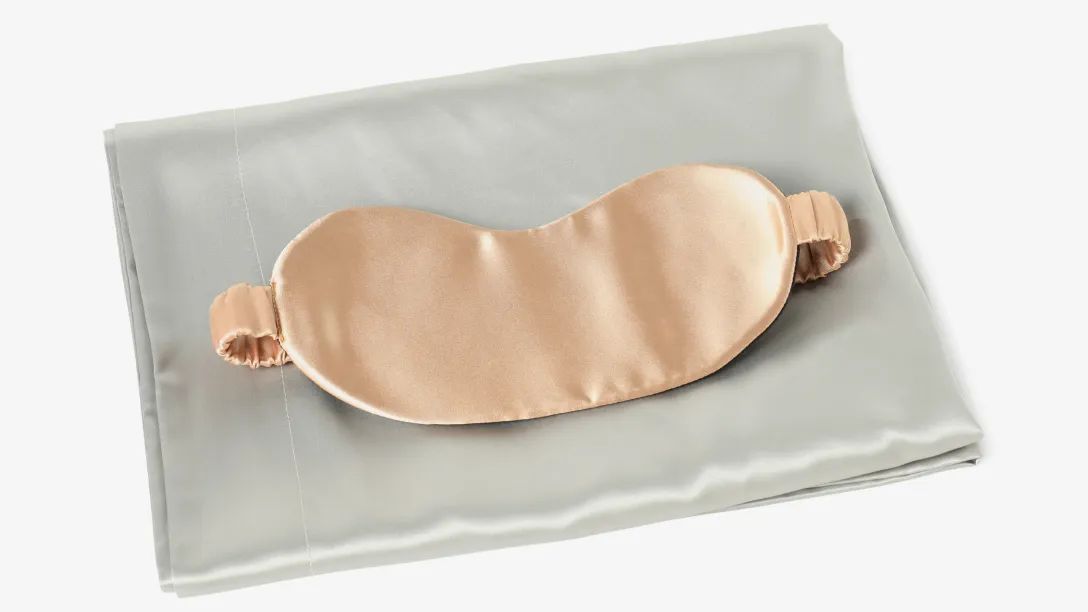
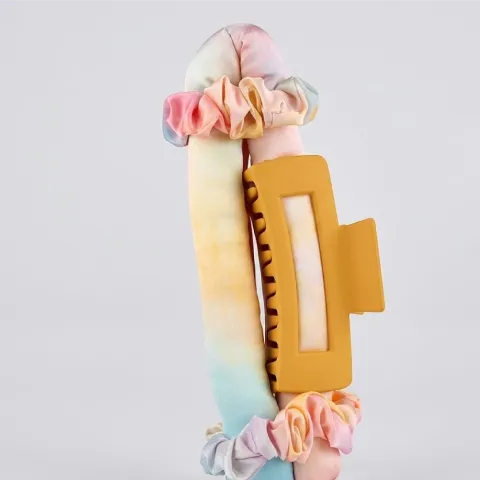
El costo unitario de una funda de almohada de seda se desglosa en consumo de tela, mano de obra y embalaje. La tela representa entre el 70% y el 80% del coste de la materia prima. Los rollos de seda estándar llegan en anchos de 114 cm, 140 cm o 280 cm. Calcular el patrón de anidamiento más eficiente para cortar las dimensiones requeridas de estos rollos reduce el desperdicio. Las líneas de producción capaces reutilizan los recortes de tela inevitables en artículos más pequeños. Esto reduce el desperdicio general de material y permite a las marcas obtener accesorios a juego de forma económica, como un scrunchie de seda coordinado o una máscara de dormir de seda.
Teñido, solidez del color y cumplimiento de OEKO-TEX
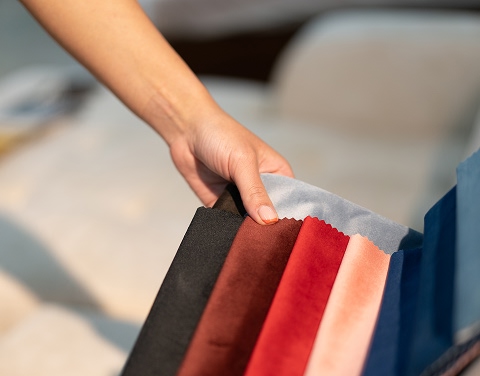
La consistencia del color en todos los lotes de producción es una métrica fundamental para los compradores B2B. El proceso de teñido del charmeuse de seda utiliza tintes ácidos, uniéndose eficazmente con la estructura proteica de la fibra de seda. Los paquetes técnicos definen colores utilizando el sistema Pantone (PMS) para textiles (códigos TCX o TPX). La solidez del color se mide en una escala de 1 a 5. La producción de alta calidad exige una calificación de solidez del color de 4 o superior tanto para lavado como para frote. Esto garantiza que los colores oscuros, como el azul marino o el negro, no destiñan sobre las sábanas de colores claros.
Los consumidores aplican accesorios para dormir directamente sobre su piel durante ocho horas por noche. La certificación OEKO-TEX Standard 100 es un requisito no negociable para los mercados premium. Esta certificación independiente verifica que la tela, los tintes y los hilos de coser estén completamente libres de sustancias nocivas, incluidos metales pesados, tintes tóxicos y formaldehído. Las instalaciones de fabricación deben contar con la documentación OEKO-TEX actualizada para respaldar las afirmaciones de salud y seguridad minoristas.
Branding personalizado e integración de envases
El branding del producto se produce en tres niveles. Las etiquetas tejidas cosidas en la costura interior proporcionan instrucciones de cuidado obligatorias y declaraciones de contenido de fibra (p. ej., "Seda de morera 100%"). El bordado de logotipos ofrece un acabado premium, generalmente ubicado en la esquina inferior derecha de la funda de almohada. El bordado requiere un estabilizador de respaldo durante la producción para evitar que la tela se arrugue, que luego los operadores retiran cuidadosamente.
El embalaje dicta la experiencia final del desempaquetado. Las bolsas OPP (bolsas de plástico) ofrecen una protección rentable para la distribución mayorista. Las cajas rígidas con cierre magnético o las cajas tipo sobre estampadas en papel de aluminio respaldan los canales minoristas DTC (directos al consumidor). Agrupar la funda de almohada junto con un gorro de seda en un set de regalo de seda personalizado aumenta constantemente el valor medio de los pedidos de las marcas de comercio electrónico.
Protocolos de control de calidad para la producción a granel
Verificar la producción a granel frente a la muestra aprobada requiere protocolos de prueba específicos. Los equipos de compras profesionales exigen las siguientes comprobaciones:
- Prueba de peso de la tela: Un cortador circular GSM extrae una muestra de tela para verificar que el peso momme cae dentro de la tolerancia de la industria del ±3%.
- Prueba de quemado: La seda pura se quema lentamente, huele a pelo quemado y deja una ceniza negra que se puede aplastar. Esto confirma la ausencia de mezclas de poliéster.
- Densidad de puntada: Los inspectores cuentan las puntadas por centímetro a lo largo de las costuras de alta tensión, específicamente cerca de los extremos de la cremallera. Un mínimo de 5 puntos por centímetro garantiza la longevidad.
- Inspección visual: Los operadores verifican la cara de la tela bajo iluminación especializada para detectar rayas de tensión del telar, manchas de tinte o defectos de hilo antes del plegado final.
Tres fallos de especificación que perjudican los márgenes minoristas
Solapas de sobre inadecuadas. Especificar una profundidad de solapa inferior a 18 cm ahorra costes menores de tela. Da como resultado que las almohadas se salgan durante el uso, lo que aumenta las tasas de devolución y daña la reputación de la marca.
Ignorar los márgenes de costura. El Charmeuse es muy propenso a deshilacharse en los bordes ásperos. Los paquetes técnicos deben especificar costuras interiores overlock o costuras francesas para evitar fallas estructurales durante el lavado a máquina en el hogar.
Sobreespecificar el momme para el canal incorrecto. El uso de seda de 25 momme para un obsequio promocional destruye los márgenes de beneficio. La diferencia de costo de material entre 19 y 25 momme es sustancial. Alinee la densidad de la tela de manera precisa con el punto de precio minorista final.
Inicie su proyecto de fundas de almohada de seda personalizadas
Fijar el peso de los momme, las dimensiones y el estilo de cierre permite obtener un presupuesto de producción preciso y vinculante. La Cantidad Mínima de Pedido (MOQ) estándar para fundas de almohada de seda personalizadas es de 50 a 100 piezas por color, lo que permite a las marcas probar nuevas combinaciones de colores sin un gran riesgo de inventario. La producción de muestras suele tardar entre 7 y 10 días, seguidos de 15 a 25 días para la fabricación a granel. Póngase en contacto con nuestro equipo indicando sus requisitos dimensionales y el volumen objetivo para iniciar el proceso de muestreo.
FAQ
La cantidad mínima de pedido estándar es de 50 a 100 piezas por color o diseño impreso. Este volumen permite el tamaño personalizado, la selección de cierres y etiquetas de marca, al tiempo que mantiene los costes de inventario iniciales manejables para los lanzamientos de nuevos productos.