Gorro de seda para el cabello: guía de un fabricante sobre beneficios, seda vs satén y cómo elegir un gorro de calidad


Un gorro de seda hace bien una sola cosa: mantiene tu cabello lejos del algodón mientras duermes. Esa superficie lisa y de baja fricción es lo que protege rizos, contornos y peinados durante la noche, y por eso el gorro es un imprescindible nocturno para el cabello texturizado y teñido. El problema es que la mayoría de los gorros vendidos como «seda» son en realidad satén de poliéster, así que conviene conocer la diferencia antes de comprar o fabricar uno.
Fabricamos gorros de seda personalizados en nuestra fábrica de Suzhou, en seda de morera. Esta guía explica qué aporta un gorro de seda al cabello, cómo se comparan de verdad la seda y el satén, quién se beneficia más y qué hace que un gorro merezca conservarse — tanto si eliges uno como si abasteces una línea.
Qué es un gorro de seda y cómo protege el cabello
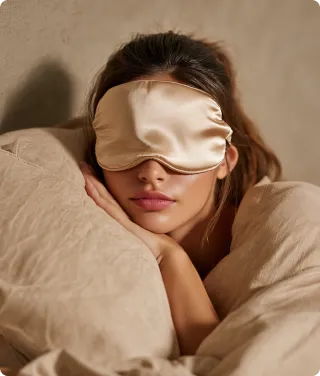
Un gorro de seda es una prenda para la cabeza hecha de 100 % seda, normalmente de morera, que se lleva sobre el cabello al dormir. Protege el cabello al sustituir el algodón áspero y absorbente por una superficie de seda lisa, lo que reduce la fricción y la pérdida de hidratación que causan el encrespamiento, la rotura y la sequedad nocturnos.
Las fundas de algodón actúan contra el cabello de dos formas: las fibras ásperas enganchan la cutícula al moverte, y el algodón absorbente extrae hidratación y producto de las hebras. Un gorro de seda corrige ambas. Los beneficios se reducen a unas pocas propiedades de la seda:
• Baja fricción. La superficie de seda lisa deja que el cabello se deslice en lugar de engancharse, lo que reduce la rotura, las puntas abiertas, el encrespamiento y los enredos de la mañana.
• Retención de hidratación. La seda absorbe solo un poco de humedad ambiental, así que no extrae los aceites naturales y los productos como hace el algodón. El cabello se mantiene hidratado durante la noche.
• Menos estática. Como fibra proteica, la seda genera poca estática, de ahí menos pelitos sueltos y encrespamiento en habitaciones secas o con calefacción.
• Transpirable y reguladora de la temperatura. La seda deja pasar el aire y el vapor de agua, manteniendo el microclima del cuero cabelludo seco y fresco. El poliéster atrapa calor y sudor, lo que con el tiempo puede alimentar irritaciones.
• Suave con la piel. La seda de morera es naturalmente hipoalergénica, lo que conviene a cueros cabelludos y contornos sensibles.
El mecanismo es el mismo que el de una funda de seda, aplicado a una prenda que se mueve con tu cabello toda la noche. Nuestra guía de beneficios de la funda de seda profundiza en la ciencia del cabello y la piel.
Gorro de seda vs gorro de satén: la diferencia real
La diferencia esencial es la fibra: la seda es una fibra proteica natural, mientras que el «satén» es un ligamento, y la mayoría de los gorros de satén están hechos de poliéster. Ambos crean una superficie lisa y de baja fricción que protege el cabello, pero la seda añade transpirabilidad, mejor gestión de la humedad y confort hipoalergénico que el satén sintético no iguala.
Esta es la pregunta que frena a la mayoría de los compradores, así que aquí va el desglose honesto. Un gorro etiquetado «satén» o «sedoso» es casi siempre poliéster, ya que el satén describe el ligamento más que el material. Cuidado también con «satén de algodón», que es algodón y la opción equivocada para el cabello.
| Propiedad | Gorro de seda (seda de morera) | Gorro de satén (poliéster) |
| Material | Fibra proteica natural | Ligamento sintético (poliéster) |
| Fricción | Muy baja | Baja |
| Transpirabilidad | Alta; reguladora de la temperatura | Más baja; puede atrapar calor y humedad |
| Retención de hidratación | Alta; no extrae aceites | Buena, pero menor que la seda |
| Estática | Mínima | Puede acumular estática en aire seco |
| Confort del cuero cabelludo | Hipoalergénica, transpirable | Correcto para la mayoría; menos transpirable |
| Durabilidad | 12-24+ meses con cuidado suave | 6-12 meses; el elástico se deshilacha antes |
| Cuidado | Lavado a mano, secado al aire | Lavado a máquina (delicado); más tolerante |
| Coste | Más alto | Más bajo; vegano |
La conclusión práctica: la seda es la opción premium, y saca más ventaja en cueros cabelludos sensibles o con tendencia al eczema, cabello teñido o muy fino y personas que duermen con calor, donde importan la transpirabilidad y la fibra natural. Un buen gorro de satén de poliéster es una opción económica sólida, es vegano y aguanta bien el lavado a máquina. Para cabello natural y texturizado, ambos protegen bien, y pasar a la seda va de transpirabilidad, longevidad y confort para la piel.
Un punto que comparten ambos materiales: el ajuste importa tanto como el tejido. Un gorro fino que se sale por la noche protege menos que uno bien hecho que se queda en su sitio.
Qué tipos de cabello se benefician más de un gorro de seda
Un gorro ayuda a todo tipo de cabello, pero el beneficio escala con la textura y el tratamiento.
• Muy rizado y afro (Tipo 4). El mayor beneficiado. El cabello de Tipo 4 es naturalmente más seco porque los aceites recorren la hebra de forma despareja, así que la retención de hidratación nocturna y la protección de contornos importan más.
• Rizado (Tipo 3). La seda mantiene la definición del rizo y la hidratación; la clave es tener espacio para recoger los rizos sueltos en «piña» de modo que el gorro no aplaste el patrón.
• Ondulado (Tipo 2). Ayuda a mantener la definición de la onda que la fricción separaría de otro modo durante la noche.
• Liso (Tipo 1). Un beneficio moderado pero real — menos marcas, estática y pelitos sueltos, y conserva los brushings y los resultados de la plancha.
• Peinados protectores, cabello teñido y muy fino. Trenzas, locs, twists y un silk press reciente duran todos más bajo un gorro. El cabello tratado químicamente y muy fino ya es frágil, así que la menor fricción protege el trabajo del salón y reduce la rotura.
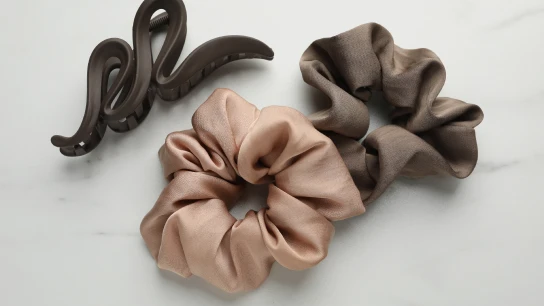
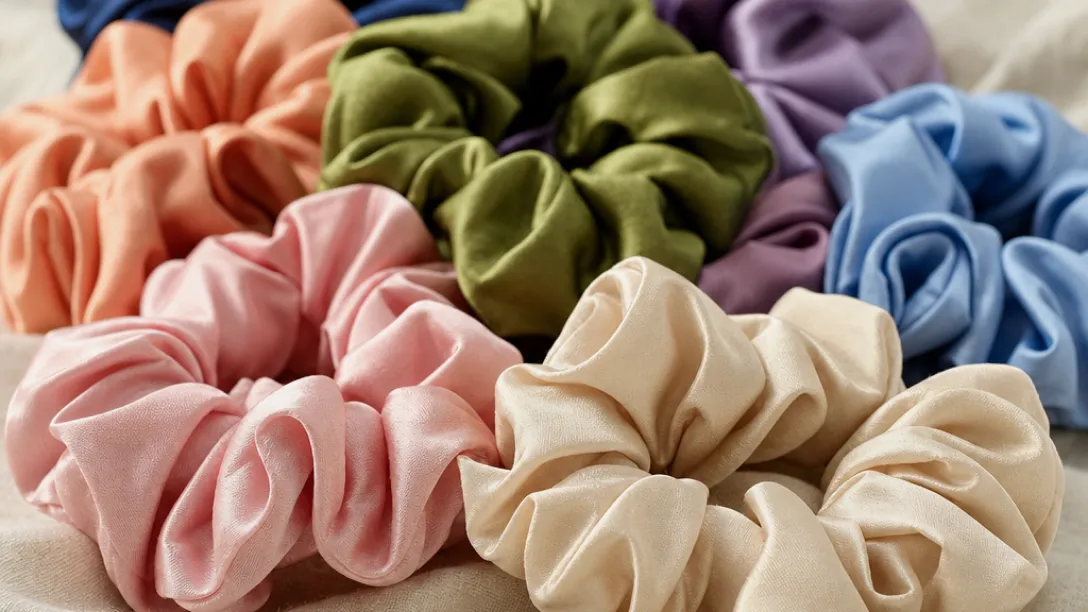
La misma lógica de baja fricción se traslada a los accesorios de cabello de día — nuestros accesorios de cabello de seda como los coleteros funcionan con el mismo principio para coletas y recogidos.
Qué hace que un gorro de seda sea de calidad
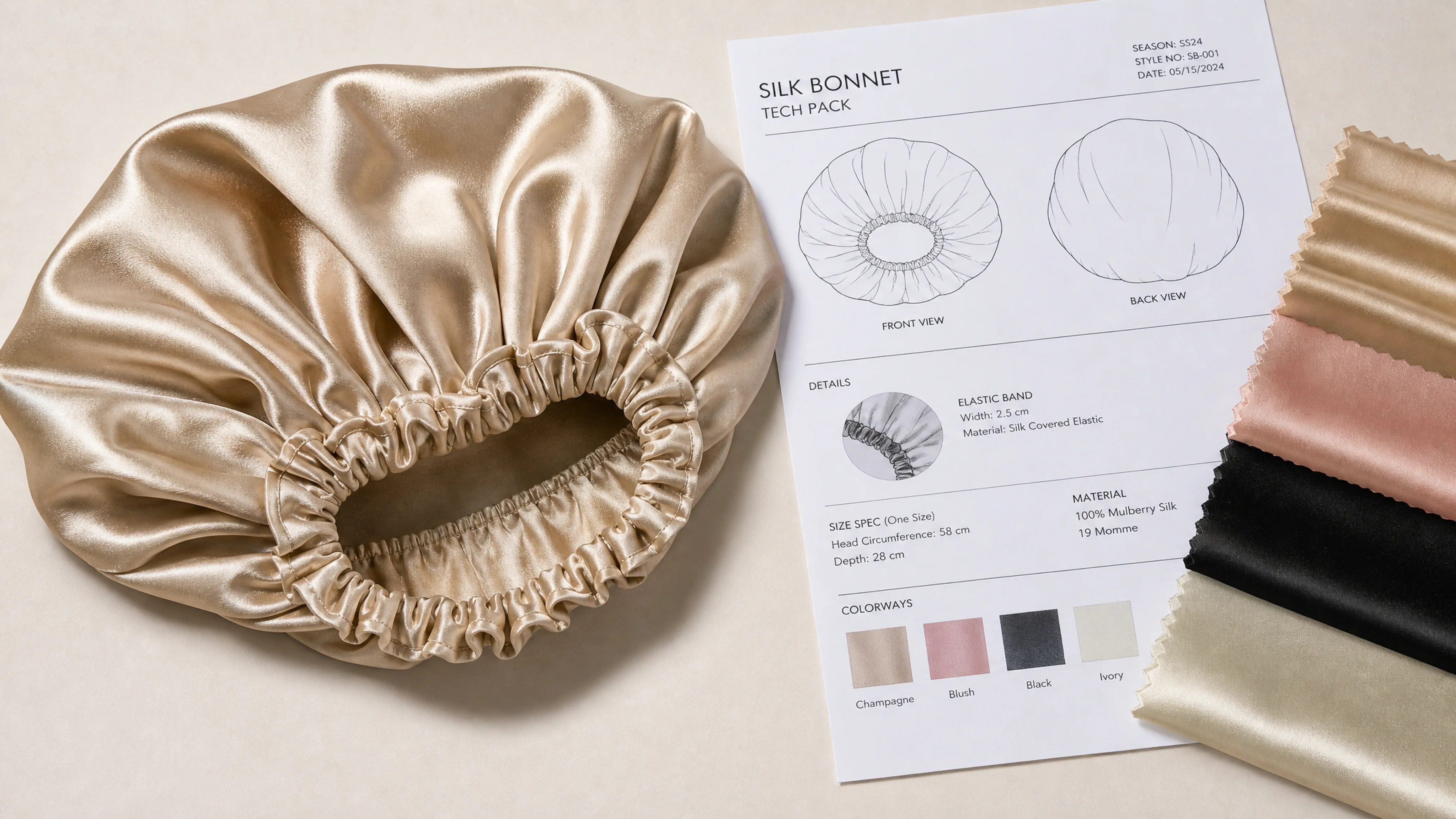
Un gorro de seda de calidad tiene un interior liso de 100 % seda de morera (la capa que toca el cabello), una confección de doble forro que mantiene la forma, una banda ancha, suave y ajustable que se sostiene sin clavarse, y un tamaño generoso sin costuras interiores ásperas. El tejido y el ajuste deciden ambos lo bien que protege.
Qué comprobar, y qué incorporamos a los nuestros:
• Interior de 100 % seda de morera. La capa en contacto con el cabello debe ser auténtica charmeuse de seda de morera, normalmente alrededor de 19 a 22 momme — lisa, duradera y lo bastante sustancial para durar. Consulta nuestra descripción de la charmeuse de seda y nuestra guía del peso en momme para el significado de esas especificaciones.
• Confección de doble forro. Una doble capa es más duradera, mantiene la forma al lavar y protege mejor que una sola capa fina. Los diseños reversibles de doble seda son comunes en la gama premium.
• Banda suave, ancha y ajustable. Un elástico ancho, un cordón o una banda de dos niveles mantiene el gorro toda la noche sin clavarse en el nacimiento del pelo, los contornos o la nuca. La ajustabilidad es lo que evita que se salga.
• Tamaño generoso y profundidad de copa. Espacio suficiente para contener rizos recogidos, trenzas o un silk press sin aplastarlos.
• Interior liso, costuras limpias. Pasa la mano por dentro — debe sentirse completamente liso, sin costuras ásperas que enganchen el cabello.
Cómo reconocer un gorro de seda auténtico
Muchos gorros se venden como «seda» pero son satén de poliéster. Estas comprobaciones confirman el auténtico.
• La etiqueta dice «100 % seda de morera» con un peso en momme. «Satén», «sedoso» o sin composición significa que no es seda.
• Se siente fresco al primer tacto. La seda se siente fresca y luego se entibia con la piel; el poliéster se queda a temperatura ambiente.
• El reverso es mate. La charmeuse de seda tiene una cara brillante y un reverso mate; el satén de poliéster suele ser brillante por ambos lados.
• Prueba de quema en un hilo suelto. Si tienes una muestra, la seda real arde despacio, huele a pelo quemado y se autoextingue; el poliéster se funde en una bolita y huele a plástico.
• Certificación OEKO-TEX. Confirma que la seda está libre de residuos químicos nocivos, lo que importa contra el cuero cabelludo y el nacimiento del pelo. Mira nuestra página de certificaciones.
Cómo llevar un gorro de seda
Sacar el máximo de un gorro es sencillo.
• Empieza con el cabello seco. Poner un gorro sobre cabello mojado atrapa humedad contra el cuero cabelludo, lo que puede causar irritación. Sécalo con toalla o deja que se seque primero.
• Recoge el cabello suelto. Rizos en «piña» arriba, o trenza o recoge en moño el cabello largo sin apretar, para evitar enredos y conservar el volumen.
• Méte todo dentro. Asegúrate de que el gorro cubra todo tu cabello, incluidos los contornos, con la banda apoyada cómodamente a lo largo del nacimiento del pelo.
• Llévalo cada noche. Los beneficios se acumulan, así que el uso nocturno constante es lo que reduce la rotura acumulada y mantiene los peinados frescos.
Si tu gorro se mueve por la noche, una funda lisa debajo mantiene el cabello lejos del algodón de todos modos. Muchas personas usan juntas una funda de seda y un gorro.
Cuidado de un gorro de seda
Un gorro de seda dura un año o más con cuidado suave.
• Lavar a mano en agua fresca. Usa agua por debajo de 30 °C y un detergente de pH neutro o específico para seda. Lava cada una o dos semanas, o cada semana con uso intenso de producto.
• Sin lejía ni suavizante. Ambos dañan la seda y el elástico, y el suavizante apaga la superficie.
• No escurrir ni frotar. Presiona el agua con suavidad. El trato brusco deforma el tejido y la banda.
• Secar al aire a la sombra. En plano o colgado lejos del sol directo, y nunca en secadora, ya que el calor encoge y debilita la seda.
• Guardar transpirable. Guárdalo en una bolsa de algodón o un cajón, no en una bolsa de plástico, que atrapa la humedad.
Nuestra guía de cómo lavar la charmeuse de seda detalla la rutina de lavado.
Abastecimiento de gorros de seda personalizados para tu marca
El gorro de seda está en el centro del mercado del cabello natural y los peinados protectores, y la confección es lo que separa una recompra de una devolución. Un interior de auténtica seda de morera, con doble forro, banda suave ajustable y costuras limpias da un gorro que protege bien y dura; el poliéster fino con etiqueta «seda» no. Fija el contenido de seda, el momme, el forro, la banda y las tallas antes de la producción.
DreamSilk fabrica gorros de seda personalizados de principio a fin en nuestra fábrica de Suzhou, en charmeuse de seda de morera grado 6A, certificada OEKO-TEX. Personalizamos la banda y las tallas, el color y el estampado, la confección de doble forro o reversible, las etiquetas tejidas y el embalaje, y producimos accesorios de cabello y fundas de almohada de seda a juego para una línea de cuidado capilar completa. Para estampados y opciones de patrón a medida, consulta nuestra biblioteca de patrones de seda.
Indícanos tu confección, momme, color o estampado, tallas y volumen. Enviaremos muestras de tejido gratuitas y una muestra para que compruebes la suavidad interior y la banda, junto con una ficha técnica clara. Explora nuestra página de gorro de seda personalizado o contáctanos para un presupuesto para empezar.
FAQ
En la mayoría de aspectos, sí. Un gorro de seda es más transpirable, gestiona mejor la humedad y es más suave con un cuero cabelludo sensible que un gorro de satén de poliéster, y dura más con cuidado. Un buen gorro de satén aún protege bien el cabello, es más barato y vegano, y es más fácil de lavar a máquina. La seda saca más ventaja en cueros cabelludos sensibles, cabello teñido o muy fino y quienes duermen con calor.