Silk Pillowcase Benefits for Hair, Skin & Sleep: A Manufacturer's Evidence-Based Guide


Search "silk pillowcase benefits" and you will find hundreds of articles, mostly written by DTC brands selling their own product. Few of them explain why the science actually works, fewer still get into how the fabric specifications determine whether the benefits materialize, and almost none discuss what to verify before sourcing silk pillowcases as a brand buyer.
DreamSilk has been weaving silk and producing silk pillowcases for over a decade, supplying both finished goods to international brands and bulk silk fabric to other manufacturers. This guide walks through what real benefits silk pillowcases deliver for hair, skin, and sleep — grounded in the published dermatology research and our own production data — and which fabric specifications determine whether your customers actually experience those benefits.
What Makes Silk Different: The Fiber Properties Behind the Benefits
Before listing benefits, it helps to understand why silk delivers them. Silk is unlike any common bedding fabric — it is a protein fiber produced by silkworms, structurally closer to human hair and skin than to plant fibers like cotton.
The relevant fiber properties:
Protein composition. Silk fiber is made of two proteins: fibroin (70–80% of the fiber mass) and sericin (20–30%). Fibroin gives silk its structural strength and characteristic smoothness; sericin, which has been studied for anti-aging and antioxidant properties, is the natural glue coating that gets removed during degumming. The amino acid profile of silk fibroin is similar to keratin in human hair — which is part of why silk and hair coexist so well.
Smooth surface friction coefficient. Silk has a lower friction coefficient against hair and skin than cotton, polyester, or linen. The smooth filament surface allows hair and skin to glide across the pillow rather than catch and pull.
Hygroscopic but not absorbent. Silk regulates moisture differently from cotton. It absorbs moisture from air into its fiber structure (hygroscopic behavior), but it does not soak up surface moisture aggressively (which cotton does). The practical result: silk wicks ambient humidity away from skin without pulling natural oils and skincare products into the fabric.
Natural temperature regulation. Silk fiber has a complex prismatic cross-section that reflects light and air pockets in different directions, giving silk natural cooling in warm conditions and slight insulation in cool conditions. This is why historically silk was worn as a summer fabric in Asia and as base-layer insulation in cold-weather expedition kit.
Hypoallergenic profile. Silk is naturally resistant to dust mites, mold, and many common allergens. The American Academy of Dermatology has noted silk as appropriate for sensitive skin and certain dermatological conditions where allergen exposure aggravates symptoms.
These properties combine to produce the specific hair, skin, and sleep benefits covered below. A silk pillowcase that delivers these benefits must be a genuine 100% mulberry silk product at appropriate momme weight. Cheaper "silk-feel" alternatives in synthetic satin do not have any of these fiber properties and deliver none of the benefits.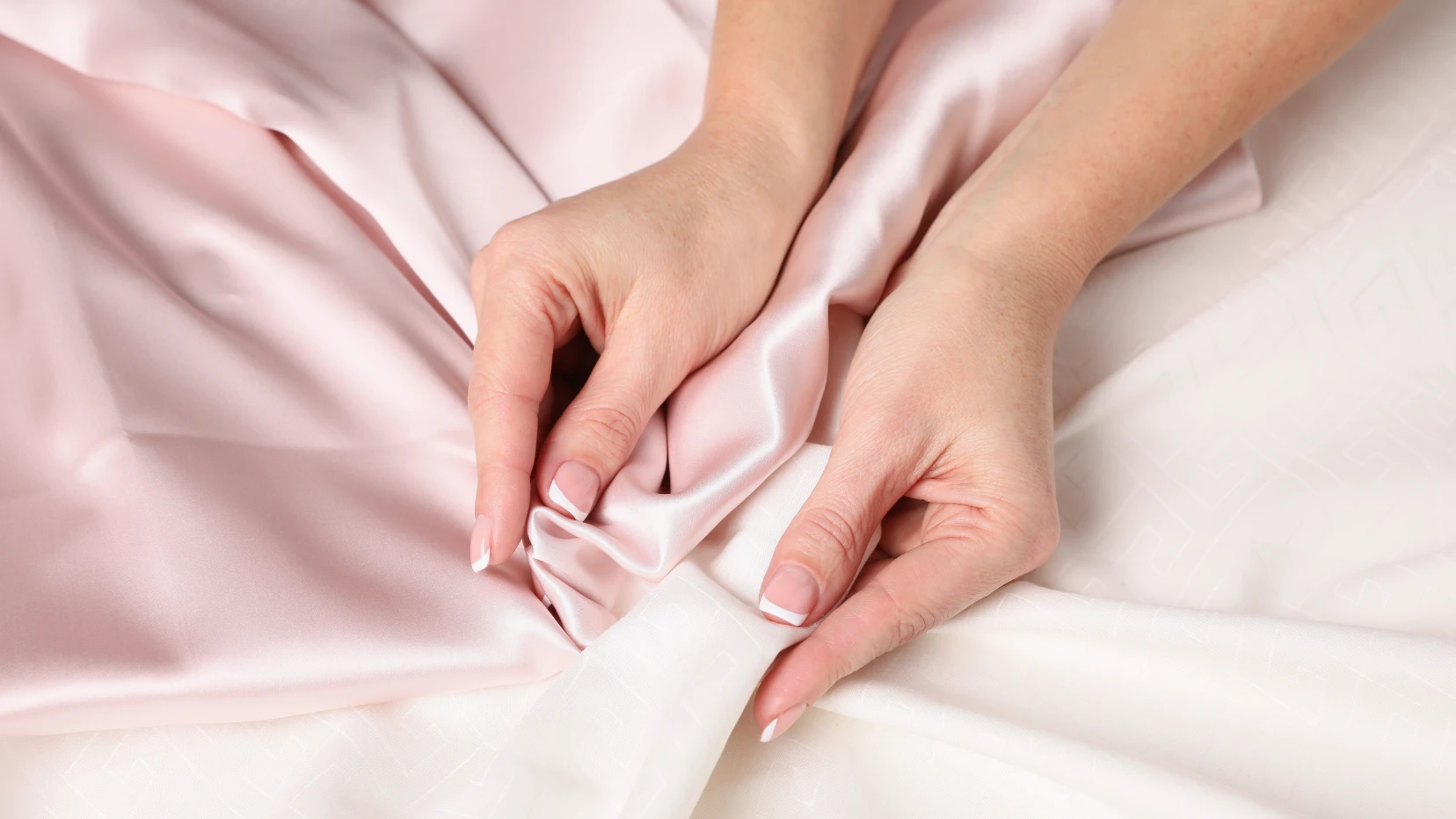
Hair Benefits of Silk Pillowcases: Less Breakage, Frizz, and Tangling
Hair benefits are the most consistently reported and easiest to verify outcome of switching to a silk pillowcase. The mechanism is straightforward: hair sliding against a smooth low-friction surface experiences less mechanical stress than hair grinding against a rough absorbent surface across 7–9 hours of sleep movement.
Less breakage and split ends. Hair is most vulnerable when wet or when chemically treated (color-treated, bleached, relaxed). Cotton pillowcases pull and tug at hair strands during the friction of sleep movement, contributing to mechanical hair breakage over time. Smooth silk surfaces dramatically reduce this friction. Dermatologists who treat hair breakage routinely include "switch to a silk pillowcase" in their patient guidance.
Reduced morning frizz and tangles. Customers report waking with smoother, less tangled hair when switching to silk. The mechanism is the same as breakage reduction — less friction during sleep means less raised hair cuticles, which means less frizz visible in the morning. In a 30-day silk pillowcase consumer study published by one manufacturer, 94% of participants reported reduced bedhead and 88% reported less hair frizz. Independent dermatology coverage corroborates these self-reported benefits.
Better retention of hair moisture and styling products. Cotton pillowcases absorb significant moisture and oil from hair overnight. Silk absorbs less, leaving natural hair oils, leave-in conditioners, and overnight hair masks in place where they belong. For customers with curly, coiled, or dry hair types, this is one of the most valuable practical benefits.
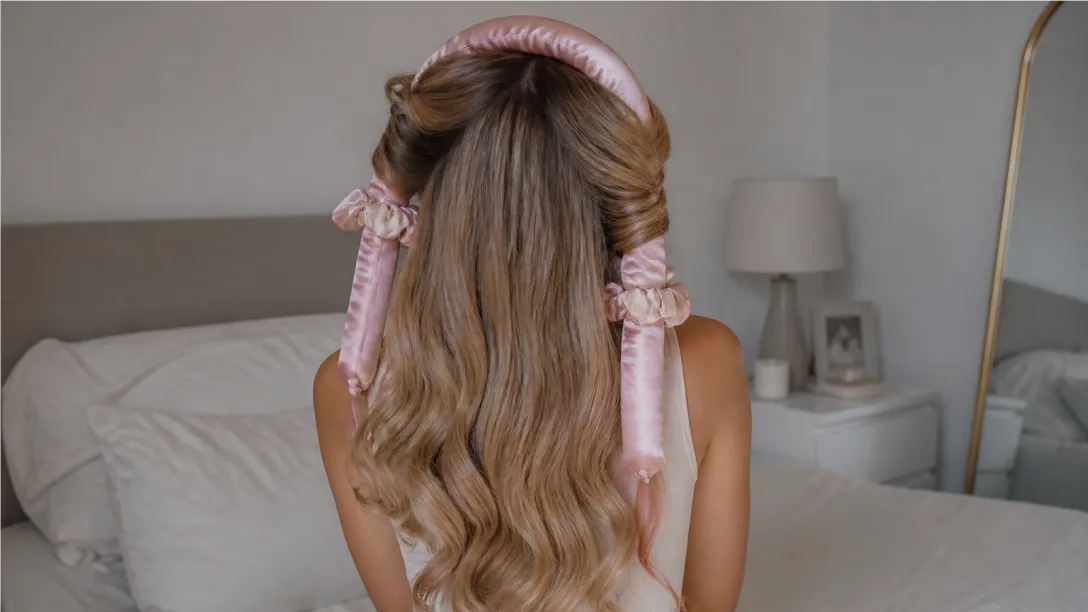
Supports protective hairstyles. For braided, bonneted, or twist-set hair, silk pillowcases reduce the friction that would otherwise unravel or rough up the style. The combination of a silk bonnet and silk pillowcase is the gold standard for overnight curl preservation.
The fabric specification that matters. Hair benefits require a smooth satin-weave silk surface. Charmeuse is the right choice — its long satin floats create the smoothest possible silk surface. Plain-weave silks (habotai) are softer than cotton but produce less hair benefit than charmeuse. Heavier momme silks (22+ mm) deliver more durable benefits because the smooth surface lasts longer through wash cycles.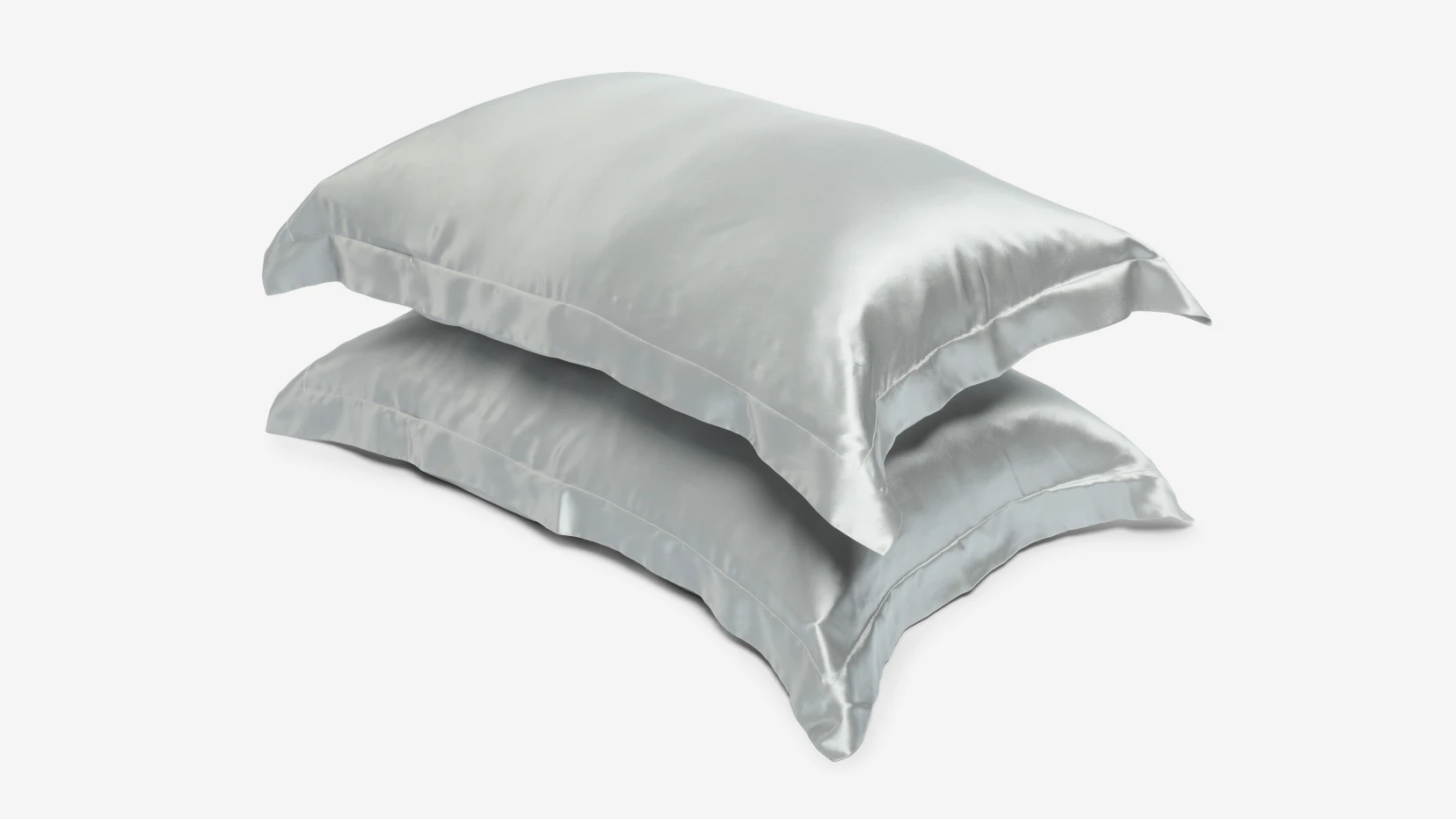
Skin Benefits of Silk Pillowcases: Less Friction, Sleep Lines, and Moisture Loss
Skin benefits are more nuanced than hair benefits and more dependent on the individual sleeper's skin type, sleep posture, and skincare routine. But the consistent findings across published dermatological research and clinical trials are real.
Reduced friction on facial skin. Side and stomach sleepers compress facial skin against the pillow for hours each night. The friction between skin and a rough cotton surface produces "sleep lines" — temporary creases in the morning that, with decades of repetition, can deepen into permanent fine lines along the cheek and forehead. The journal Cosmetic Dermatology has published research specifically documenting facial aging from sleep compression. Smooth silk surfaces allow facial skin to slide rather than crease, reducing the mechanical contribution to sleep wrinkles. Dermatologists are clear that silk pillowcases do not reverse existing wrinkles — they reduce one of several factors that contribute to skin aging over time.
Better skin hydration overnight. Cotton fabric draws moisture from facial skin into the pillow, leaving skin drier in the morning. Silk's low absorbency keeps facial moisture, natural skin oils, and applied nighttime moisturizer on the skin where they were intended to work. Dermatologists treating dry skin and sensitive skin consistently recommend silk bedding for this reason. Clinical instrumental analysis on test subjects aged 33–63 has documented measurable improvements in skin hydration and elasticity after 28 days on silk pillowcases.
Acne and inflammation reduction for some skin types. For acne-prone or sensitive skin, the combination of less friction (which reduces mechanical irritation), less absorption of natural oils (which reduces the rebound oil production that contributes to clogged pores), and silk's natural antimicrobial properties (which slows bacterial growth on the fabric surface) can meaningfully improve nighttime skin conditions. Dermatologists treating acne, eczema, and rosacea frequently recommend silk pillowcases as a supportive change alongside primary clinical treatments.
Support for sensitive skin and skin conditions. Published research has documented silk's beneficial effects on atopic dermatitis (eczema) in patient studies. The combination of silk's hypoallergenic profile, low friction, and moisture-balanced surface makes it appropriate for patients with reactive skin, while standard cotton or synthetic bedding can aggravate flare-ups.
The fabric specification that matters. Skin benefits require both a smooth surface and confirmation that no irritating chemicals remain in the fabric. This means OEKO-TEX® STANDARD 100 certification on the finished product, not just on the base silk. A poorly finished silk product with chemical residue can produce more skin irritation than a good cotton pillowcase. Grade 6A mulberry silk is the standard reference; 19–22 momme is the optimal weight range for skin contact.
Sleep Benefits of Silk Pillowcases: Temperature, Comfort, and Sleep Quality
Sleep benefits are the third category and the one where customer perception varies most by individual. Some sleepers describe transformative improvement; others describe a subtle but consistent quality lift. The mechanism is largely about temperature regulation and tactile comfort.
Temperature regulation across seasons. Silk's hygroscopic moisture-handling and naturally cooling fiber structure produces a pillow surface that stays close to comfortable temperature year-round. Hot sleepers report less night sweating against silk; cool sleepers report less of the cold "wet cotton" feeling against silk in winter. This is especially valuable for sleepers in menopause, sleepers experiencing temperature dysregulation from medications, and sleepers who share beds with partners at different temperature preferences.
Reduced contact discomfort. The smooth low-friction surface produces a pillow contact experience that many sleepers describe as more comfortable, particularly for those with sensitive necks or skin. Friction-induced micro-irritation across hours of sleep can subtly disrupt sleep quality without being consciously noticed.
Hypoallergenic environment. Silk is naturally resistant to dust mites, which trigger allergic reactions in a significant portion of sleepers. For allergy-prone customers, silk bedding (pillowcase plus silk pillow cover) can meaningfully reduce nighttime allergy symptoms compared to standard cotton bedding.
Improved sleep among customers with skin conditions. Patients with eczema, dermatitis, and other inflammatory skin conditions often report improved sleep quality on silk because the nighttime skin irritation that disrupts sleep is reduced. This is a secondary benefit, downstream of the skin benefits noted above.
The fabric specification that matters. Sleep benefits depend most on momme weight (heavier silk creates a more substantial pillow surface that reads as luxurious and sleep-conducive), construction quality (no scratchy seams, hidden zippers rather than envelope closures, French seam interior finishing), and OEKO-TEX certification (no chemical residues that could disturb sensitive sleepers).
What "100% Silk Pillowcase" Should Actually Mean: Specifications That Determine Real Benefits
The benefits above are real, but they require a real silk pillowcase. The market is full of pillowcases marketed as "silk" or "satin silk" or "silky satin" that contain little or no actual silk. Brand buyers and end customers both need to know how to verify quality.
100% mulberry silk fiber. The label "silk" can technically apply to any silk variety, but premium silk pillowcases should be 100% mulberry silk from Bombyx Mori silkworms. Wild silks (tussar, eri) are different in texture and not appropriate for pillowcase applications. "Silk satin" without "100% mulberry" specification is suspect.
Grade 6A. Mulberry silk is graded by fiber length, fineness, and consistency, with 6A being the highest commercial grade. Lower grades (5A, 4A, 3A) work in fabric production but produce pillowcases with shorter durability and more variable hand. Premium brands should source only Grade 6A.
Momme weight in the 19–25 mm range. Below 19 mm, silk pillowcases wear faster — our internal life-cycle testing shows 19 mm charmeuse pillowcases start losing surface integrity around 80–100 nightly wash cycles, while 22 mm holds well past 150 cycles. 22 mm is the industry-standard reference for premium silk pillowcases. 25 mm is ultra-luxury positioning. Our silk momme weight guide covers the full scale.
Charmeuse satin weave. Plain-weave silks (habotai) and crepe weaves (crepe de chine) are softer than cotton but do not deliver the smooth low-friction surface that produces the headline hair and skin benefits. Premium silk pillowcases should specifically be silk charmeuse — the satin weave that produces the characteristic glossy face and smooth feel.
OEKO-TEX STANDARD 100 on the finished product. OEKO-TEX confirms the absence of harmful chemicals across the entire finished pillowcase: silk base, dye, finishing agents, threads, and zipper hardware. This certification is what separates a premium silk pillowcase that is safe for sensitive skin and infants from a cheap silk product that might contain dye residues.
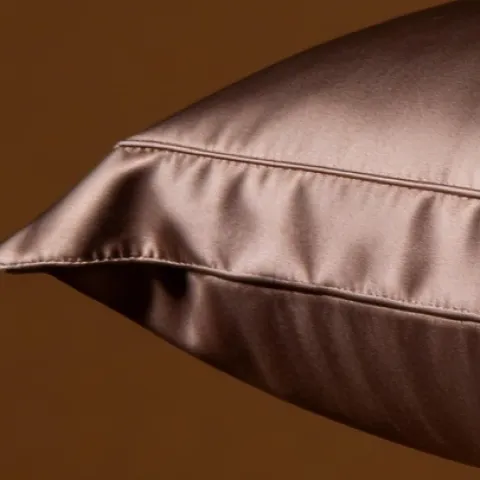
French-seamed construction. Premium silk pillowcases use French seams throughout the interior construction. This is both a luxury signal and a functional benefit — French seams prevent fraying at interior edges that would otherwise shed fibers into the laundry over time. See our silk sewing techniques guide for the full breakdown.
Hidden zipper closure (not envelope flap). Envelope closures are easier to manufacture but produce a visible flap at the pillow opening and can come undone during sleep. Premium pillowcases use a hidden invisible zipper along one edge, providing secure closure without disrupting the smooth surface.
Anything marketed as a silk pillowcase that lacks any of these specifications is delivering reduced or no benefits to the end customer. For brand buyers, specifying these requirements upfront prevents the most common quality complaints customers raise after purchase.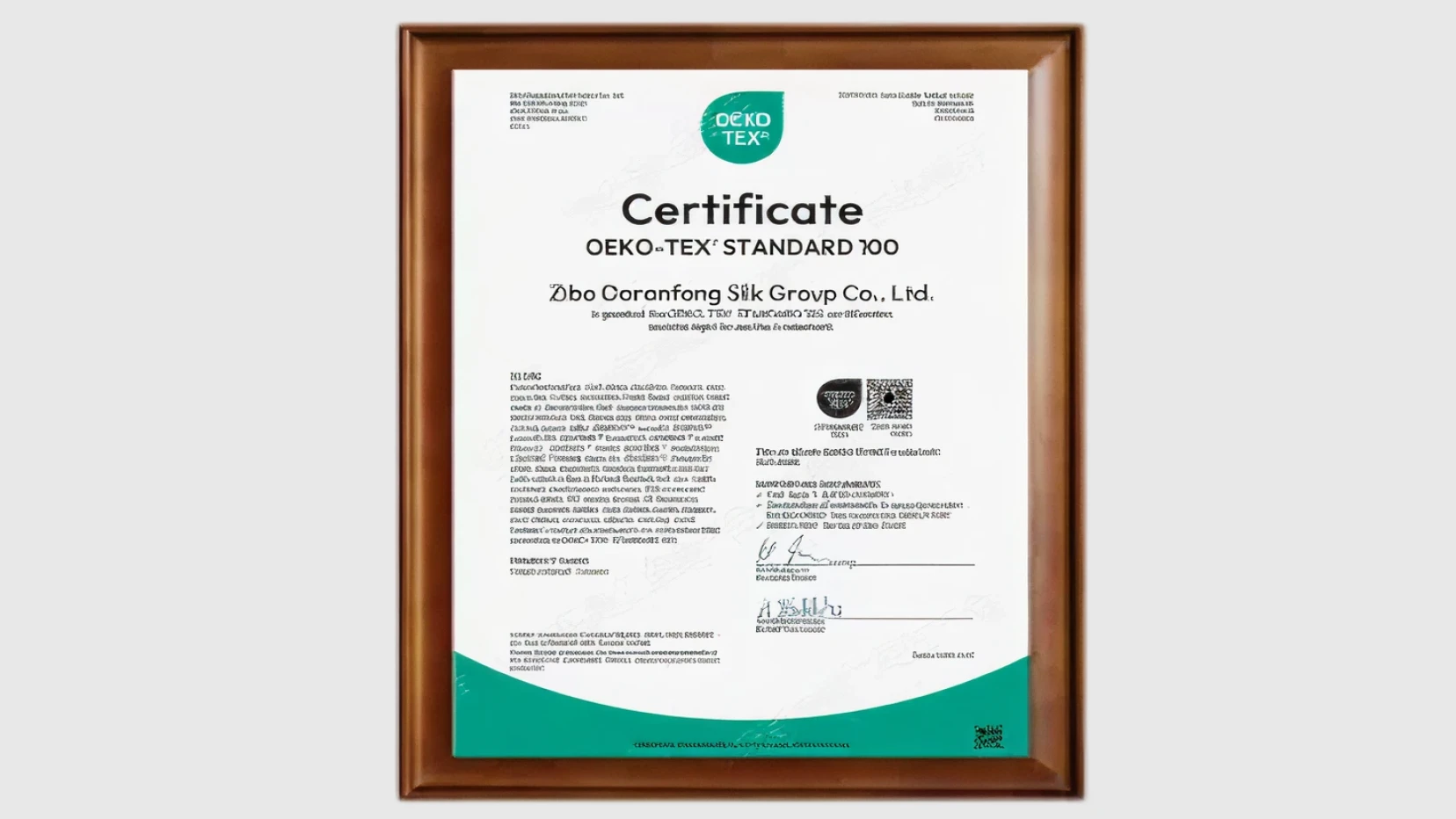
Silk Pillowcase vs Satin Pillowcase: What the Difference Actually Means for Customers
The most common confusion in the silk pillowcase category is between genuine silk and synthetic satin marketed under silk-adjacent names. The difference is consequential.
Silk is a natural protein fiber from silkworms. It has all the hair, skin, and sleep benefits described above, derived from the specific fiber properties of silk protein.
Satin is a weave structure, not a fiber. Satin can be woven from silk (genuine silk satin), polyester, nylon, acetate, or rayon. Synthetic satin pillowcases are visually glossy and have the smooth surface that reduces friction — so they deliver some of the hair benefits (less breakage, less frizz) — but they lack silk's protein composition, hygroscopic moisture handling, temperature regulation, and hypoallergenic properties. Synthetic satin can also generate static electricity, which silk does not, and the synthetic surface can feel hot and clammy in warm weather rather than cool.
| Property | 100% Mulberry Silk | Synthetic Satin |
|---|---|---|
| Fiber type | Natural protein (fibroin) | Petroleum-derived polymer |
| Hair friction reduction | Excellent | Good |
| Skin moisture retention | Excellent | Poor (does not absorb moisture, but does not regulate it either) |
| Temperature regulation | Excellent (naturally cooling) | Poor (often runs hot) |
| Hypoallergenic / dust mite resistance | Yes (naturally) | No |
| Static electricity | None | Common |
| Durability with nightly use | 150+ wash cycles (22 mm) | 50–100 cycles before noticeable wear |
| Production sustainability | Renewable natural fiber, OEKO-TEX certifiable | Petroleum-based, microplastic shedding concerns |
| Typical price point | $40–$200 | $10–$40 |
For brands, the practical guidance: do not market synthetic satin under silk-adjacent names. The customer disappointment when they learn the difference damages brand trust permanently. If a brand is selling synthetic satin, market it honestly as "satin pillowcase" and price it accordingly. If marketing silk benefits, deliver actual silk.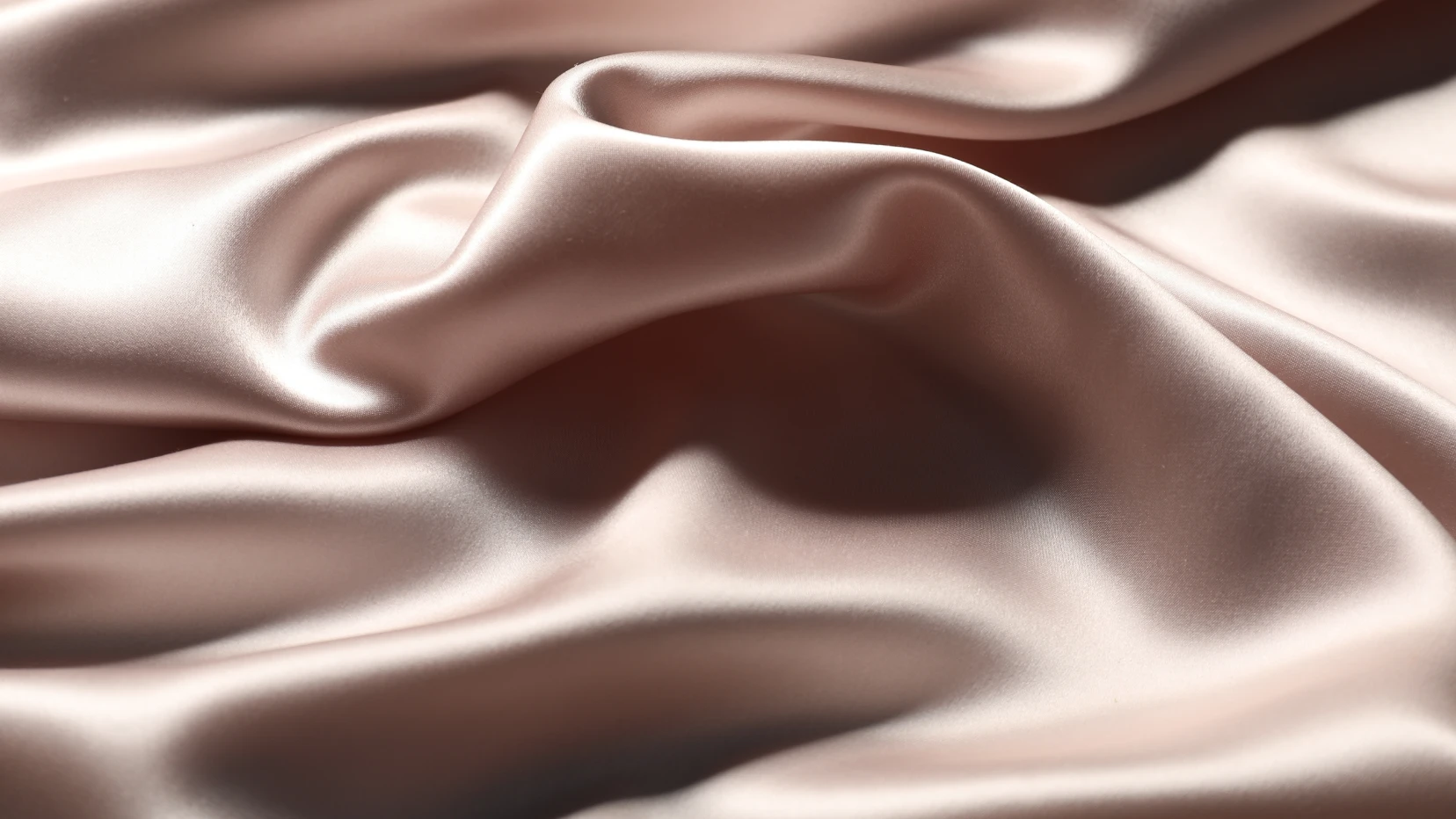
How to Care for a Silk Pillowcase to Preserve Its Benefits
Customers who experience the full benefits of silk pillowcases are typically the ones who follow proper care instructions. Customers who experience disappointment are usually treating silk like cotton. Brand owners should include clear care guidance in their packaging.
The recommended protocol:
- Hand wash or gentle machine wash on cold cycle (below 30 °C). Use a mesh laundry bag for machine washing. Wash with similar-color silk items, not with rough textiles like denim or towels.
- pH-neutral or silk-specific detergent. Standard alkaline laundry detergents damage silk protein over time. Silk-specific or wool-and-silk detergents are the right choice.
- Avoid chlorine bleach and oxygen bleach. Both damage silk fiber chemistry and reduce wash durability dramatically.
- Air dry in shade, hung flat or over a smooth rod. Direct sunlight degrades silk protein over time. Avoid the tumble dryer — heat damages silk fiber.
- Iron on low silk setting (110–120 °C) with a pressing cloth. Most silk pillowcases require minimal ironing if dried properly. When ironing is needed, do it on the reverse side with a pressing cloth between iron and fabric.
- Replace every 12–24 months for daily use. Even high-quality silk pillowcases wear with daily use. 22 mm charmeuse pillowcases typically deliver 150+ nightly wash cycles; below that the surface begins to lose its smoothness and the benefits diminish.
Our silk pillowcase washing guide covers the full care protocol in step-by-step detail.
How Brand Buyers Should Verify Silk Pillowcase Quality Before Production
For brand owners and wholesalers building a silk pillowcase program, the difference between a customer-loved product and a return-prone product comes down to verifiable specifications. Here is what to check before placing a production order.
At sample stage:
- Confirm 100% mulberry silk with Grade 6A certification on the base fabric
- Verify momme weight via GSM test (22 momme = ~95 g/m², ±3%)
- Confirm charmeuse satin weave (not satin-finished synthetic; not silk habotai)
- Verify OEKO-TEX STANDARD 100 certification on the finished product, including dyes
- Inspect interior seams for French seam construction
- Inspect zipper hardware for hidden invisible zipper, not exposed metal teeth
Pre-production sample (PPS) verification:
- Wash the PPS through 10 cycles using your recommended care protocol
- Inspect post-wash for fabric weight loss (should be negligible), surface smoothness (should be unchanged), color fastness (should be Grade 4–5)
- Verify dimensional stability — silk pillowcase should not shrink more than 1% after pre-shrinking; without pre-shrinking, expect 3–5% shrinkage
Documentation to request:
- Grade 6A certification on base silk
- Fabric weight test report (GSM/momme verification)
- OEKO-TEX STANDARD 100 certificate covering finished product
- Color fastness test (ISO 105-C06 wash; ISO 105-X12 rubbing)
- Shrinkage test report (pre- and post-wash)
- French seam construction confirmation
Red flags:
- "Silk" pillowcases priced significantly below $40 retail — the math does not work for 100% mulberry silk at premium quality
- Suppliers who cannot provide momme weight in GSM, or who quote greige weight (pre-finishing) instead of finished weight
- Pillowcases marketed as "silk satin" without specifying mulberry silk fiber content
- Visible overlock seams on the interior — indicates non-premium construction
- Exposed metal zipper teeth — indicates cost-cutting on hardware
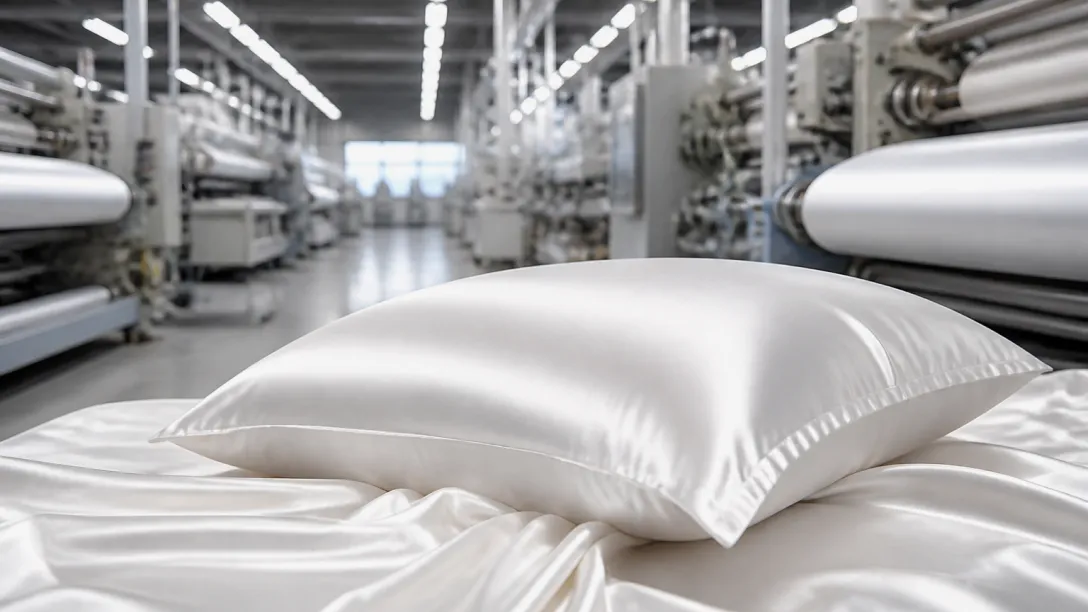
DreamSilk's silk pillowcase production runs in our integrated Suzhou facility — silk weaving, dyeing, sewing, and finishing all under one quality system. Standard pre-shipment QC includes batch-level weight verification, color fastness testing, and construction inspection on every production lot.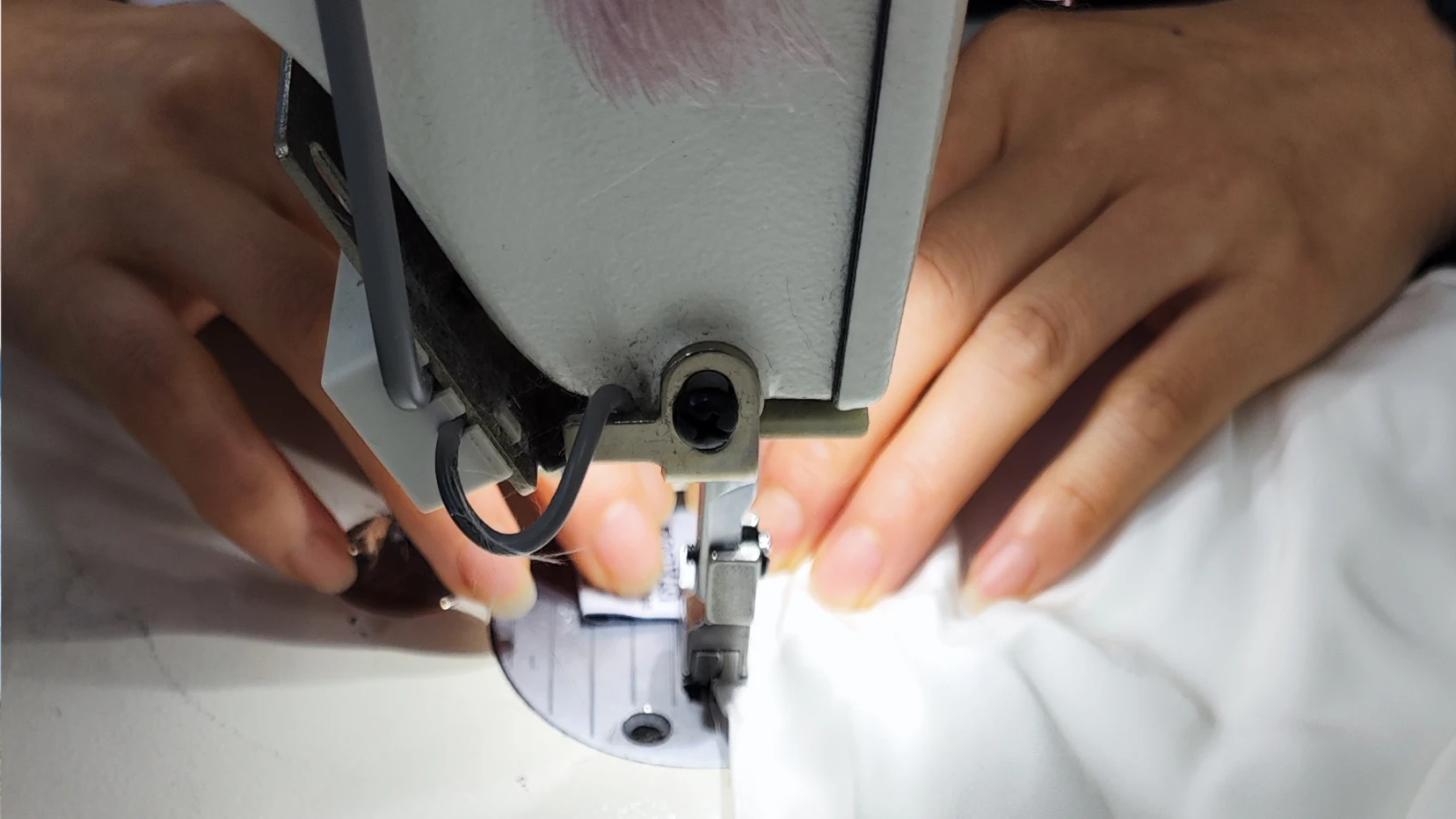
Build Your Silk Pillowcase Program With DreamSilk
If you are developing a silk pillowcase brand or adding silk bedding to an existing collection, DreamSilk produces silk pillowcases at every quality tier — from accessible 19 momme entry-tier to ultra-luxury 25 momme premium — in our integrated Suzhou facility. We weave the base silk, dye to Pantone, sew with French seams throughout, install hidden invisible zippers, and ship globally under one quality system.
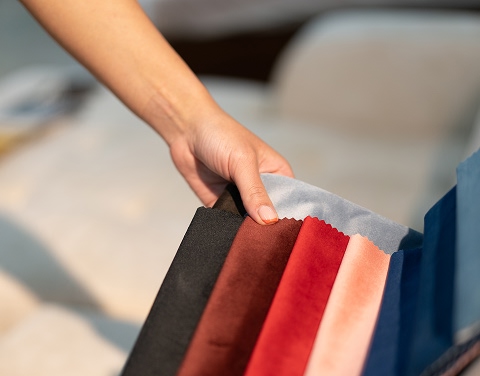
Tell us your positioning, your target retail price, and your target market. We will recommend the right momme weight, construction approach, packaging style, and provide free fabric swatches plus a finished sample pillowcase for evaluation before bulk production.
Contact us for a custom silk pillowcase quote or explore the full DreamSilk range of custom silk pillowcases to see what can be built for your brand.
FAQ
Yes. The mechanism is friction reduction — smooth silk produces meaningfully less hair friction than cotton across 7–9 hours of sleep movement, which reduces breakage, split ends, frizz, and morning tangles. Dermatologists routinely include silk pillowcases in patient guidance for hair breakage and damage. The effect is strongest for chemically treated, dry, or fragile hair types but is measurable across all hair types.