

What Is a Silk Duvet Cover? A Manufacturer's Guide to Benefits, Silk vs Cotton, Momme, and Choosing a Quality Cover


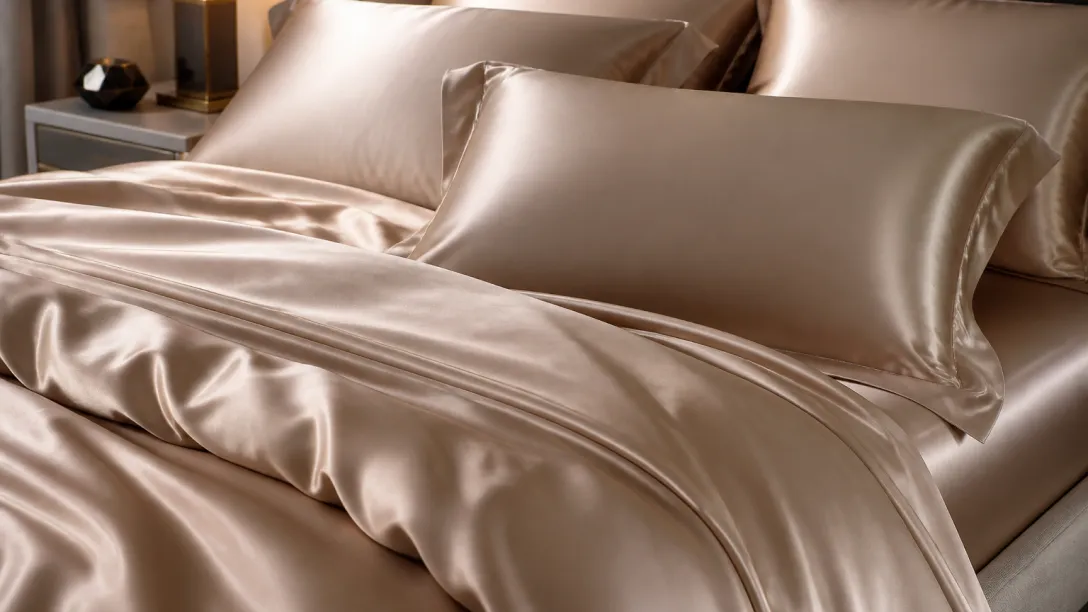
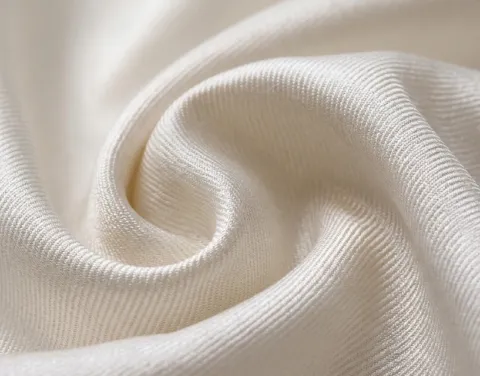
A silk duvet cover is the outer shell that slips over your duvet or comforter — the layer you see when the bed is made and feel against your skin at night. Its job is simple: give you the smooth hand-feel and breathability of mulberry silk, and protect the insert so it stays clean and lasts longer. The confusion starts with the name. "Silk duvet cover," "silk comforter cover," and "silk quilt cover" all mean the same thing, and none of them include the filling. Get that straight before you buy or spec, because plenty of listings blur it.
We make custom silk duvet covers at our Suzhou facility in mulberry silk charmeuse. This guide covers what a silk duvet cover is, the benefits it actually delivers, how silk compares with cotton and polyester "satin," what momme and grade to look for, how to size and choose closures, and how to care for it — whether you are buying one or sourcing a full bedding range.
What Is a Silk Duvet Cover and How It Differs from a Silk Duvet
A silk duvet cover is a removable fabric shell, usually 100% mulberry silk, that encases a duvet or comforter insert — think of it as a large pillowcase for your bedding. It holds no filling. A silk duvet, by contrast, is the insert itself, filled with silk floss; the cover goes over it. The cover gives you silk's feel and takes the weekly wash, while the insert supplies the warmth.
Terminology shifts by country, which is where most of the mix-up comes from:
- Duvet cover / comforter cover / quilt cover. The same outer shell. "Duvet" is common in the UK and Australia, "comforter" in the US, "quilt cover" in Australia.
- Duvet / comforter / insert. The filled inner layer that provides warmth. In the UK a "duvet" is the filled item; in the US the same item is a "comforter."
- Silk-filled duvet. An insert filled with mulberry silk floss — a separate product from a silk cover.
The two-piece system exists for a practical reason. The cover comes off and goes in the wash every week or two; the insert underneath stays protected and rarely needs cleaning. That keeps the bed fresh and makes an expensive insert last for years. It also lets you swap a lighter insert in summer for a warmer one in winter while keeping the same silk cover on top. For the skin and hair science behind sleeping on silk, our silk pillowcase benefits guide goes deeper.
Silk Duvet Cover Benefits for Sleep, Skin, and Hair
A silk duvet cover keeps you cooler and drier through the night, is gentle on skin and hair thanks to its low-friction surface, and suits sensitive skin and allergy-prone sleepers since mulberry silk is naturally hypoallergenic and resists dust mites. The benefits come from silk's smooth, breathable, moisture-wicking fiber — and they only show up when the cover is real silk at a proper weight.
- Temperature regulation. Silk breathes and moves moisture away from the skin, so the bed stays cooler in summer and comfortable in cooler months. This is why hot sleepers and people with night sweats reach for it.
- Low friction on skin and hair. A smooth silk surface glides instead of dragging, so it does not crease facial skin or rough up hair the way a coarser weave can. Where your face and hair touch the cover, that matters.
- Holds your skin's moisture. Silk absorbs far less moisture than cotton, so it does not pull hydration and night creams off your skin.
- Hypoallergenic and mite-resistant. Mulberry silk is a naturally hypoallergenic protein fiber, and its smooth, tightly woven surface is a poor home for dust mites and mold — useful for eczema, asthma, or sensitive skin.
- Light, breathable drape. A silk cover is light and drapes closely, so the bed feels airy rather than heavy.
One point most marketing skips: the cover itself adds very little warmth. Warmth comes from the insert inside. A silk cover changes how the bed feels and breathes; the insert's fill and weight decide how warm you sleep. Match the two to your climate.

Silk vs Cotton vs Satin Duvet Cover: The Real Difference
Silk is a natural protein fiber with the smoothest surface and the best moisture handling; cotton is a breathable, low-maintenance natural fiber that feels crisp or soft depending on the weave; and "satin" is a weave, not a fiber — most satin duvet covers are polyester, which looks similar but breathes less and can trap heat. For feel, temperature, and skin contact, silk leads; for easy care and budget, cotton and polyester satin have the edge.
The word "satin" trips people up, so it is worth being clear. Satin describes a weave that produces a glossy face, and it can be woven from silk, polyester, or other fibers. A cover sold as "satin" with no fiber content is almost always polyester. Watch for "sateen" too — that is cotton in a satin weave, more breathable than polyester but more absorbent than silk.
| Property | Silk (mulberry) | Cotton | Polyester "satin" |
|---|---|---|---|
| Fiber | Natural protein fiber | Natural plant fiber | Synthetic |
| Surface feel | Smoothest, fluid drape | Crisp to soft, by weave | Smooth, slippery |
| Breathability | High; temperature-regulating | High | Lower; can trap heat |
| Moisture handling | Wicks; holds skin hydration | Absorbs moisture | Low absorbency |
| Skin & hair | Lowest friction; hypoallergenic | Gentle; more friction than silk | Smooth; less breathable |
| Care | Hand or gentle wash, air dry | Machine wash, tumble dry | Machine wash; very easy |
| Durability | 2+ years with gentle care | Very hardy | 1-3 years; can pill |
| Cost | Highest | Moderate | Lowest |
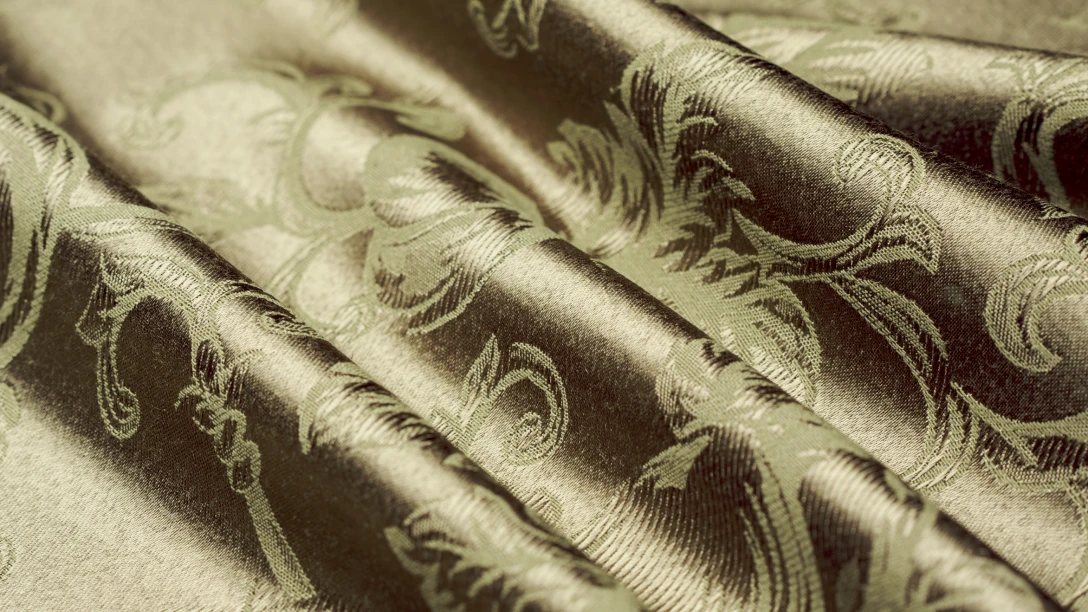
The practical read: silk is the premium pick where the cover is felt every night and breathability matters — hot sleepers, sensitive skin, and buyers who want a genuine luxury feel. Cotton is the workhorse for easy care and everyday durability. Polyester satin is the budget, low-maintenance option, and the one most often mislabeled as "silk." The silk we use for covers is charmeuse — a satin-weave silk with a glossy face and a softer back. See our silk charmeuse fabric, and our silk charmeuse vs satin breakdown for the full comparison.
Momme, Grade, and What Makes a Quality Silk Duvet Cover
A quality silk duvet cover is 100% mulberry silk charmeuse at 19 to 25 momme, grade 6A long-fiber silk, with a secure closure, interior corner ties, and clean French or rolled seams. Momme (the weight of the silk) and grade (the quality of the raw silk) decide how it feels, drapes, and lasts — far more than thread count, which is not the right measure for silk.
Here is what to check, and what we build into ours:
- Momme weight, 19 to 25. Momme is the standard weight unit for silk. For duvet covers, 19 momme is the light entry point, 22 momme is the balanced and most popular choice, and 25 momme is the heaviest and most durable. Heavier silk feels more substantial and lasts longer, at a higher price. Our silk momme weight guide explains the trade-offs.
- Grade 6A mulberry silk. Grade measures the raw silk. 6A is the top tier — long, uniform fibers with even color and a clean surface. Lower grades use shorter fibers that pill and wear faster.
- Momme over thread count. Some covers list a thread count to look premium. For silk, momme is the meaningful spec; a high thread count number on a silk cover usually signals a habit borrowed from cotton marketing.
- A secure closure. A hidden zipper or buttons at the foot keeps the insert enclosed. More on closures below.
- Interior corner ties. Loops or ties inside each corner attach to the insert so it does not slide or bunch — important with silk, since silk-on-silk is slippery.
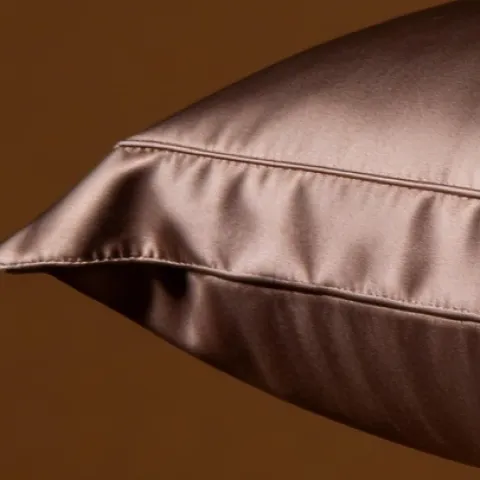
- Clean seams and finishing. French or rolled seams sit flat and hold up to washing. Run a hand along the inside; it should feel smooth, with no rough or fraying edges.
- OEKO-TEX certification. For a product against your skin all night, OEKO-TEX STANDARD 100 confirms the silk and dyes are free of harmful substances. See our certifications.
Sizing, Closures, and How to Choose the Right Silk Duvet Cover
Choose a silk duvet cover by insert size first, not just mattress size, and pick a closure that fits how you use the bed: a hidden zipper for a clean look and secure fit, buttons for a classic finish, or an envelope closure for fast changes. A cover sized 1 to 2 inches smaller than the insert gives a fuller, plumper look and helps stop the insert shifting.
Start with sizing:
- Size to the insert. Standard sizes run twin, full/queen, and king, plus crib, but the insert's dimensions matter more than the mattress. A queen cover on a flat or undersized insert looks limp.
- Go slightly smaller. A cover 1 to 2 inches smaller than the insert fills out for a rounded, hotel look and reduces shifting.
- Check bed depth and overhang. Deeper mattresses and more drape need a larger cover; decide how much you want hanging over the sides.
Then the closure, which comes down to speed, security, and looks:
- Hidden zipper. Fast to use, keeps the insert fully enclosed, and hides under a fabric flap for a clean line. A quality nylon or metal zipper is the low-effort default. The trade-off is that a poor zipper can snag.
- Buttons. A classic, adjustable finish with no visible hardware line. Slower to fasten, and buttons can loosen over time.
- Envelope. An overlapping fabric pocket with no hardware — easy and common in hotels, but less secure, so pair it with corner ties.
Whichever closure you choose, interior corner ties do the real work of keeping the insert in place. Combined with a slightly smaller cover, they end the morning re-fluffing. Many buyers build a full set by pairing the cover with matching silk pillowcases and silk sheets, which also makes a strong silk gift set.
How to Identify a Real Silk Duvet Cover
A real silk duvet cover states "100% mulberry silk" with a momme weight on the label, feels cool then warms to the touch, has a glossy face with a matte back, and passes a burn test on a loose thread. A cover labeled only "satin" or "silky," with no fiber content, is almost always polyester.
- Read the label. It should say "100% mulberry silk" with a momme figure. "Satin," "silky," or no fiber content means it is not silk.
- Feel the temperature. Silk feels cool on first touch and warms to the skin; polyester stays at room temperature.
- Check the two sides. Silk charmeuse has a glossy face and a duller back. Polyester satin is often shiny on both sides.
- Burn a loose thread. With a sample, real silk burns slowly, smells like burnt hair, and self-extinguishes; polyester melts into a hard bead and smells like plastic.
- Look for OEKO-TEX. Certification confirms the silk is tested for harmful substances — a basic expectation for bedding.
How to Wash and Care for a Silk Duvet Cover
Wash a silk duvet cover in cool water (under 30°C) with a pH-neutral or silk detergent, by hand or on a gentle machine cycle in a mesh bag, skip bleach and fabric softener, do not wring, and air dry flat or on a line out of direct sun. Wash it every week or two if you sleep directly under it, or every few weeks if you use a top sheet.
- Cool, gentle wash. Use water under 30°C with a pH-neutral or silk-specific detergent. By hand is safest; for the machine, close the zipper, turn it inside out, use a mesh bag and the delicate cycle, and keep the spin short.
- No bleach or fabric softener. Both damage silk fibers, and softener dulls the surface.
- Do not wring or twist. Press water out gently, or roll the cover in a towel to absorb moisture.
- Air dry in shade. Hang or lay flat away from direct sun and heat. Never tumble dry — heat shrinks and weakens silk.
- Iron low, inside out. If needed, use a low or silk setting on the reverse, or steam lightly.
- Store clean and dry. Keep it in a breathable cotton bag, not plastic, and do not crush it under heavy items.
Our how to wash silk charmeuse guide walks through the routine step by step.
Sourcing Custom Silk Duvet Covers for Your Brand
A silk duvet cover program comes down to the fabric and the make. Real mulberry silk charmeuse at the right momme, grade 6A raw silk, a secure closure, interior corner ties, and clean seams give you a cover that feels right, drapes well, and survives the wash; thin polyester with a "silk" label does not. Lock the silk content, momme, size range, closure, and finishing before production.
DreamSilk makes custom silk duvet covers end to end at our Suzhou facility, in grade 6A mulberry silk charmeuse, OEKO-TEX STANDARD 100 certified. We customize momme (19-25), a size range for every regional bed, closure type, color and print, corner ties, woven labels, and packaging, and produce matching pillowcases, sheets, and full silk bedding sets — or a ready gift set. For custom prints and pattern options, see our silk pattern library.
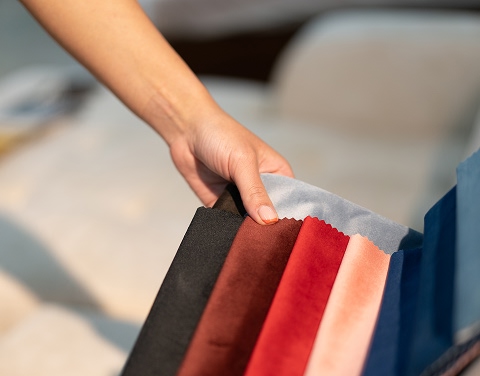
Send us your size range, momme, color or print, closure type, and volume. We will send free fabric swatches and a sample so you can check the hand-feel, seams, and ties yourself, along with a clear spec sheet. Explore our custom silk duvet cover page or contact us for a quote to get started.
FAQ
Yes, for the right sleeper. A silk duvet cover gives a smoother, cooler, more breathable bed and is gentle on skin and hair, which pays off most for hot sleepers, sensitive skin, and anyone who wants a genuine luxury feel. It costs more than cotton and needs gentle washing, so if you want cheap, low-effort bedding, cotton is the better fit. The value holds up when the cover is real mulberry silk at 19 to 25 momme, not thin polyester with a "silk" label.