Silk Charmeuse for Pillowcases: Why It's the Standard, and How to Spec It Right


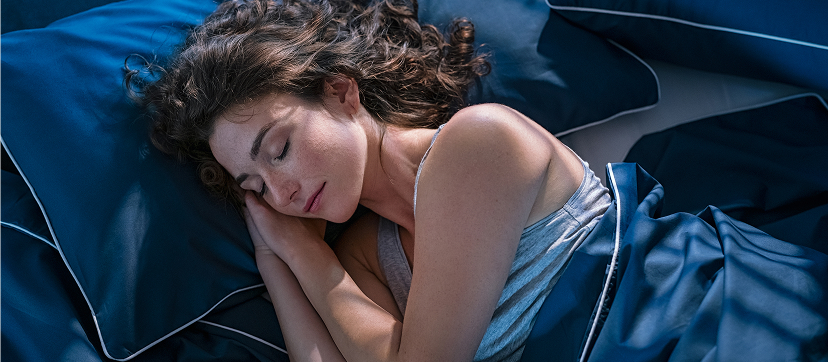
Almost every premium silk pillowcase on the market today is made from silk charmeuse. Not silk twill, not habotai, not crepe de chine — charmeuse. There is a specific reason for that, rooted in how the weave is constructed, and understanding it tells you exactly what to look for (and what to avoid) when sourcing or buying a silk pillowcase.
This is the breakdown we give brand clients and private-label buyers when they ask why charmeuse, what momme weight, and how to tell a quality charmeuse pillowcase from a mislabeled one. We weave silk charmeuse for pillowcases daily at our Suzhou facility, so this comes from the production side, not a marketing page.
Why Silk Charmeuse Is the Standard Fabric for Pillowcases
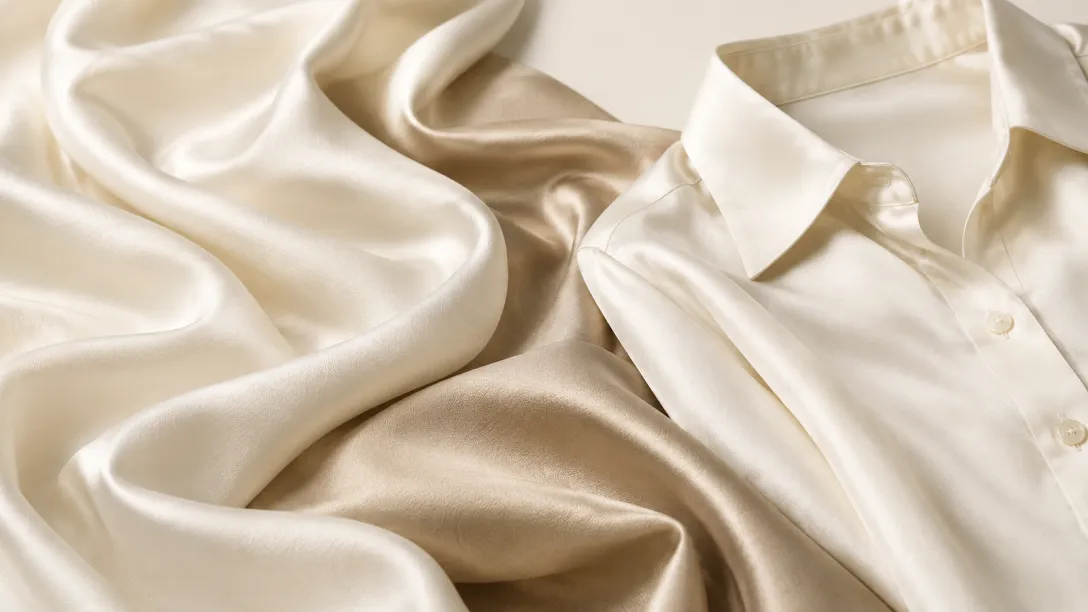
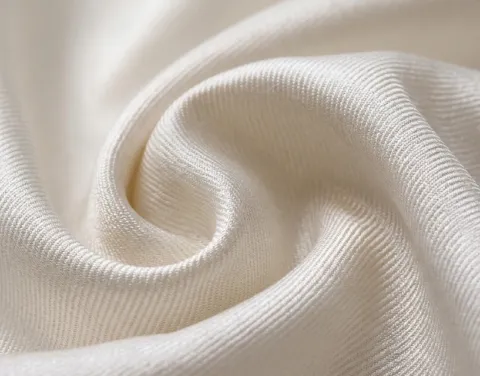
Silk charmeuse is the standard pillowcase fabric because its satin weave puts a layer of smooth, unbroken silk floats on the surface that touches your hair and skin. This glossy face glides instead of grips, which is the single property that delivers the friction reduction, hair protection, and wrinkle prevention that silk pillowcases are known for.
To understand why, look at how charmeuse is built. In a satin weave, each warp thread passes over four or more weft threads in a row before being caught underneath. Those long unbroken spans of yarn — called floats — sit on the surface of the fabric with almost nothing interrupting them. When your face or hair moves against that surface during sleep, there is very little texture to catch on.
Compare that to the other silk weaves:
- Plain weaves like habotai interlace every thread one-over-one. The surface has more micro-texture, so it grips slightly more than charmeuse. Habotai is used for pillowcase linings and budget cases, but it never feels as slippery as charmeuse.
- Twill weaves have a diagonal rib that adds structure but also adds surface texture — the opposite of what a pillowcase needs.
- Crepe de chine has a matte, slightly pebbled surface from twisted yarns. Comfortable, but it lacks the glide of charmeuse.
Charmeuse wins for pillowcases because the satin float surface is the smoothest of any silk weave. That glide is not a marketing claim — it is a direct, measurable consequence of the weave geometry. For a full explanation of how the charmeuse weave is constructed, see our silk charmeuse fabric overview and our what is silk charmeuse breakdown.
What Silk Charmeuse Does for Hair, Skin, and Sleep
The smooth charmeuse surface translates into four concrete benefits, each tied to a physical property of the fabric.
Less Friction for Hair
A charmeuse surface produces far less friction against hair than cotton. Independent abrasion testing commissioned in the silk industry has measured cotton creating up to 51% more friction against hair than silk. Less friction means less mechanical stress on the hair shaft overnight, which reduces breakage, split ends, frizz, and the tangling that causes morning bedhead. For anyone with long hair, curly hair, or chemically treated hair, this is the headline benefit.
Less Tugging on Facial Skin
Cotton grips skin and drags it as you shift position during sleep. Over years, that repeated overnight creasing contributes to sleep lines and wrinkles. A charmeuse surface lets skin glide, so the face is not pulled and folded against the pillow the same way. The skin also stays better hydrated because silk does not wick moisture out of skin the way absorbent cotton does.
Temperature Regulation
Silk fiber is naturally thermoregulating. It breathes in heat and holds a small amount of warmth in cold, so a charmeuse pillowcase stays comfortable across seasons. Polyester satin, the cheap look-alike, traps heat and can feel clammy in a warm room — the opposite of what charmeuse does.
Hypoallergenic and Skin-Friendly
Mulberry silk protein has an amino acid profile close to human skin, which makes it naturally hypoallergenic. It resists dust mites, mold, and the allergens that build up in more absorbent fabrics. For sensitive, acne-prone, or eczema-prone skin, the smooth, low-residue charmeuse surface is gentler than cotton or synthetics. Our silk pillowcase benefits breakdown covers the hair and skin science in more depth.
The Right Momme Weight for a Silk Charmeuse Pillowcase
Momme (mm) is the silk industry's weight unit — 1 momme equals roughly 4.34 grams per square meter. For pillowcases specifically, momme weight is the single most important spec on any listing, because it decides how the case feels, how long it lasts, and whether the price is justified.
For silk charmeuse pillowcases, 22 momme is the industry reference standard. 19 momme is the acceptable entry weight, and 25 momme is the ultra-premium tier. Here is how the range breaks down.
| Momme | Approx. weight | Position | What it means in use |
|---|---|---|---|
| 19 mm | ~82 g/m² | Entry premium | Soft and fully functional, but loses its smooth finish faster under repeated washing |
| 22 mm | ~95 g/m² | Industry standard | The reference weight for premium pillowcases; best balance of glide, durability, and price |
| 25 mm | ~108 g/m² | Ultra-premium | Densest weave, longest-lasting glide, heaviest hand; positions at the top of the market |
| 30 mm | ~130 g/m² | Luxury / niche | Very heavy, used for ultra-luxury positioning; diminishing returns over 25 mm for most buyers |
A few production notes that retail pages rarely mention:
- Below 19 momme, a charmeuse pillowcase is a poor choice. It will feel thin, and the satin float surface degrades quickly under the laundering a pillowcase takes. Sub-19 charmeuse belongs in scarves and light apparel, not pillowcases.
- 22 momme is where most of the premium market sits because it holds the smooth float surface through hundreds of wash cycles while keeping the per-unit cost reasonable.
- 25 momme costs noticeably more for a real but incremental gain in density and longevity. It is the right call for brands positioning at the very top of the market, but 22 momme is the smarter default for most.
- Watch for momme confusion between sheets and pillowcases. Some sources cite 16–19 momme as ideal — that figure is for silk sheets, which prioritize lighter drape over a large area. Pillowcases take direct, concentrated friction every night, so they need the heavier 22–25 range. For the full weight breakdown across all silk products, see our silk momme weight breakdown.
Silk Charmeuse vs Other Pillowcase Fabrics
Buyers routinely compare silk charmeuse against the fabrics that try to imitate it. Here is how they actually stack up for pillowcase use.
| Fabric | Surface glide | Breathability | Hair/skin benefit | Durability | Honest position |
|---|---|---|---|---|---|
| Silk charmeuse (mulberry) | Highest | High, thermoregulating | Strong: low friction, hydration-friendly | 2–4 years at 22–25 mm | The premium standard |
| Polyester satin | Moderate | Poor, traps heat | Friction reduction only; creates static | 2–3 years | Cheap look-alike, not silk |
| Cotton sateen | Low | High but absorbent | Absorbs moisture; more friction | 3–5 years | Durable but not hair/skin friendly |
| Silk habotai | Moderate | High | Mild; less glide than charmeuse | Shorter than charmeuse | Lining or budget silk option |
| Bamboo / Tencel | Moderate | High | Mild benefit; absorbs more than silk | 2–4 years | Eco alternative, lower glide |
The most important distinction is silk charmeuse versus polyester satin — the fabric most often mislabeled to confuse buyers. Both have a glossy face, but polyester satin is petroleum-based plastic. It traps heat, creates static in dry climates, and lacks the moisture regulation and hypoallergenic properties of real silk. A genuine silk charmeuse pillowcase always states "100% mulberry silk charmeuse" with momme weight; a listing that just says "satin" or "silk-feel satin" without fiber content and momme is almost certainly polyester. For the full charmeuse-versus-satin breakdown, see our silk charmeuse vs satin comparison.
How to Identify a Quality Silk Charmeuse Pillowcase
Whether you are buying one case or sourcing a private-label run, these are the checks that separate a quality charmeuse pillowcase from a mislabeled or low-grade one.
- Fiber content states "100% mulberry silk." Not "silk-blend," not "satin," not "silk-touch." Mulberry silk is the highest-grade silk fiber and the only one that delivers the full benefit set.
- Momme weight is stated and sits at 22 or above. If a listing does not state momme weight at all, treat it as a red flag — real silk is always sold by momme.
- Grade 6A is specified. Grade 6A is the highest commercial grade of mulberry silk, with the longest, most uniform fibers. Lower grades (5A, 4A) produce thinner, less durable fabric.
- The back face is matte. Real charmeuse has a glossy front and a noticeably matte back. If both sides are equally shiny, it is likely polyester satin.
- It feels cool to first touch. Silk has natural thermal conductivity and feels cool on contact; polyester feels room-temperature or slightly warm.
- OEKO-TEX STANDARD 100 certification. This confirms the finished fabric is free of harmful substances — important for anything against your face all night. See our certifications for what this covers.
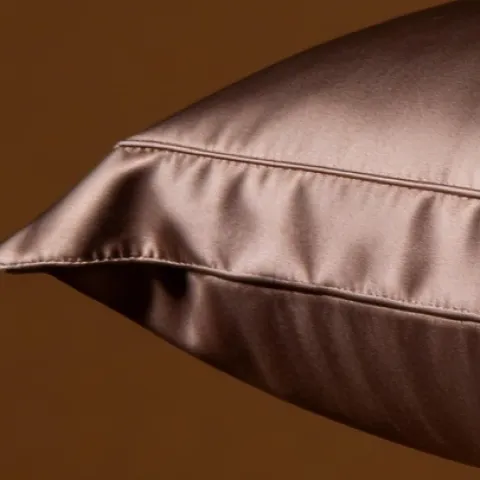
- Stitching is tight and even, with a hidden or zippered closure. Construction quality determines whether the case survives years of washing. Envelope or zippered closures keep the pillow secure and the case looking sharp.
For B2B buyers specifically: request a GSM test report to confirm the momme matches the spec (within ±3% of target), and request Grade 6A documentation on the yarn. Inspect a swatch under daylight for surface uniformity — premium charmeuse shows no loom-tension streaks across the face.
Caring for a Silk Charmeuse Pillowcase
The smooth charmeuse surface lasts for years when cared for correctly, and degrades fast when it isn't. The essentials:
- Hand wash in cold water (below 30 °C / 86 °F) with a pH-neutral or silk-specific detergent. Machine washing is possible only on a cold delicate cycle inside a mesh bag, and only if the manufacturer confirms the case is built for it.
- Never use chlorine or oxygen bleach — both break down silk protein permanently.
- Do not wring. Press water out gently between towels.
- Air dry in shade. Direct sun fades dye and weakens the fiber.
- Iron on low (silk setting) through a cloth if needed, on the matte back face.
For the complete step-by-step routine, our silk pillowcase washing breakdown walks through it in detail.
Sourcing Silk Charmeuse Pillowcases for Your Brand
For brands and retailers building a silk pillowcase line, the spec that performs at retail is well-defined: 22 momme (or 25 for top-tier positioning), Grade 6A mulberry silk charmeuse, OEKO-TEX certified, with clean stitching and a hidden or zippered closure. The fabric is the product — get the charmeuse weave, momme, and grade right, and the hair and skin benefits that drive reviews and repeat purchases follow.
DreamSilk weaves silk charmeuse for pillowcases in-house at our Suzhou facility, in 19, 22, and 25 momme, all Grade 6A mulberry silk and OEKO-TEX STANDARD 100 certified. We produce private-label pillowcases with custom Pantone colors, branded packaging, and the closure styles UK, EU, and US retail expect. Our custom silk pillowcase collection covers the standard specs, and the same charmeuse runs across our silk bedding range for coordinated sets.
Source Premium Silk Charmeuse Pillowcases from a Specialized Manufacturer
If you are sourcing silk charmeuse pillowcases for a brand or retail line, DreamSilk produces them end to end from our Suzhou facility — 19, 22, and 25 momme Grade 6A mulberry silk charmeuse, OEKO-TEX STANDARD 100 certified, with custom colors, branded packaging, and retail-ready closures.
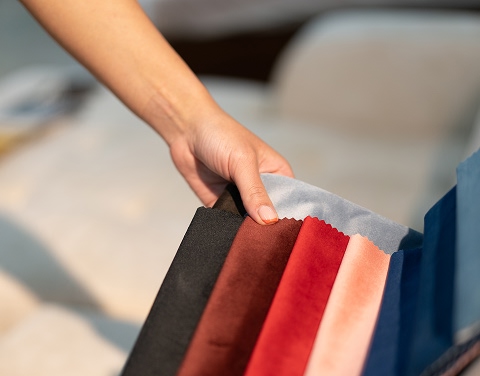
Tell us your target momme, color, and volume. We will send free fabric swatches in multiple weights so you can compare glide and hand side by side, plus a transparent spec-sheet quote.
Explore our custom silk pillowcase collection or contact us for a quote to get started.
FAQ
Yes. Silk charmeuse is the best silk weave for pillowcases because its satin-weave surface has long, smooth silk floats that glide against hair and skin, reducing friction, breakage, and sleep creases. It is the standard fabric used in nearly all premium silk pillowcases.