
What Is Crinkle Silk Chiffon Fabric? A Manufacturer's Guide to Yoryu, Properties & Uses


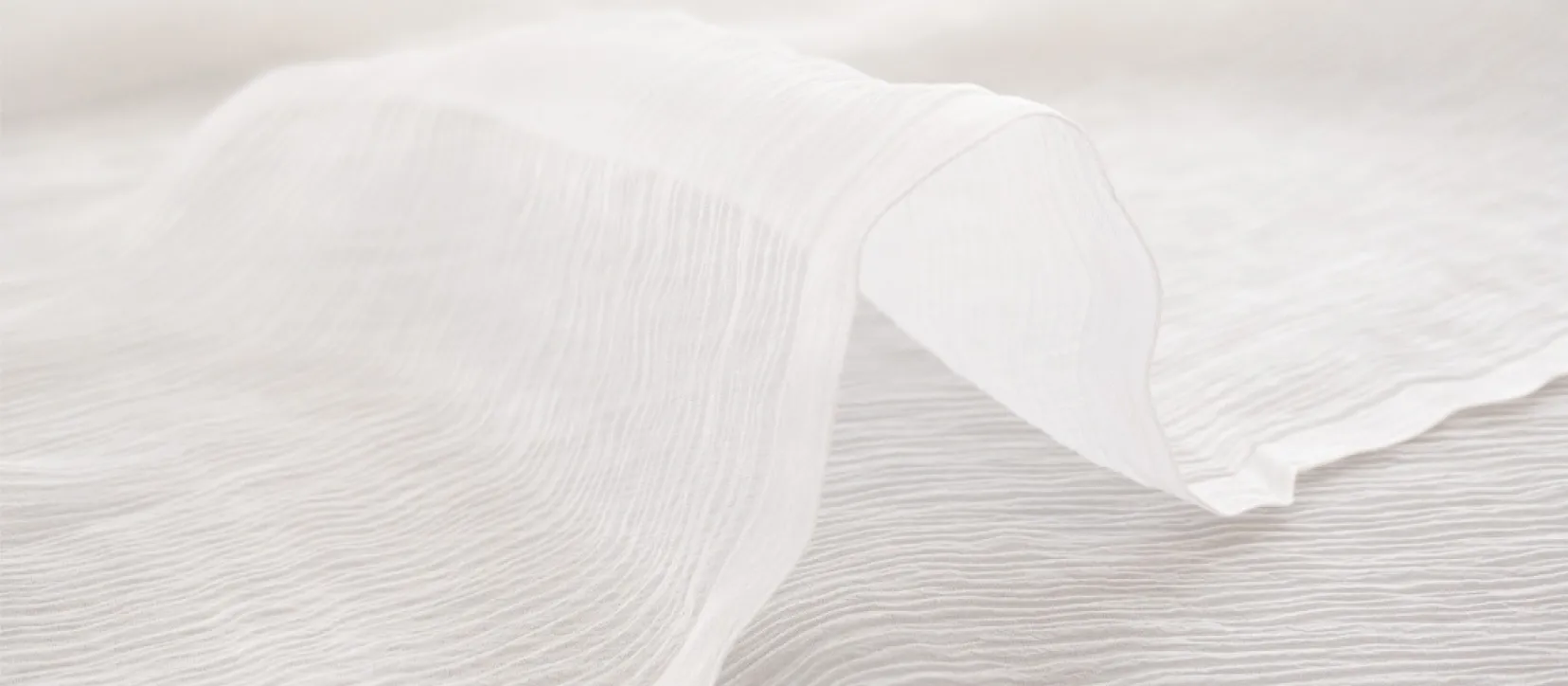
Crinkle silk chiffon is one of the more distinctive members of the chiffon family: a sheer, featherlight silk carrying a permanent crushed texture down its length. That crinkle is not a finish that washes out. It is built into the way the fabric is woven, which is what gives it the relaxed, dimensional look designers reach for in flowing dresses, overlays, and scarves.
We weave and finish silk chiffon at our Suzhou facility, including the high-twist crinkle version. This guide covers what crinkle silk chiffon actually is, how the texture is created, how it behaves, and what to check when you source it for a brand collection.
What Is Crinkle Silk Chiffon Fabric?
Crinkle silk chiffon is a lightweight, sheer 100% silk chiffon woven with high-twist yarns so the finished cloth carries a permanent fine crinkle running lengthwise. It uses the same sheer plain-weave base as flat silk chiffon, with the crinkle locked in during weaving and wet finishing rather than pressed on afterward.
The fabric goes by a few names. Crinkle chiffon, crushed chiffon, and yoryu chiffon all describe the same thing — yoryu is the Japanese term for this crinkled crepe construction, and you will see it on spec sheets and supplier listings. It sits alongside flat silk chiffon fabric as a textured version of the same base cloth.
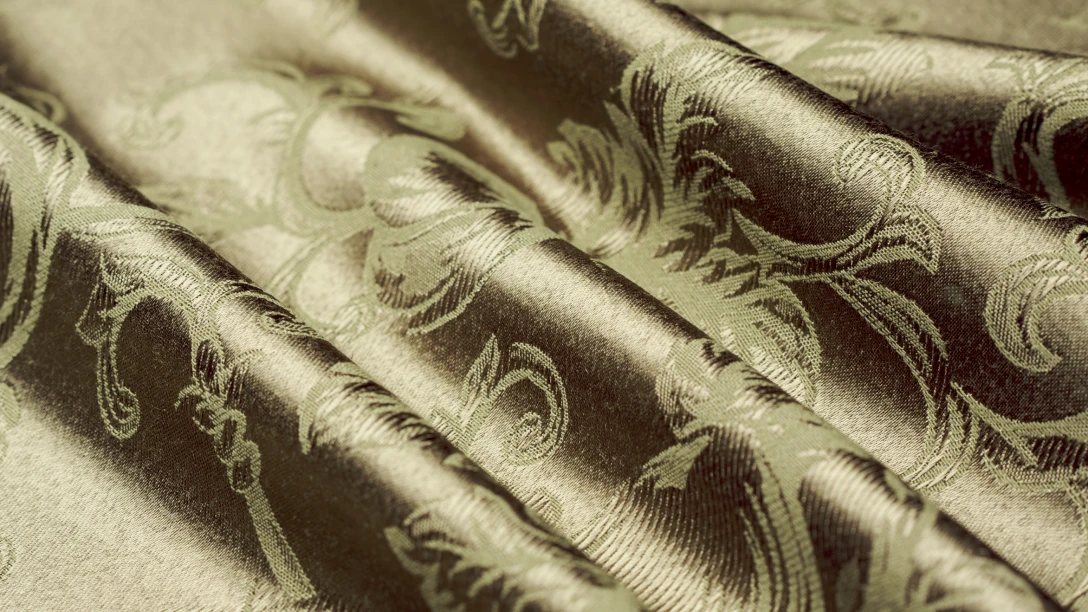
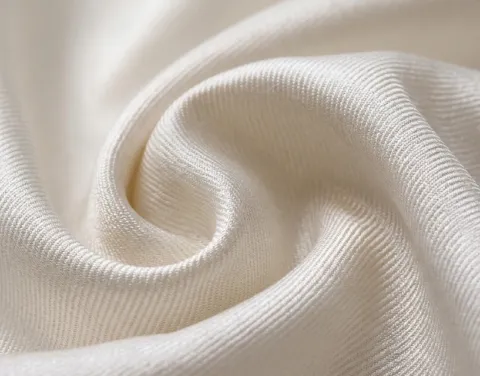
What sets crinkle silk chiffon apart from regular chiffon is the texture. Flat chiffon has a smooth sheer face with only a faint pucker. Crinkle chiffon carries a visible, fine vertical crinkle across the whole surface that adds dimension, breaks up light, and gives the cloth a soft, lived-in look straight off the bolt.
How the Crinkle Texture Is Made
The crinkle in genuine silk yoryu comes from high-twist yarns, not from a surface press. Over-twisted crepe yarns are woven into the cloth, and when the loom tension releases and the fabric is wet-finished, those yarns contract and pull the weave into a permanent crinkle. Because the texture is structural, it does not wash or iron out.
Here is the sequence on the loom and in finishing:
- High-twist yarns. The yarns are over-twisted well past the level used in standard cloth. The warp typically alternates S-twist and Z-twist yarns, and the weft runs strongly twisted yarns in the same direction.
- Plain weave, low cover. The yarns are woven in a balanced, open plain weave with fine threads, which keeps the cloth sheer.
- Tension release and wet finishing. Off the loom, the fabric is degummed and relaxed in water. The twisted yarns try to untwist and shrink, and that contraction puckers the weave into the lengthwise crinkle.
- Pre-shrinking. A good mill pre-shrinks the finished crinkle chiffon so it holds its dimensions and the texture stays stable through later dyeing, printing, and washing.
There is a second route to a crinkle surface: mechanically crushing or heat-setting an already-woven flat fabric between rollers. That method is common for polyester, where heat locks the wrinkle in. For 100% silk, the woven high-twist method is the durable one, and it is what gives real silk yoryu its lasting texture and soft hand. For the full path from cocoon to finished cloth, see our silk manufacturing process guide.
Properties of Crinkle Silk Chiffon
The high-twist construction gives crinkle silk chiffon a specific set of working properties.
- Very light and sheer. Like all chiffon, it is one of the lightest silks — usually 5 to 8 momme — and semi-transparent, so it reads as a flowing, see-through layer.
- Soft, fluid drape. It falls in soft, moving folds instead of holding a shape. It is a drape fabric, not a structured one.
- Built-in texture. The permanent crinkle adds surface dimension and a matte, light-breaking finish that flat chiffon does not have.
- Slight natural give. The twisted yarns give the fabric a soft stretch, a little more along the crinkle, which makes it forgiving to wear.
- Grainy hand. Run it through your fingers and you feel a faint dryness from the high-twist yarns. That texture is normal for chiffon and a quick way to tell real high-twist silk from a smooth synthetic imitation.
- Low-maintenance look. The crinkle hides creases, so the fabric looks relaxed and intentional even after it has been folded or packed.
- Breathable. Silk fiber and the open weave keep it cool and comfortable, which is why it shows up in summer and resort pieces.
Crinkle Silk Chiffon vs Flat Chiffon and Other Crinkle Silks
Crinkle silk chiffon differs from flat chiffon mainly in texture and drape: the crinkle adds vertical dimension, a little stretch, and a relaxed look, while flat chiffon stays smooth and even. Against heavier textured silks like crinkle georgette, crinkle chiffon is sheerer and lighter.
| Fabric | Weight / sheerness | Texture | Drape | Best for |
|---|---|---|---|---|
| Crinkle silk chiffon (yoryu) | Very light, sheer (5-8 mm) | Fine vertical crinkle | Fluid, relaxed | Overlays, flowing dresses, scarves, ruffles |
| Flat silk chiffon | Very light, sheer (6-8 mm) | Smooth, faint pucker | Fluid, even | Veils, soft layers, smooth overlays |
| Crinkle silk georgette | Light-medium, semi-sheer | Stronger crinkle | Fluid, more body | Dresses, saris, blouses with more cover |
| Silk crepe de chine | Medium, opaque | Smooth matte | Fluid, more weight | Linings, blouses, slip dresses |
| Silk organza | Light, sheer | Crisp, smooth | Structured, stiff | Structure, underlayers, statement volume |
A few practical notes:
- Crinkle vs flat chiffon. Choose crinkle when you want texture and a casual, dimensional look with less pressing; choose flat chiffon when you need a clean, smooth sheer layer.
- Crinkle chiffon vs crinkle georgette. Silk georgette is heavier and more opaque with a more pronounced crinkle, so it hangs with more body. Reach for it when chiffon reads as too transparent.
- Against organza. Silk organza is the stiff, structural sheer; crinkle chiffon is the soft, flowing one. They often pair — organza for shape, chiffon for movement.
What Crinkle Silk Chiffon Is Used For
The texture and drape make crinkle silk chiffon a go-to for soft, flowing pieces where movement matters.
- Eveningwear and formal gowns. The crinkle catches light and moves with the body, which is why it turns up in silk dresses and evening pieces.
- Bridal and occasion wear. Overlays, skirts, and sheer sleeves on wedding and prom dresses.
- Overlays and sheer insets. Ruffle details, draped panels, and layered extensions over an opaque base.
- Blouses and flowing tops. Relaxed, textured tops and resort or summer pieces across a silk clothing line.
- Scarves and wraps. The light weight and crinkle give silk scarves a soft, dimensional fall.
- Dupattas and saris. A long-standing use in South Asian formalwear.
It does not suit structured, tailored pieces. Chiffon will not hold a shape on its own and needs an opaque lining or base under anything that should not be see-through.
Weight, Width, and Specs to Know
Most silk crinkle chiffon runs about 5 to 8 momme (roughly 22-35 g/m²) and 112 cm (44 inches) wide, supplied natural for dyeing, plain dyed, or printed. Confirm momme, width, fiber content, and finishing on the spec sheet before you order.
| Spec | Typical range | Notes |
|---|---|---|
| Fiber | 100% mulberry silk | Check for "100% silk"; much "crinkle chiffon" is polyester |
| Momme weight | 5-8 momme (~22-35 g/m²) | Lighter is sheerer; heavier holds the crinkle more firmly |
| Width | 112 cm (44") standard | Wider widths available on request |
| Crinkle direction | Lengthwise (warp) | Plan cutting and yardage around the vertical crinkle |
| Finish | Natural/PFD, plain dyed, or printed | Natural is prepared for dyeing |
One sourcing detail specific to crinkle fabric: the crinkle pulls in the cloth, so the relaxed usable width and the length you get per meter can differ from roll to roll. Order swatches and confirm the finished width and crinkle direction so your cutting plan lines up. Our silk momme weight guide covers how weight maps to feel and use across silk fabrics.
How to Identify Quality Crinkle Silk Chiffon
Whether you are buying a sample length or a production run, these checks separate real, well-made silk crinkle chiffon from a synthetic or under-finished one.
- Fiber content reads "100% silk" or "100% mulberry silk." A lot of crinkle chiffon on the market is polyester. Real silk chiffon states the fiber and the momme.
- The crinkle is even and consistent. Well-made yoryu has a regular, fine crinkle across the width. Patchy or stretched-out crinkle points to poor finishing.
- It feels grainy, not slick. High-twist silk has a faint dry hand. A slick, plastic feel usually means polyester.
- It is pre-shrunk and stable. Ask whether the fabric is pre-shrunk. Unstable crinkle chiffon shrinks and distorts after dyeing or washing.
- Burn test on a swatch. Real silk burns slowly, smells like burning hair, and self-extinguishes, leaving brittle ash. Polyester melts into a hard bead and smells like plastic.
- OEKO-TEX certification on the finished fabric. This confirms the dyeing and finishing are free of harmful residues, which matters for anything worn against skin and for EU and Japan markets. See what that covers on our certifications page.
Caring for Crinkle Silk Chiffon
The good news on care: the crinkle is permanent and hides creases, so crinkle silk chiffon is lower-maintenance than smooth silk.
- Hand wash cold or dry clean. Use cool water with a pH-neutral or silk-specific detergent, or dry clean lined and structured pieces. Test colorfastness on a corner first.
- Do not iron the texture flat. Ironing defeats the point and can crush the crinkle. If a piece needs refreshing, steam it lightly while it hangs.
- Air dry in shade. Lay flat or hang away from direct sun, which fades dye and weakens silk.
- No wringing or bleach. Press water out gently. Chlorine bleach breaks down silk protein.
Sourcing Crinkle Silk Chiffon Fabric
A consistent crinkle and stable dimensions come down to the weave and the finishing. Crinkle chiffon woven on the right twist and properly degummed and pre-shrunk dyes evenly and holds its texture; under-finished silk shrinks, distorts, and crinkles unevenly from roll to roll. For any run, confirm the momme, fiber content, finished width, and that the fabric is pre-treated and OEKO-TEX certified.
DreamSilk weaves silk chiffon, including high-twist crinkle yoryu, at our Suzhou facility in mulberry silk — supplied natural for dyeing, plain dyed, or custom printed. The same chiffon runs across our finished products, from silk scarves to flowing silk dresses and wider silk clothing, so it is available as yardage or as a finished, private-label piece. For custom prints and pattern options, see our silk pattern library.
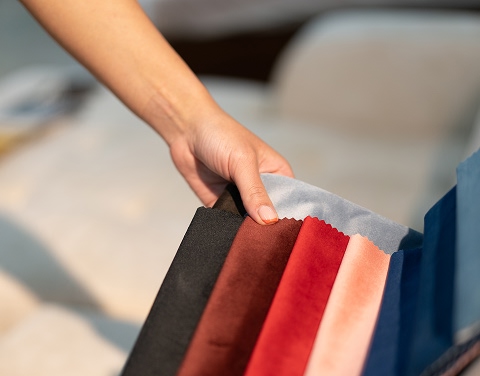
Tell us your target momme, color or print, finished width, and volume. We will send free swatches so you can check the crinkle, hand, and sheerness yourself, along with a clear spec sheet. Explore our silk chiffon fabric range or contact us for a quote to get started.
FAQ
Crinkle silk chiffon is a lightweight, sheer 100% silk chiffon with a permanent fine crinkle running down its length. It uses the same sheer plain-weave base as flat chiffon, but high-twist yarns give it a crushed, dimensional surface. It is also called crushed chiffon or yoryu chiffon.