Custom Silk Scrunchies: A B2B Manufacturing Guide for Beauty and Hair Care Brands


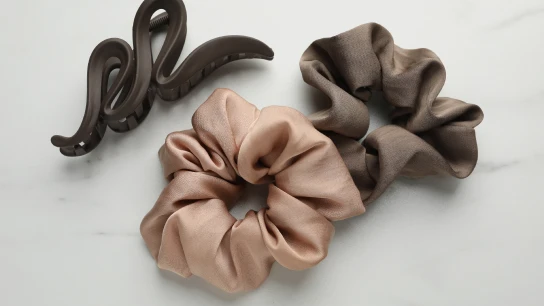
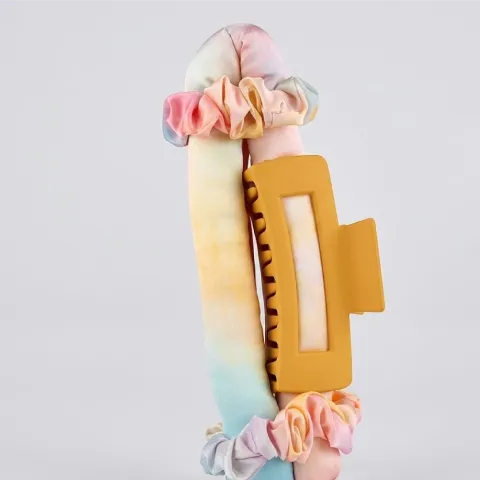
Silk scrunchies have moved from a niche hair accessory to a standard SKU for beauty, hair care, and lifestyle brands. The retail logic is simple: a functional hair-health claim customers already believe, a low unit weight that keeps freight near zero, and a price point that works both as a standalone product and as a bundle filler.
As a Suzhou-based manufacturer of custom silk accessories, we produce scrunchie programs for brands selling in more than 50 countries. This guide covers the decisions that determine whether a silk scrunchie line sells through or sits in a warehouse: fabric grade and momme, the size system, elastic core selection, stitching quality, branding, packaging, and order logistics.
1. The Commercial Case for Custom Silk Scrunchies
Four factors make this category unusually efficient for brand owners:
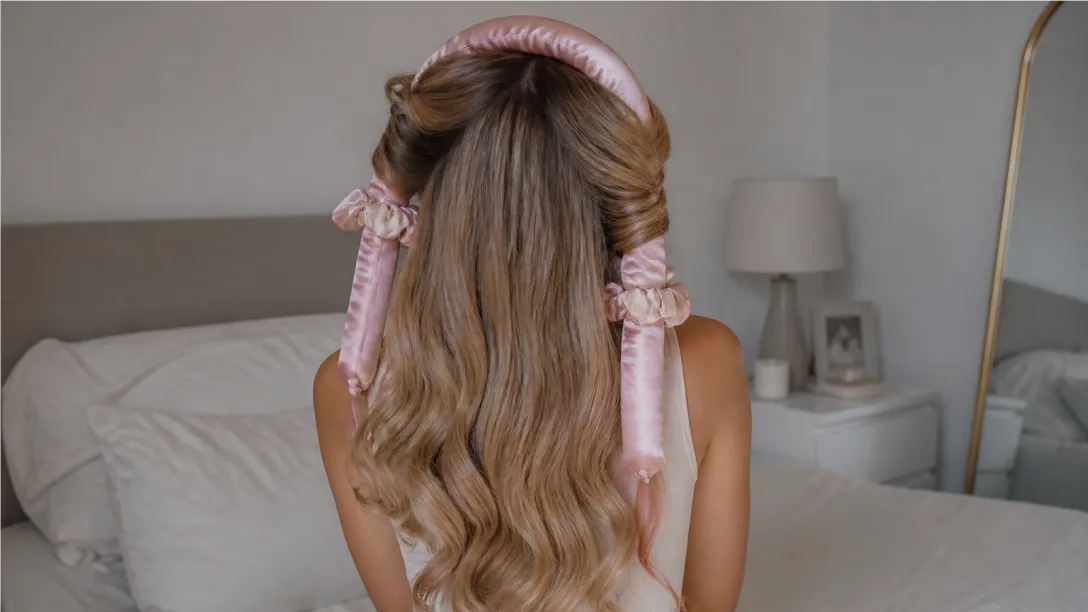
- A ready-made benefit story. Mulberry silk creates less friction against hair than cotton or polyester. Less friction means less cuticle lifting, less breakage, fewer creases, and better moisture retention in the hair fibre. Trichologists regularly recommend silk-covered ties for clients with mechanical breakage — your marketing team does not need to invent this claim, only present it accurately.
- Low risk per unit. A scrunchie weighs roughly 10–20 grams. Shipping cost per piece is negligible, and storage is dense. Mistakes in this category cost far less than mistakes in bedding.
- High attach rate. Scrunchies bundle naturally with pillowcases, eye masks, and bonnets. They lift average order value in gift sets and work as gift-with-purchase items for beauty brands.
- Repeat purchase behavior. Customers lose scrunchies, collect colors, and gift them. Few accessories generate this purchase frequency at this margin.
2. Fabric: Grade 6A Mulberry Silk, 19 or 22 Momme
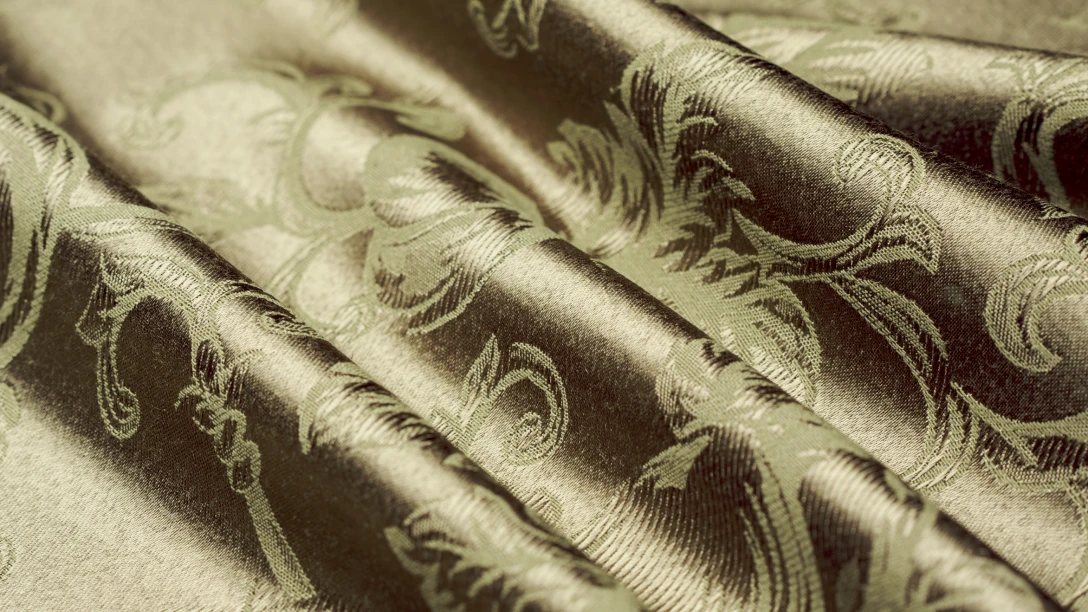
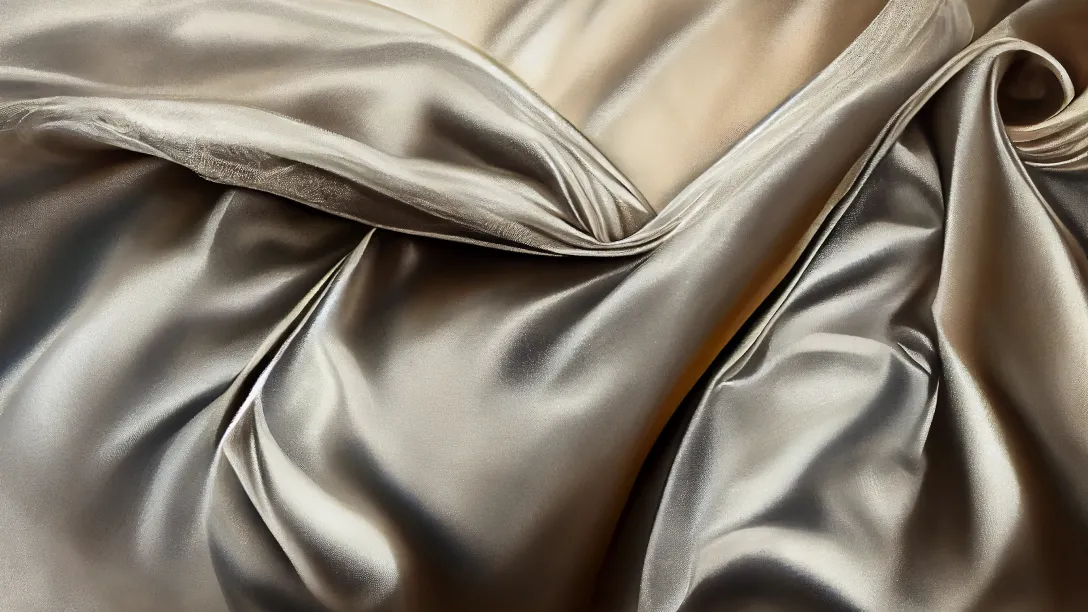
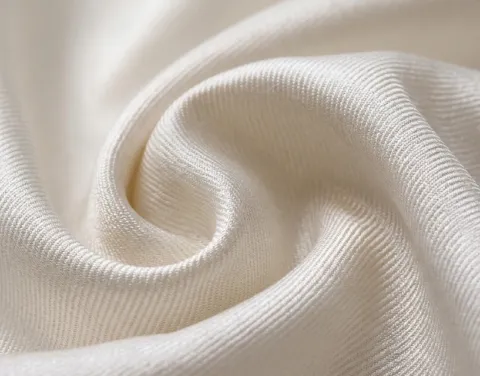
Specify 100% mulberry silk, Grade 6A, in charmeuse weave. The lustrous face of charmeuse is what gives a scrunchie its sheen under retail lighting, and the smooth surface delivers the friction-reduction benefit the product is sold on. OEKO-TEX Standard 100 certification should come with the fabric, since the product touches hair and skin daily.
Momme selection for scrunchies is narrower than for bedding. Our production experience points to two tiers:
- 19 momme — the volume standard. Soft, fluid, gathers well around the elastic, and holds dye evenly. Most best-selling scrunchie lines worldwide run on 19 momme.
- 22 momme — the premium tier. A slightly crisper gather, deeper luster, and better shape retention after repeated stretching. Suited to flagship SKUs and luxury positioning.
Going below 19 momme produces a scrunchie that turns semi-sheer when stretched over the elastic and wears out at the seam. Going to 25 momme or higher makes the fabric too stiff to gather evenly and doubles material cost without a benefit the customer can feel. If you are new to the weight system, our silk momme weight guide explains the measurement in detail.
3. Sizes and Construction
3.1 The Standard Size System
Scrunchie sizing is defined by two numbers: the width of the silk strip and the finished diameter lying flat. We produce the full market-standard range and custom dimensions on request:
| Style | Fabric Strip Width | Flat Diameter | Best-Fit Use |
|---|---|---|---|
| Skinny / Mini | 1–1.5 cm | 7.5–9 cm | Fine or short hair, braid ends, kids' lines |
| Classic / Regular | 2–3.5 cm | 9.5–11 cm | Everyday wear, core retail SKU |
| Large | 3.5–4.5 cm | 12–14 cm | Thick or long hair, fuller visual volume |
| Oversized / XL | 5–6.5 cm | 15–17.5 cm | Statement styling, fashion photography, buns |
Most successful first collections carry two sizes — Classic as the volume driver and either Skinny or Large as the range extender. Launching four sizes at once splits your MOQ and slows down the sell-through data you need for reordering.
3.2 The Elastic Core
The elastic inside decides how the product performs after three months of use. A scrunchie that slips on the second wear gets returned; one that over-tightens defeats the hair-health claim. We use high-elasticity braided bands matched to the scrunchie size — wider, stronger cores for Large and Oversized styles, softer narrow cores for Skinny versions. Core length is calibrated so the band holds two to three wraps on medium hair without a tight first wrap.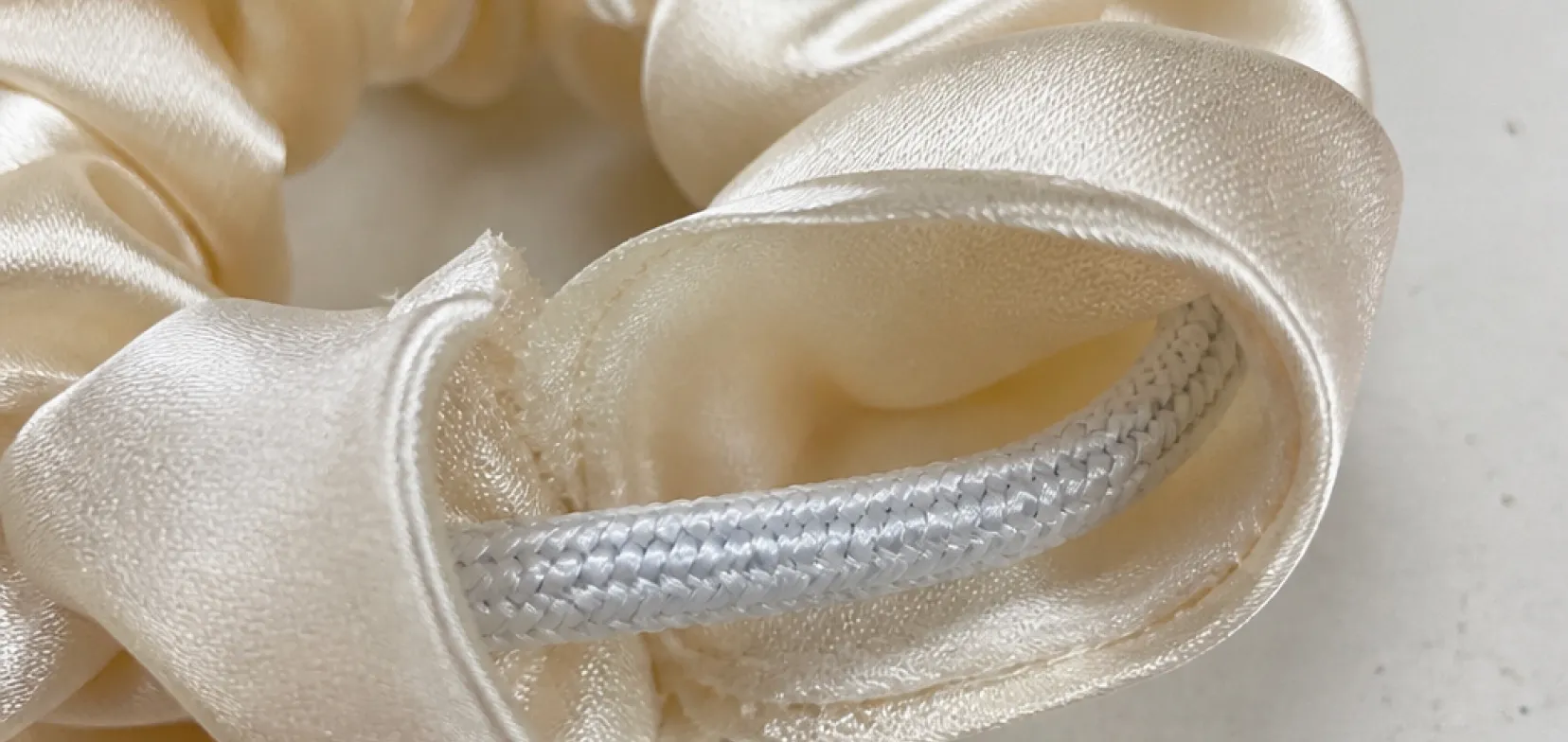
3.3 Stitching and Closure
Construction is two seams. The first joins the silk strip into a tube around the elastic — machine-stitched at high density for consistency. The second closes the opening after the elastic is joined; we finish this by hand with an invisible ladder stitch, so no raw edge or machine line shows on the finished product. When you evaluate samples, turn the scrunchie to the closure point first. A visible, puckered, or fraying closure is the most common defect in low-cost production.
4. Branding Options
- Woven brand labels: The standard for retail lines. A small woven tab sewn into the closure seam carries your logo permanently through washes.
- Hang tags and paper cards: Printed cards or tags display the brand story, momme spec, and care instructions at point of sale without touching the product.
- Embroidery: A stitched monogram or logo directly on the silk. Works best on Classic and larger sizes where the fabric area supports it.
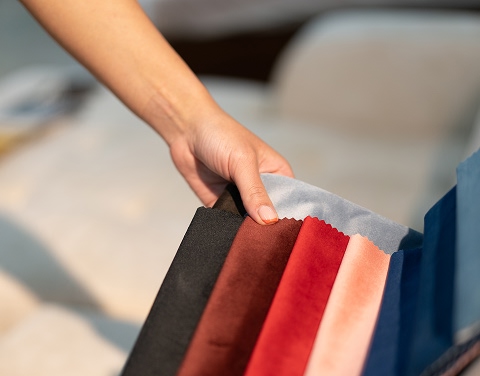
- Printed fabric: Digital printing applies your pattern to the silk before cutting, so a print wraps continuously around the finished scrunchie. This is the strongest option for collection-driven brands — and one print can run across scrunchies, scarves, and eye masks for a unified line.
5. Packaging for Retail and Gifting
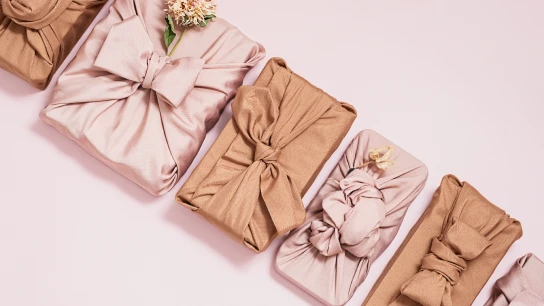
Packaging carries more weight in this category than in most. A scrunchie on a branded card reads as a hair tie; the same scrunchie in a rigid box reads as a gift. Standard options from our packaging program include printed paper cards with euro slots for hanging display, individual PVC or paper boxes, multi-packs of three or five in gift boxes, and FSC-certified paper for sustainability-positioned lines. For subscription boxes and holiday sets, we assemble mixed-color multipacks to your specification.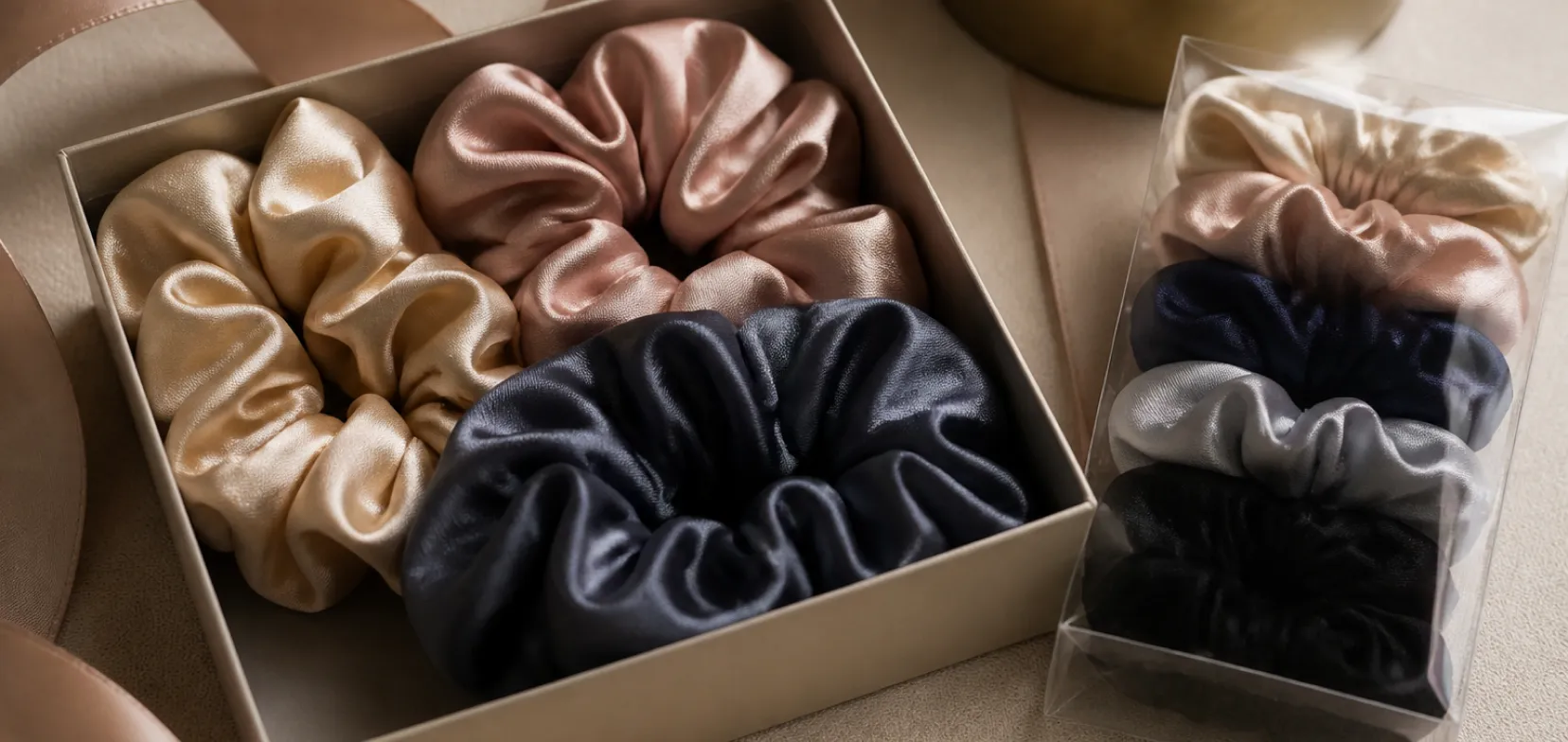
6. MOQ, Sampling, and Lead Times
Our minimum starts at 50 pieces per style, and stock-color programs can be split across sizes and shades. We always produce a physical sample before bulk — check the closure finish, elastic tension over two to three wraps, and color against the approved lab dip. Bulk production runs 15–25 days after sample approval, with the timeline depending on printing and packaging complexity.
For reorders, we retain your approved fabric lot references and elastic specifications, so color and tension stay consistent between batches. Batch consistency is the detail most buyers forget to ask about, and the one end customers notice first when it fails.
7. Building Scrunchies into a Wider Silk Collection
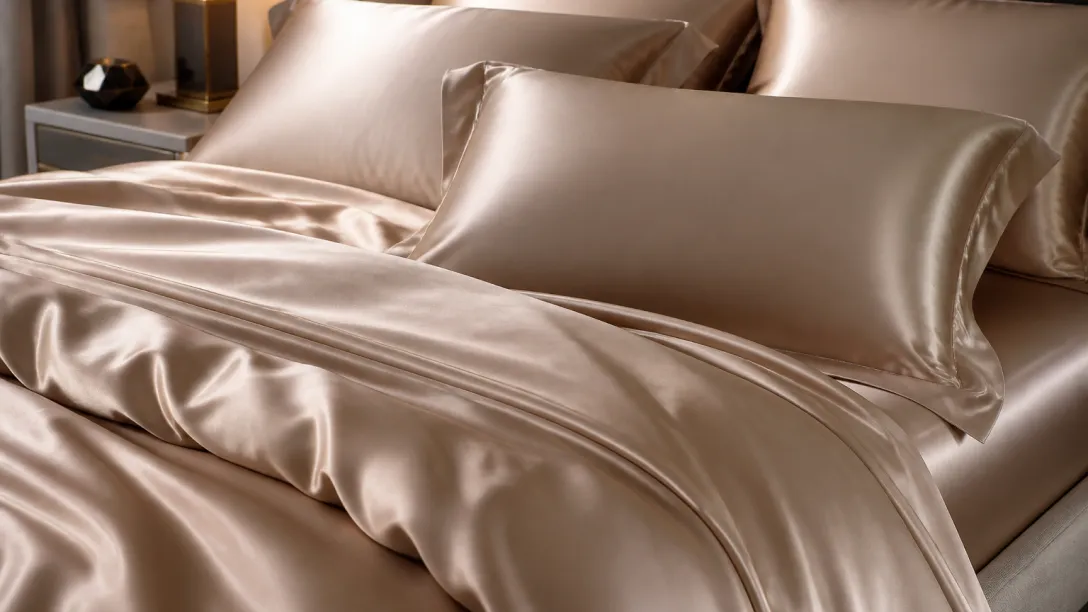
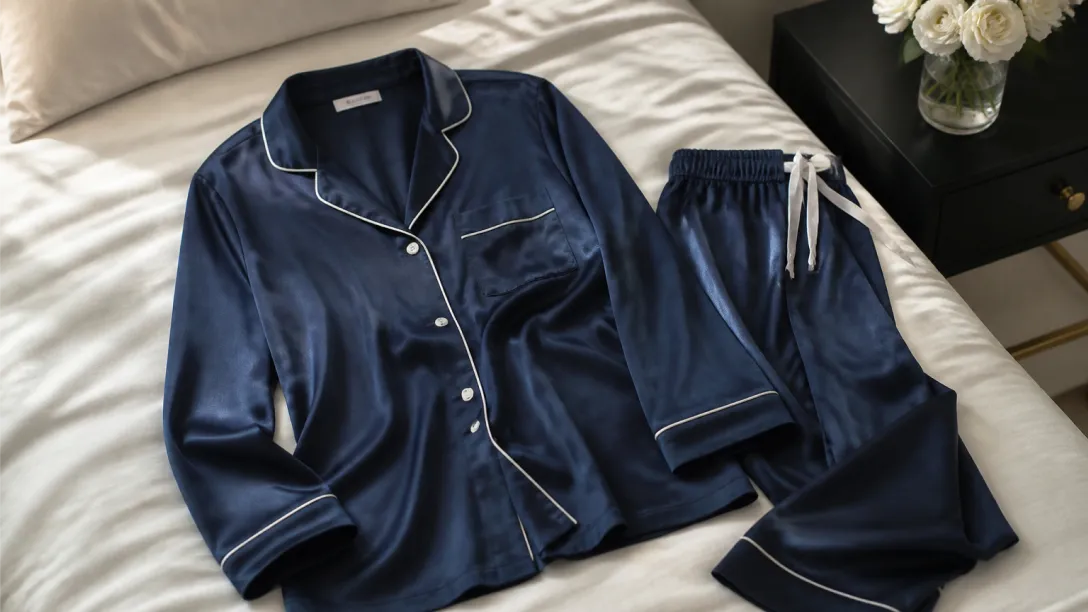
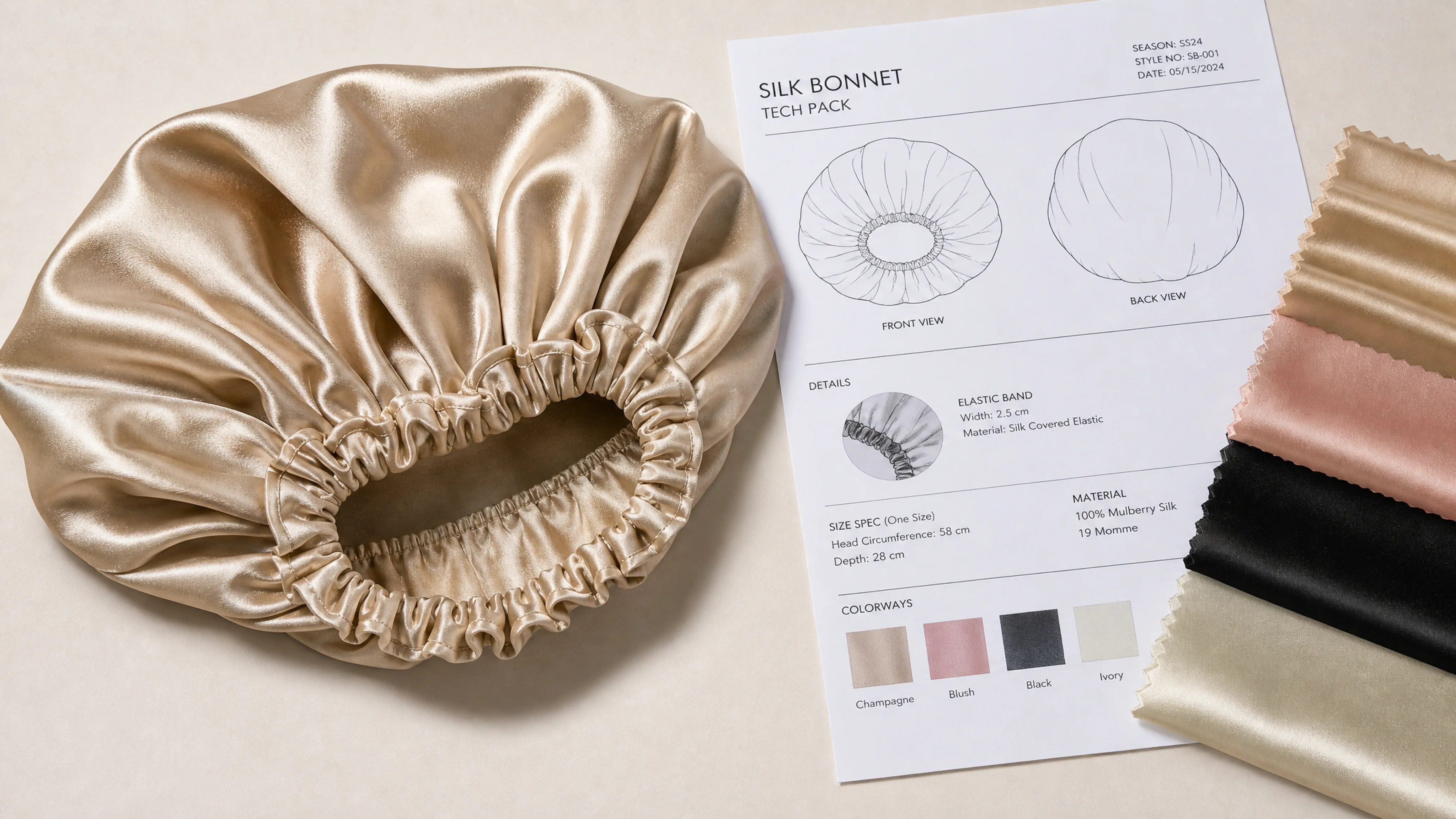
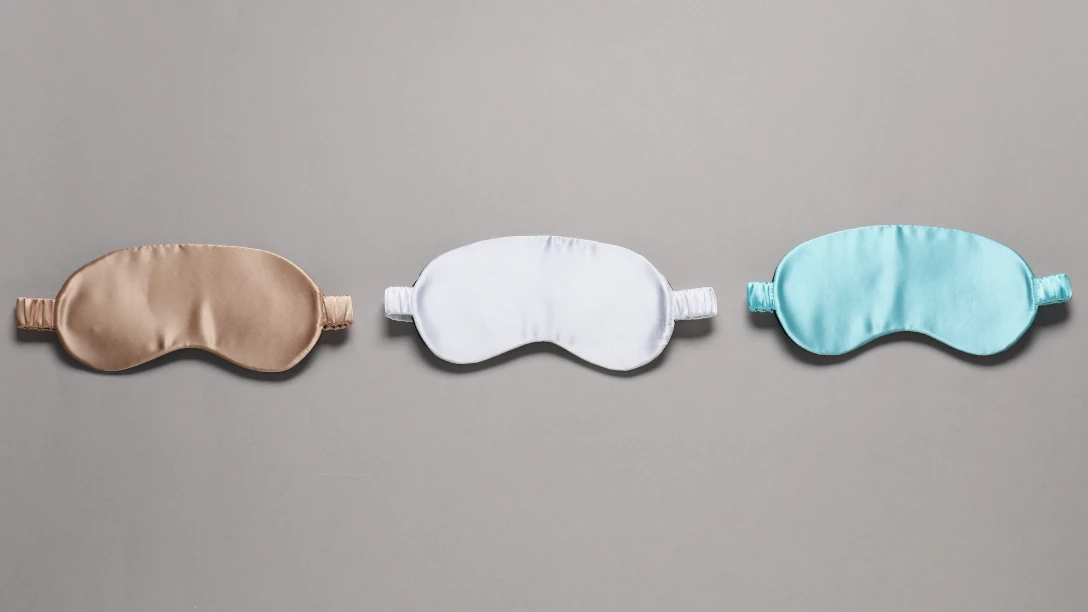
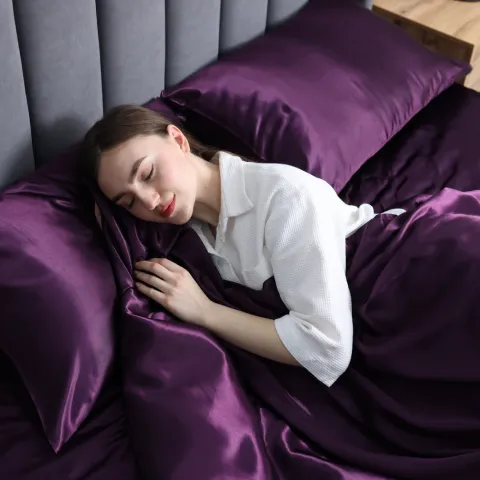
A scrunchie line rarely stands alone, and it performs best as part of a system. The same 19 or 22 momme charmeuse, dyed in one color story, can run across a custom silk pillowcase, a silk eye mask, and a silk bonnet — then combine into a silk gift set for holiday retail. Sharing one dyed fabric batch across products keeps colors matched across the whole collection and lowers the effective MOQ per item. Our custom silk pillowcase manufacturing guide covers the pillowcase side of that system.
8. Five Sourcing Mistakes to Avoid
- Buying on price per piece alone. A scrunchie under a dollar is almost always polyester satin. The fiber claim on your packaging must match the fabric, or the listing and customs paperwork both become problems.
- Specifying silk but not the elastic. Weak cores lose tension within weeks. Ask what elastic goes inside and test the sample over repeated stretches.
- Ignoring the closure seam. It is the first defect point and the first thing a picky customer photographs. Inspect it on every sample.
- Launching too many colors. Ten colorways at 50 pieces each ties up the same budget as five colorways at 100 — with half the reorder flexibility. Start narrow, extend on data.
- Skipping batch consistency terms. Put dye-lot matching and elastic specification retention in writing before the first bulk order, not after the second one arrives off-shade.
Start Your Custom Silk Scrunchie Program
Send us your target sizes, color palette, and branding files, and we will return a quotation with sampling options. If the line plan is still open, we can recommend a size and color structure based on your channel — retail, subscription, or gifting. See the full scope on our custom silk accessories page, or contact us to request samples.
FAQ
Our minimum starts at 50 pieces per style, and orders using stock colors can be split across sizes and shades. A physical pre-production sample is made before any bulk order so you can verify fabric, elastic tension, closure finish, and color.