

Elevating the Unboxing Experience: Custom Packaging Strategies for Luxury Silk Gift Sets


In the highly competitive B2B luxury textile market, product presentation functions as a primary driver of brand equity. For premium silk commodities, the unboxing sequence serves as the initial tactile interface between the brand and the consumer, establishing perceived value before the actual garment is even touched. When configuring a custom silk gift set, the packaging engineering requires the same rigorous material selection and dimensional precision as the silk manufacturing itself. A poorly constructed box will not only fail to protect the delicate protein fibers during global transit but will also severely degrade the product's retail positioning. This technical analysis explores the structural, chemical, and logistical strategies required to engineer custom packaging for luxury silk products, ensuring maximum brand impact and optimal supply chain efficiency.
1. Structural Engineering of Rigid Silk Boxes
The baseline standard for luxury silk packaging is the rigid setup box. Unlike folding cartons (which are constructed from lightweight 250-350gsm cardstock and ship flat), rigid boxes utilize heavy, non-bending greyboard substrates ranging from 800gsm to 1500gsm. This core is then wrapped in high-quality art paper, textured stock, or fabric. The rigid construction provides absolute dimensional stability, preventing crushing during warehouse stacking and rough courier handling.
B2B buyers generally select between two primary structural formats for silk packaging: the two-piece telescopic box (lid and base) and the magnetic clamshell box. The two-piece telescopic design offers a traditional, frictionless lift-off experience, relying on tight manufacturing tolerances (typically a 1.5mm to 2mm clearance) to create a subtle vacuum effect as the lid is removed. This slow reveal builds anticipation and signifies high manufacturing quality. The magnetic clamshell design utilizes concealed neodymium magnets integrated into the front flap. It provides a highly satisfying tactile snap upon closure and allows the box to function as a permanent keepsake or storage container, extending brand visibility in the consumer's home long after the initial purchase.
2. Chemical Compatibility: The Necessity of Acid-Free Materials
Silk is an animal protein fiber composed primarily of fibroin. Its chemical structure makes it highly susceptible to degradation when exposed to acidic environments. Standard commercial cardboard, kraft paper, and standard tissue paper contain lingering acids and lignins from the wood pulp processing phase. Over time, particularly during long-term warehouse storage or sea freight across fluctuating climate zones, these acids off-gas and react with the silk fibers.
This chemical reaction accelerates the degradation of the silk, causing irreversible yellowing (especially on white or ivory fabrics) and rendering the fibers brittle. Therefore, any packaging material in direct contact with the silk must be strictly acid-free with a neutral pH level (7.0 to 7.5). Procurement teams must specify acid-free tissue paper for internal wrapping and ensure that any cardboard inserts or belly bands touching the garment utilize archival-grade, lignin-free substrates. Skipping this chemical safeguard to reduce packaging costs routinely results in massive inventory losses due to fabric discoloration.
3. Internal Architecture: Securing and Presenting the Garment
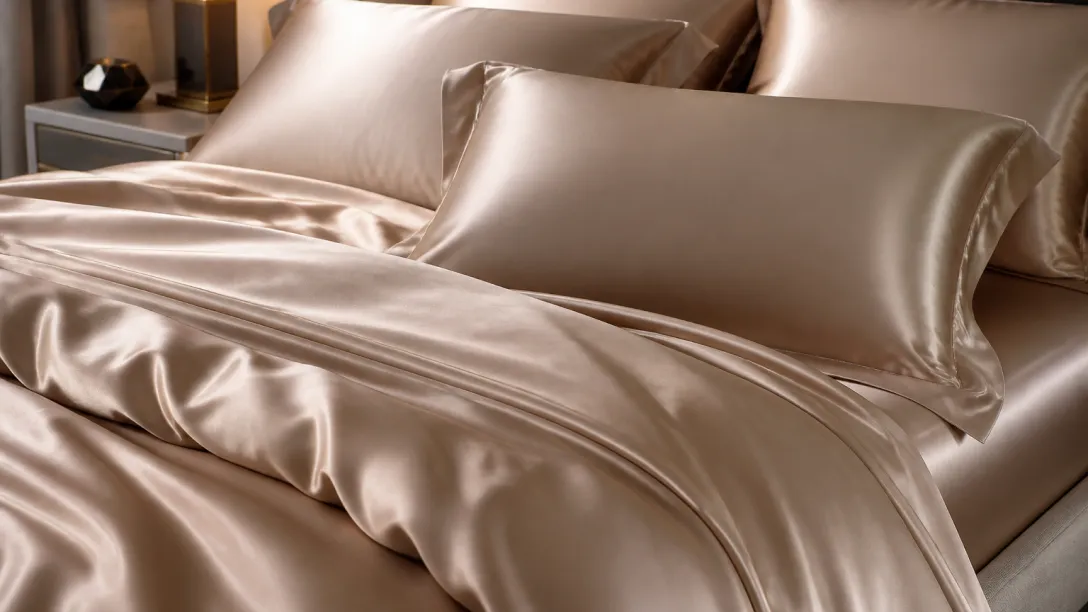
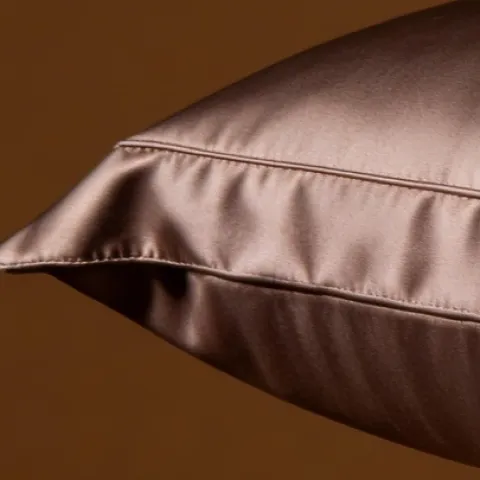
Silk fabric possesses an extremely low coefficient of friction. A 22 momme silk pillowcase folded inside an empty box will slide, unfold, and crumple against the container walls during transport, arriving at the consumer in a disordered state. To maintain the intended presentation, the internal architecture of the box must secure the silk without applying compressive force that creates permanent creases.
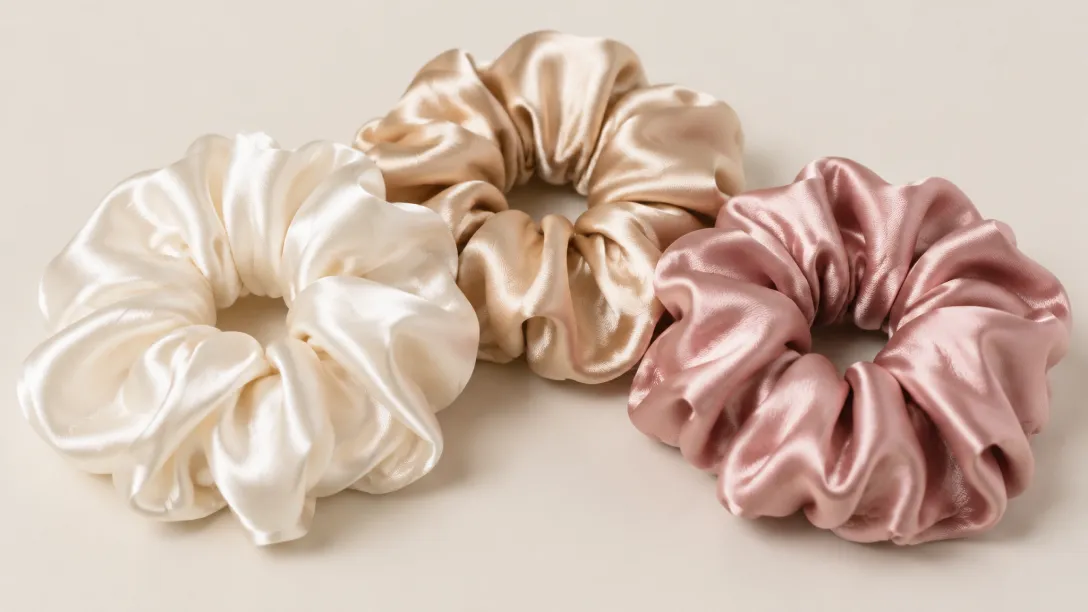
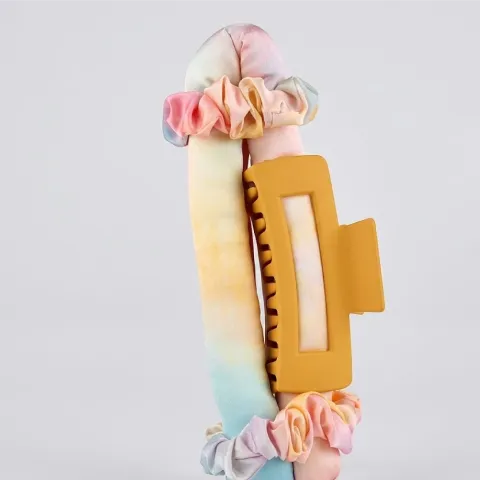
For complex multi-item sets, such as combining a custom silk pillowcase with a custom silk eye mask and scrunchies, die-cut inserts are mandatory. While EVA (Ethylene-Vinyl Acetate) foam is common in cosmetics packaging, it is generally avoided for luxury silk due to its synthetic off-gassing and lack of sustainability. Premium brands utilize die-cut, acid-free cardstock trays or molded pulp inserts flocked with velvet to hold individual accessories in precise cavities. For folded garments like robes or pajamas, custom-printed paper belly bands or branded silk ribbons prevent the fabric from shifting while providing an additional layer of brand messaging.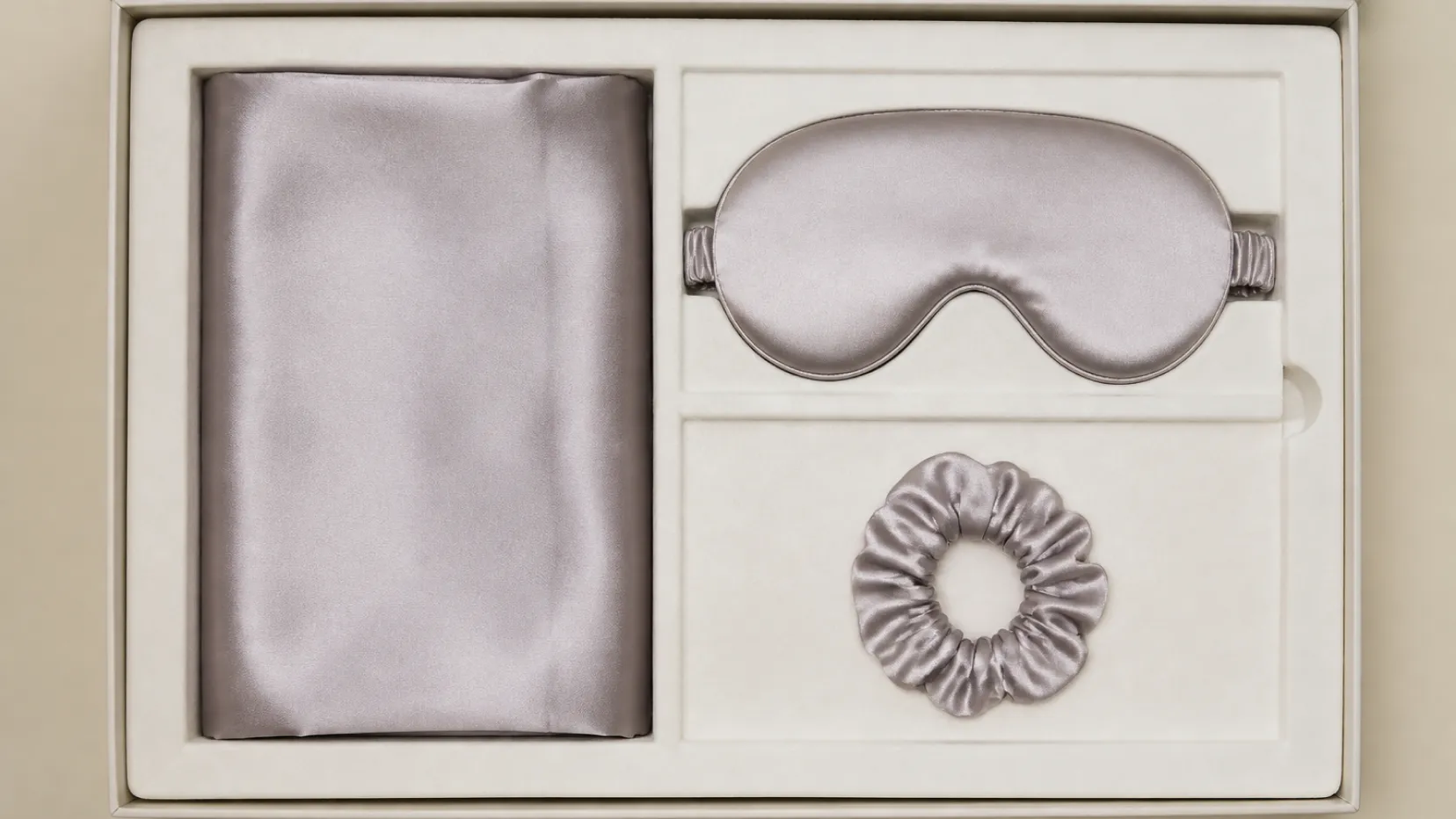
4. Surface Finishing and Tactile Branding
The exterior of the box communicates the brand's positioning through tactile and visual finishes. The wrapping paper applied over the greyboard dictates the initial physical interaction. Matte lamination provides a subdued, modern aesthetic and resists fingerprints, while soft-touch lamination adds a velvety, high-friction feel that mimics luxury leather goods.
Branding elements should utilize post-press finishes rather than standard CMYK printing. Hot foil stamping applies a thin layer of metallic foil (typically gold, silver, or rose gold) to the paper using a heated brass die, creating a brilliant, reflective logo. Blind embossing or debossing alters the surface topography of the box, raising or recessing the logo without adding ink, yielding an understated, minimalist aesthetic. Spot UV coating applies a clear, high-gloss polymer to specific areas of a matte box, creating a striking contrast in light reflection. A strategic combination of these finishes—such as a debossed logo with spot UV detailing—signals a premium product before the box is even opened.
5. Sustainable Packaging Directives
Modern luxury consumers demand verifiable sustainability. Brands must transition away from single-use plastics and non-recyclable composite materials in their packaging supply chains. This shift aligns directly with incoming extended producer responsibility (EPR) regulations in the European Union and North America.
Procurement specifications should mandate FSC-certified (Forest Stewardship Council) paper, ensuring the wood pulp originates from responsibly managed forests. Standard petroleum-based printing inks should be replaced with soy or vegetable-based inks, which facilitate easier de-inking during the paper recycling process. Traditional plastic polybags, used to protect the box from moisture during freight, can be substituted with compostable PLA (Polylactic Acid) bags or translucent glassine paper envelopes. By aligning packaging materials with the natural biodegradability of pure silk, brands create a cohesive, eco-conscious narrative.
6. Case Study: Translating Brand Identity into Packaging
The practical application of these strategies is evident in our recent manufacturing projects. For a detailed example of how optimized packaging engineering elevates a multi-component product launch, review our silk-it custom silk gift set case study. This project required integrating a heavily weighted silk sleep mask and a standard pillowcase into a single, cohesive retail unit. By utilizing a 1200gsm magnetic clamshell box wrapped in soft-touch matte paper with gold hot-foil stamping, and securing the internal items with an acid-free die-cut divider, the final product achieved a flawless presentation upon arrival, eliminating transit-induced dishevelment and supporting a premium MSRP.
7. Supply Chain Integration and Freight Considerations
The primary drawback of rigid setup boxes is their volumetric weight. Because they cannot be shipped flat, transporting empty rigid boxes from the packaging facility to the garment factory, and subsequently shipping the assembled product internationally, involves paying to transport empty air. This incurs massive air freight penalties and reduces sea container efficiency.
To solve this, B2B buyers can engineer flat-pack magnetic rigid boxes. These boxes utilize articulated joints and 3M adhesive strips, allowing them to ship completely flat and be assembled instantly on the factory floor by folding up the side walls. A flat-pack box consumes approximately 80% less cubic volume during transit than a standard rigid box, yielding exponential savings on global shipping costs without sacrificing the final structural integrity of the retail presentation. For a full breakdown of volumetric shipping variables, explore our comprehensive packaging options guide.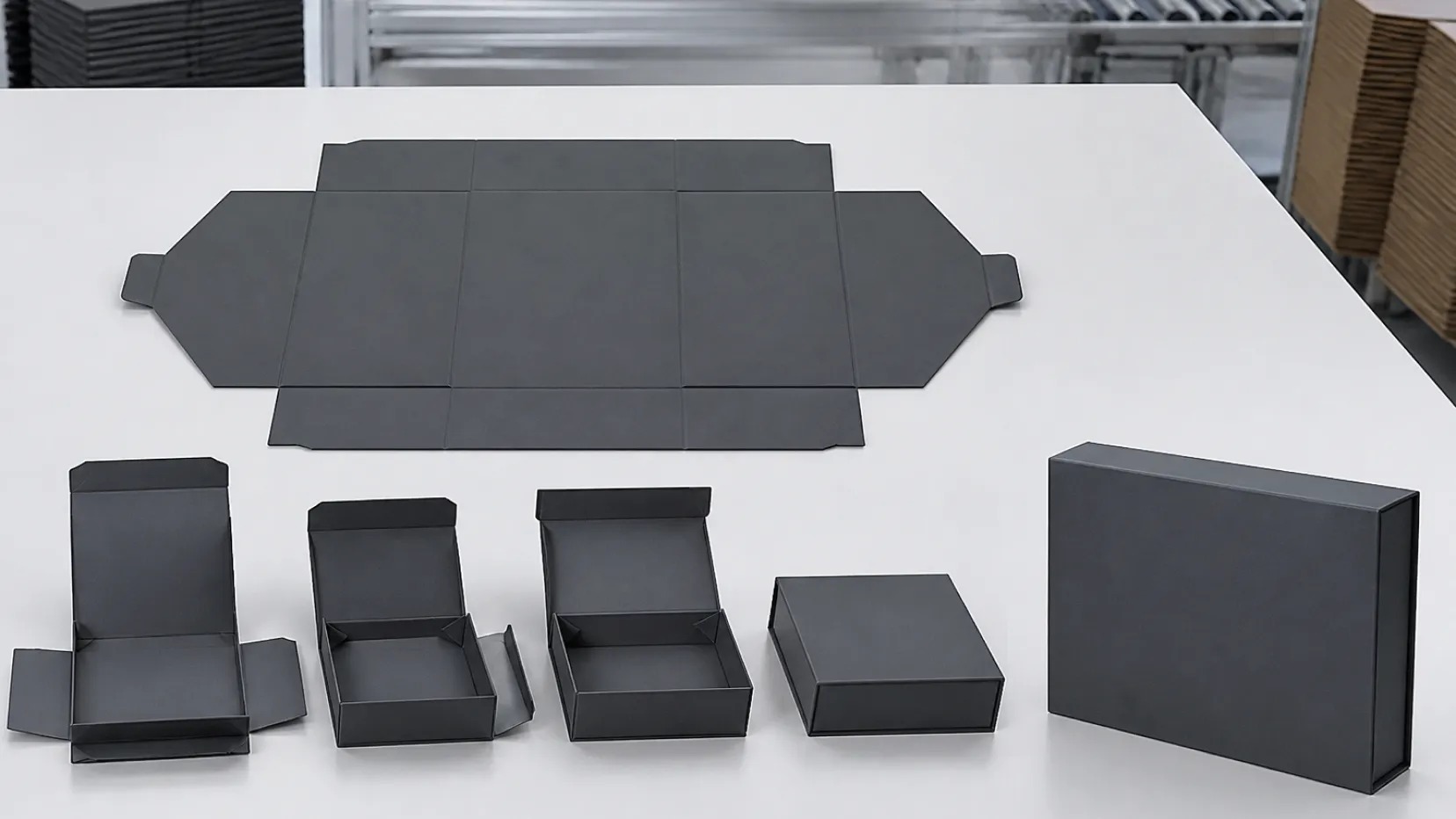
8. Sourcing Custom Packaging with DreamSilk
Aligning the manufacturing of high-grade silk with the production of custom packaging requires a streamlined, integrated supply chain. Managing these components through separate vendors frequently results in sizing mismatches, delayed lead times, and inconsistent quality control. At DreamSilk, we consolidate this process by offering bespoke packaging engineering parallel to our silk production lines. We guarantee that all internal materials meet strict acid-free requirements to protect the integrity of the fibroin, and our finishing facilities hold the necessary certifications for sustainable paper sourcing and eco-friendly printing. To discuss specific box dimensions, finishing techniques, and integrated manufacturing timelines for your upcoming collection, proceed to our contact portal for a direct consultation.
FAQ
The rigid setup box (either a two-piece telescopic lid/base or a magnetic clamshell) is the industry standard for luxury silk. Unlike thin folding cartons, rigid boxes use heavy 800gsm to 1500gsm greyboard, providing structural protection against crushing during transit and delivering a premium, substantial feel during the unboxing experience.