

Silk Crepe de Chine Fabric: A B2B Guide to Weights, Hand Feel, and Sourcing Standards


Crepe de chine is the most versatile apparel silk in commercial production, and also the one buyers most often confuse with its neighbors. It sits between the high luster of charmeuse and the transparency of georgette, offering a matte, finely textured surface that drapes without clinging. Brands that specify it correctly get a fabric that sews cleanly, dyes evenly, and survives retail wear better than lighter crepes. Brands that confuse it with georgette get garments that fall apart at the seams. This guide defines the construction, weights, and sourcing parameters that keep a crepe de chine program on specification.
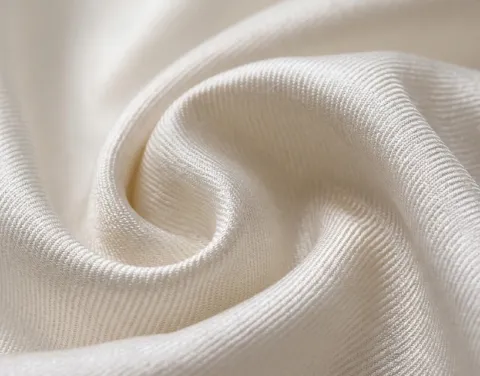
Silk crepe de chine is a plain-weave fabric made with highly twisted crepe yarns in the weft, alternating S-twist and Z-twist picks, which produces its characteristic matte, finely pebbled surface. Commercial apparel weights run from 12 to 18 momme. It is specified where a brand needs the drape of silk without the luster of charmeuse or the sheerness of georgette.
1. What Crepe de Chine Is: Yarn Construction and Surface Character
The defining feature of crepe de chine is its weft yarn. Crepe yarns are twisted far beyond normal levels, typically 2,000 to 3,000 turns per meter, and woven in alternating S and Z twist directions. When the fabric relaxes after weaving, these high-twist yarns contract and produce the fine, even texture across the surface. The warp uses standard low-twist silk, which keeps the fabric stable and gives it more body than georgette, where both warp and weft carry high twist.
This construction explains the fabric's three commercial properties. The matte surface reads as understated and premium under retail lighting, without the glare that charmeuse shows in photography. The pebbled texture gives the fabric mechanical grip, so seams hold and hems stay pressed. And the balanced contraction of alternating twists produces a stable cloth that resists the twisting and spiraling that plagues single-twist crepe constructions after washing.
Grade 6A mulberry silk yarn remains the baseline. Crepe yarns amplify raw material quality because the high twist concentrates any fiber irregularity into visible slubs. Short-staple or lower-grade silk produces a streaked, uneven texture that no finishing will correct.
The name reflects the fabric's origin: crepe de chine translates as "crepe from China," and the construction entered European production through Chinese silk exports in the nineteenth century. Suzhou remains the center of gravity for commercial production, where the twisting, weaving, and dyeing infrastructure for crepe yarns is concentrated. Sourcing outside this cluster is possible, but mills without dedicated crepe-twisting capacity buy in yarn and lose control of the single most important input.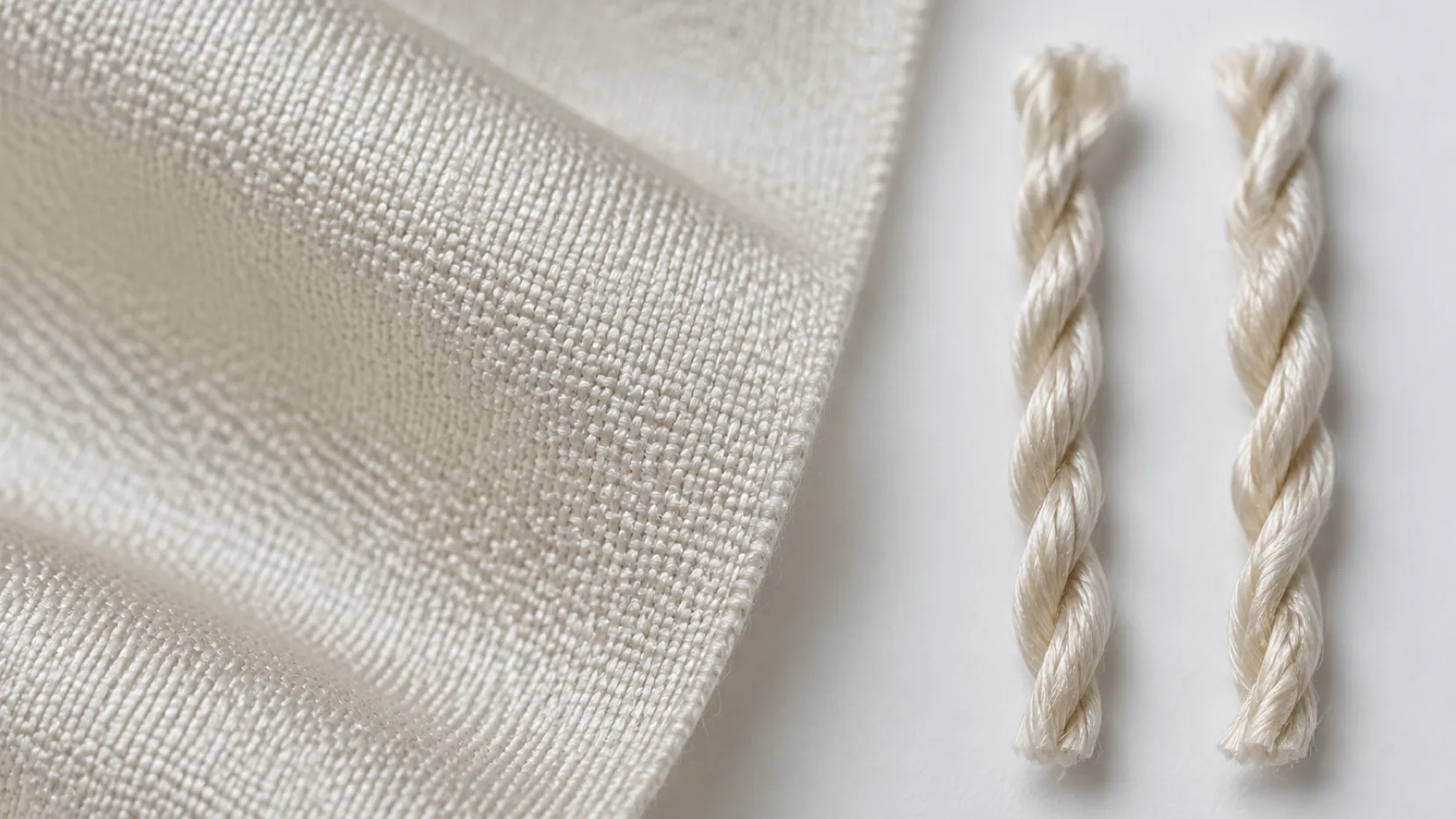
2. Weight Specifications: Momme Ranges by Application
Crepe de chine is sold by momme, and the working range for apparel is narrow. The commercial weights and their uses:
| Momme | Approx. GSM | Opacity | Typical Application |
|---|---|---|---|
| 12 mm | 52 gsm | Semi-sheer in pale shades | Blouses, scarves, lingerie layers |
| 14 mm | 60 gsm | Mostly opaque | Blouses, dresses, linings |
| 16 mm | 69 gsm | Fully opaque | Dresses, shirts, tailored separates |
| 18 mm | 77 gsm | Fully opaque, more body | Structured dresses, suiting-weight silk |
The gsm conversions above follow the standard factor covered in our silk momme weight guide. The practical sourcing point is opacity: programs specifying pale colorways for unlined custom silk dresses should start at 14 momme and confirm against a physical swatch, because opacity under showroom lighting and daylight differs enough to matter.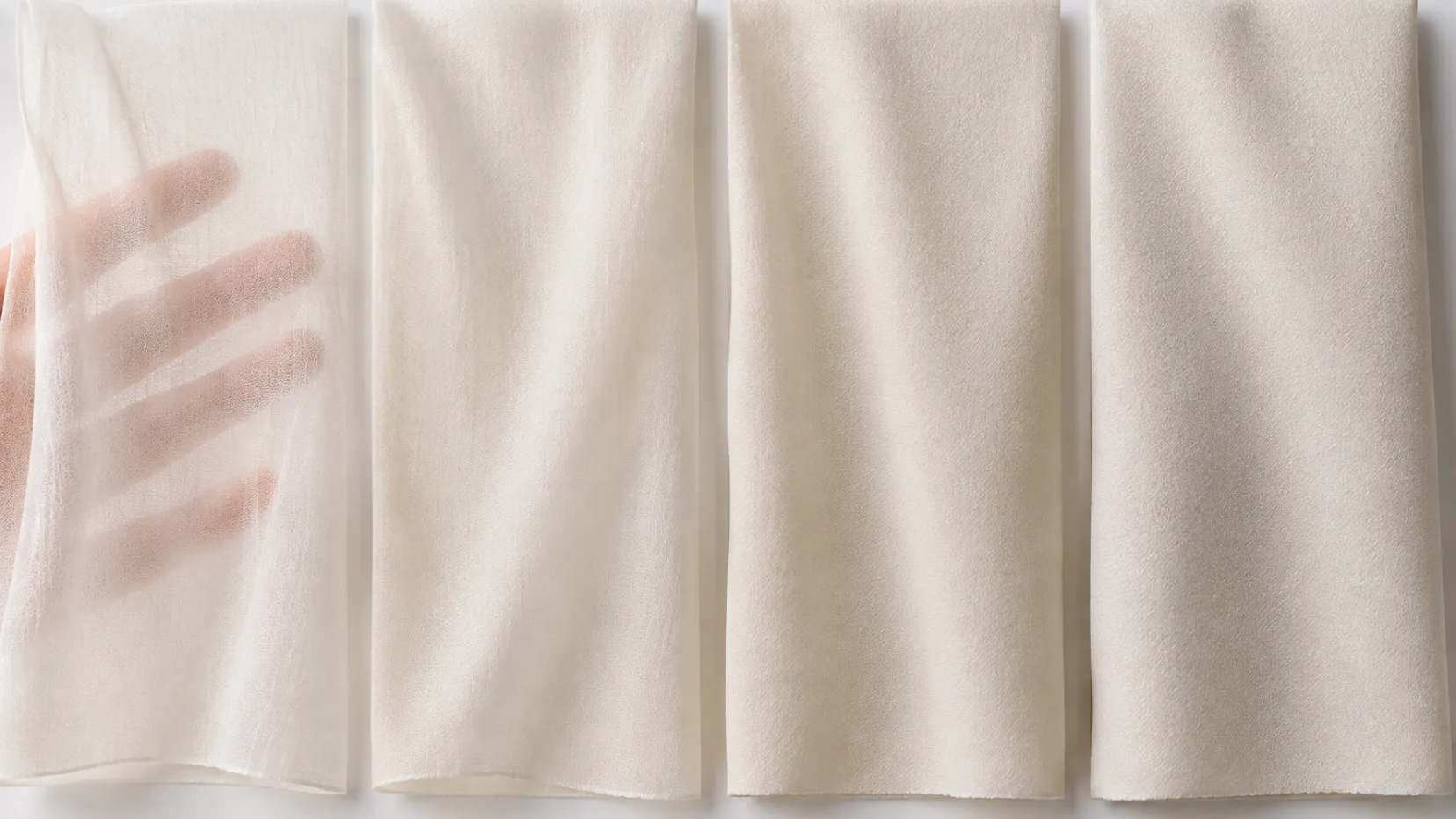
Weight tolerance deserves a contract clause. Crepe de chine at the light end of the range should hold plus or minus 5 percent of specified momme. A 12 momme fabric arriving at 11 momme loses the opacity the product was priced on, and the difference is invisible until the garment is photographed or worn.
Requests for quotation should state the end product and the target momme together. A mill quoting blind will default to 14 momme, and a brand that needed 16 momme opacity discovers the gap only after sampling.
3. Crepe de Chine vs Georgette vs Charmeuse
These three fabrics cover most apparel silk purchasing, and choosing between them is the decision buyers make most often. The functional comparison:
| Property | Crepe de Chine | Georgette | Charmeuse |
|---|---|---|---|
| Weave | Plain, crepe weft only | Plain, crepe warp and weft | Satin |
| Surface | Matte, fine pebble | Matte, coarse grain | High luster face |
| Opacity at 12–14 mm | Semi-opaque | Sheer | Semi-opaque |
| Drape | Fluid with body | Airy, floating | Liquid, clinging |
| Wrinkle resistance | Good | Very good | Low |
| Sewing difficulty | Low to moderate | High (shifts and frays) | Moderate (slippery) |
The selection logic follows directly. A blouse that must read matte and structured under office lighting calls for crepe de chine. An overlay that must float over a base layer calls for silk georgette. An evening piece where luster carries the design calls for silk charmeuse. Substituting georgette for crepe de chine in a tailored pattern is the most common error: georgette's open construction cannot hold the seam load, and the garment distorts at the armhole within weeks of wear.
For programs built around a coordinated silk range, crepe de chine also works as the matte counterpoint inside a collection: a charmeuse camisole under a crepe de chine shirt, or a crepe blouse against a charmeuse-lined jacket. Planning both fabrics from one dye lot keeps shades matched across the range and consolidates minimums.
4. Dyeing and Printing Performance
Crepe de chine is among the easiest silks to dye evenly. The textured surface scatters light and hides minor dye variation that would show as streaks on a satin face. Piece dyeing at grade 4 colorfastness to washing (AATCC 61) is routine at commercial mills, and the matte surface holds deep shades without the harsh reflectivity that dark charmeuse develops.
For printing, the fabric accepts both digital and screen methods cleanly. The fine pebble texture softens printed edges slightly, which flatters watercolor and photographic artwork but can blur micro-detail below 0.5 mm line width. Designs relying on razor-sharp fine lines should be proofed on the actual fabric before bulk. The method trade-offs are detailed in our silk printing methods guide.
5. Cutting and Sewing Requirements
Crepe de chine is the most forgiving apparel silk on the cutting table. The grippy texture keeps stacked plies aligned, and standard rotary cutting holds tolerance without the shifting that forces single-ply cutting on charmeuse. Shrinkage in piece-dyed lots runs 3 to 5 percent and must be compensated in the pattern or removed by pre-shrinking before cutting.
Sewing parameters for garment production: stitch density of 12 to 16 SPI with fine polyester-core thread, size 9 to 11 needles, and French seams at 5 mm for unlined construction. The fabric's texture hides minor tension variation that would pucker visibly on charmeuse, which shortens operator training time in factories new to silk. Our silk sewing techniques guide documents the full parameter set. Brands building blouses or shirts on this fabric can reference the construction standards in our custom silk shirt program.
Pressing follows the matte surface. Crepe de chine tolerates steam at moderate temperature without the shine marks that ruin charmeuse, but the iron should still work from the reverse where construction allows. Finished garments hold a pressed crease through retail display, which is one practical reason the fabric dominates blouse programs sold on hanger presentation.
6. Quality Benchmarks and Sourcing Workflow
The checkpoints that belong in a crepe de chine first article inspection:
| Checkpoint | Standard | Method |
|---|---|---|
| Fabric weight | ±5% of specified momme | GSM cutter, 5 points per roll |
| Texture uniformity | No streaks or twist irregularity | Full-roll visual inspection under D65 |
| Colorfastness to washing | Grade 4 minimum | AATCC 61 |
| Dimensional stability | Shrinkage within declared 3–5% | Wash test per lot |
| Spirality after wash | ≤3% twist | AATCC 179 |
Commercial terms for custom programs: lab dips in 5 to 7 working days, production minimums from 100 meters per color for stock constructions and 300 meters for custom weights, with bulk lead times of 20 to 30 days. We weave and dye silk crepe de chine to order in 12 through 18 momme at our Suzhou facility, with lot-level test reports supplied on request. Send your target weight and colorway to request swatches and a direct mill quote.
FAQ
Silk crepe de chine is a plain-weave silk fabric made with highly twisted crepe yarns in the weft, alternating S-twist and Z-twist picks. This construction produces a matte, finely pebbled surface with fluid drape and good body. It is the most versatile apparel silk in commercial production, used for blouses, dresses, shirts, and linings in weights from 12 to 18 momme.