

Silk Blend Fabrics Guide for B2B Buyers: Silk-Cotton, Silk-Linen, Silk-Wool, and Silk-Viscose Sourcing Standards


Silk blends solve a problem that pure silk cannot: matching silk's hand and luster to price points, care requirements, and performance targets that a 100 percent silk fabric misses. Yet blends are also where sourcing programs quietly go wrong. Blend ratios get quoted loosely, differential dye uptake turns approved lab dips into striped production rolls, and buyers discover at garment QC that a fabric labeled silk-cotton behaves like neither fiber. This guide sets out the sourcing logic for the four blend families a serious program encounters: silk-cotton, silk-linen, silk-wool, and silk-viscose, with the specifications, finishing behaviors, and testing protocols that keep blended programs on spec.
The short answer for buyers: a silk blend is only as good as its declared ratio and its dyeing discipline. Specify the blend ratio by weight percentage, the yarn construction, and whether the silk runs in warp, weft, or both, because fiber placement changes hand, luster, and cost more than the percentage itself. Expect differential dye uptake between fibers and lock lab dips to production yarn lots. The four workhorse blends cover distinct territory: silk-cotton for breathable everyday garments, silk-linen and silk-wool for seasonal tailoring, and silk-viscose for drape-heavy styles at accessible price points.
1. Why Blend Silk? The Commercial Logic Behind Blended Constructions
Blending is not dilution. Each silk blend exists to engineer a specific outcome that neither fiber achieves alone, and understanding the intent tells you how to specify and inspect the fabric.
Four commercial drivers dominate. First, price positioning: blending silk with cotton or viscose brings silk's surface appeal into mid-market programs that cannot carry pure silk's cost per meter. Second, care and durability: pure silk's hand-wash reputation limits it in everyday categories, while silk-cotton and silk-viscose blends tolerate machine cycles that open mass retail channels. Third, performance engineering: wool adds resilience and wrinkle recovery, linen adds dry hand and heat conductivity, cotton adds moisture management and softness against skin. Fourth, hand modification: blending changes silk's slippery drape into something grippier, crisper, or heavier depending on the partner fiber.
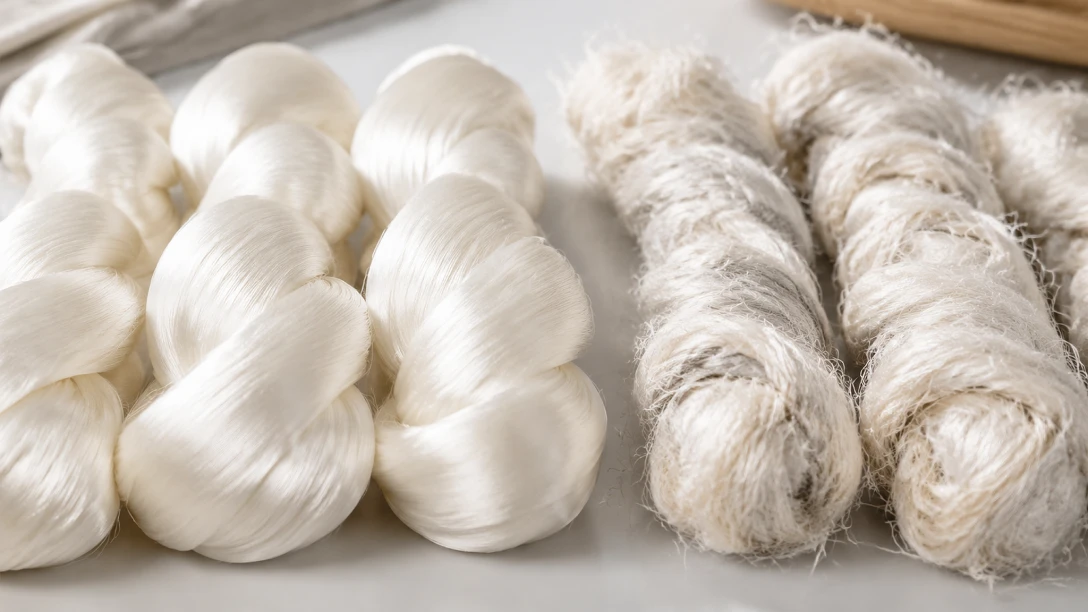
The sourcing consequence is that a blend must be specified as a construction, not a name. "Silk-cotton" describes at least a dozen fabrics: ratio (common standards run 30/70, 45/55, and 50/50 silk to cotton by weight), yarn count, weave, and which fiber carries the warp all change the outcome. A warp-silk, weft-cotton fabric reads silkier on the face and prices lower than a 50/50 intimate blend. Programs that specify only the name inherit whatever construction the mill finds convenient, which is why blend specifications must start from a sealed physical sample with its construction analyzed and recorded.
2. Silk-Cotton: The Volume Workhorse Blend
Silk-cotton is the highest-volume silk blend in B2B programs because it solves the two complaints that block pure silk from everyday categories: price and care. The cotton fraction cuts cost per meter substantially, adds opacity and body, and gives the fabric a machine-washable profile that retailers can put on a care label without scaring consumers.
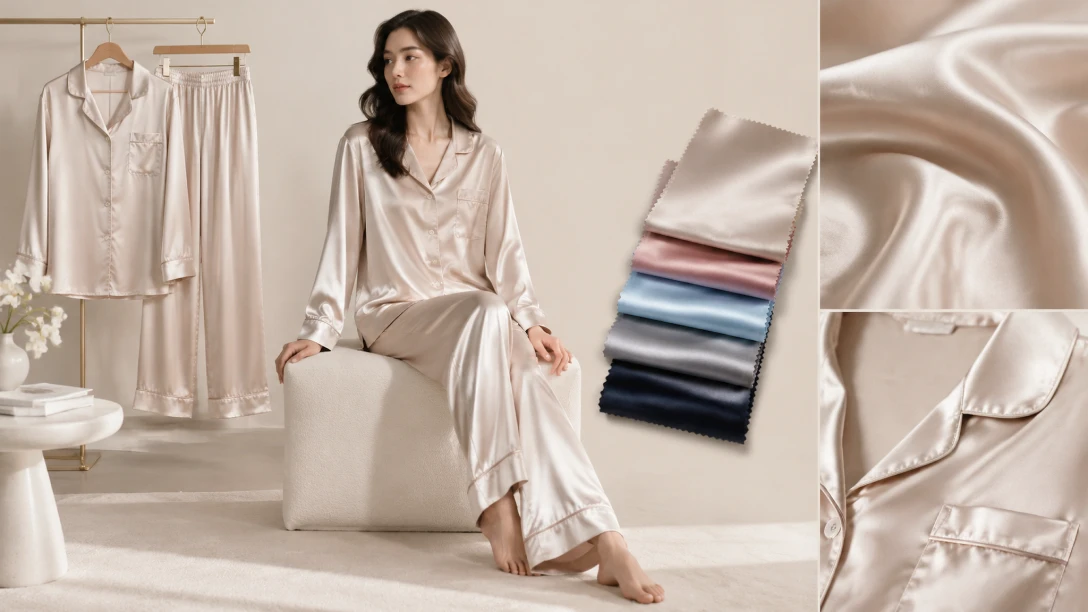
Construction decisions define the fabric. Intimate blends twist silk and cotton into single yarns for uniform hand throughout; warp-silk constructions put silk on the face for luster while cotton in the weft carries cost down. Standard ratios of 30/70 and 45/55 dominate, with fabric weights running roughly 60 to 120 GSM for shirting, blouse, and lining applications. The hand reads softer and drier than pure silk, with reduced luster proportional to cotton content, which is exactly what casual shirting and sleepwear programs want from silk cotton fabric constructions.
Two QC points are specific to this blend. Cotton's shrinkage exceeds silk's, so dimensional stability testing after washing matters more than with pure silk, and the ratio must be verified by fiber analysis, not supplier declaration, because misdeclared cotton content is the most common blend fraud in this category. Programs feeding custom silk clothing lines should lock the ratio into the purchase order with a test method reference, not a marketing description.
3. Silk-Linen and Silk-Wool: The Seasonal Blends
Silk-linen and silk-wool occupy the tailoring and seasonal ends of the blend spectrum, and both exist to modify silk's temperature behavior and drape.
Silk-linen combines silk's luster with linen's dry, crisp hand and superior heat conductivity, producing spring and summer suiting, structured dresses, and premium casual shirting. The linen fraction introduces characteristic slubs, so buyers should expect a textured surface and specify acceptable slub frequency as they would with dupioni. Wrinkling is the blend's signature and its commercial risk: silk content softens linen's crease memory but does not eliminate it, and programs for wrinkle-sensitive categories should request crease recovery testing before committing. Weights for silk linen fabric typically run 100 to 160 GSM for apparel constructions.
Silk-wool runs the opposite season. Wool contributes resilience, warmth, and wrinkle recovery, while silk adds luster and a smoother hand than pure wool delivers, producing the classic suiting and tailoring blend for autumn and winter programs. Ratios commonly run 30 to 50 percent silk, with fabric weights of 150 to 280 GSM for suiting. The blend dyes beautifully because both fibers are protein-based and take acid dyes together, which simplifies color matching compared with other blends. Buyers should specify mothsproofing treatment and confirm the wool grade, since silk wool fabric quality tracks the wool fineness more than the silk content.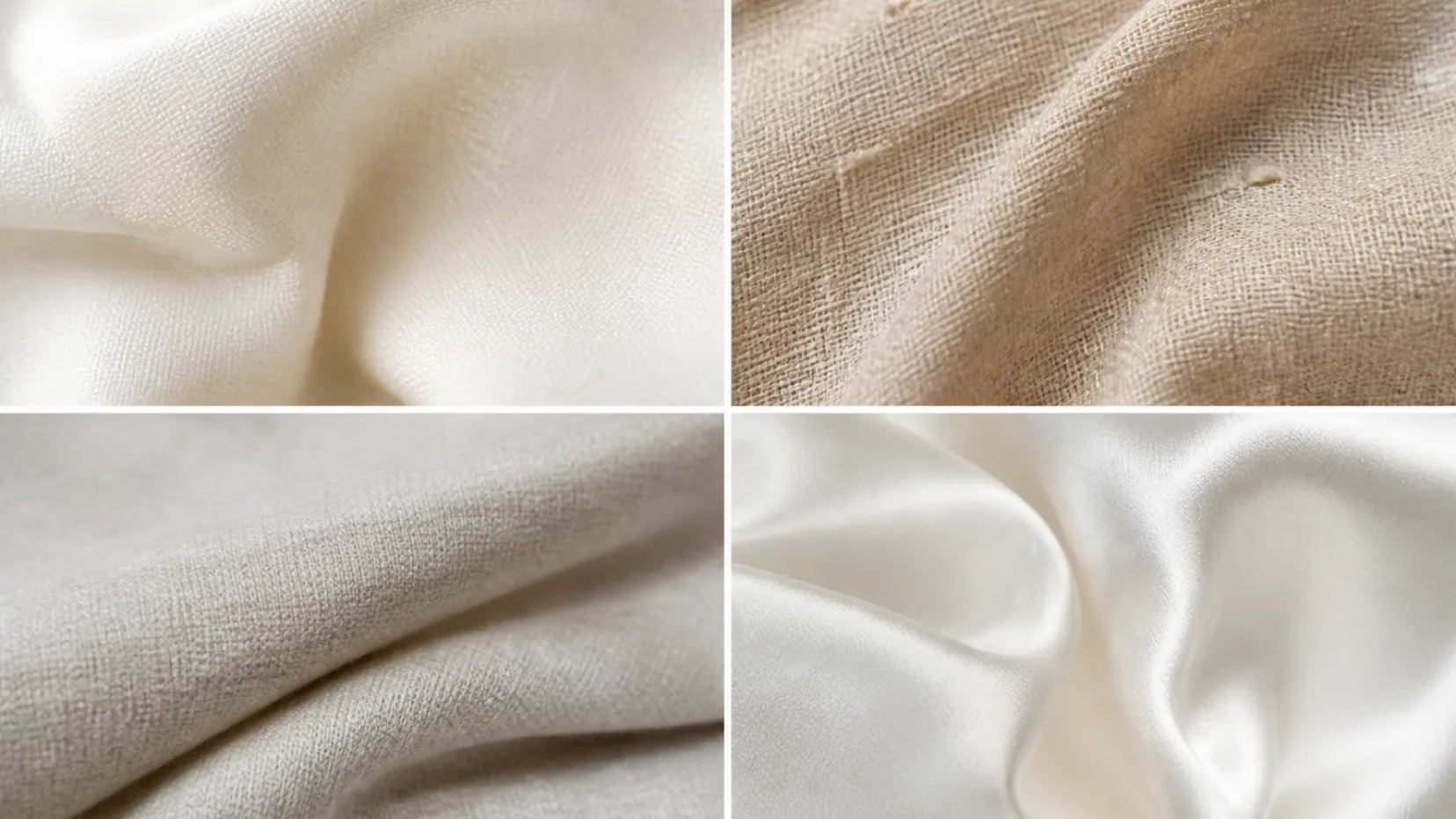
4. Silk-Viscose: Drape Engineering at a Lower Price Point
Silk-viscose is the blend that confuses buyers most, because viscose rayon was engineered to imitate silk's drape and luster in the first place. Blending them produces a fabric with heavy, fluid drape and high surface luster at a fraction of pure silk's cost, which makes it the standard choice for drape-heavy dresses, blouses, and linings in accessible price tiers.
The blend's behaviors require respect. Viscose loses roughly half its strength when wet, so silk-viscose fabrics demand gentle wash care and careful wet processing during dyeing and finishing; mills that push production-speed wet processing deliver weakened fabric that fails seam slippage tests at the garment factory. Viscose also shrinks and can grow in length on the hanger, so dimensional stability testing in both directions belongs in the approval file. Standard ratios run 30/70 to 50/50 silk to viscose, with weights of 60 to 110 GSM for dress and blouse constructions from a silk viscose fabric range.
The honest commercial framing: silk-viscose is not a cheap silk substitute but a distinct fabric with its own strengths, and programs that position it accurately to their customers avoid the returns that follow overselling. Its luster and drape at price make it genuinely competitive in categories where pure silk is out of reach.
5. Dyeing and Printing Blends: Differential Uptake and QC Discipline
Blend dyeing is where blended programs most often fail, because the two fibers take dye differently. Silk, a protein fiber, takes acid dyes; cotton, linen, and viscose, all cellulosic, take reactive dyes; wool, also protein, follows silk. Dyeing a silk-cotton or silk-viscose fabric therefore requires either two-bath dyeing, one-bath two-step processes, or accepting a deliberate two-tone effect, and each choice carries cost and risk.
Three disciplines protect the program. First, lab dips must be produced on the production blend construction, because a silk-cotton fabric dyed as silk and a silk-cotton fabric dyed as a blend show different depths and cross-dye effects; an approved lab dip from the wrong process misrepresents everything downstream. Second, decide and record whether the program wants union dyeing, where both fibers match, or a heather or chambray effect where they deliberately differ, since both are legitimate but a mismatch between intent and delivery is a dispute. Third, printing on blends follows the fiber rules of the ground fabric: reactive printing suits cellulosic-dominant blends, and the trade-offs are covered in our silk printing methods guide. Weight and GSM logic transfers directly from pure silk, so the silk momme weight guide remains the reference when blend datasheets quote momme equivalents.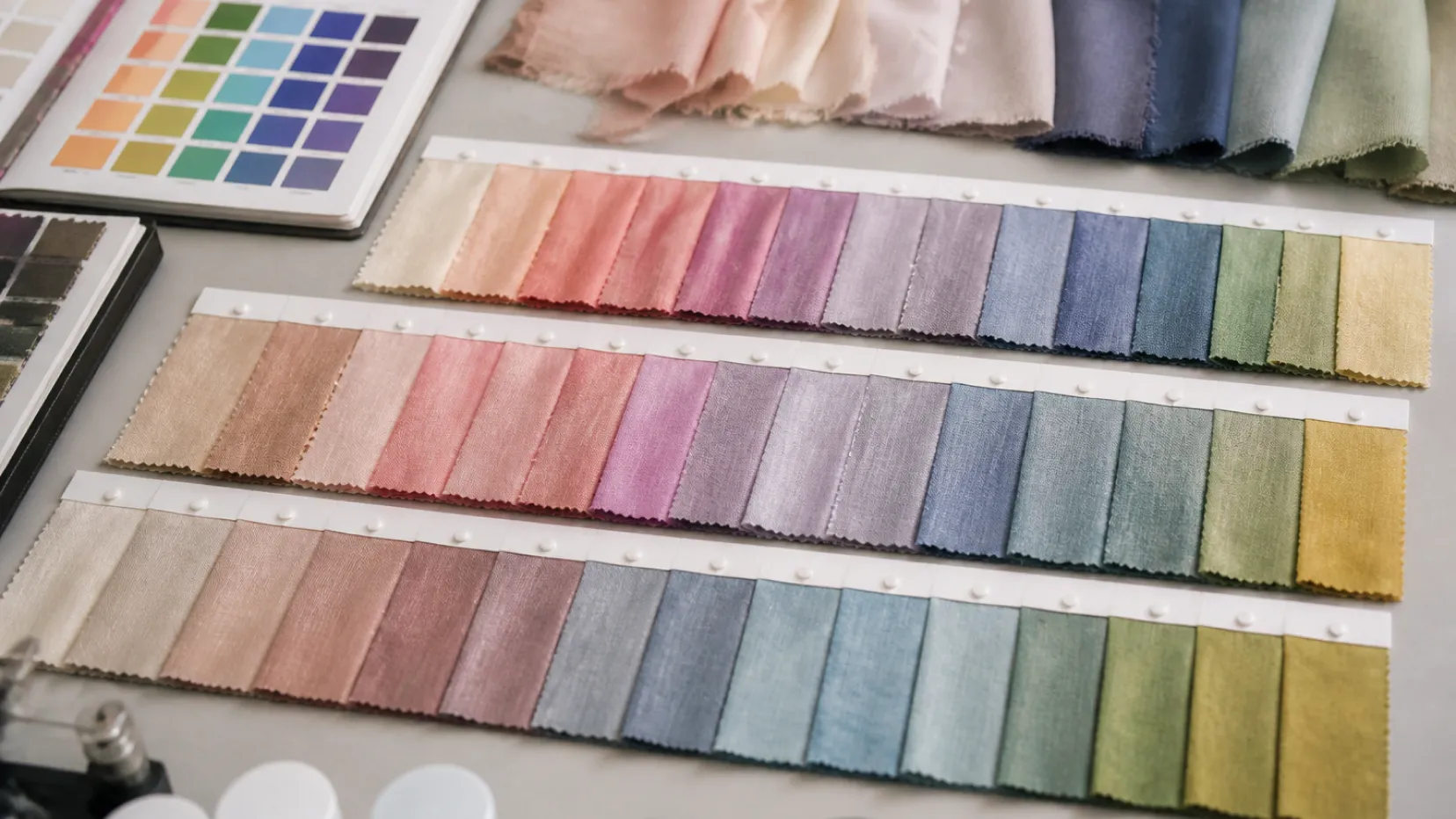
6. MOQ, Testing Protocols, and Sourcing Standards
Blend programs carry the same commercial skeleton as pure silk programs with two additions. MOQs for custom blends typically start at 300 to 500 meters per color, but custom blend ratios requiring dedicated yarn spinning can push minimums to 1,000 meters or more, so programs with unusual ratios should price the yarn step separately. Lead times add one to two weeks over pure silk equivalents for custom yarn, and blend stock service programs can ship faster when the ratio is a mill standard.
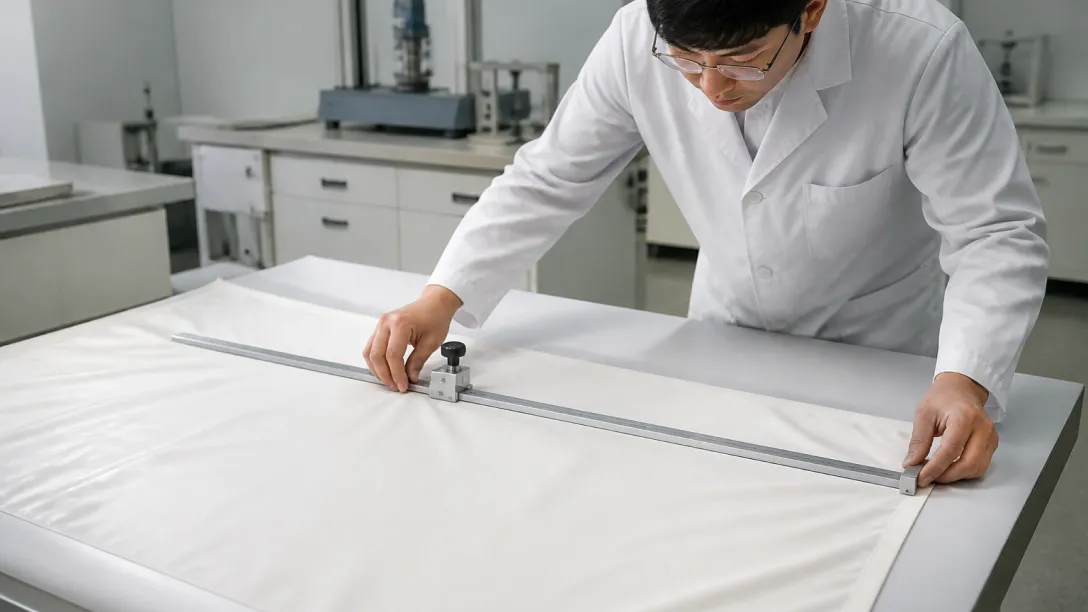
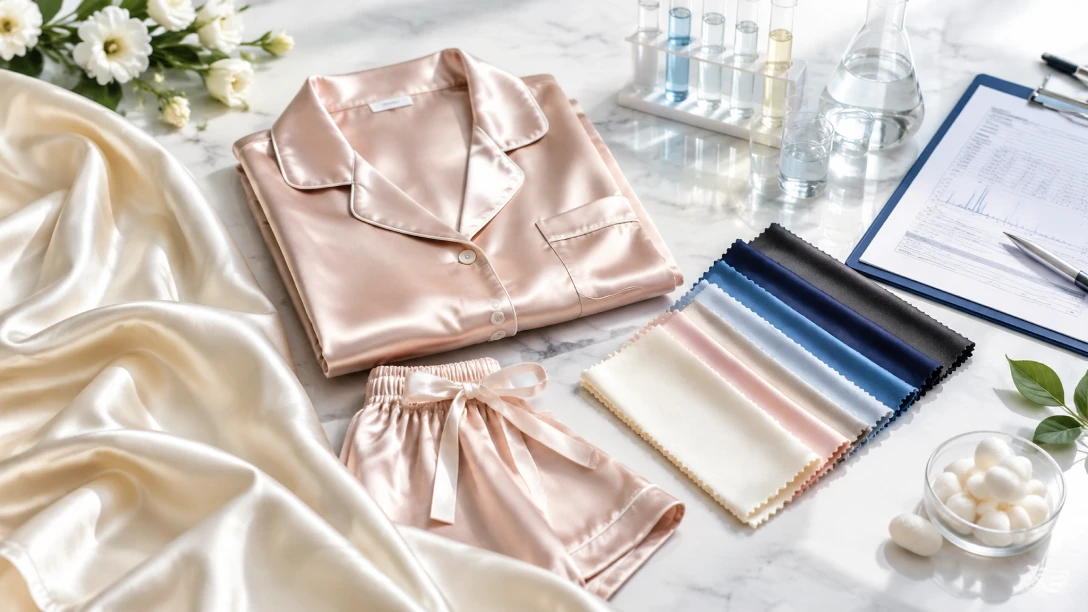
The testing file for a blend order should include fiber composition analysis against the declared ratio, dimensional stability after washing in both directions, colorfastness to washing and rubbing on both fibers, and seam slippage for constructions destined for fitted garments, a discipline that connects directly to the garment-side techniques in our silk sewing techniques guide. Fiber analysis deserves emphasis: blend ratio misdeclaration is common enough that third-party verification on the first production lot is cheap insurance.
DreamSilk weaves and finishes silk-cotton, silk-linen, silk-wool, and silk-viscose blends under one roof at our Suzhou facility, with declared ratios verified by in-house fiber analysis and dye recipes locked to production yarn lots. Send your target ratio, weight, and application to request blend samples and a program quotation.
FAQ
Silk blend fabric combines silk with another fiber, most commonly cotton, linen, wool, or viscose, woven or twisted together to engineer properties neither fiber achieves alone. Blends serve distinct purposes: silk-cotton adds affordability and washability, silk-linen adds crisp dry hand for summer tailoring, silk-wool adds warmth and wrinkle recovery for suiting, and silk-viscose adds fluid drape at lower price points. A blend should always be specified by fiber ratio, yarn construction, and weave, not by name alone.