

Silk Momme Weight Guide: How to Choose the Right Weight for Pillowcases, Pajamas, Scarves & Bedding


Every silk product spec sheet has a "momme" number on it — 16 mm, 19 mm, 22 mm, 25 mm. Most brand buyers know it relates to weight. Far fewer know how that number is engineered on the loom, or why picking 22 mm for a printed scarf is just as wrong as picking 12 mm for a pillowcase.
We have been weaving and converting mulberry silk in Suzhou for over a decade, supplying both fabric to mills and finished goods to brands across 50+ countries. This guide pulls together what brand owners, wholesalers, and product developers actually need to know about silk momme weight — what it measures, how it is controlled in production, and what number to spec for each product category.
What Silk Momme Weight Actually Measures (And Why It Beats Thread Count)
Momme (often written as "mm" or "m/m") is the traditional Japanese unit for silk fabric weight. One momme equals 4.340 grams per square meter, so a 22-momme silk works out to roughly 95 g/m². The textbook definition: the weight in pounds of a piece of silk fabric measuring 45 inches wide by 100 yards long. A 22-momme fabric of those exact dimensions weighs 22 pounds.
The unit sounds strange in a metric world, but it has stuck for a reason. Silk has been traded internationally on this scale since the late 19th century, and switching the industry to pure GSM would create more confusion than it solves. The major silk-producing countries — China, India, Japan, Brazil — all still quote momme.
Buyers familiar with cotton often ask if momme is the same as thread count. It is not, and the difference matters. Thread count counts threads per square inch, a number easy to inflate with multi-ply yarn (a 4-ply yarn counted four times produces an artificially flattering 800 thread count). Momme is a direct weight measurement, so it cannot be gamed the same way. The fabric either weighs 22 pounds at standard dimensions or it does not.
For brand buyers, this makes momme the most reliable single number on a silk spec sheet. It tells you, almost on its own:
- How much silk fiber you are actually paying for per square meter
- How opaque the fabric will be under direct light
- Roughly how it will hold up to repeated wash cycles
- How it will drape on a body or a pillow
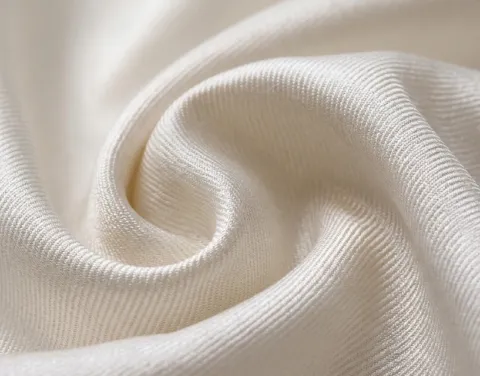
Two caveats. Momme does not tell you about the fiber grade — a Grade 6A mulberry silk and a Grade 3A silk can hit the same momme but feel very different. And momme does not tell you about the weave structure: a 22 mm charmeuse, a 22 mm twill, and a 22 mm habotai all read identically on a weight test, but they behave nothing alike in the hand. Both points get covered later in this guide.
How Momme Is Engineered: Silk Yarn Denier, Weave Density, and Finishing
This is the part most consumer-facing articles skip. Momme is not a property of the silk fiber itself. It is the outcome of how the fabric is built on the loom.
Three variables decide the final momme:
1. Yarn denier (silk thread thickness). Mulberry silk yarn for woven fabric typically runs from 20/22 denier for fine work, up to 60 denier or more for heavy charmeuse and duchess satin. Thicker yarn means more grams per linear meter, which contributes directly to finished fabric weight. The yarn count is often written as "20/22D 2T" — meaning a 20–22 denier filament twisted at two threads.
2. Warp and weft density (threads per centimeter). The number of warp threads per centimeter combined with the number of weft picks per centimeter sets how much yarn is packed into the fabric. A 19 mm charmeuse typically uses around 132 ends/cm in the warp and 80–84 picks/cm in the weft. A 22 mm version of the same weave structure raises both numbers, packing more silk into the same area without changing the fiber.
3. Weave structure. A satin weave (used in charmeuse) has fewer interlacing points per square inch than a plain weave (habotai) or a twill, which leaves more "floating" yarn on the surface. To hit the same momme target with each weave, our weavers set different loom parameters — charmeuse needs longer floats while a plain weave needs tighter interlacing. That is why a 19 mm charmeuse looks and feels heavier than a 19 mm habotai despite weighing the same per square meter.
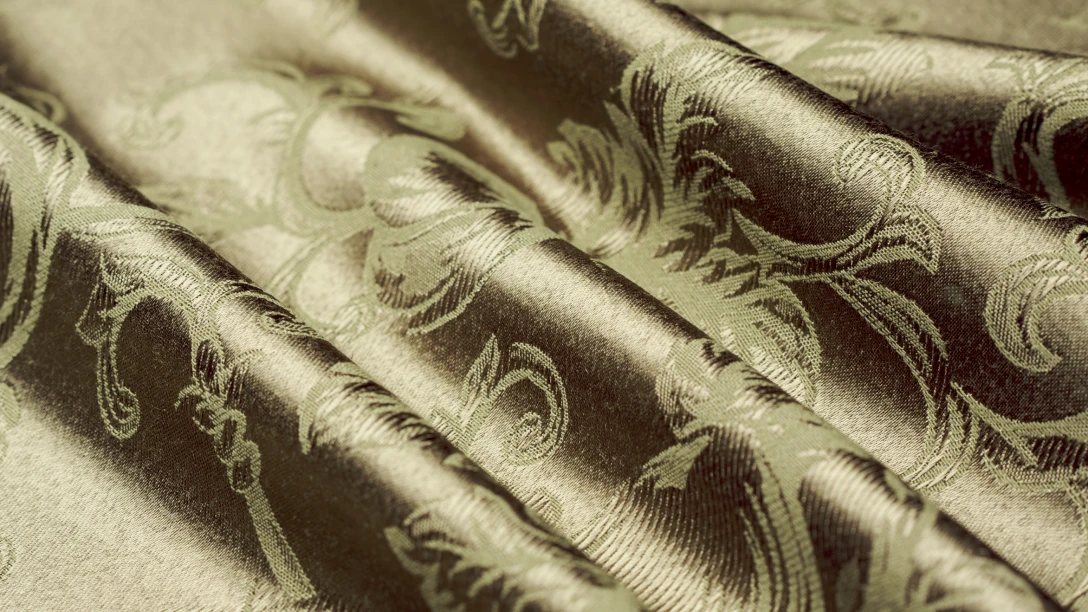
In practical terms, when a client asks for "22 mm silk," we still need to know which weave. A 22 mm charmeuse, a 22 mm twill, and a 22 mm jacquard each require different reed counts, different warp tensions, and different finishing routes. The number alone is incomplete.
One detail brands rarely consider: silk loses weight in finishing. Degumming — the boil-off process that removes the sericin gum coating raw silk filament — strips 22 to 28% of the fiber weight. Our weavers do not aim for "22 mm" on the loom. They aim for a greige fabric weight that lands at 22 mm after degumming, dyeing, and finishing. This is why momme should always be quoted on finished washed fabric, not on greige. Suppliers who quote greige momme are quietly delivering a finished product around 20–25% lighter than what the buyer thinks they ordered.
The Full Silk Momme Scale: From Sheer 6 mm to Heavy 40 mm+
The commercial silk momme range stretches from very lightweight 6 mm chiffon up to upholstery-grade 40 mm-plus duchess satin. Here is how the industry typically categorizes it:
| Category | Momme Range | GSM (approx.) | Typical Use |
|---|---|---|---|
| Sheer / Lightweight | 6–12 mm | 26–52 g/m² | Chiffon, organza, hand-painted scarves, linings |
| Light | 12–16 mm | 52–69 g/m² | Standard twill scarves, blouses, summer garments |
| Medium-light | 16–19 mm | 69–82 g/m² | Shirts, ties, pajamas, eye masks, lightweight pillowcases |
| Medium | 19–22 mm | 82–95 g/m² | Standard charmeuse pillowcases, premium pajamas, robes |
| Medium-heavy | 22–25 mm | 95–108 g/m² | Premium pillowcases, sheets, robes, structured garments |
| Heavy | 25–30 mm | 108–130 g/m² | Luxury bedding, duvet covers, high-end loungewear |
| Very heavy | 30–40 mm+ | 130–174 g/m² | Specialty bedding, upholstery, evening wear, occasion pieces |
A few practical observations from production:
- Below 14 mm, silk gets fragile under repeated friction. We do not recommend the lighter range for any product that touches skin daily.
- The jump from 19 to 22 momme adds about 16% more silk by mass. The jump from 22 to 25 adds another 14%. Both jumps are clearly felt in the hand, not subtle.
- Above 30 mm, hand-feel shifts character. The fabric becomes structural rather than fluid — useful for some occasion garments, uncomfortable as sleepwear.
- The "highest" commercial silk momme depends on the weave. Charmeuse rarely runs above 30 mm because the long satin floats become structurally unstable. Specialty weaves such as duchess and matelassé can run 40 mm or higher.
Now to the practical question every brand asks: what momme for what product.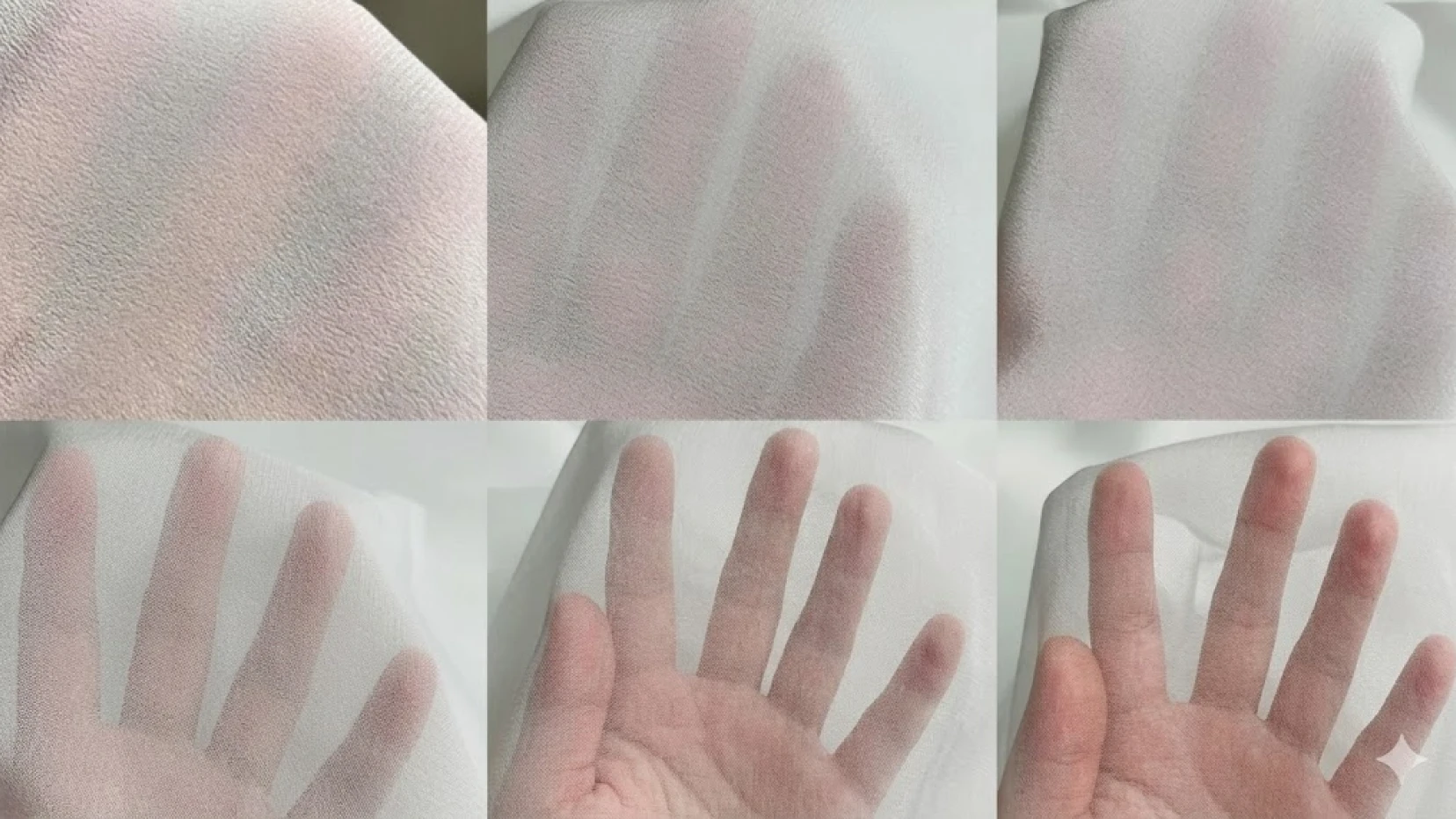
Best Momme Weight for Silk Pillowcases and Bedding Sets
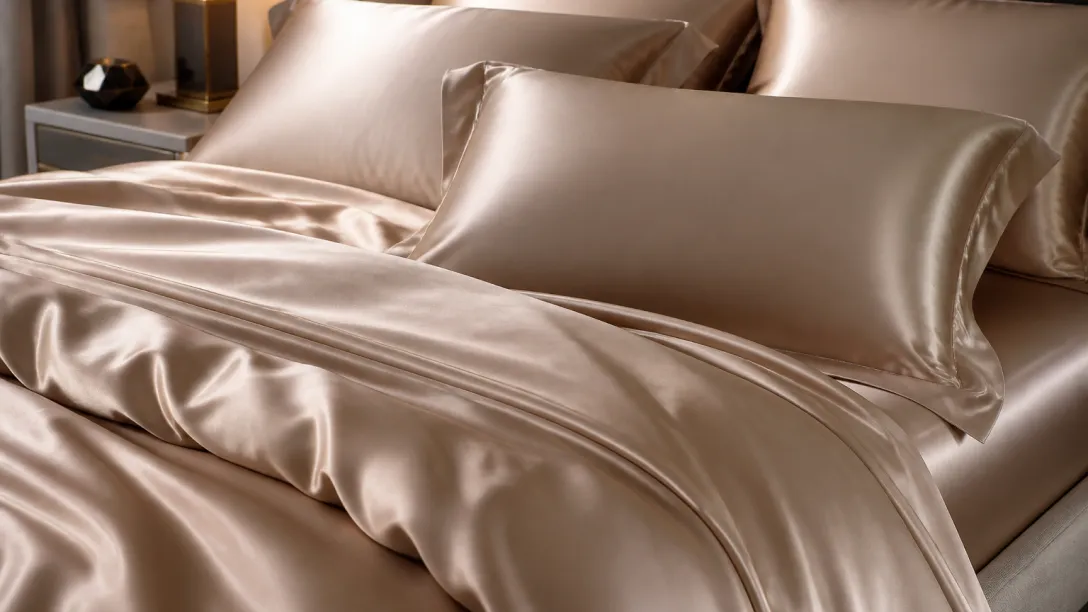
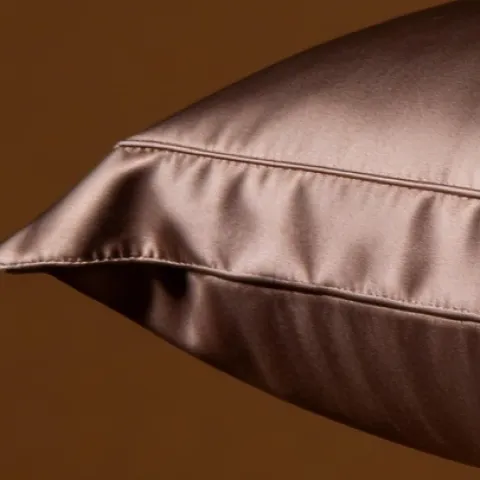
For silk pillowcases and bedding, the working range is 19 to 30 mm. Within that band, three weights cover roughly 90% of the orders we run:
19 mm charmeuse. The entry point for genuine silk bedding. Lightweight, breathable, lower cost per piece. Works for warmer climates and price-sensitive product lines. Wears noticeably faster than heavier options — in our internal life-cycle testing, a 19 mm pillowcase used nightly starts losing surface integrity after roughly 80–100 wash cycles, while a 22 mm version holds well past 150 cycles in the same wash pattern.
22 mm charmeuse. The industry reference for premium silk pillowcases. The balance between drape, durability, and cost lands here. Most brand owners coming to us for the first time end up speccing 22 mm once they handle the swatches side by side. It is also the weight where the silk visibly drapes around the pillow corners without slipping out of the case under its own weight.
25 mm charmeuse. Premium and luxury positioning. Visibly heavier, more opaque, deeper color saturation. Works for hotel-grade lines and giftable singles. The extra fabric cost over 22 mm is real (around 15–20% more raw silk input), and the perceived value on shelf is significant.
30 mm charmeuse. Reserved for ultra-luxury and cold-climate markets. We do not push this weight to most global brands — it can feel uncomfortably warm in temperate climates and adds cost without proportional perceived value above 25 mm for most consumers.
For silk sheets and duvet covers, the rules shift slightly. Sheets get more friction surface area than pillowcases, so 22 mm is the floor we recommend. For duvet covers — which are filled rather than lying flat against the body — 22 to 25 mm is the sweet spot. Below 22 mm a duvet cover can feel thin and let too much filling color show through.
One sizing detail brand buyers often miss: silk shrinks 4–6% on first wash. Our default sizing for international SKUs factors this in (a US Queen pillowcase cut at 21" × 32" finishes at roughly 20" × 30"). If you are sourcing from a manufacturer that does not pre-shrink fabric, build 5% over-cut into your spec or you will get complaints on the second wash.
Choosing the Right Momme for Silk Pajamas, Robes, and Loungewear
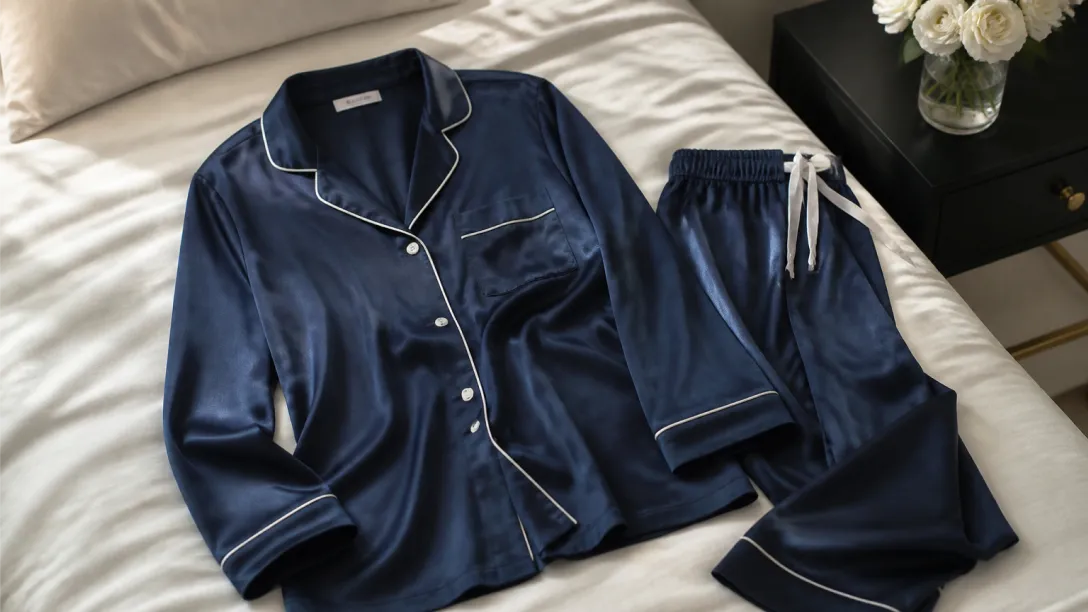
For silk pajamas, the right momme depends on whether you are building a hot-climate, year-round, or cold-climate line.
16 mm charmeuse. Lightweight summer-weight pajamas. Drapes beautifully, feels almost weightless against skin. Suits hot climates or summer-only seasonal lines. Caveat: at 16 mm, opacity becomes a concern for light colors — white or pale pink pajamas can show through under bright bedside lighting.
19 mm charmeuse. Everyday year-round pajamas. The mainstream pick for women's silk pajama brands. Good drape, acceptable opacity in most colors, moderate durability.
22 mm charmeuse. Premium pajama positioning. The fabric feels noticeably more substantial, holds its shape better, and resists wrinkles after washing. Most popular with men's silk pajama lines, where opacity is a bigger concern. If you are working through the full development cycle from sketch to first production run, our walkthrough on the entire process of customizing silk pajamas covers sampling, pattern grading, and packaging in detail.
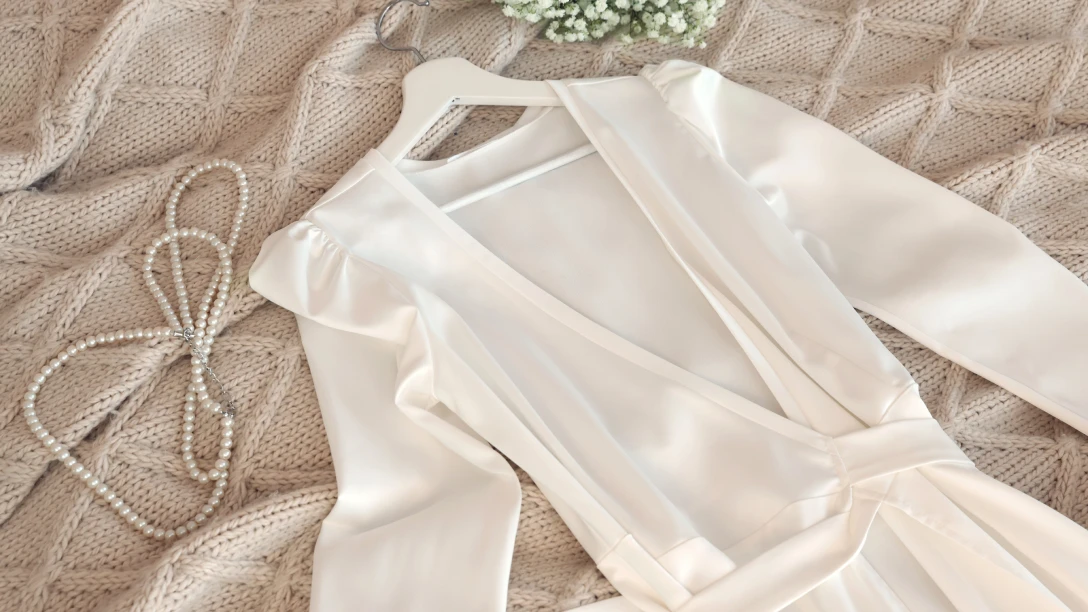
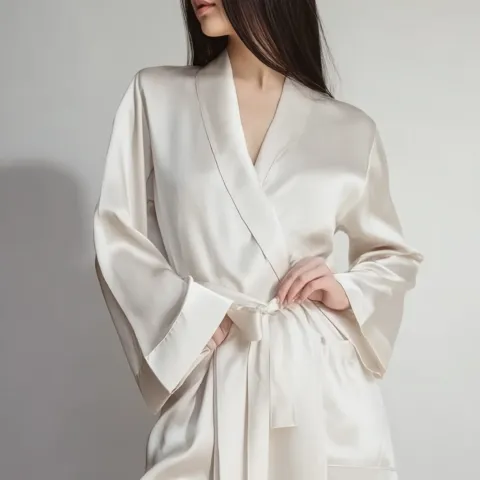
For silk robes, we usually push clients toward 19–22 mm. A robe wraps and ties — it needs body to hold a defined silhouette, but not so much weight that it reads as a jacket. Robes at 25 mm and above start to feel more like dressing gowns than loungewear. Hotel and spa lines occasionally spec 22 mm crepe-back satin for added structure.
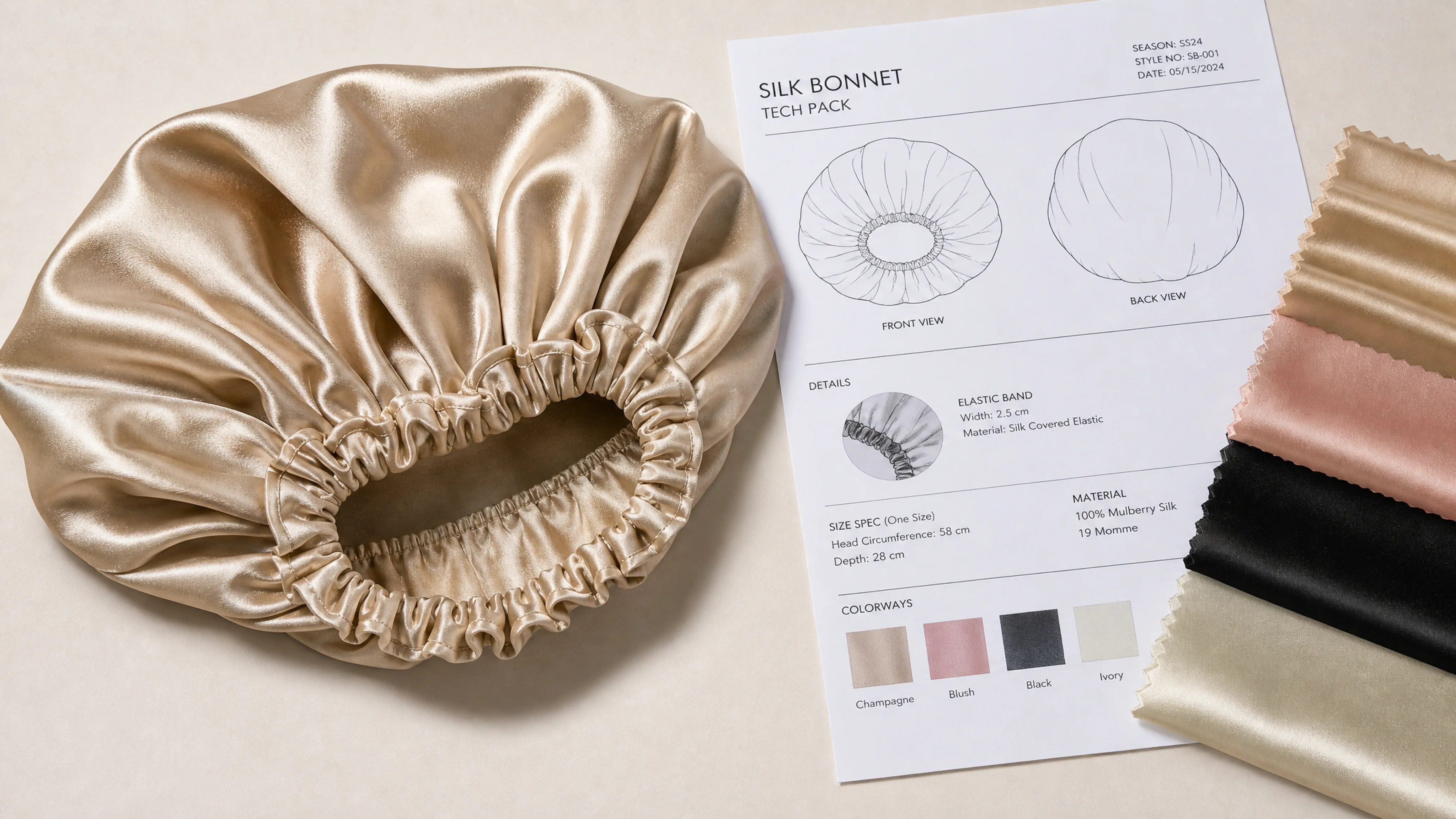
For silk bonnets and heatless curlers, 19–22 mm charmeuse is standard. These accessories touch hair through the night, so durability beats drape. Below 19 mm, bonnets thin out after a few months of daily use.
A note worth flagging: the popular advice that "more momme is always better" breaks down for sleepwear. We have had clients order 25 mm pajama sets, then come back two months later wanting to switch to 19 mm because end customers complained the heavier silk felt warm. For pieces worn directly against skin for hours, breathability often beats density.
Momme Weight for Silk Scarves, Ties, and Accessories
Silk scarves have a much wider momme range than bedding does, because different scarf types serve different functional purposes.
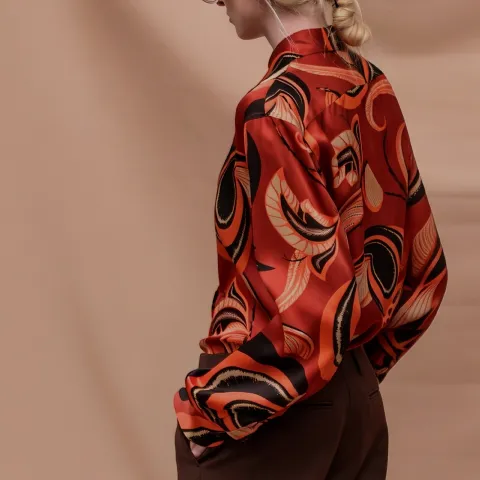
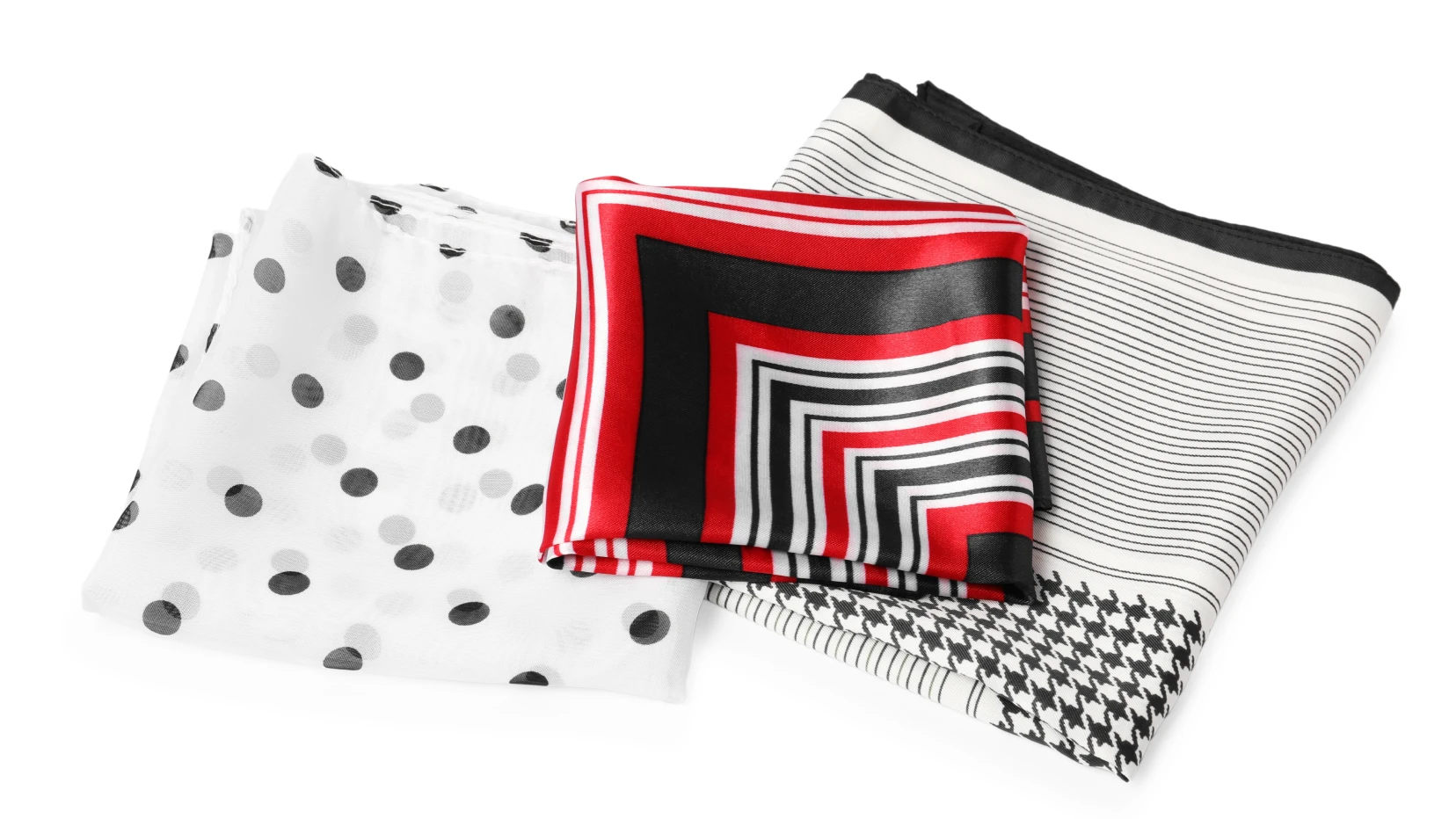
8–12 mm habotai or chiffon. Hand-painted scarves, lightweight summer scarves, decorative pieces. Thin and fluid, takes paint and dye beautifully, drapes in elegant folds. Easy to fold into small pouches for retail packaging. Most popular momme range for tourist-market and craft-painted scarves.
14 mm twill. The single most common weight for everyday printed scarves. Drapes well, takes prints with sharp detail, prices accessibly. Major scarf brands and souvenir lines mostly run here.
16 mm twill. A step up in body and durability. Holds knots cleanly. Used for women's small square scarves (45×45 cm to 70×70 cm) and pocket squares.
18 mm twill. The Hermès reference. The classic 90×90 cm large-format luxury scarf is woven from 18 mm silk twill. The fabric has enough body to hold structured folds, prints stay sharp on both sides, and the hand-feel is unmistakably substantial. Most heritage luxury brands have settled on this weight for a reason.
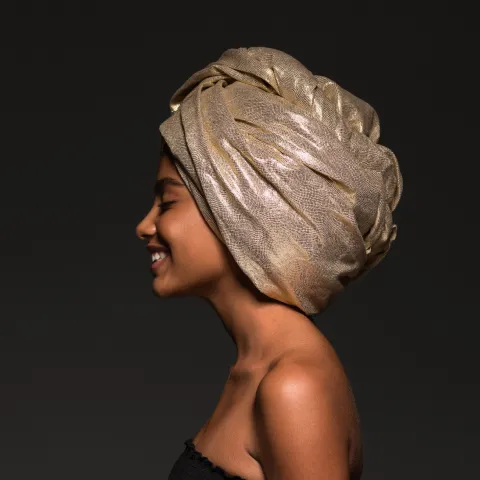
22 mm+ twill or jacquard. Heavy structured pieces — large shawls, occasion wraps, statement accessories.
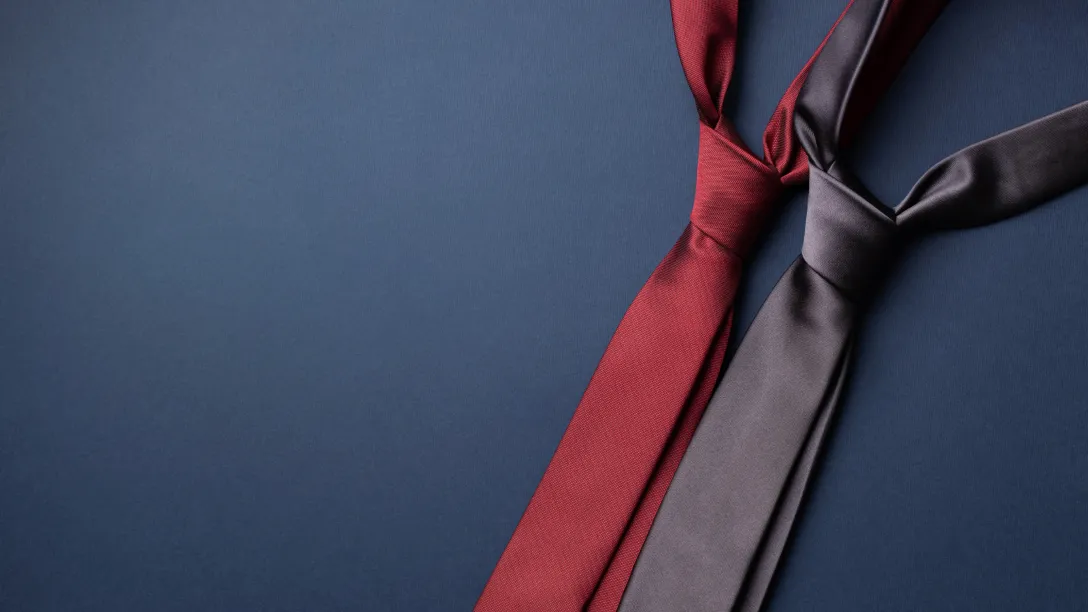
For ties and bowties, 14–22 mm twill is the working range, with 16–18 mm covering most premium ties. The diagonal twill structure helps the knot hold its shape through a full day of wear.
For silk twillys and small ribbon accessories, 12–14 mm twill or 12 mm charmeuse works best — light enough to wrap easily around a bag handle, structured enough to look intentional.
If you are still working out which scarf weight fits your brand position, our luxury silk scarf buyer's guide covers fabric, quality, and craftsmanship cues alongside momme.
Two manufacturing notes worth flagging for silk twill buyers:
- Print penetration. On 12 mm twill, a front-side digital print penetrates to roughly 85–90% of color saturation on the back face. On 18 mm twill, it drops to about 60–70% without a dedicated double-sided printing process. Brands planning two-sided scarf designs should account for this when choosing fabric weight.
- Edge finishing. Heavier momme (16+) takes a cleaner hand-rolled edge. Lighter momme (10–14) can be hand-rolled but requires more skilled operators to avoid uneven rolls. If your scarves use hand-rolled hems as a brand signal, momme directly affects the visible craft quality.
Momme for Silk Eye Masks, Scrunchies, and Other Small Accessories
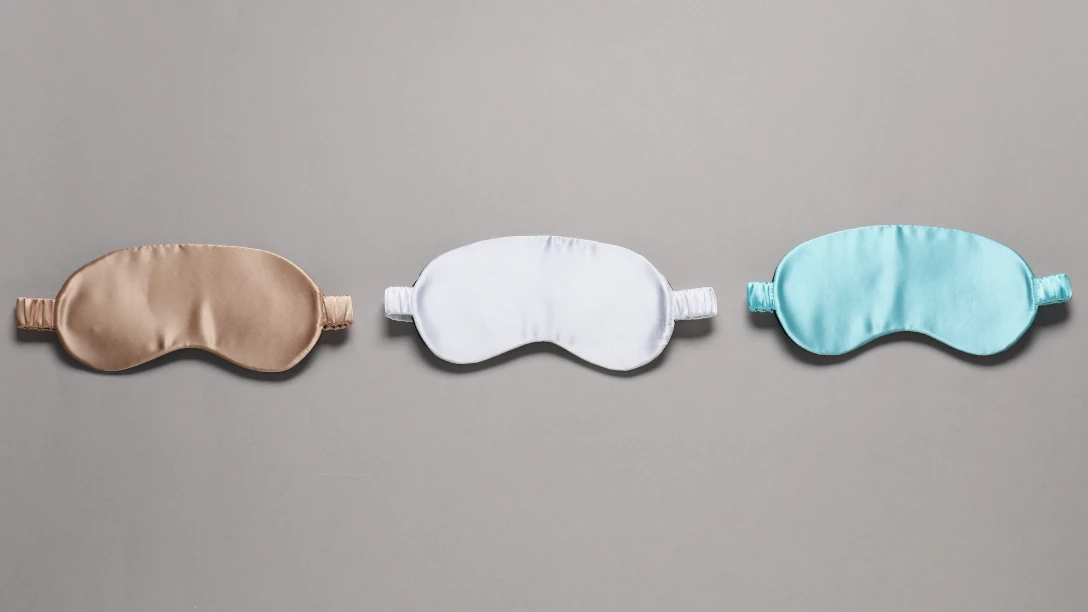
For silk eye masks, the standard is 19–22 mm charmeuse on the contact face. Below 19 mm, the silk thins in the eye area after months of nightly use. Above 22 mm, the mask gets noticeably heavier on the face — fine if you are producing a weighted sleep mask, but it adds unnecessary cost on an unweighted one.
Most brands we work with run a 22 mm charmeuse outer with a habotai or cotton lining. Some premium lines spec 22 mm on both sides for a "100% silk" claim. Both work. The choice is positioning and price. For a deeper walkthrough on sourcing this category specifically, our custom silk eye mask sourcing guide covers strap configurations, fill options, and packaging.
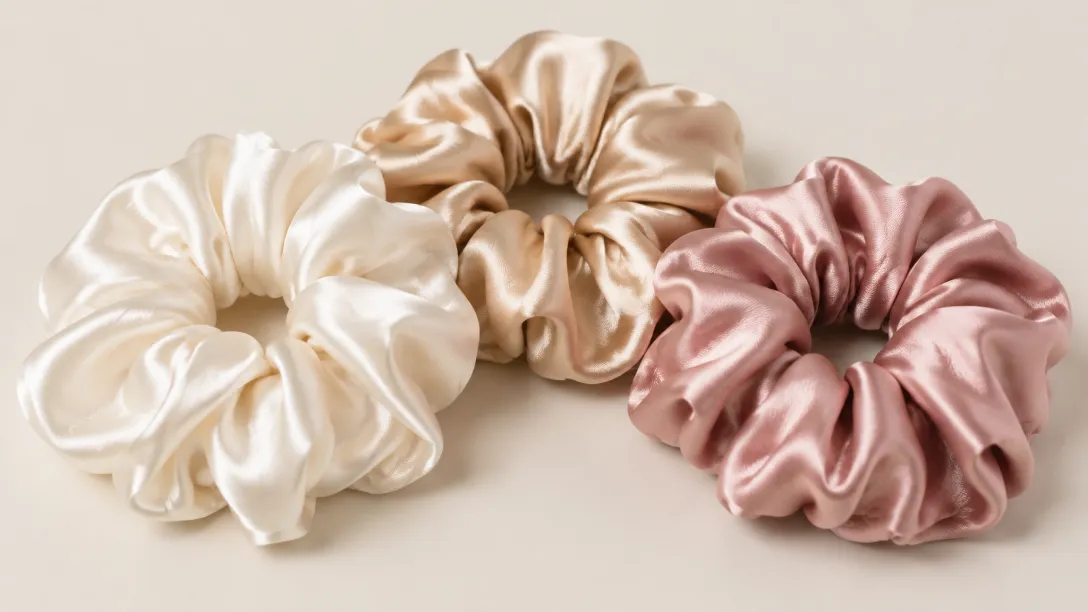
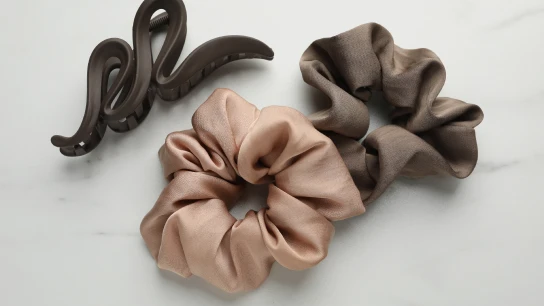
For silk scrunchies, the typical spec is 16–22 mm charmeuse. Scrunchies need enough fabric body to gather into pleats without going flat after a few wears. We typically run 19 mm for mid-tier scrunchie lines and 22 mm for premium giftable accessories.
For silk hair ties, ribbons, and bow accessories, 16–19 mm covers most use cases. These products see less daily friction than scrunchies and do not need higher momme weights.
For silk handkerchiefs and pocket squares (which technically fall under accessories rather than scarves), 14–18 mm twill or 16 mm crepe de chine works well.
One detail that matters for accessory collections sold as gift sets: mixing momme weights across products in the same box can feel inconsistent in the hand. If your gift set includes a pillowcase, an eye mask, and a scrunchie, visual and tactile cohesion is stronger if all three sit in the 19–22 mm range than if you mix a 25 mm pillowcase with a 16 mm eye mask. End customers notice this even if they cannot articulate why.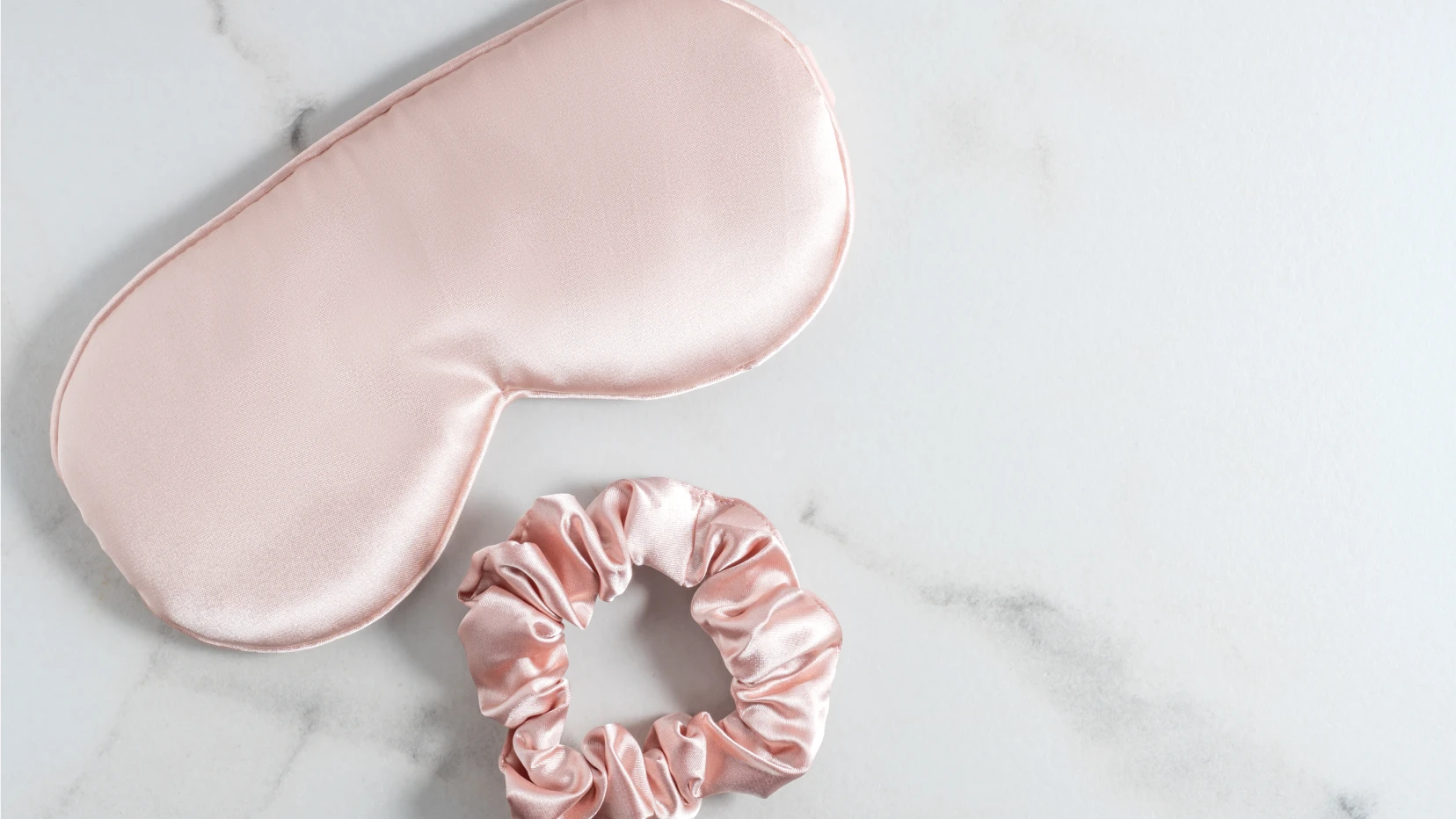
How to Verify Momme Weight in Production (What Brand Buyers Should Check)
Specifying momme is one thing. Getting the momme you specified — consistently across thousands of units — is another. After more than a decade supplying brands, here is what we have seen go wrong and how to prevent it.
Pre-production verification. Before bulk production, ask your manufacturer for a fabric weight test report from the actual production lot. The standard test is ASTM D3776 or ISO 3801 (mass per unit area). A reputable supplier provides a lab certificate showing the measured GSM of the finished washed fabric. Cross-check against your spec: 22 mm equals roughly 95 g/m² (±3% tolerance is industry standard; ±5% is acceptable for printed fabrics where dye uptake adds variation).
Spot checks during production. For larger orders, request mid-run fabric samples and weigh them yourself. A simple kitchen scale, a 10×10 cm fabric cutter, and a calculator are enough to verify whether the fabric is hitting target weight. We provide weight-check sheets to clients showing batch-by-batch GSM readings.
Inspection at packaging. AQL Level II at 2.5 is the typical inspection standard for silk finished products. Beyond visual defect checks, your inspector should pull samples for fabric weight verification, not just inspect appearance.
Documentation to request from any silk supplier:
- Fabric weight test report (GSM measured on finished fabric)
- Grade certificate confirming Grade 6A mulberry silk
- OEKO-TEX® STANDARD 100 certification for the fabric lot
- Shrinkage test results (before and after first wash)
- Color fastness test results (especially for printed fabrics)
Red flags worth watching:
- "22 mm silk" priced significantly below market — likely either a lower momme being mislabeled, or a silk blend rather than 100% mulberry silk
- Suppliers who cannot provide a GSM test certificate on request
- Inconsistent fabric weight between sample and bulk delivery (we have seen samples woven at 22 mm and bulk delivered at 19 mm — this happens more often than buyers expect)
- Greige weight specifications instead of finished weight — silk drops 22–28% in degumming, so a "22 mm greige" fabric is really a finished 17 mm
At DreamSilk, our standard pre-shipment check includes batch-level weight verification with full documentation. Our factory runs loom settings, dyeing, and finishing under one roof, so weight tolerance can be controlled across the full production chain rather than at one stage in isolation.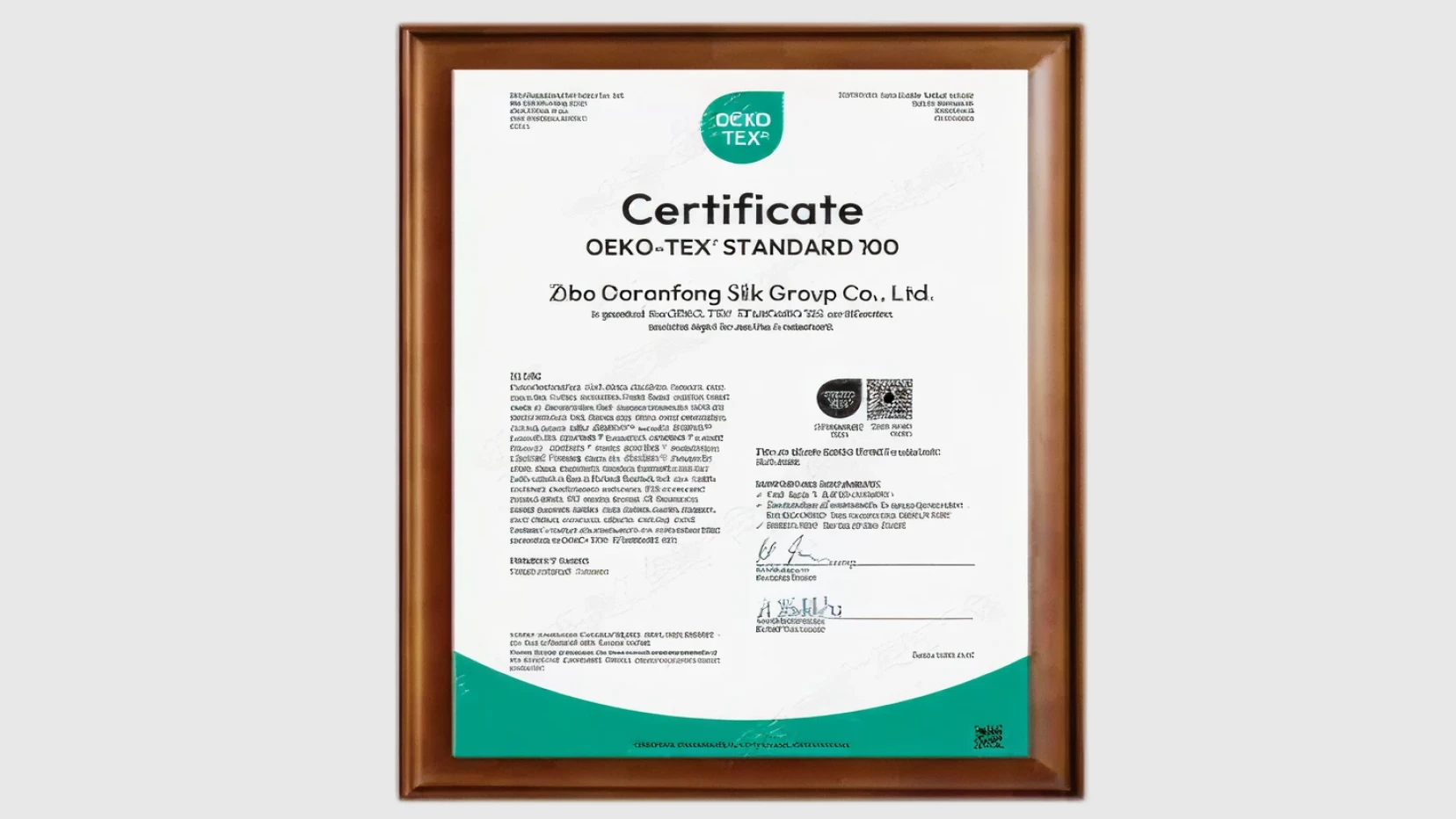
Spec the Right Silk Momme for Your Product, Made Under One Roof
If you are sourcing silk products for your brand and are not sure which momme weight fits your product line, we can help. DreamSilk weaves silk fabric in momme ranges from 8 mm to 30 mm and produces finished goods — pillowcases, pajamas, scarves, eye masks, bedding, and accessories — in the same Suzhou facility.
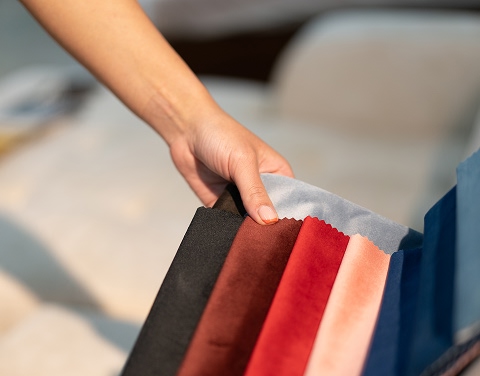
Send us your product concept and target price. We will come back with momme recommendations specific to your category, free fabric swatches in multiple weights so you can feel the difference, and a transparent quote with no greige-versus-finished weight tricks.
Contact us for a quote or explore the full DreamSilk custom silk range to see what is possible.
FAQ
"Momme" (sometimes written "mm" or "m/m") is the traditional unit used to measure silk fabric weight and density. One momme equals about 4.34 grams per square meter. The higher the momme number, the more silk fiber packed into the fabric, which generally means heavier, more opaque, and more durable silk.