
What Is a Silk Eye Mask? A Manufacturer's Guide to Benefits, Silk vs Satin, Fill, and Choosing a Quality Sleep Mask


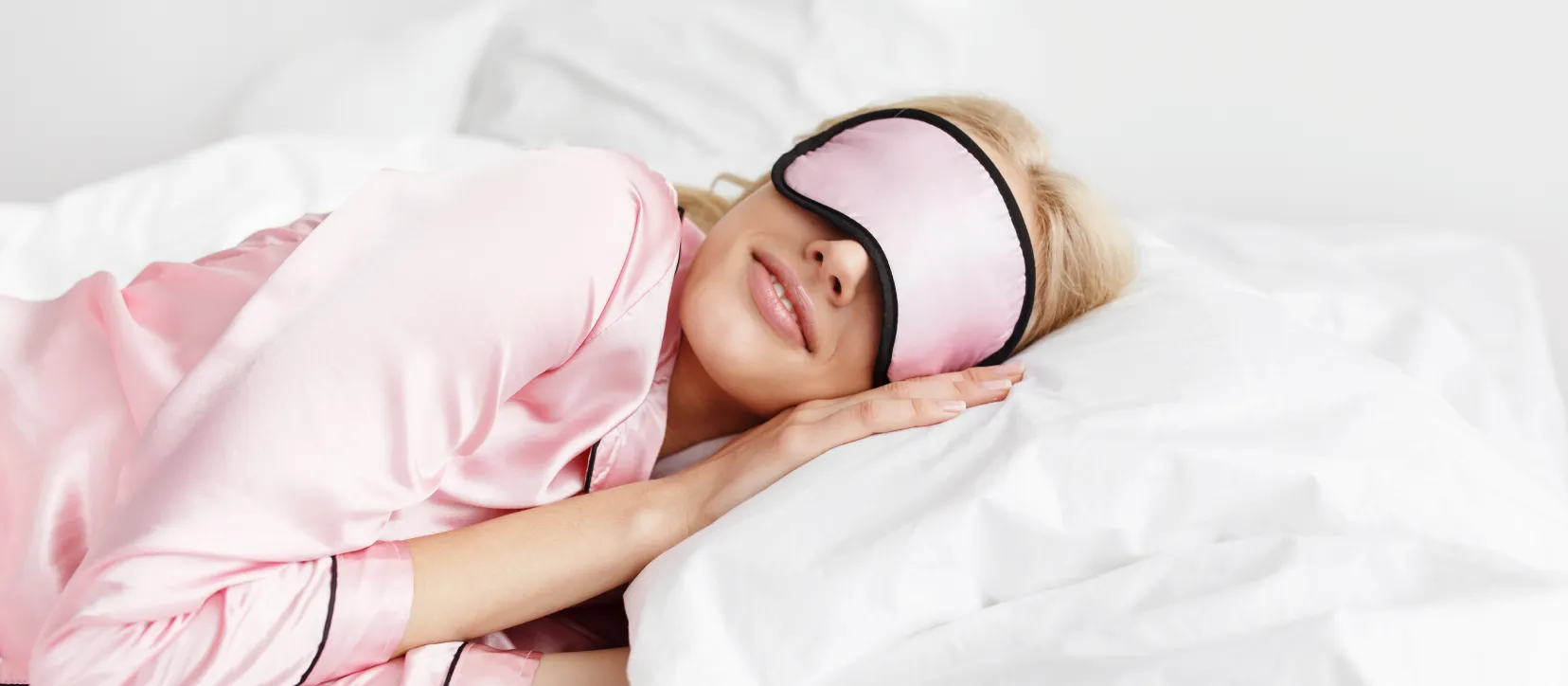
A silk eye mask does two jobs at once: it blocks light so you fall asleep faster, and it does so with a soft, breathable surface that is kind to the delicate skin around your eyes. That combination — darkness plus a gentle, low-absorbency fabric — is why silk sleep masks have moved from a travel accessory to a nightly sleep and beauty tool. The catch is that most masks sold as "silk" are polyester satin, so it pays to know the difference before you buy or manufacture.
We make custom silk eye masks at our Suzhou facility in mulberry silk. This guide covers what a silk eye mask is, the benefits it actually delivers, how silk and satin really compare, what separates a quality mask from a thin one, and what to specify — whether you are choosing one or sourcing a range.
What Is a Silk Eye Mask and How It Helps You Sleep
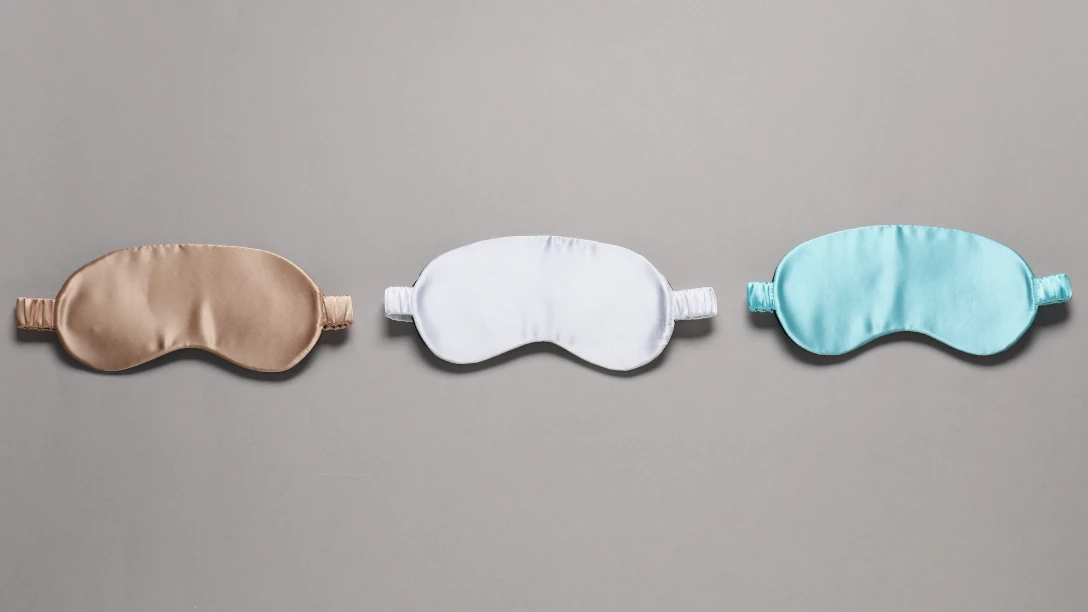
A silk eye mask is a sleep mask made from 100% silk, usually mulberry silk, worn over the eyes to block light during sleep. It helps you sleep by creating darkness, which supports the body's natural melatonin rhythm, while the smooth silk surface rests gently on the delicate eye-area skin without pressure or friction.
Light is one of the strongest signals that keeps the body awake. Even low light from a window, a partner's lamp, or a phone can suppress melatonin and fragment sleep. A mask that blocks that light helps you fall asleep faster and stay asleep, which is why sleep masks are a common, low-effort tool for shift workers, travelers, and anyone who cannot fully darken a room.
What makes silk the fabric of choice is the surface:
- Darkness on demand. A well-made mask blocks ambient light so the body can settle into deeper sleep, wherever you are.
- Gentle on delicate skin. The skin around the eyes is the thinnest on the body. A smooth silk surface rests lightly without tugging or creasing it.
- Breathable and temperature-regulating. Silk lets air and moisture through, so the eye area stays cool and dry instead of warm and sweaty under a synthetic fabric.
- Light and comfortable. Fine silk is light enough to wear all night without feeling bulky, so it stays on instead of being pushed off.
The same smoothness that makes a silk pillowcase gentle on skin and hair applies to a mask worn against the face — our silk pillowcase benefits guide goes deeper on the skin and hair science.
Silk Eye Mask Benefits for Sleep, Skin, and Eyes
A silk eye mask improves sleep by blocking light, protects the delicate eye-area skin by reducing friction and moisture loss, and is gentle enough for sensitive skin, lashes, and dry eyes. The benefits come from silk's smooth, breathable, low-absorbency surface.
- Better, deeper sleep. Blocking light supports melatonin and helps you reach and stay in deeper sleep stages, so you wake more rested.
- Fewer creases and fine lines. Pressing your face into a pillow can crease the skin overnight; a smooth silk mask rests lightly and does not drag or fold the delicate skin around the eyes.
- Holds moisture. Silk absorbs little moisture, so it does not wick away the eye creams and hydration you apply at night the way cotton can.
- Gentle on lashes and sensitive skin. The smooth surface is kind to eyelashes and lash extensions and suits sensitive or reactive skin, since mulberry silk is naturally hypoallergenic.
- Comfortable for dry eyes. By keeping the eye area covered and reducing air movement across the eyes, a mask can make dry, irritated eyes more comfortable through the night.
- Soothing in light-sensitive headaches. Full darkness and gentle, even pressure can feel calming during light-sensitive headaches or migraines.
These benefits scale with how the mask is made and what it is made of — a thin polyester mask with a "silk" label delivers few of them.
Silk Eye Mask vs Satin Eye Mask: The Real Difference
The core difference is the fiber: silk is a natural protein fiber, while "satin" is a weave, and most satin eye masks are polyester. Both give a smooth surface, but silk adds breathability, better moisture handling, and hypoallergenic comfort that synthetic satin does not match.
This is the question that trips up most buyers, so here is the honest breakdown. A mask labeled "satin" or "silky" is almost always polyester, because satin describes the weave rather than the material. Watch for "sateen" too, which is cotton and more absorbent against the eyes.
| Property | Silk eye mask (mulberry silk) | Satin eye mask (polyester) |
|---|---|---|
| Material | Natural protein fiber | Synthetic weave (polyester) |
| Surface friction | Very low | Low |
| Breathability | High; temperature-regulating | Lower; can trap heat and sweat |
| Moisture handling | Holds hydration; won't wick creams | Good, but less than silk |
| Skin comfort | Hypoallergenic, breathable | Fine for most; less breathable |
| Durability | 12-24+ months with gentle care | 6-12 months; elastic wears sooner |
| Care | Hand wash, air dry | Machine wash (delicate); more forgiving |
| Cost | Higher | Lower; vegan |
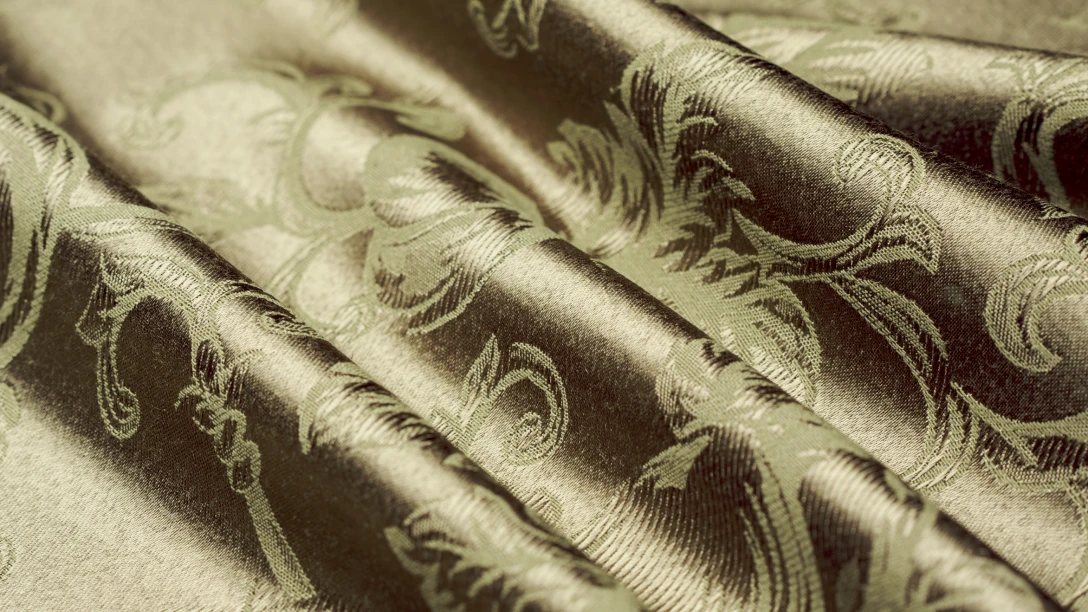
The practical takeaway: silk is the premium choice, pulling ahead most for sensitive or eczema-prone skin, hot sleepers, lash wearers, and nightly use where breathability and the natural fiber matter. A good polyester satin mask is a solid budget option, it is vegan, and it washes easily. Where the mask is worn against the face every night, silk's breathability and skin comfort are the reasons to trade up. The smoothness comes from the same satin-weave silk we use across our range — see our silk charmeuse fabric.
What Makes a Quality Silk Eye Mask
A quality silk eye mask has a 100% mulberry silk outer and lining (the layer against your skin), a soft fill that adds comfort and blackout, a wide, adjustable strap that stays put without pressure, and clean, smooth seams. Both the fabric and the fit decide how well it blocks light and how comfortable it is.
Here is what to check, and what we build into ours:
- 100% mulberry silk, inside and out. The layer touching your skin should be real mulberry silk charmeuse, usually around 19 to 22 momme — smooth, durable, and substantial enough to last. See our silk momme weight guide for what those specs mean.
- A soft fill for comfort and blackout. A light fill — often silk floss or a soft wadding — adds gentle cushioning and helps block stray light around the nose and edges, without making the mask heavy.
- A wide, soft, adjustable strap. A wide elastic or adjustable band holds the mask through the night without digging into the head or pulling hair. Adjustability keeps it from sliding off or pressing too hard.
- Full coverage and a good nose fit. Enough size and a shaped or gapped nose area block the sliver of light that usually leaks in at the bridge of the nose.
- Smooth lining and clean seams. Run a hand across the inside — it should feel completely smooth, with no rough seams pressing into the skin or around the eyes.
Flat vs Contoured, and Choosing the Right Silk Eye Mask
Flat silk eye masks lie directly against the face and are lightest and most packable, while contoured (3D) masks have molded eye cups that keep pressure off the eyes and lashes and leave room to blink. Flat suits travel and side sleepers; contoured suits lash wearers and anyone who dislikes fabric touching the eyes.
The two main constructions solve different problems:
- Flat eye mask. A single shaped layer that rests against the face. It is the lightest and most packable, and it lies flat under the side of the head, which suits travel and side sleeping. The trade-off is that the fabric sits directly on the eyes and lashes.
- Contoured (3D) eye mask. Molded cups arch over the eyes so nothing presses on the eyelids or lashes, leaving room to blink and open the eyes in the dark. It is the choice for lash extensions and anyone sensitive to pressure, at the cost of a little more bulk.
Straps also vary — a single wide elastic is simple and comfortable, while an adjustable buckle or hook-and-loop strap fits a wider range of head sizes and is the safer default for ready-to-wear and gifting. Whichever you pick, fit matters as much as fabric: a thin mask that slides off overnight protects less than a well-made one that stays put. Many people pair a mask with a silk pillowcase and a silk bonnet for a full sleep set, which also makes a natural silk gift set.
How to Identify a Real Silk Eye Mask
Real silk eye masks state "100% mulberry silk" with a momme weight, feel cool to the first touch, have a matte back with a glossier front, and pass a burn test on a loose thread. A mask labeled only "satin" or "silky," with no fiber content, is almost always polyester.
- The label states "100% mulberry silk" with a momme weight. "Satin," "silky," or no fiber content means it is not silk.
- It feels cool on first touch. Silk feels cool and then warms to the skin; polyester stays at room temperature.
- The back is matte. Silk charmeuse has a glossy front and a duller back; polyester satin is often shiny on both sides.
- Burn test a loose thread. If you have a sample, real silk burns slowly, smells like burning hair, and self-extinguishes; polyester melts into a bead and smells like plastic.
- OEKO-TEX certification. This confirms the silk is free of harmful chemical residues, which matters for a product worn against the eyes and skin. See our certifications page.
How to Care for a Silk Eye Mask
Hand wash a silk eye mask in cool water with a pH-neutral or silk-specific detergent, skip bleach and fabric softener, do not wring, and air dry flat in shade. Because it sits against your face and any eye cream or makeup, wash it regularly to keep it clean and gentle on skin.
- Hand wash cold. Use cool water (under 30°C) with a pH-neutral or silk detergent. Wash every week or two, or more often if you wear eye cream or makeup to bed.
- No bleach or fabric softener. Both damage silk and the elastic strap, and softener dulls the surface.
- Do not wring or scrub. Press the water out gently. Rough handling distorts the fabric and any fill.
- Air dry flat in shade. Lay it flat away from direct sun, and never tumble dry, since heat shrinks and weakens silk and can distort the fill.
- Store it clean and dry. Keep it in a cotton pouch or drawer, not a plastic bag, which traps moisture.
Our how to wash silk charmeuse guide walks through the routine step by step.
Sourcing Custom Silk Eye Masks for Your Brand
A silk eye mask program lives or dies on the fabric and the make. A real mulberry silk outer and lining, a soft fill, a comfortable adjustable strap, and clean seams give you a mask that blocks light, feels good, and lasts; thin polyester with a "silk" label does not. Lock the silk content, momme, fill, strap, and construction before production.
DreamSilk makes custom silk eye masks end to end at our Suzhou facility, in grade 6A mulberry silk charmeuse, OEKO-TEX STANDARD 100 certified. We customize the fill, strap and closure, flat or contoured construction, color and print, woven labels, and packaging, and produce matching silk sleep accessories — pillowcases, bonnets, and hair accessories — for a full sleep and beauty set or gift set. For custom prints and pattern options, see our silk pattern library.
Tell us your construction, momme, color or print, strap type, and volume. We will send free samples and a prototype so you can check the lining smoothness and the strap yourself, along with a clear spec sheet. Explore our custom silk eye mask page or contact us for a quote to get started.
FAQ
Yes. A silk eye mask blocks light, which supports the body's natural melatonin rhythm and helps you fall asleep faster and stay asleep. The smooth silk surface also rests lightly on the delicate eye-area skin without pressure or friction, and its breathability keeps the area cool. Most people notice a difference the first few nights, especially if they cannot fully darken the room.