
Silk Dupioni Fabric Guide for B2B Buyers: Slub Construction, Specifications, and Sourcing Standards


Silk dupioni occupies a strange position in B2B sourcing: it is the fabric buyers request most confidently and understand least. The slubs that define it are treated as defects by inexperienced QC teams and as marketing copy by suppliers who cannot control them. Bridal programs reject rolls for texture that should have been specified, and drapery programs accept yarn irregularity that should have been rejected. This guide defines dupioni at the cocoon level, sets out the specifications that govern a purchase order, separates it from shantung and taffeta, and covers the production behaviors that decide whether a dupioni program ships clean.
For buyers who need the short version: silk dupioni is a plain-weave fabric woven from double cocoons, where two silkworms spin a single cocoon together and the reeled yarn carries their twin filaments as characteristic slubs. Standard weights run 12 to 19 momme (52 to 82 GSM) in 114 cm or 137 cm widths. Slubs are a controlled feature, not a defect: the specification must define slub frequency and size tolerance per roll, or the fabric's entire character becomes a negotiation. Dupioni frays hard at cut edges, holds structure without interfacing, and is the default silk for bridal, structured eveningwear and luxury drapery.
1. What Is Silk Dupioni? Double Cocoons and Slub Construction
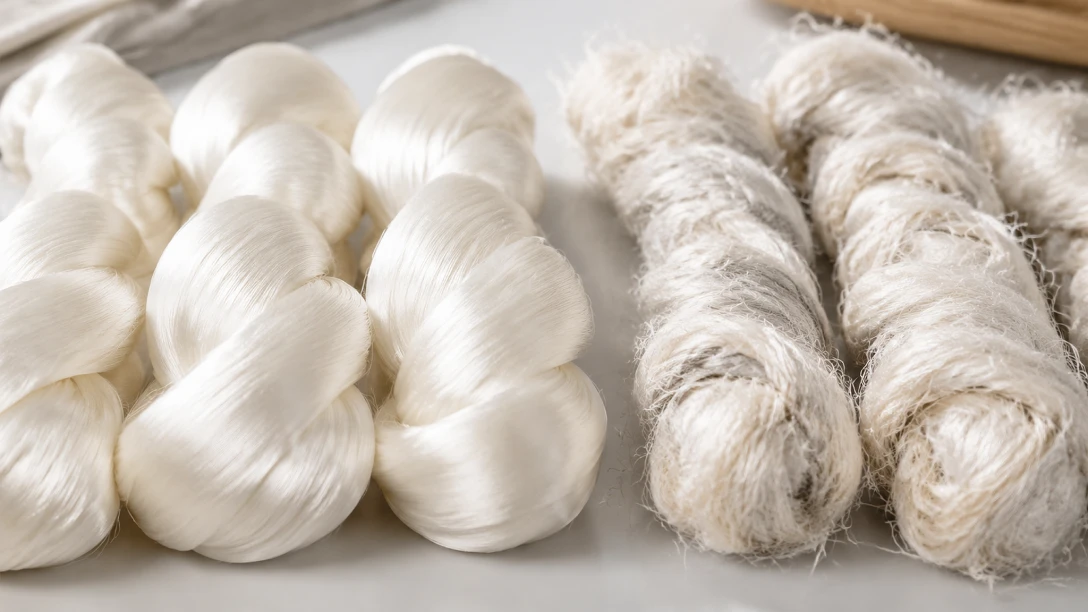
Dupioni begins before the loom. When two silkworms spin one cocoon together, the resulting double cocoon cannot be reeled into smooth single-filament yarn; the twin filaments tangle and bind, producing a yarn with intermittent thick sections: the slubs. Mills reel these cocoons into dupioni yarn and weave it in a plain weave, usually with a fine silk warp and the slubbed yarn in the weft, so the texture reads across the width of the fabric.
Three construction facts carry commercial weight. First, slub density is a function of how much double-cocoon yarn the mill blends into the weft: more double yarn means heavier, more frequent slubs and a more rustic face. Second, dupioni's crisp, paper-like hand comes from the plain weave and fine warp, not from finishing; heavy softener use to mask a harsh hand degrades the fabric's structure in finished garments. Third, because slubs are structural, they cannot be removed after weaving. A buyer who discovers mid-program that the client wanted smooth silk has a fabric problem with no fix, which is why slub photography belongs in every dupioni approval file.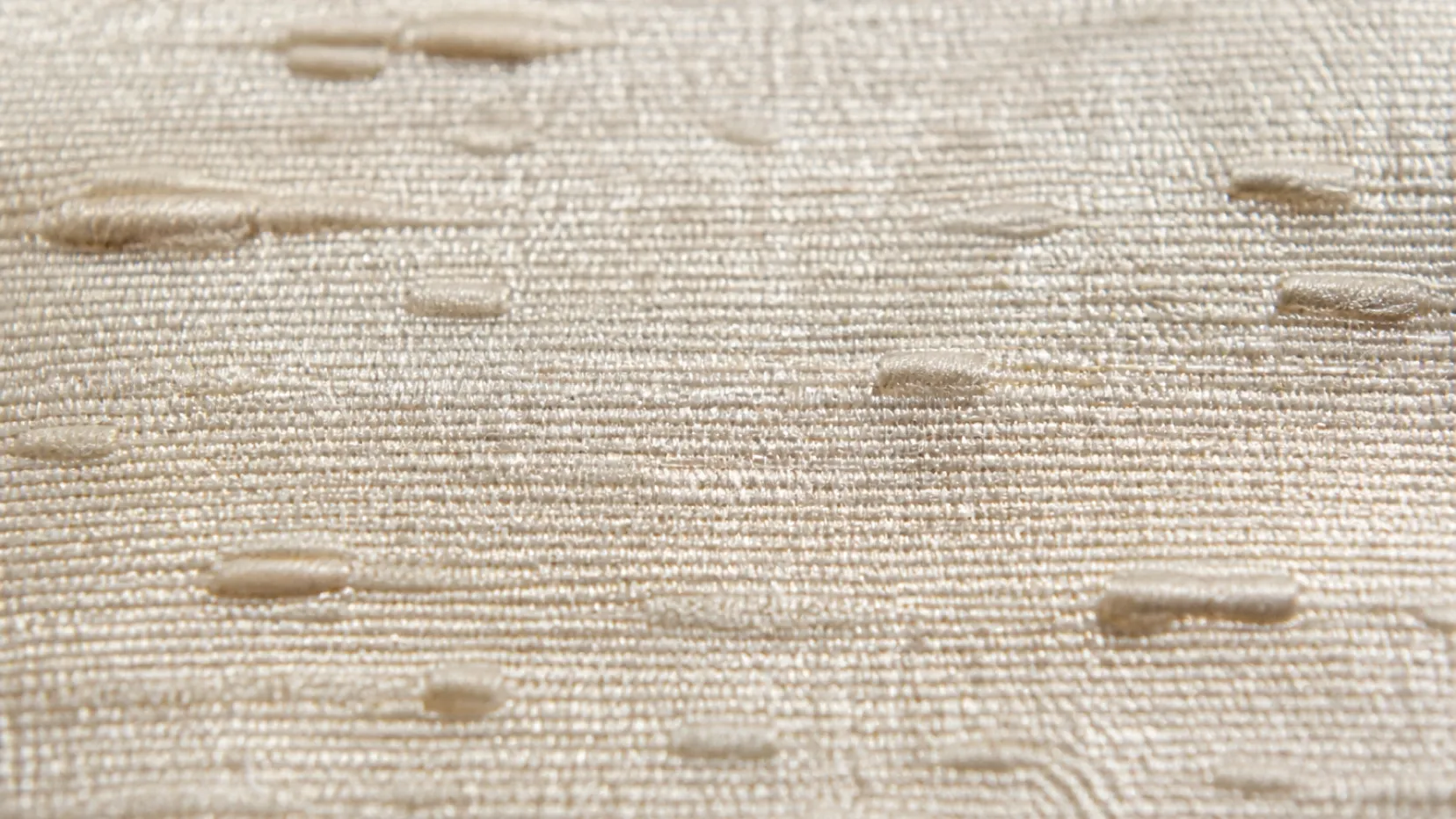
2. Silk Dupioni Specifications: Weight, Width, and Slub Grading
A dupioni specification has one line more than most silk specs, and it is the line that causes the most disputes:
- Momme weight: the working range is 12, 14, 16 and 19 momme (roughly 52 to 82 GSM). 12 momme suits blouses and lighter structured garments; 16 momme is the bridal and eveningwear standard; 19 momme and above serves jackets, tailored pieces and structured custom silk dresses that must hold architectural shape.
- Width: 114 cm and 137 cm are the apparel standards; wider dupioni up to 280 cm exists for drapery programs. Width drives cutting yield on large bridal panels, so confirm usable width after selvage trim, not nominal width.
- Slub grading: the specification unique to dupioni. Define acceptable slub frequency (slubs per meter), maximum slub length and diameter, and the inspection distance. Without these numbers, "slubby" and "smooth" rolls both ship under the same order and the dispute lands on the cutting table.
- Yarn construction: specify silk warp with dupioni weft versus all-dupioni construction. Weft-slub construction reads refined; all-slub reads rustic. The difference is visible at arm's length and should be locked with a sealed counter-sample.
Weight behaves the same here as elsewhere in the silk system; our silk momme weight guide maps the full range to end uses for buyers planning multi-fabric programs.
3. Silk Dupioni vs. Shantung vs. Taffeta: Choosing Structured Silks
These three fabrics compete for the same bridal and structured-garment orders, and the sourcing decision should be made on construction, not photography:
- Dupioni has the most pronounced slub texture and the crispest hand of the three. It holds pleats, sculptural folds and tailored seams without heavy interfacing, and its matte-lustrous surface photographs with depth. It is the specification for gowns, structured bodices and luxury drapery.
- Shantung is dupioni's refined cousin: same double-cocoon origin in the classic construction, but with finer, more controlled slubs and a smoother face. Choose shantung when the program needs dupioni's body with less visible texture, typically for suiting and mothers-of-the-bride categories.
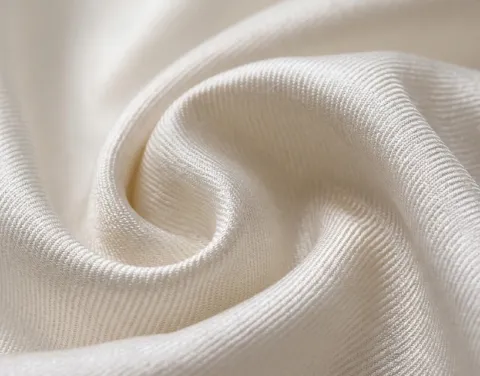
- Taffeta carries no slubs at all: smooth plain weave from even yarn, with the characteristic rustle. It is lighter and drapes closer than dupioni, serving full skirts and linings where texture would telegraph through. Buyers comparing matte structure against sheen should also review silk twill, which trades dupioni's texture for a diagonal weave with superior drape.
The selection rule: visible texture and architectural body point to dupioni, refined texture to shantung, smooth rustle to taffeta. None of the three substitutes for charmeuse or organza; confusing structured silks with silk organza, which is sheer and stiff rather than opaque and crisp, is the most common mis-specification in this category.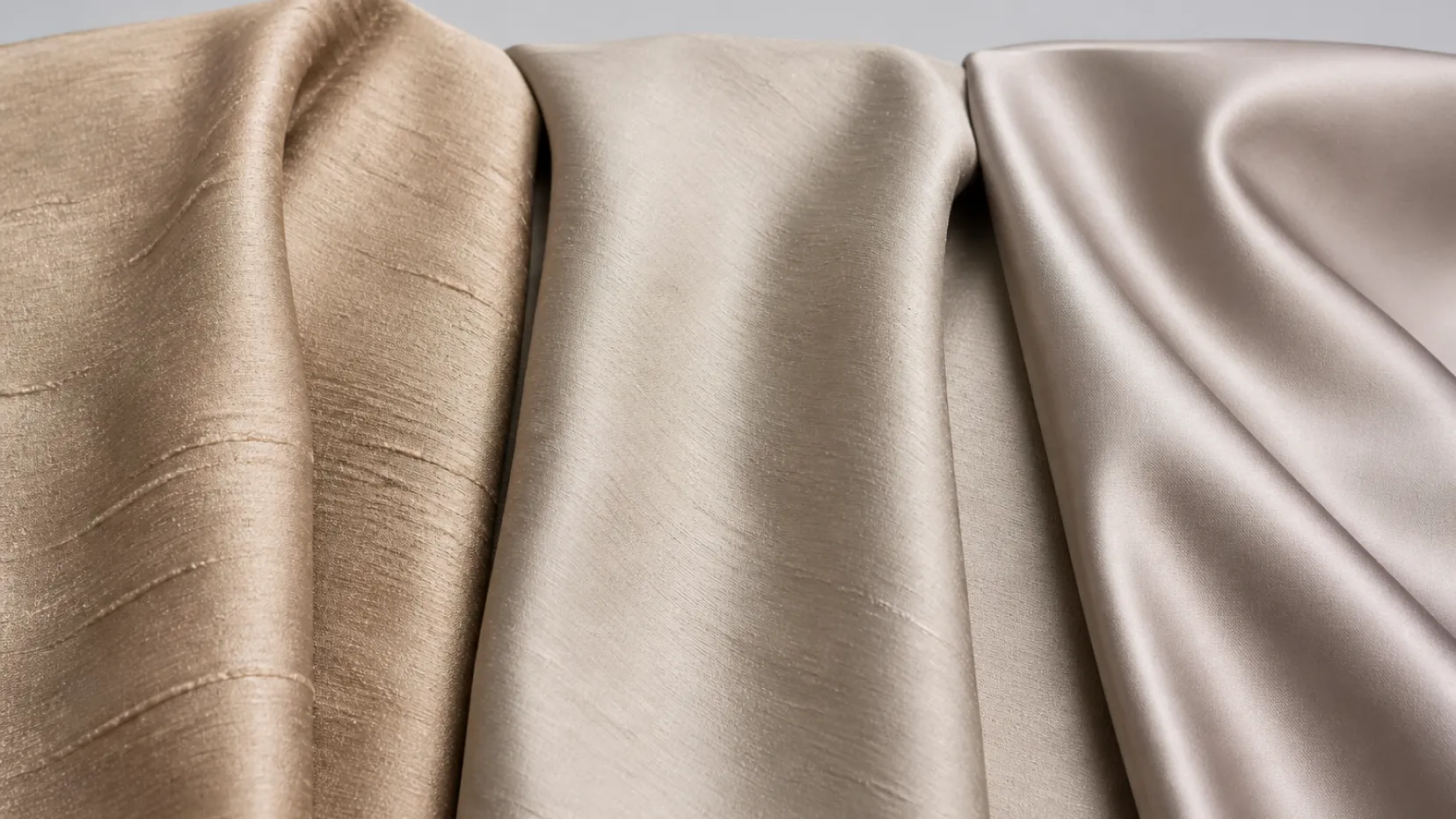
4. Dyeing, Printing, and Shot-Silk Effects on Dupioni
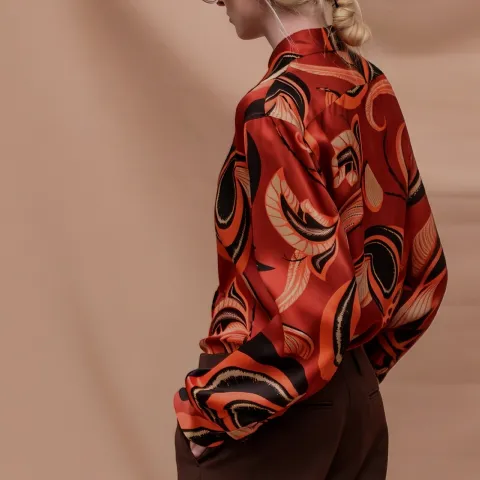
Dupioni is predominantly a dyed, not printed, fabric. The slubbed surface breaks print registration and scatters fine motifs, so most print programs route to smoother constructions. Where printing is required, large-scale artwork with tolerant registration survives; fine geometrics do not. Method trade-offs are covered in our silk printing methods guide.
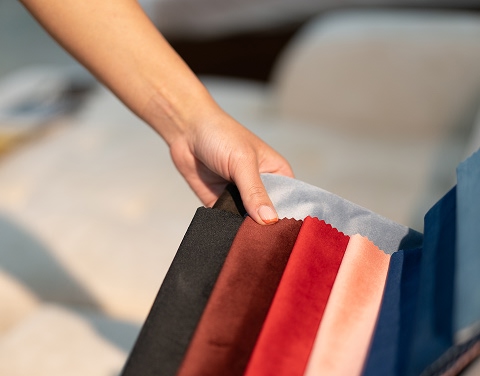
Dyeing carries dupioni's signature opportunity and its signature risk. The opportunity is shot silk: weaving with a dyed warp in one color and a dyed weft in another produces an iridescent, two-tone surface that shifts with viewing angle, a premium effect exclusive to yarn-dyed construction. The risk is that slub sections absorb dye differently from the base yarn, so heavily slubbed rolls show tonal striping in deep colors. Lab dips must be cut across slubs, not from smooth sections, or the approved shade will not represent the delivered fabric. Deep bridal shades and shot effects both require strike-offs on production yarn, because dupioni's double-cocoon yarn supply varies by season and shade behavior follows the yarn lot.
5. Working With Dupioni: Cutting, Sewing, and Defect Control
Dupioni rewards factories that respect its structure and punishes those that treat it like charmeuse. The production rules to write into the tech pack:
- Edge finishing: dupioni frays aggressively at cut edges. All seams require overlocking, binding or French finishing immediately after cutting; panels left raw overnight will lose millimeters to fraying.
- Needle and stitch discipline: fine needles and short stitch lengths prevent seam puckering along the crisp plain weave. Seam slippage is not dupioni's failure mode, unlike open sheers; puckering is.
- Nap and direction: slub direction and shot-silk iridescence are directional. All pattern pieces must be cut in one direction, and markers must be locked before cutting, because a reversed bodice panel in shot dupioni is visible from across the room.
- Slub acceptance at inspection: inspect against the sealed counter-sample, not against an abstract standard. Slubs larger or denser than the approved sample are rejects; slubs within tolerance are the product. QC teams that improvise this line generate false rejections and real ones in equal measure.
First bulk orders should include a cutting-trial report from the factory: dupioni's fraying behavior exposes weak cutting-room practice faster than any lab test. For construction-level detail, our silk sewing techniques guide covers seam engineering across silk fabric types.
6. MOQ, Lead Times, and Production Planning
Custom dupioni programs typically start at 300 to 500 meters per color for piece-dyed goods, with yarn-dyed shot effects carrying higher minimums because both warp and weft must be dyed to order. Weaving lead times run 20 to 30 days; add 7 to 10 days for lab dips and additional sampling rounds for shot-silk color pairings. Because double-cocoon yarn supply fluctuates with the cocoon harvest, mills with secured double-cocoon sourcing should be confirmed before a program is priced, not after.
Dupioni's crispness makes it unforgiving of late changes: a color or slub-spec revision after weaving restarts the program from yarn. Lock the counter-sample, slub tolerance and color standard before the loom starts. Our silk dupioni fabric range covers the standard weights and constructions, woven and dyed under one roof at our Suzhou facility with roll-level slub grading reports. Send your weight, width and texture requirements to request swatches and a program quotation.
FAQ
Silk dupioni is a plain-weave silk fabric woven from double cocoons, where two silkworms spin a single cocoon together. The twin filaments reel into yarn with intermittent thick sections called slubs, giving dupioni its characteristic textured surface, crisp hand and structured drape. Standard weights run 12 to 19 momme in 114 cm or 137 cm widths, and the fabric is the default silk for bridal wear, structured eveningwear and luxury drapery.