
Silk Chiffon Fabric Guide for B2B Buyers: Specifications, Comparisons, and Sourcing Standards


Silk chiffon is the highest-volume sheer fabric in custom silk programs, and the one most often mis-specified on purchase orders. Buyers write "silk chiffon, light" and receive fabric anywhere from 5 to 12 momme, in plain or crepe weave, with twist levels that change the hand entirely. The category looks simple because the fabric is thin; the sourcing is not. This guide covers what silk chiffon actually is at the yarn level, the specifications that belong on a tech pack, how it differs from georgette and organza, how it behaves under printing, and the quality checks that separate reliable mill output from problem shipments.
For buyers who need the short version: silk chiffon is a plain-weave sheer fabric woven from highly twisted crepe yarns, typically 6 to 10 momme (26 to 43 GSM), in 114 cm or 140 cm widths. Its signature softness comes from alternating S-twist and Z-twist yarns, not from any finishing treatment. Specify momme, width, twist construction and color standard on every order, and require a printed strike-off before approving any custom print on chiffon, because sheer fabrics show strike-off differences that opaque fabrics hide.
1. What Is Silk Chiffon? Construction and Fiber Basics
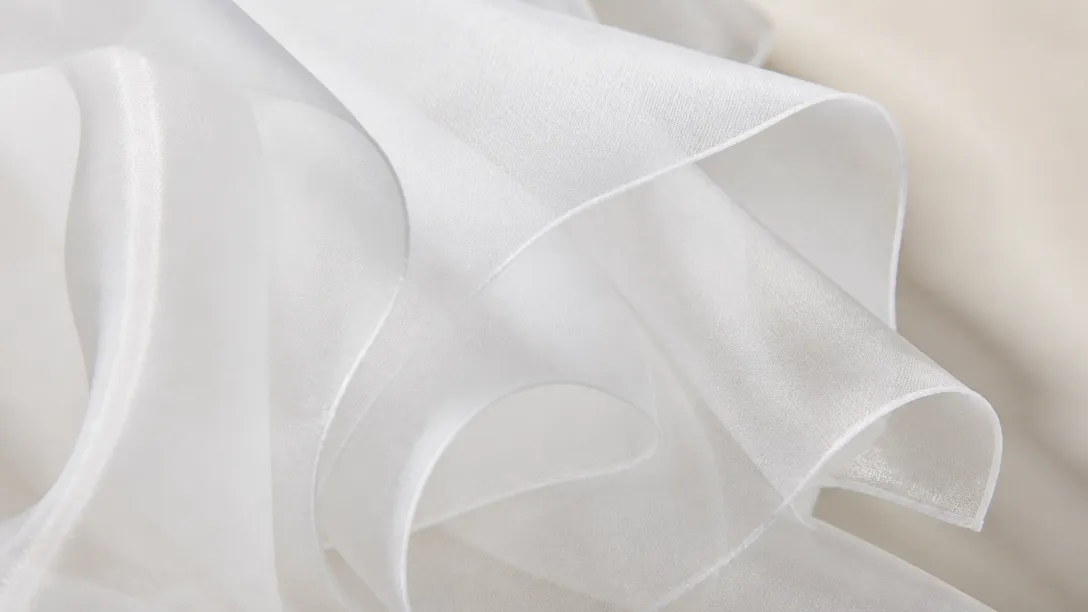
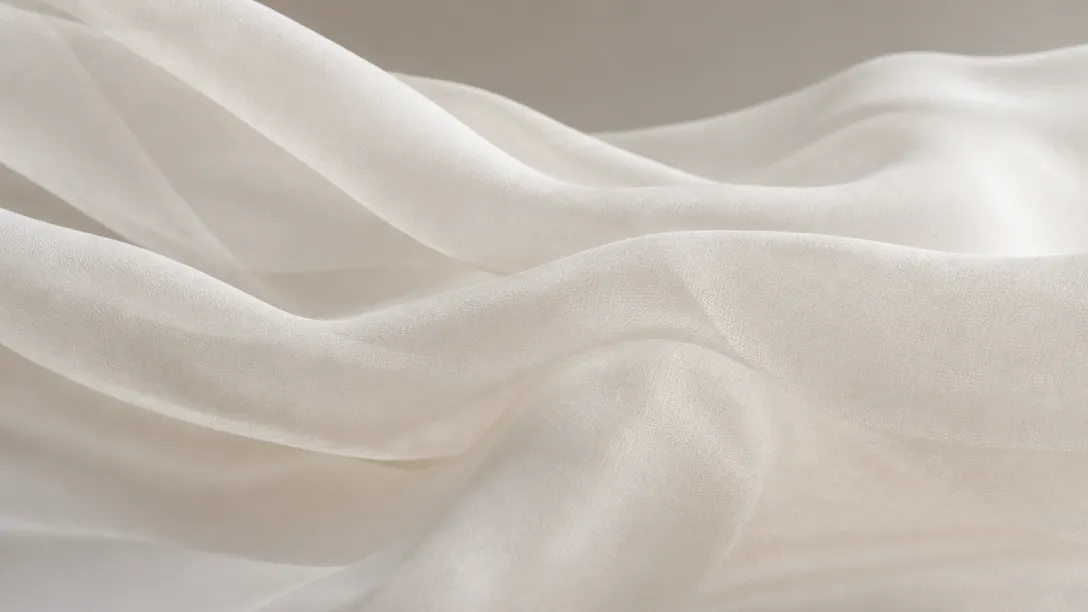
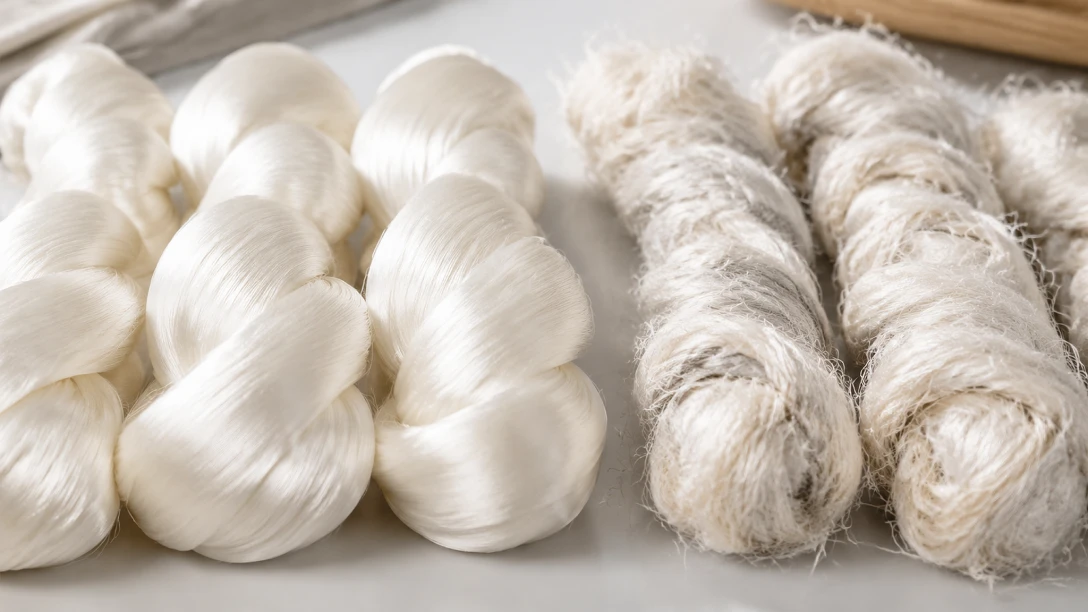
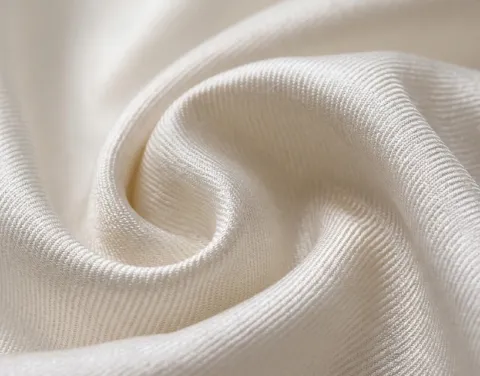
Chiffon is a weave-and-yarn definition, not a weight class. True silk chiffon uses mulberry silk filament twisted into crepe yarn at high twist levels, then woven in a balanced plain weave with S-twist and Z-twist yarns alternating in both warp and weft. After weaving, the fabric is degummed: the sericin coating is boiled off, the yarn crimps slightly, and the alternating twist directions pull the cloth into its characteristic fine, slightly rough texture with exceptional drape.
Two construction consequences matter commercially. First, chiffon's lightness comes from yarn fineness and open sett, so a "heavier chiffon" is a contradiction buyers sometimes request without realizing it; above roughly 12 momme the fabric stops behaving like chiffon. Second, the high-twist yarn is what gives chiffon its dry, matte hand. Polyester "chiffon" imitates the sett but not the twist behavior, which is why fiber content verification belongs in every chiffon QC routine. For how chiffon fits into the broader silk density system, our silk momme weight guide maps weights to end uses across all silk constructions.
2. Silk Chiffon Specifications: Weight, Width, and Weave Parameters
A complete chiffon specification has four lines, and omitting any of them invites substitution:
- Momme weight: the core range is 6, 8, 10 and 12 momme. 6 momme (about 26 GSM) is scarf and overlay territory; 8 momme (about 34 GSM) is the standard for blouses, dresses and custom silk scarves; 10 to 12 momme serves structured dresses and bridal layers that need marginally more body. Anything below 6 momme snags in production and should be rejected for garment programs.
- Width: 114 cm and 140 cm are the standard loom widths. Wide-width chiffon above 280 cm exists for drapery but is rare in apparel programs. Width drives marker efficiency more than buyers expect: moving a scarf program from 114 cm to 140 cm goods can cut fabric consumption per unit by double-digit percentages.
- Twist construction: specify crepe chiffon (S/Z high twist) versus plain chiffon if the mill offers both. Crepe chiffon drapes softer and resists wrinkling better; plain chiffon is crisper and cheaper. The difference is visible in the swatch.
- Color standard: piece-dyed chiffon needs a lab-dip approval against a physical standard, not a screen value, because sheer fabrics shift perceived shade depending on what lies beneath them.
3. Silk Chiffon vs. Georgette vs. Organza: Choosing Between Sheer Fabrics
These three fabrics are substituted for each other constantly, and the mistakes show up at retail. The differences are structural, not stylistic:
- Chiffon is the softest and most fluid of the three. Plain weave, high-twist crepe yarns, matte surface, and a drape that collapses completely. It is the default for scarves, blouses, flowing dresses and evening overlays.
- Georgette uses even higher twist levels with a crinkled, pebbly surface and a springier hand. It holds shape better than chiffon and tolerates more handling, which makes it the standard for garments that are worn rather than draped. Our silk georgette fabric range covers the common weights for these applications.
- Organza is the stiff, transparent opposite: low-twist yarns, crisp hand, and enough body to stand away from the body. It builds volume in bridal and structured eveningwear where chiffon would collapse. See our silk organza fabric page for specifications.
The selection rule is simple: drape and softness point to chiffon, resilience points to georgette, structure points to organza. Programs that layer a sheer fabric over a base cloth should also note that chiffon's matte surface reads more luxurious against silk charmeuse than georgette's pebbled one. A textured variant worth knowing is crinkle chiffon, where differential shrinkage creates a permanent pleated surface; we detail it in our crinkle silk chiffon fabric guide.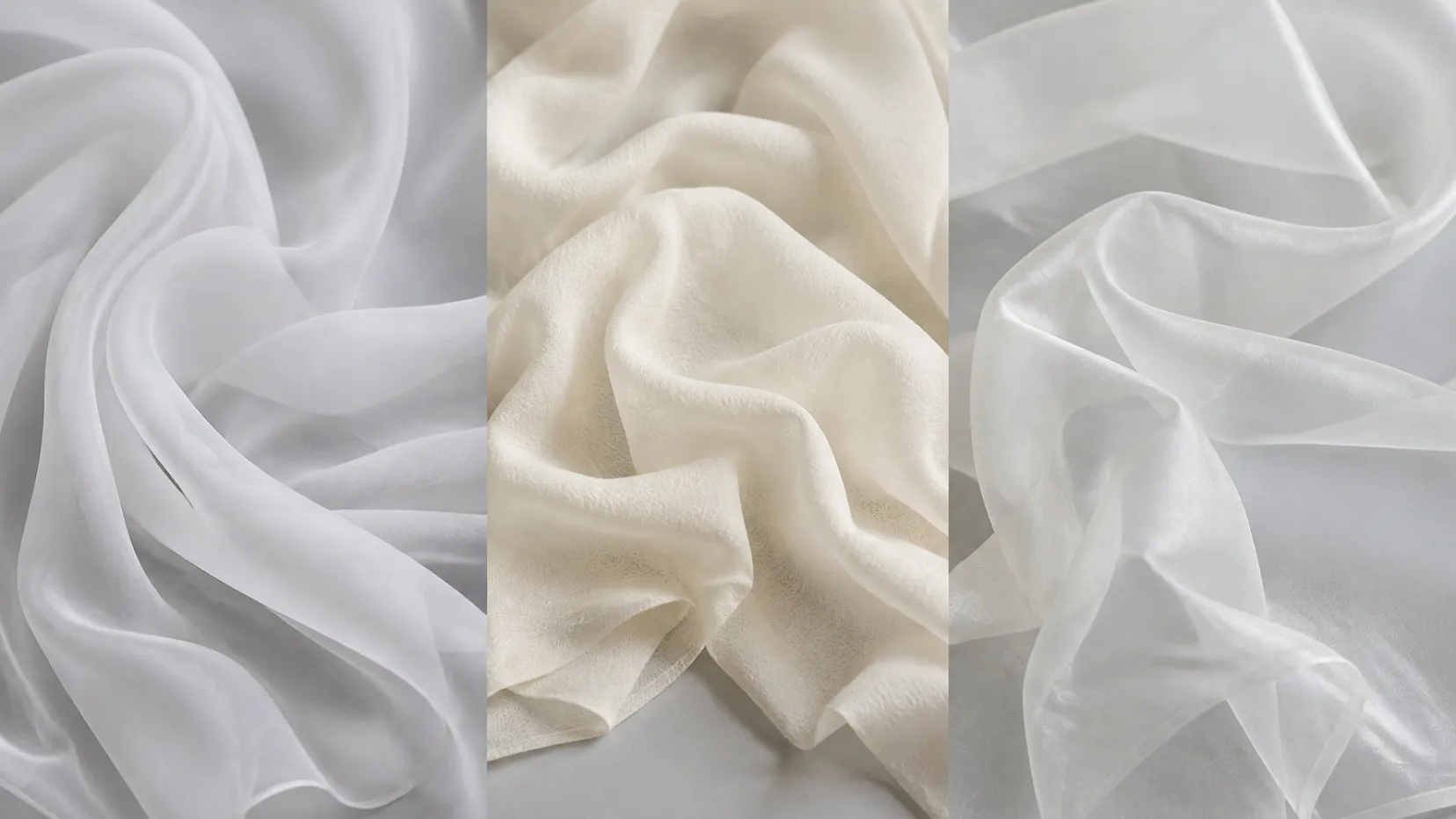
4. Printing and Dyeing Silk Chiffon for Custom Programs
Chiffon prints beautifully and proofs deceptively. The sheerness that makes the fabric desirable also makes strike-offs unreliable unless they are reviewed correctly. Digital printing dominates custom chiffon programs because most sheer-fabric orders run below screen-printing volumes, and digital handles the photographic artwork that chiffon scarves and resort dresses typically carry. The full trade-offs between methods are covered in our silk printing methods guide.
Three chiffon-specific rules apply. First, evaluate strike-offs against both white and black backgrounds: sheer prints that look saturated on white can read washed-out on skin or dark lining. Second, expect print show-through of 60 to 80 percent on the reverse at 6 to 8 momme; double-sided appearance must be specified if the product is worn open, as with scarves and kaftans. Third, solid piece-dyeing chiffon demands tighter lot control than heavier fabrics because any dye-level unevenness is visible across a transparent panel. Programs combining printed chiffon with solid silks should plan dye and print approvals in the same week to keep custom silk dress production on schedule.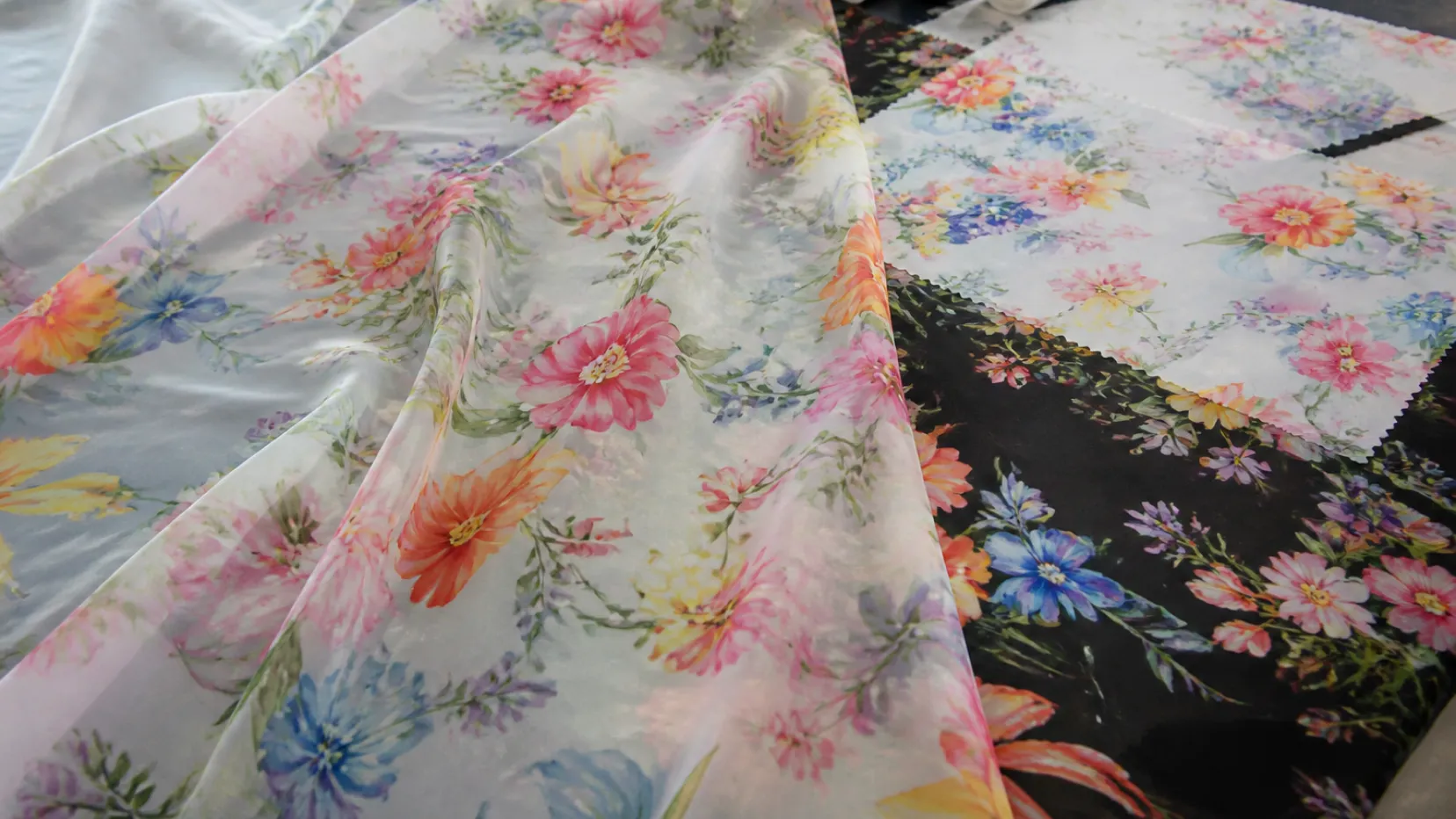
5. Sourcing Silk Chiffon: Quality Checks and Common Defects
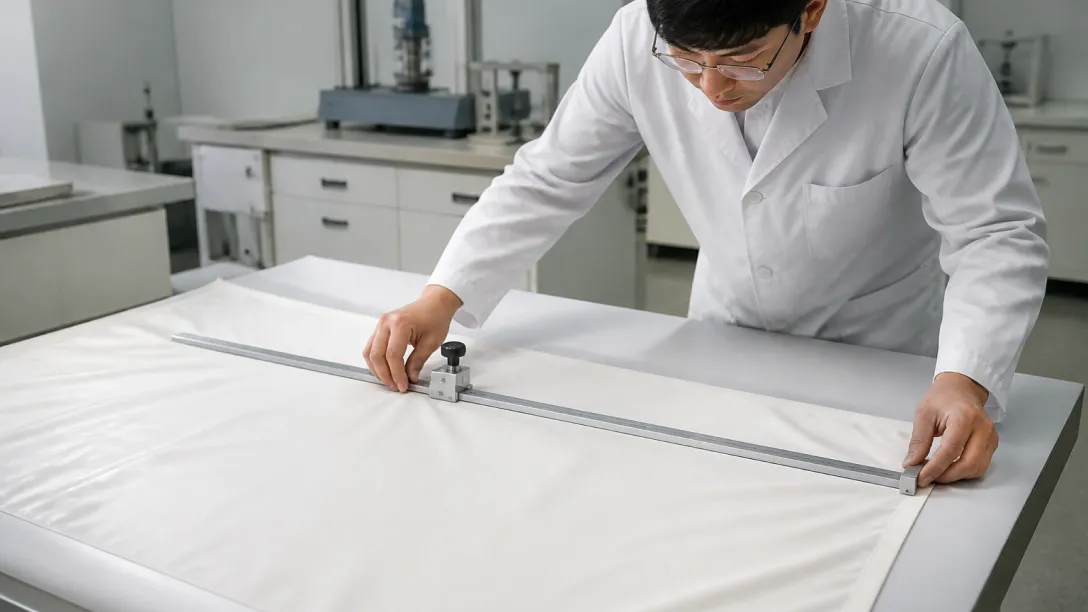
Chiffon fails differently from heavier silks, and inspection protocols built for 16 momme charmeuse miss its characteristic defects. The failure modes to write into your QC checklist:
- Twist streaks: uneven twist in the crepe yarn shows as subtle lengthwise bands that only appear after dyeing. Inspect dyed fabric backlit, not just on the table.
- Snags and pulls: high-twist fine yarn catches on cutting tables, sewing machines and fingernails. Require the mill to report snag rates per roll and inspect selvage-to-selvage, because edge zones snag first.
- Seam slippage: the open plain weave lets yarns slide at stress points. At 6 to 8 momme, seam slippage above 3 mm under standard load fails garment construction; specify seam engineering (French seams, narrow zigzag) in the tech pack rather than expecting the fabric to carry standard seams.
- Width shrinkage: degummed chiffon relaxes; verify delivered width against ordered width per roll, because a 2 cm shortfall across a scarf program is a margin event.
Fiber verification deserves one line of its own: chiffon's opacity-after-finishing makes silk-polyester blends hard to spot by hand. Burn tests or fiber-content lab reports should accompany first bulk orders from any new mill relationship.
6. MOQ, Lead Times, and Production Planning
Custom silk chiffon programs typically start at 100 to 300 meters per color for piece-dyed goods and 50 to 100 meters per design for digital prints, with weaving lead times of 15 to 25 days before dyeing or printing. Sampling adds 7 to 10 days for lab dips and 10 to 14 days for printed strike-offs. Because chiffon is lightweight, air freight is economical for replenishment orders, which changes the inventory math for scarf and resort-wear programs that reorder seasonally.
Plan chiffon ahead of the garments it layers over: an overlay chiffon approved two weeks late idles an entire custom silk clothing production line. We weave, dye and print chiffon under one roof at our Suzhou facility with lot-level documentation. Send your weight, width and colorway requirements to request swatches and a program quotation.
FAQ
Silk chiffon is a lightweight, sheer plain-weave fabric woven from highly twisted mulberry silk crepe yarns, with S-twist and Z-twist yarns alternating in warp and weft. After weaving, the fabric is degummed, which releases the yarn crimp and produces chiffon's signature soft drape and fine, slightly textured matte surface. It is the standard sheer silk for scarves, blouses, dresses and eveningwear overlays.