

Silk Certifications for B2B Buyers: OEKO-TEX, GOTS, and Verification Standards Explained


Certificates decide silk purchase orders more often than fabric quality does. A European retailer's compliance department rejects a shipment over a missing OEKO-TEX number, and the fabric's hand feel never enters the discussion. Yet certification is also the most abused vocabulary in the category: suppliers quote labels they do not hold, buyers demand standards that do not apply to silk, and both sides lose weeks to misunderstandings that a single database lookup would have prevented. This guide defines what each major certification actually covers, where the limits are, and how verification works in practice.
For commercial silk programs, three frameworks carry the load: OEKO-TEX Standard 100 certifies that a finished fabric tests free of harmful substances; GOTS certifies organic fiber content and processing; and Grade 6A, from the Chinese raw silk grading standard, describes filament quality. None of the three substitutes for the others, and a credible supplier holds the first, can discuss the second, and states the third by lot.
1. Why Certification Matters in Silk Sourcing
Silk moves through more chemical processes than buyers expect. Degumming baths, dye carriers, softeners, and printing pastes all leave residues on a fiber that sits against skin for hours. Retail compliance departments in the EU and North America treat third-party certification as the admission ticket for this reason: it transfers liability to an auditable document chain instead of a supplier's word.
The commercial consequences run both directions. A certified fabric opens doors to retail channels that refuse uncertified goods outright, particularly in baby-adjacent and bedding categories like custom silk bedding. An unverifiable certificate does worse than no certificate: when a retailer's compliance team catches a fabricated number, the supplier relationship ends regardless of product quality.
2. OEKO-TEX Standard 100: Scope, Limits, and Verification
OEKO-TEX Standard 100 is the certification buyers ask for most, and the one most often misunderstood. It tests the finished textile for harmful substances: formaldehyde, heavy metals, restricted dyes, pesticide residues, and hundreds of other regulated and unregulated chemicals. A Standard 100 certificate means the specific tested article passed laboratory limits. It says nothing about organic farming, worker conditions, or fiber quality.
Three operational details matter in sourcing:
- Product classes: The standard divides textiles into four classes by skin contact intensity. Class I covers baby articles and carries the strictest limits; Class II covers skin-contact garments; Class III covers items without direct skin contact; Class IV covers decoration materials. Silk pillowcases and bedding belong in Class II at minimum, and programs for infant sleepwear should demand Class I certification of the actual fabric, not a generic Class II document.
- Article specificity: Certificates list tested articles. A mill certified for white charmeuse is not automatically certified for its printed black twill, because dyestuffs change the residue profile. The certificate's article annex must cover the fabric being ordered.
- Annual renewal: Standard 100 certificates expire after twelve months. A supplier showing a 2023 certificate in 2026 is showing an expired document.
Every certificate carries a unique number verifiable in the public OEKO-TEX label check database. The lookup takes under a minute and returns the certificate holder, article scope, and validity dates. Our own certifications page lists current certificate numbers for direct verification.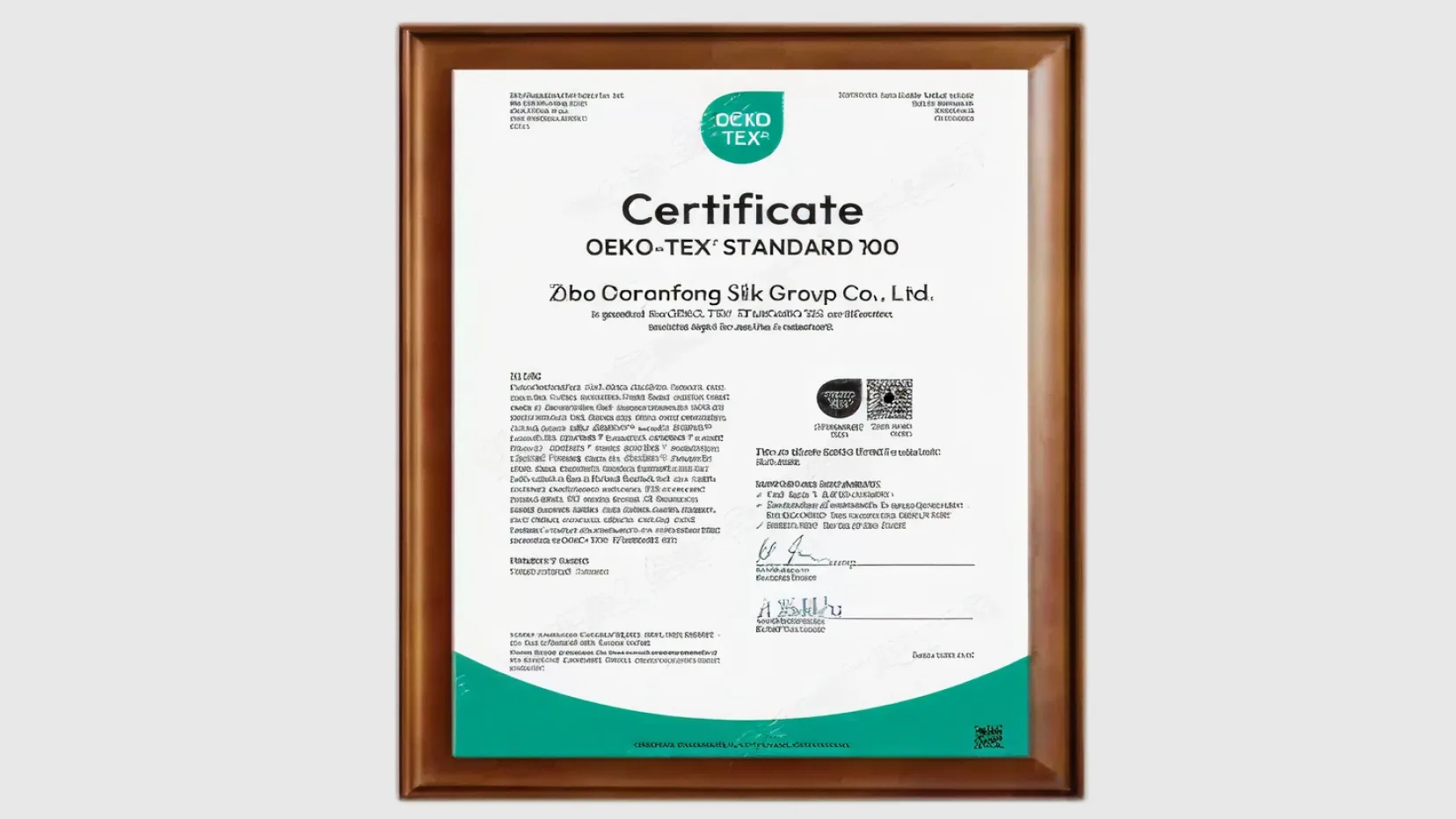
3. GOTS and Organic Silk: What the Label Covers
GOTS, the Global Organic Textile Standard, operates at a different layer. Where OEKO-TEX tests the output, GOTS certifies the chain: organic sericulture, restricted processing chemicals, wastewater treatment, and social criteria at each production stage. A GOTS-certified silk fabric requires at least 70 percent certified organic fiber content, with "organic" label grades requiring 95 percent.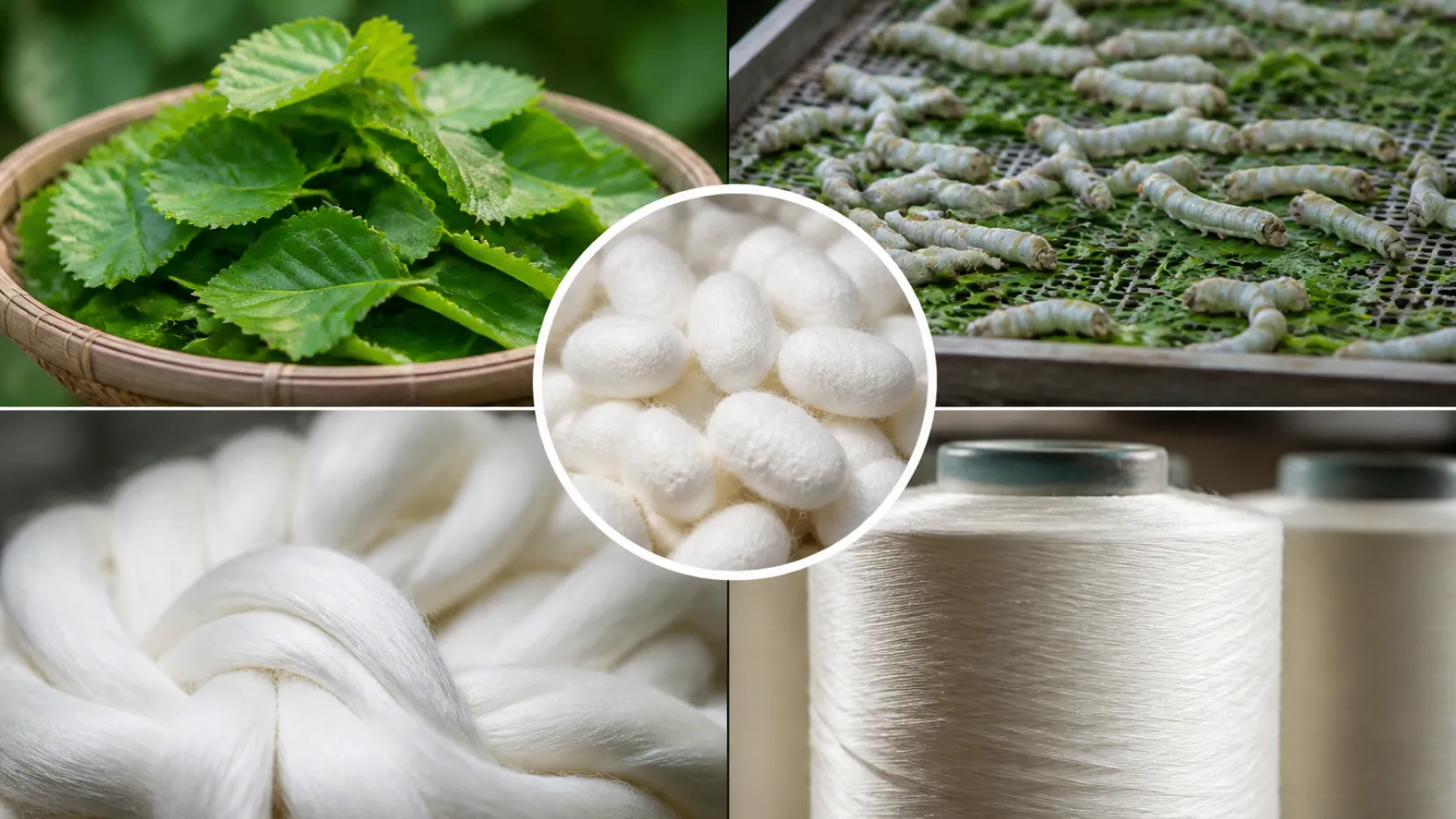
Buyers should know two realities before specifying GOTS silk. First, certified organic mulberry silk exists but in small volumes, since sericulture certification requires documented feed, farm, and reeling chains that few Chinese operations have completed. Lead times and prices sit well above conventional silk. Second, GOTS and OEKO-TEX answer different questions: a GOTS fabric can still fail a harmful-substance limit through a processing error, and an OEKO-TEX-certified fabric carries no organic claim. Programs marketing "organic silk" need GOTS; programs marketing "safe silk" need OEKO-TEX. Conflating the two in consumer-facing copy creates regulatory exposure in the EU.
4. Grade 6A, ISO 9001, and REACH: The Supporting Standards
Beyond the headline certifications, three supporting references appear constantly in silk sourcing documents, and each means something narrower than suppliers imply.
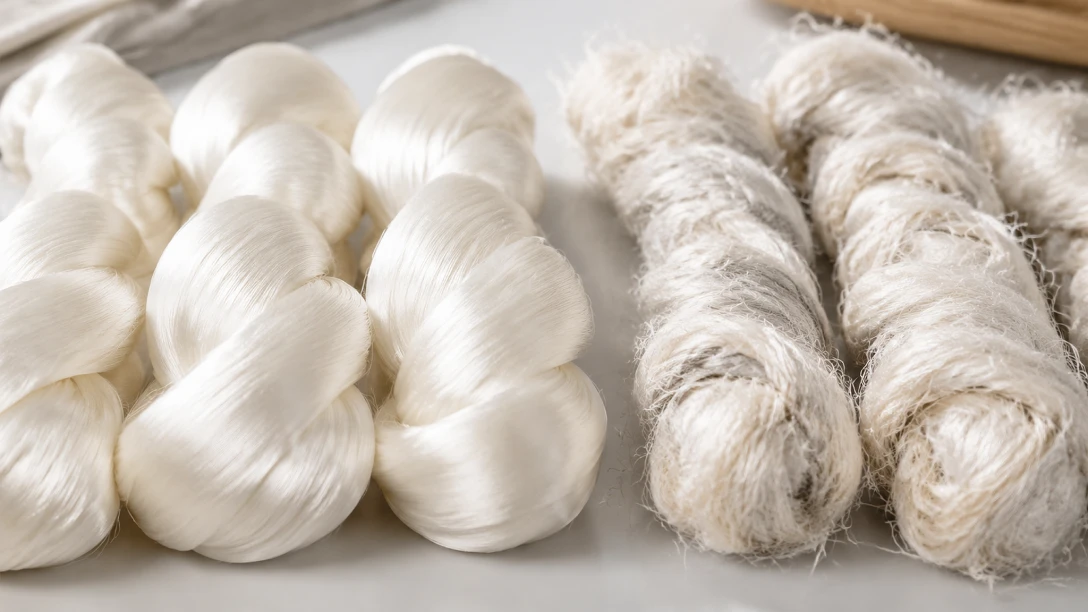
Grade 6A comes from the Chinese national standard for raw silk classification (GB/T 1797), which grades reeled filament on evenness, cleanness, and tenacity. 6A is the top grade. Critically, it grades the raw silk yarn, not the finished fabric: a mill can weave 6A yarn into a poorly constructed fabric. The grade matters as an input specification, and serious mills state it per lot rather than as a marketing line.
ISO 9001 certifies that a factory runs a documented quality management system. It guarantees process discipline, not product quality: an ISO 9001 factory can produce mediocre fabric consistently. It functions best as a supplier-screening filter at the quotation stage, telling you the facility keeps batch records and handles complaints through a system rather than improvisation. Our craft and quality page documents how these systems operate on our production floor.
REACH is not a certification at all but the EU chemicals regulation. For silk, it matters through the SVHC candidate list: substances of very high concern above 0.1 percent by weight in an article trigger declaration duties for EU importers. A supplier claiming "REACH certified" is misusing the term; the correct deliverable is an SVHC declaration or test report against the current candidate list.
Timing is part of verification. Certificates should be checked at three points: before the first sample order, before the first bulk purchase order, and once a year thereafter. A supplier that passed an audit in 2023 may have changed dye houses, chemical suppliers, or production sites since then. Requesting a fresh scope confirmation with each reorder costs nothing and closes the gap that annual certificate renewal can leave open between audit cycles.
5. How to Verify a Supplier Certificate
Verification takes minutes and follows the same pattern for every scheme:
- OEKO-TEX: Enter the certificate number in the label check at oeko-tex.com. Confirm the holder name matches the contracting entity, the article annex covers your fabric, and the validity date is current.
- GOTS: Search the public GOTS database for the supplier's license number. GOTS certification attaches to facilities in a chain of custody, so confirm scope certificates cover the processing steps your order uses.
- ISO 9001: Request the certificate and check the issuing body against the IAF member list. Certificates from unaccredited bodies carry no weight with retail compliance teams.
- Grade 6A: No central database exists. Request the lot-level test report from the mill's laboratory or a third-party institute, showing evenness and tenacity results for the actual yarn lot.
The verification rule that prevents the most damage: the certificate holder named on the document must be the entity you are contracting with, or its documented parent. Certificates borrowed from a fabric supplier three tiers up the chain expire, get revoked, or never covered your articles in the first place, and the buyer discovers it at retail audit.
6. Certification in the Sourcing Workflow
Certification requirements belong in the purchase order, not in post-shipment disputes. A workable silk PO states three certification lines: the required standard with product class ("fabric certified to OEKO-TEX Standard 100, Product Class II, certificate to be supplied per lot"), the input specification ("100% mulberry silk, raw silk Grade 6A, lot test report supplied"), and the verification right ("buyer may verify certificate numbers in the issuing database before payment release").
Programs with retail distribution in the EU or North America should budget certification testing into the first order timeline: third-party lab verification of a fabric lot adds 7 to 14 days. For categories with direct skin contact such as silk pillowcases and bedding, the testing cost is small against the retail channels it opens.
We maintain current OEKO-TEX certification across our fabric range and supply lot-level documentation with every bulk shipment from our Suzhou facility. Send your target market and product category to request certificate copies and a compliance-ready quotation.
FAQ
OEKO-TEX Standard 100 certifies that a finished silk fabric has been laboratory-tested and found free of harmful substances above defined limits, including formaldehyde, heavy metals, restricted dyes, and pesticide residues. It covers the specific tested article only, divides products into four classes by skin contact intensity, and requires annual renewal. It makes no claim about organic farming or fiber quality.