

Grade 6A Raw Silk vs. Lower Grades: A Technical Analysis of Tensile Strength and Durability for B2B Buyers


Raw silk grading establishes the structural integrity, visual uniformity, and processing yield of finished silk fabrics. Under the internationally recognized Chinese national standard (GB/T 1797-2008), mulberry raw silk is classified into distinct grades ranging from 6A (the highest metric) down to 5A, 4A, 3A, 2A, A, and further lower classifications. For B2B procurement, specifying Grade 6A silk represents a technical requirement for manufacturing high-durability, premium textiles. This analysis examines the empirical differences between Grade 6A and lower-grade raw silk, focusing on filament mechanics, weaving efficiency, and end-product performance metrics.
1. The Regulatory Standard: GB/T 1797-2008 Testing Methodology
The classification of raw silk relies on standardized laboratory testing rather than subjective evaluation. The GB/T 1797-2008 framework evaluates raw silk across multiple physical and visual parameters using precision instruments. Key testing metrics include size deviation, evenness, cleanness, neatness, winding breaks, tenacity, and elongation. A batch of raw silk must meet or exceed the rigorous thresholds across all these categories simultaneously to achieve a 6A classification. If a batch scores 6A in tenacity but drops to 5A in cleanness, the entire batch is downgraded to 5A.
Testing relies heavily on the seriplane inspection method. Silk threads are wound onto a standardized black inspection board (the seriplane) at specific intervals. Inspectors evaluate the panels under controlled D65 lighting to identify microscopic defects. Grade 6A requires a near-perfect visual score, with an absence of major defects such as large slubs, bad casts, or significant hairiness. The rigorous nature of this testing ensures that only silk reeled from the most uniform, intact cocoons passes the 6A threshold. Lower grades (3A or 4A) permit a mathematically defined higher frequency of these defects per standard length of yarn.
2. Mechanical Properties: Tenacity and Tensile Strength
Tensile strength represents the maximum stress a silk filament can withstand while being stretched or pulled before breaking. Grade 6A silk exhibits superior tenacity, typically exceeding 3.5 grams per denier. This mechanical strength originates from the continuity of the fibroin filament. A single premium cocoon selected for 6A reeling yields an unbroken filament spanning 1,000 to 1,500 meters. The resulting yarn possesses extreme structural continuity.
Lower-grade silks often utilize broken cocoons, double cocoons (dupion), or shorter filament lengths. When these shorter fibers are spun or reeled together, the microscopic overlaps and breaks introduce structural weaknesses. Under longitudinal stress, these failure points rupture prematurely. During the weaving process, low-tenacity yarns cause frequent warp breakages on the loom. High warp breakage rates increase loom downtime, generate weaving defects, and ultimately raise the rejection rate of the finished fabric. Grade 6A silk minimizes loom stops, enabling efficient, high-speed weaving of flawless yardage.
3. Surface Integrity: Cleanness and Neatness Metrics
Surface integrity in raw silk is quantified by two specific metrics: cleanness and neatness. Cleanness refers to the absence of super-major and major defects, including heavy slubs, corkscrew yarns, and heavy loops. Neatness refers to the absence of minor defects like fine loops, hairiness, and microscopic knots. Grade 6A raw silk requires a cleanness score exceeding 99% and a neatness score exceeding 95%.
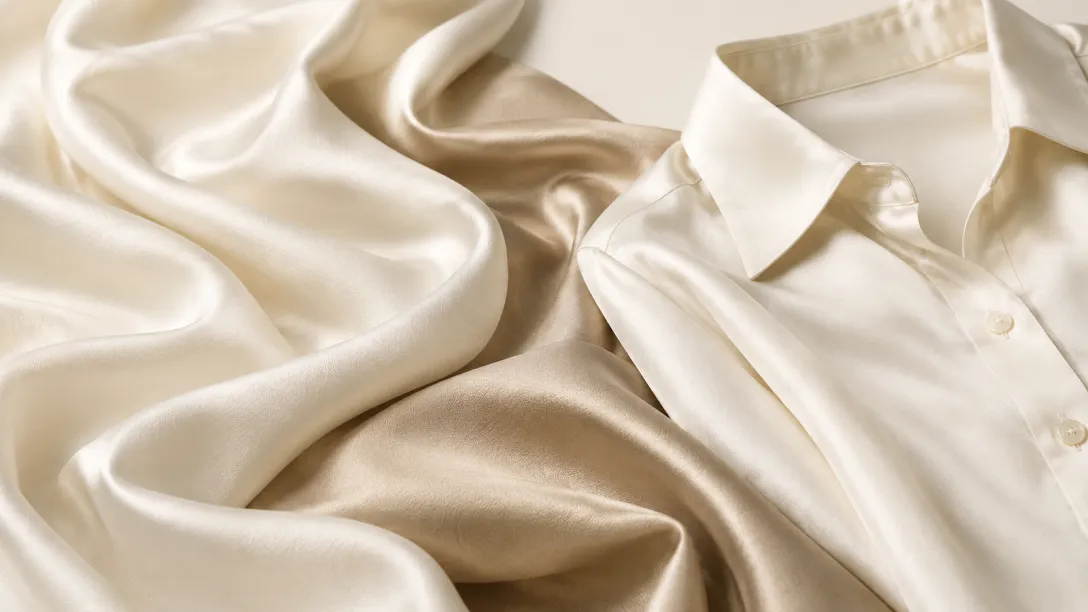
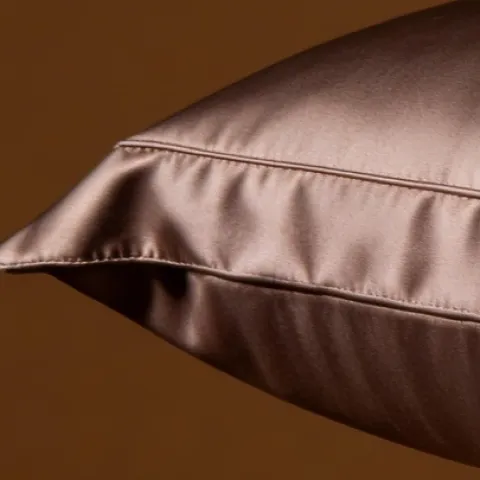
In practical textile applications, a lack of neatness translates directly to a rough hand feel and poor visual luster. When 3A or 4A silk is woven into a satin structure (charmeuse), the minor defects disrupt the flat, reflective surface of the weave. Light scatters erratically off the microscopic loops and slubs, reducing the fabric's natural sheen. Grade 6A silk maintains perfect alignment in the weave, allowing for maximum light reflection and a frictionless, ultra-smooth surface texture that remains uniform across hundreds of meters of production.
4. Dyeing Performance and Structural Uniformity
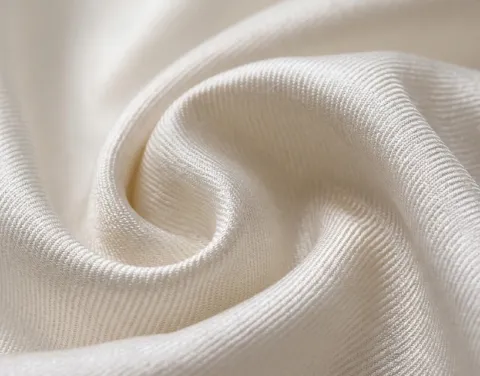
Raw silk consists of two primary proteins: fibroin (the structural center) and sericin (the protective outer gum). Before dyeing, fabrics undergo a degumming process to remove the sericin. The uniformity of the underlying fibroin filaments directly impacts dye affinity. Grade 6A silk, due to its consistent filament diameter and homogeneous structural composition, absorbs reactive and acid dyes at a perfectly uniform rate.
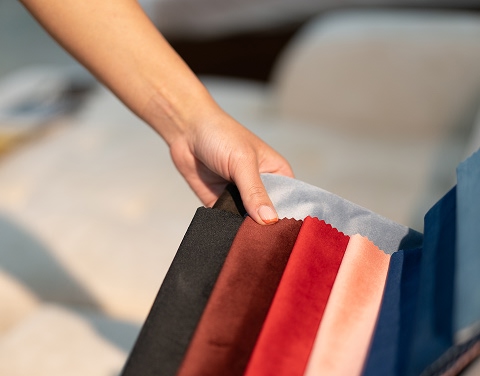
Conversely, lower-grade silks exhibit filament diameter variations (measured as size deviation in the grading standard). Thicker sections of yarn absorb dye differently than thinner sections. In piece-dyed fabrics, this variance manifests as dye banding, striping, or uneven color saturation—particularly visible in deep, saturated shades like navy, emerald, or black. Achieving a Level 4 colorfastness rating with a completely uniform visual appearance requires the baseline filament stability provided by Grade 6A raw material. Brands relying on precision pantone matching must specify high-grade silk to avoid costly lot-to-lot color inconsistencies. For further details on the full lifecycle, review our silk manufacturing process guide.
5. The Fallacy of Weight: Separating Silk Grade from Momme
A common error in B2B procurement involves conflating silk weight with silk quality. Momme is strictly a measurement of fabric density (grams per square meter), whereas the 6A grade defines the quality of the yarn itself. It is entirely possible to construct a heavy 22 momme fabric using inferior 3A grade silk. The resulting textile will feel thick and substantial, but it will lack the signature luster, smooth drape, and longevity of premium silk. The fabric will likely exhibit a dull finish and a slightly abrasive surface texture.
Conversely, a 16 momme fabric woven from genuine Grade 6A silk will possess exceptional tensile strength, a brilliant finish, and superior drape despite its lighter weight. Buyers must define both parameters independently in their technical packs. For a comprehensive breakdown of density metrics and their applications, refer to our silk momme weight guide. Sourcing documents must explicitly state both the momme requirement and the raw material grade to ensure compliance.
6. Impact on Product Durability in B2B Manufacturing
The technical differences between silk grades become highly apparent during consumer use and laundering. B2B buyers must align the silk grade with the mechanical demands of the end product.
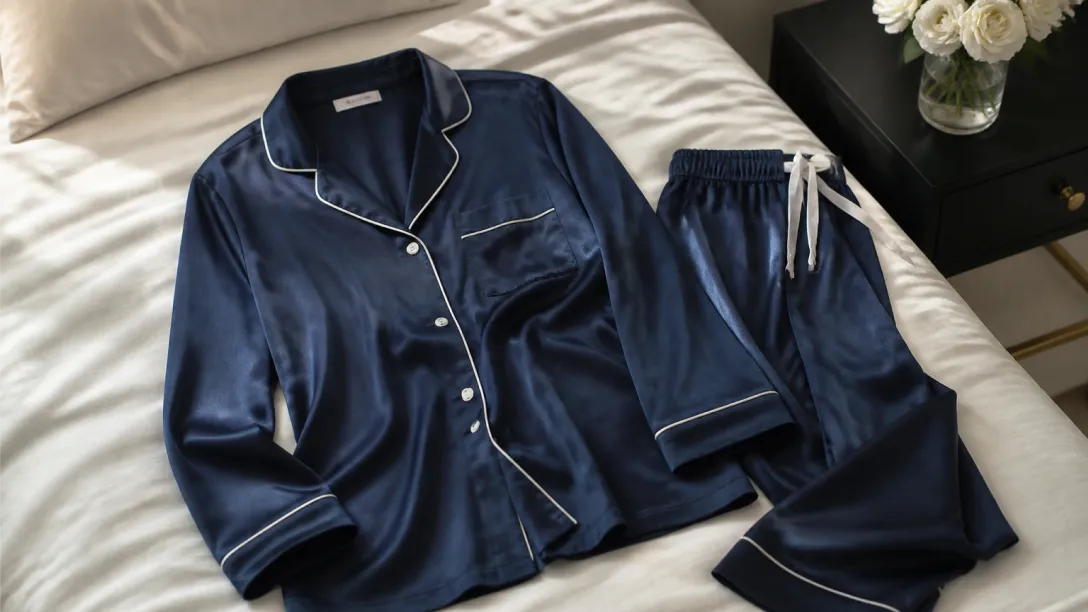
For sleepwear and loungewear, seam slippage is the primary failure mode. When a garment experiences stress at the seams, weak or irregular yarns pull apart, causing the fabric to shred near the stitching. The high tenacity and long filament structure of Grade 6A silk securely anchor the stitches, preventing seam distortion. Brands developing custom silk pajamas require this structural stability to ensure the garments withstand nightly wear and standard laundering cycles. This also applies heavily to items like a custom silk robe.
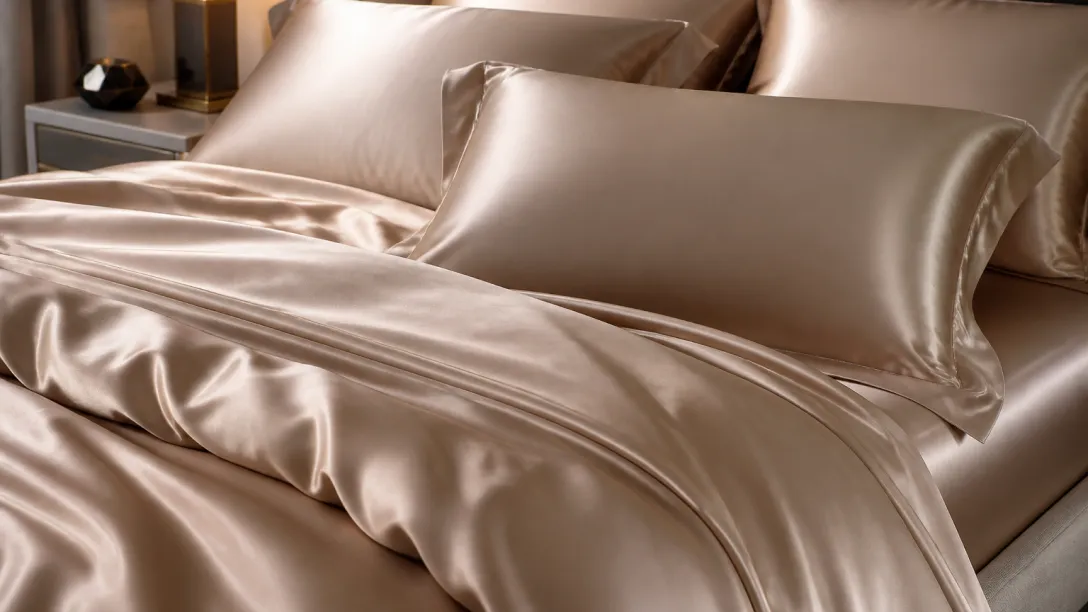
In home textiles, surface friction is the primary threat. Items like custom silk bedding and custom silk pillowcases endure continuous abrasion from human movement. Lower-grade silks, constructed from shorter filaments, possess microscopic fiber ends that protrude from the yarn. Under friction, these short fibers break loose and tangle, resulting in surface pilling. Grade 6A silk, utilizing continuous filaments measuring over a kilometer in length, offers zero exposed fiber ends within the yarn structure. The fabric remains perfectly smooth and pill-resistant even after years of continuous friction.
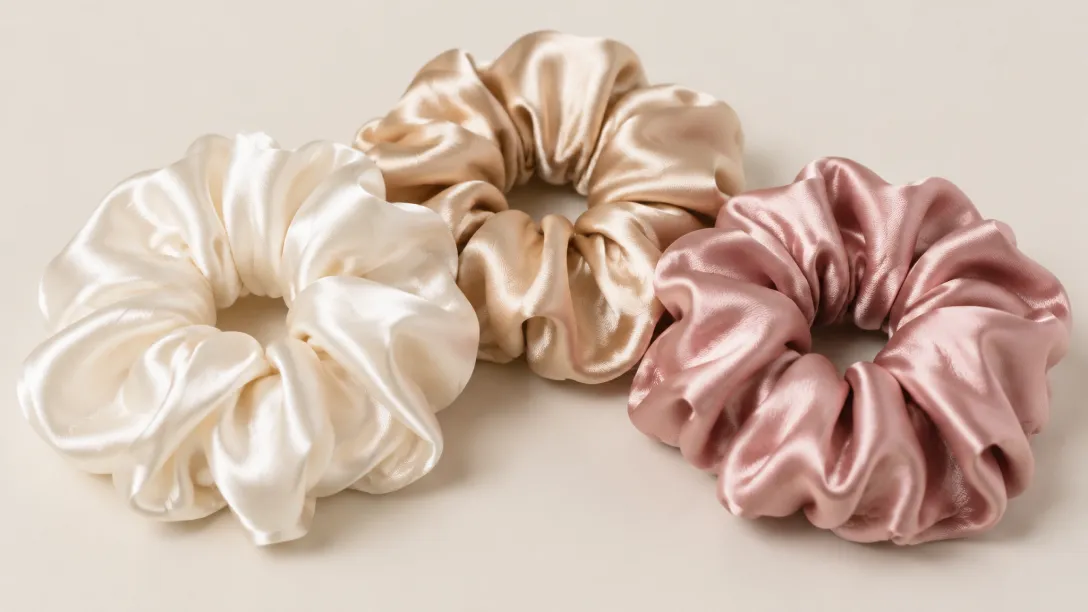
Hair accessories also demand high mechanical recovery. Items requiring constant stretching and contraction, such as custom silk scrunchies, benefit from the superior elongation and elasticity inherent in intact, premium fibroin structures. Inferior silk grades lose their structural memory rapidly under constant elastic tension.
7. Sourcing Verification and Factory Audits
Verifying raw material grade requires transparency in the supply chain. Visual inspection of finished fabric is insufficient to confirm a 6A classification definitively, as heavy chemical finishing can temporarily mask low-grade yarn defects. B2B buyers must establish verification protocols at the factory level.
Reputable manufacturers provide raw material testing reports from certified third-party laboratories. These documents confirm the lot-specific testing results for size deviation, neatness, and tenacity against the GB/T 1797-2008 standard. Additionally, physical tension testing on the warp yarns prior to weaving provides empirical data on filament strength. Procuring 6A silk requires partnering with facilities that maintain direct oversight of the reeling and weaving processes, eliminating the risks associated with blind spot sourcing on the open market. To request detailed material specifications or initiate a project audit, proceed to our contact portal for direct mill access.
FAQ
Grade 6A raw silk is the highest quality classification under the GB/T 1797-2008 standard. It indicates that the silk yarn has passed the most rigorous laboratory tests for size deviation, tensile strength, cleanness, and neatness. It is reeled from premium, unbroken cocoons, resulting in long, uniform filaments with exceptional durability and luster.