
Custom Silk Heatless Curlers: A B2B Guide to Construction, Filling, and Set Building


The heatless curler is the only product in a silk line whose entire job happens while the customer sleeps. Wrap, secure, wait eight hours, unwrap. That simplicity at the user's end hides a two-part engineering problem at the factory's end: a cover that must glide against hair without gripping it, wrapped around a filling that must hold a curve for eight hours without creasing the hair or collapsing permanently. Brands that spec only the cover get returns; the filling is where curl performance actually lives.
A production-ready custom silk heatless curler is defined by six decisions: cover fabric, filling density, rod diameter and length, securing method, set composition, and branding. The filling-to-curl mapping and the diameter-to-wave mapping are the two specifications competitors leave vague, and they are exactly where review scores are decided. This guide covers all six decisions with the numbers a factory needs to quote and sample against.
Why the Heatless Curler Earns Its Place in a Silk Line
Three forces keep this category growing. The no-heat styling movement gave the product a permanent audience rather than a trend spike; the overnight-use format makes silk's low-friction argument instantly legible to customers who already buy silk pillowcases; and the product's light weight and small carton make it one of the cheapest silk SKUs to ship and to bundle. A curler set — rod, two scrunchies, pouch — retails at $25–40 against a unit cost in low single digits, which is why it anchors so many gift sets and subscription boxes.
For existing silk brands, the curler is also the lowest-risk line extension: it uses the same charmeuse, the same dye lots, and the same silk scrunchie production line already running for other SKUs.
Anatomy: Cover, Filling, Closure
Every heatless curler is three specifications sewn into one tube.
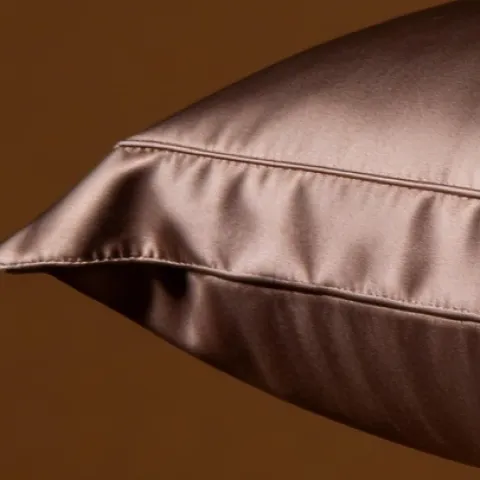
The cover is the marketing surface. Mulberry silk charmeuse is the premium standard — the glossy face lets hair slide during wrapping and release cleanly in the morning, which is the entire anti-frizz claim. Polyester satin copies the glide at roughly a third of the fabric cost and remains the right answer for promotional volumes and price-led channels. Most established brands run both: silk for the flagship, satin for the entry tier.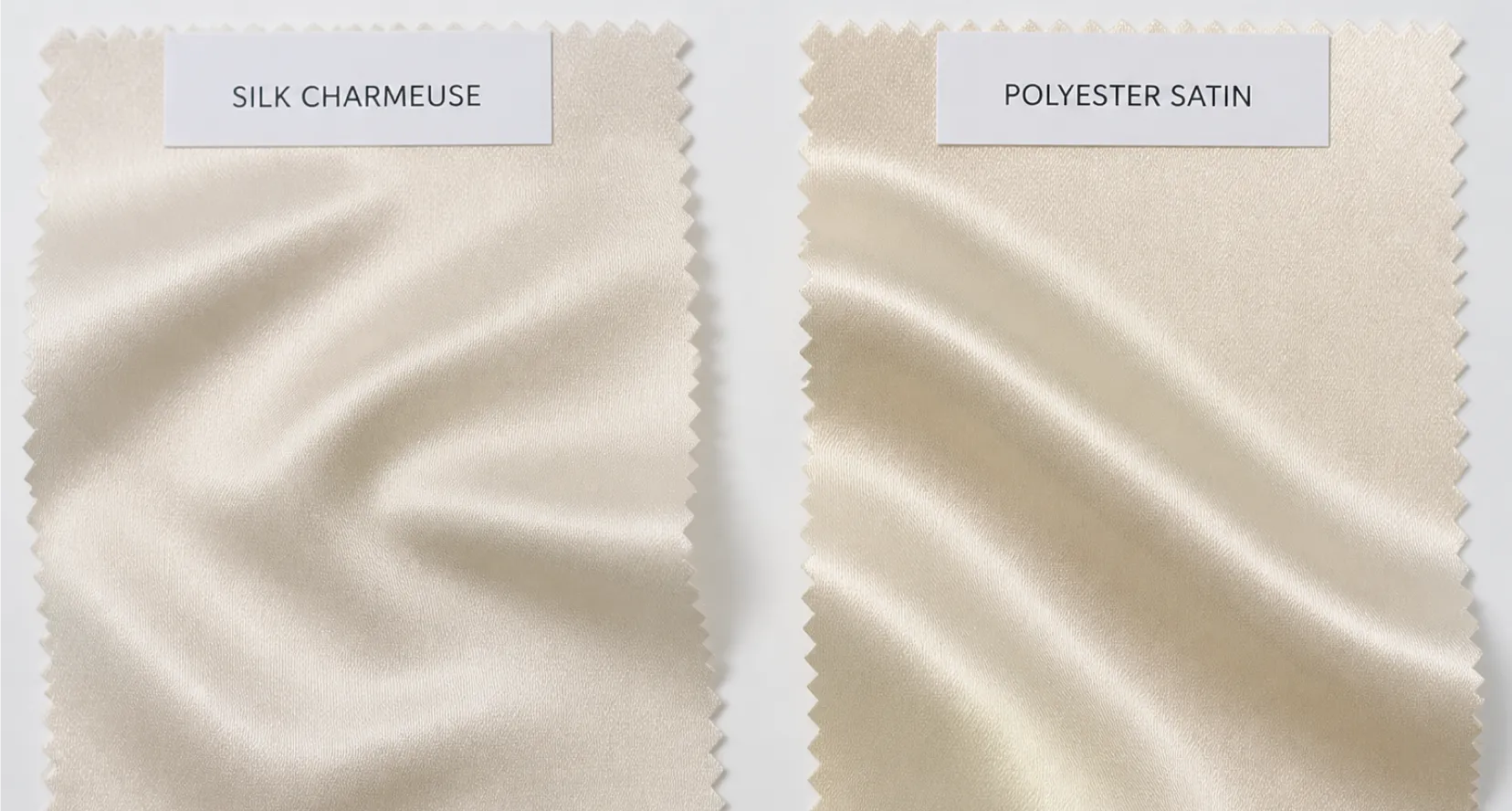
The filling is the performance surface. Foam density decides how firmly hair is held against the rod, and firmness decides the curl. The closure — how the two ends of the tube are finished — is the durability surface: end seams take the twist-and-pull stress of daily use, and a bar-tacked, fully enclosed end outlasts a simple turned hem by months.
Filling Density Maps to Curl Result
This is the specification that decides whether a customer gets the curls the product page promised, yet it is the one most briefs leave blank. The mapping is direct:
| Filling | Feel | Curl result | Best for |
|---|---|---|---|
| Soft foam | Light, easy to sleep on | Soft, loose waves | Fine or thin hair; comfort-first positioning |
| Medium-density foam | Balanced hold and comfort | Defined curls with overnight wear | The default; covers most retail customers |
| High-density foam | Firm rod | Tighter, more defined curls | Thick, heavy, or long hair |
Medium density is the correct default for a first SKU — it is the filling behind most best-selling retail curlers. The professional move is to request samples in all three densities and run a side-by-side overnight test before locking the spec; foam costs nearly nothing to change at sample stage and everything to change after a container ships. Filling consistency along the full rod length matters as much as density: a rod that is firm at one end and soft at the other produces uneven curls, so ask how the factory controls fill distribution — machine filling with weight checks per rod beats hand stuffing at scale.
Diameter and Length: The Two Numbers That Define the Product
Rod diameter sets the wave pattern; rod length sets which hair lengths the product serves. The commercial map:
| Diameter | Result | Positioning |
|---|---|---|
| 2–3 cm | Tighter curls, more definition | Short to medium hair; defined-curl marketing |
| 3–4 cm | Classic waves | The volume seller; suits the widest audience |
| 4–5 cm | Loose, beachy waves | Long hair; the "blowout look" positioning |
Standard retail rods run 85–95 cm long, which covers shoulder-length to long hair. Brands serving the extra-long-hair segment — a loyal and underserved niche — spec 100 cm+. Custom diameters and lengths are straightforward tooling-free changes at a cut-and-sew factory, so there is little reason to copy a competitor's dimensions instead of sizing for your own customer base. If the line will carry one rod, 3–4 cm at 90 cm is the safe center.
Silk and Satin: Run Both Tiers, One Order Cycle
The silk-versus-satin question is a channel decision, not a quality compromise. Silk charmeuse carries the hair-health claim — natural protein fiber, minimal friction, no overnight moisture strip — and justifies the $25+ retail tier. Satin serves marketplaces, promotions, and subscription boxes where landed cost rules. A capable factory produces both in the same order cycle on the same patterns, so a brand can launch a premium and a budget version under one label with one freight shipment. We ran exactly this dual-tier structure for a client launch — the Emille heatless curler case study shows how the tier split was specified.
The Set Is the Product
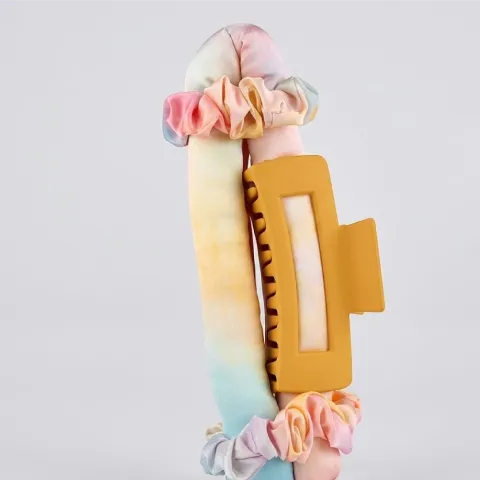
Almost no successful heatless curler sells as a bare rod. The standard retail set is rod plus two securing scrunchies plus a storage pouch; clips and an instruction card complete the premium version. Each element carries commercial weight:
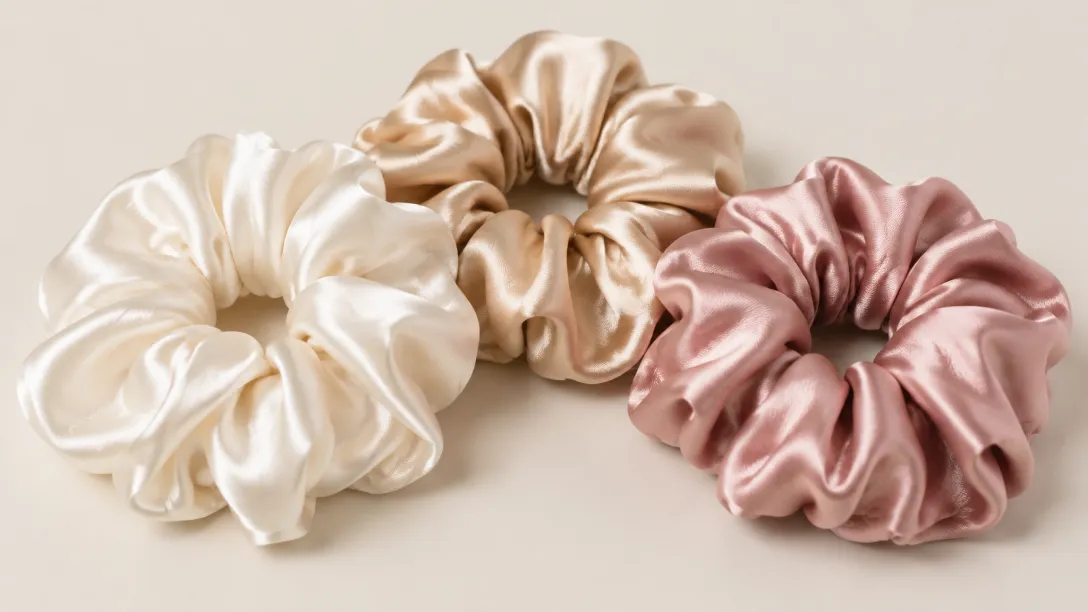
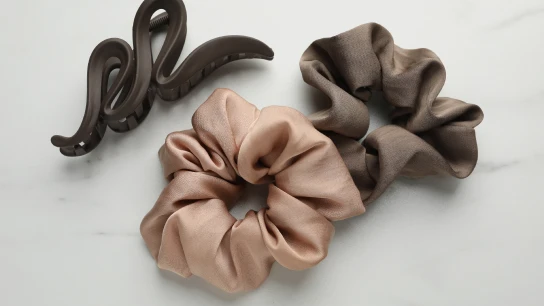
- Silk-covered scrunchies or clips secure the wrap. Silk covering matters — a bare elastic or metal clip against hair overnight undoes the product's own premise.
- The pouch turns a tube of foam into a giftable object and protects the silk in transit and retail handling.
- The instruction card is the cheapest review-management tool in the category. Curl results vary with hair type, wrap tension, and wear time; a card that says so in three steps prevents the "didn't work" one-star reviews that sink listings.
Producing the whole set in one factory keeps every silk component in the same dye lot — the curler, scrunchies, and pouch arrive in genuinely identical color, which is the detail customers photograph. The same logic powers our custom silk gift sets.
Branding and Packaging
The rod surface offers three branding positions: a woven label sewn into the end seam (most durable, survives washing), heat-transfer or printed logo on the satin tier (cost-efficient at volume), and embroidery on the pouch rather than the rod itself, where stitching would sit against hair. Packaging scales with channel — OPP for wholesale, branded box with insert for DTC and gift retail. Full structures are on our packaging options page.
MOQ, Timeline, and Sample Testing
The commercial frame at DreamSilk: MOQ of 50 pieces per style, custom samples before bulk, and production of 10–20 days after sample approval — curlers are small-format goods with shorter cycles than bedding. Treat the sample as a performance test, not a look test:
- The overnight test — wrap damp hair, sleep on it, unwrap. Judge curl formation, comfort, and whether the rod creased.
- The bend test — flex the rod sharply fifty times. Filling that kinks or stays bent will flatten in a customer's drawer within weeks.
- The end-seam pull — twist and tug both ends; the closure should show no gap or thread strain.
- The wash test — gentle-cycle wash and air-dry; check the cover for shrink distortion and the ends for fill migration.
- The set match check — hold curler, scrunchies, and pouch together under daylight; any shade drift will be obvious.
Five Heatless Curler Mistakes That Cost Brands Money
Leaving filling density out of the tech pack. The factory will choose for you, and it will choose the cheapest. Density is a curl-result specification — write it down.
Specifying silk for a $12 price point. Satin exists precisely for that tier; forcing silk into a budget price compresses margin until quality corners get cut elsewhere.
Selling the rod without securing accessories. An unsecured overnight wrap slips, and the review blames the product, not the missing scrunchies. The set is the product.
Skipping the instruction card. A two-dollar insert is cheaper than the returns and review damage from customers who wrapped dry hair loosely for two hours and expected ringlets.
Splitting the set across suppliers. A curler from one factory and scrunchies from another guarantees dye-lot mismatch in a product the customer holds side by side.
Start Your Custom Heatless Curler Project
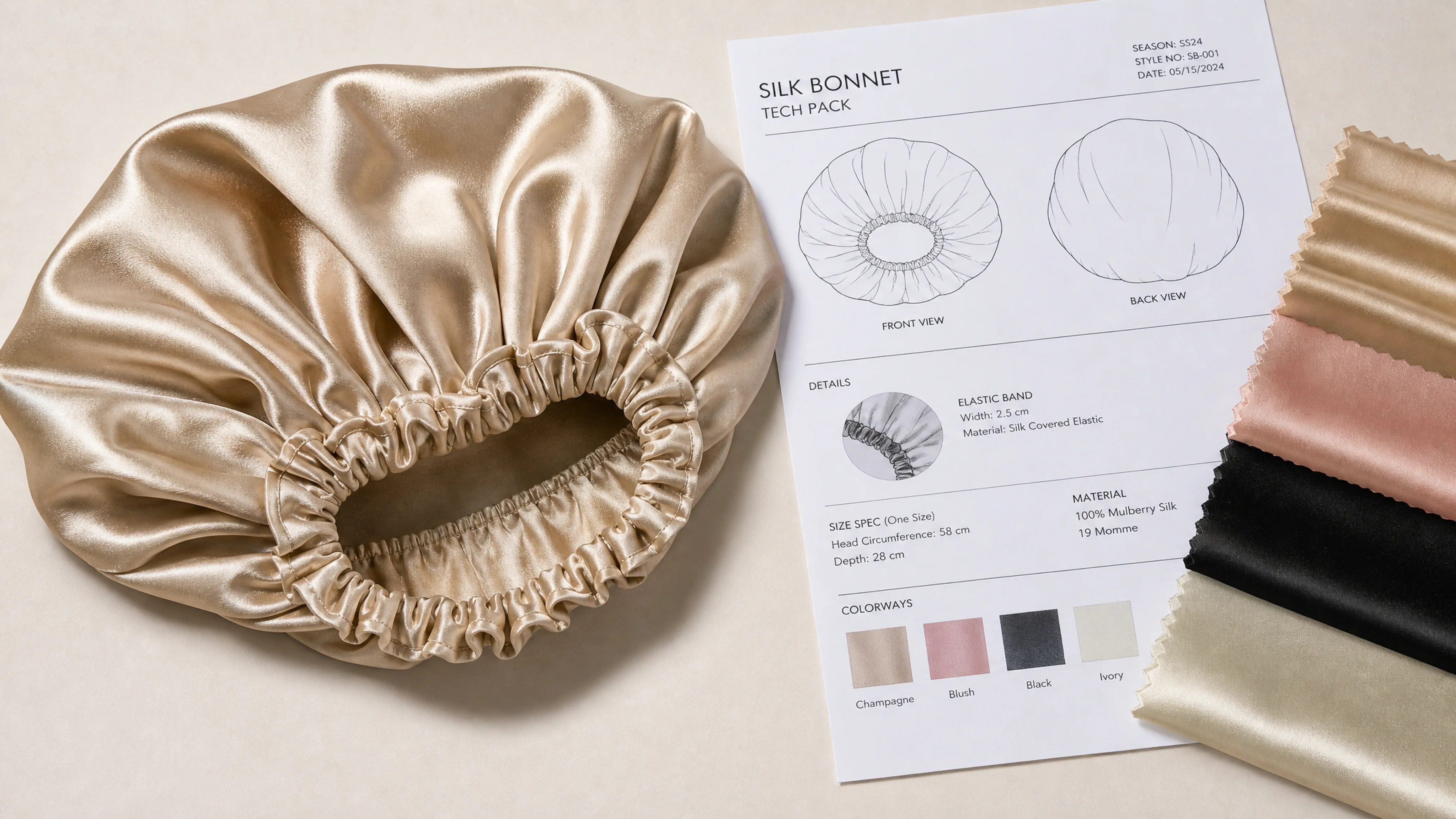
Six decisions — cover, filling, diameter, length, set composition, branding — turn a brief into a quotable spec. If the curler will launch beside a silk bonnet or scrunchie line, mention it at the brief stage so all pieces are cut from one dye lot; the bonnet manufacturing guide covers the matching logic.
See construction options on our custom silk heatless curler page, or send your brief — we reply within 24 hours with a quote and sample plan.
FAQ
Our MOQ is 50 pieces per style, covering both individual curlers and complete sets. A first order can mix silk and satin versions of the same design, since both run in the same production cycle on the same patterns.