

Custom Silk Pillowcases: A B2B Guide to Momme Weights, Stitching, and Quality Control


A silk pillowcase is the foundational SKU of a premium sleepwear or beauty line. The transition from a raw silk cocoon to a finished retail product requires precise technical control over fabric density, weave structure, and sewing techniques. Brands defining these parameters clearly during the briefing stage achieve consistent bulk production runs, fewer product defects, and highly predictable retail margins. This guide details the exact specifications required to source and manufacture custom silk pillowcases at scale, covering momme weight, closure design, fabric yield, and rigorous quality control protocols.
Anatomy of a Production-Ready Silk Pillowcase
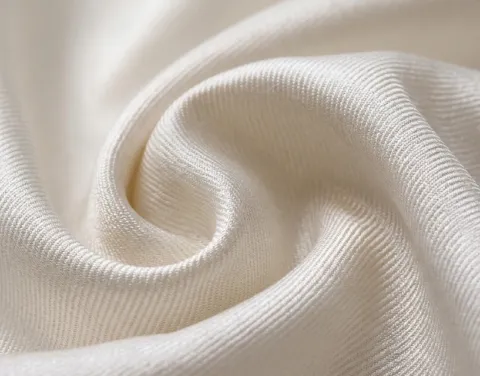
The material foundation dictates the entire product lifecycle. Mulberry silk serves as the standard fiber for premium commercial applications. It is spun by Bombyx mori silkworms fed exclusively on a diet of mulberry leaves. The resulting fiber is exceptionally long, uniform, and white, making it optimal for the charmeuse weaving process.
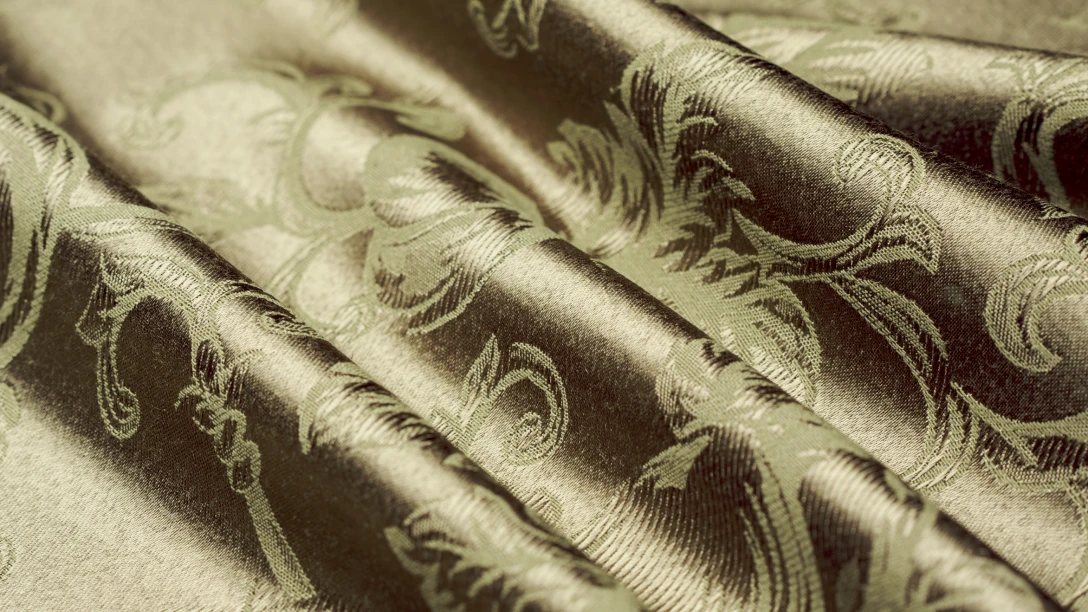
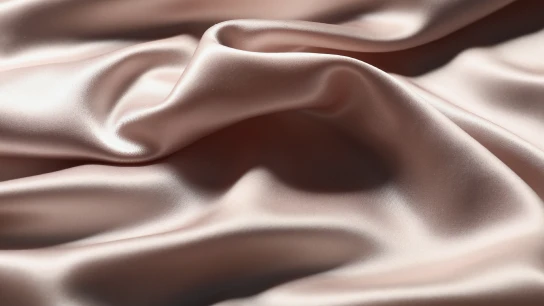
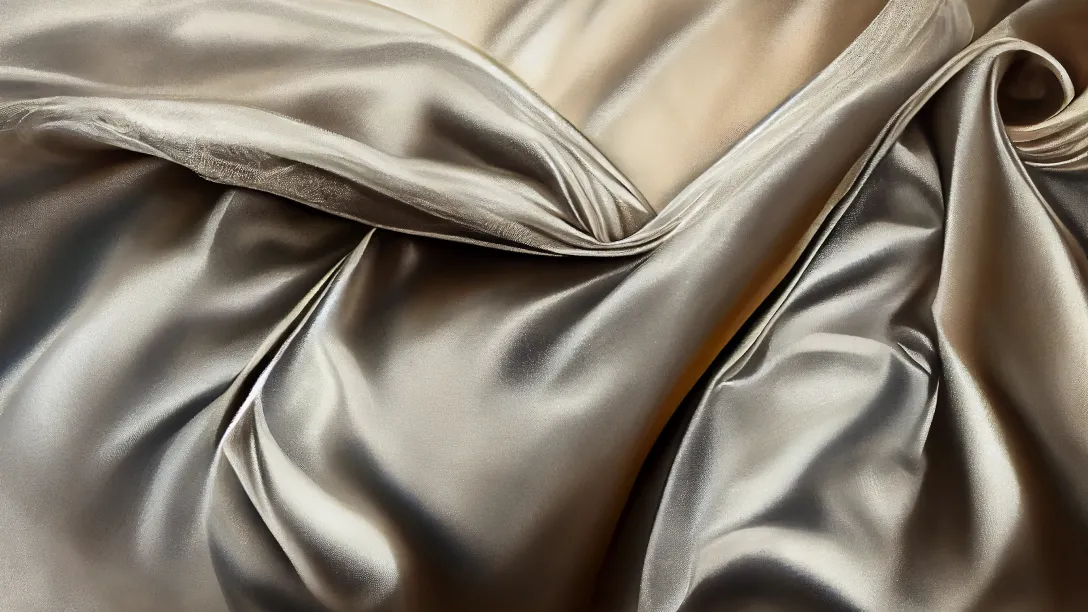
Charmeuse is a warp-dominated weaving technique producing a high-luster front surface alongside a matte crepe back. The smooth front provides the low-friction surface that prevents hair breakage and skin creasing. This specific mechanical property forms the core functional claim for the end consumer. Establishing a reliable supply chain requires specifying the exact grade of this material.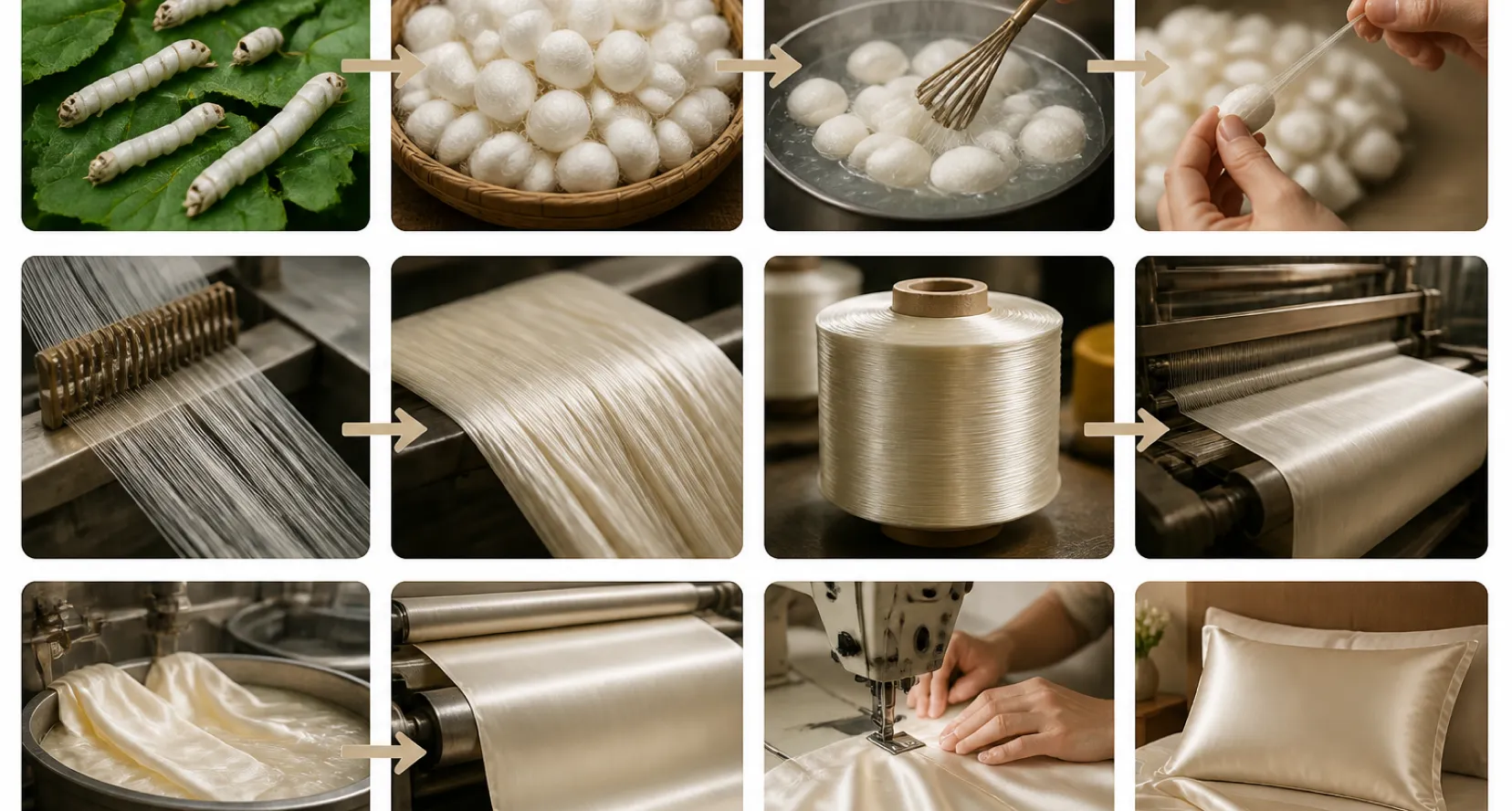
Fiber Grade Specification
Grade 6A represents the highest commercial tier in the silk industry. It classifies the longest, most uniform continuous silk threads featuring the lowest natural defect rate. Lower grades, including 5A or 4A, contain shorter, broken fibers that weaken the textile and reduce surface sheen after multiple wash cycles. A professional production tech pack must explicitly demand 100% Grade 6A mulberry silk charmeuse to guarantee performance. Blended fabrics or synthetic satins drastically alter the thermal regulation and moisture-wicking properties expected from a premium product.
Momme Weight Specifications and Market Positioning
Momme (mm) measures silk density. It is defined as the weight in pounds of a piece of silk 45 inches wide and 100 yards long. In metric terms, one momme equals approximately 4.34 grams per square meter (g/m²). This metric correlates directly with durability, opacity, and unit cost. Selecting the appropriate momme weight aligns the pillowcase perfectly with its intended retail tier.
| Momme Weight | Metric Equivalent | Fabric Characteristics | Best Retail Application |
|---|---|---|---|
| 19 mm | ~82 g/m² | Lightweight, highly breathable, smooth drape | Entry-level premium, subscription boxes, promotional items |
| 22 mm | ~95 g/m² | Substantial drape, highly durable, excellent wash retention | The industry standard, core SKU for DTC brands |
| 25 mm | ~108 g/m² | Heavyweight, dense weave, maximum longevity | High-end luxury collections, premium gifting |
| 30 mm | ~130 g/m² | Ultra-dense, stiff initial hand feel, unmatched durability | Niche ultra-luxury markets |
The 22 momme specification represents the volume center of the B2B market. It contains roughly 16% more silk than a 19 momme fabric. This density increase significantly improves seam strength and surface integrity after repeated washing, avoiding the steep material cost curve associated with 25 momme. Brands building a long-term hero SKU default to 22 momme. The 19 momme weight serves price-sensitive channels. The 25 momme supports top-tier luxury positioning.
Closure Engineering: Zippers versus Envelopes
The closure mechanism affects both the manufacturing complexity and the user experience. Tech packs typically specify one of three primary closure types.
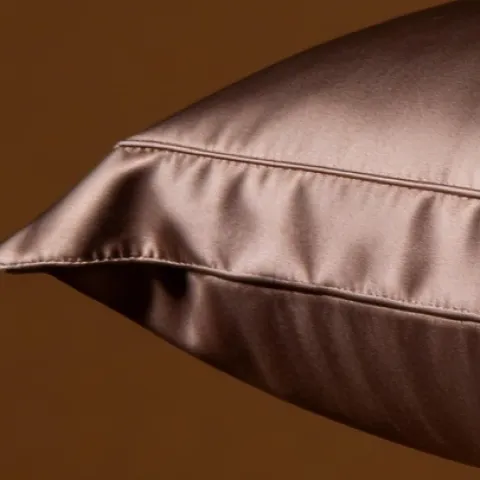
The Hidden Zipper is the most requested specification globally. An invisible zipper is sewn directly into the side seam, allowing the pillow to be fully encased. This prevents the pillow from slipping out during the night and provides a clean, modern aesthetic. Manufacturing a hidden zipper requires precise seam allowances and minimum stitch densities—typically 5 stitches per centimeter—to prevent the delicate silk fibers from fraying under tension. The ends of the zipper require bar-tacking to secure the slider permanently.
The Envelope Closure utilizes an overlapping flap of fabric at the open end. This design eliminates hard hardware, maximizing comfort for users who sleep near the edge of the pillow. It sews faster on the production line, slightly reducing labor costs. It requires more linear fabric to create the deep interior flap. A standard envelope flap measures 18 to 22 cm deep; shallower flaps fail to retain the pillow adequately.
The Oxford Closure, sometimes called a flanged edge, features a decorative fabric border—typically 5 cm wide—around the entire perimeter, backed by an envelope opening. This style demands the highest fabric consumption and labor time, placing it strictly in the luxury bedding category.
Dimensional Standards and Fabric Yield
Pillow dimensions vary by geographic region. Specifying correct dimensions prevents fit issues and negative consumer reviews. Standard dimensions include:
- Standard (US): 51 x 66 cm (20 x 26 inches)
- Queen (US): 51 x 76 cm (20 x 30 inches)
- King (US): 51 x 91 cm (20 x 36 inches)
- Square (EU): 65 x 65 cm (26 x 26 inches)
Many brands streamline their initial inventory by offering a single 'Standard/Queen' size at 51 x 76 cm, accommodating the vast majority of consumer pillows. Custom sizing requires only a pattern adjustment at the digital cutting stage, involving zero tooling costs.
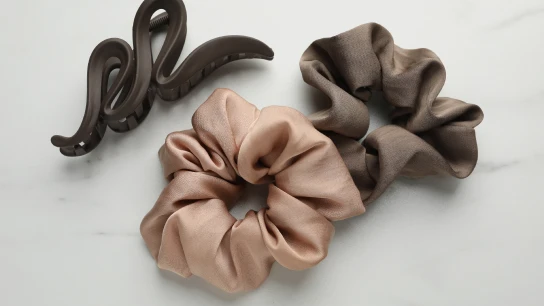
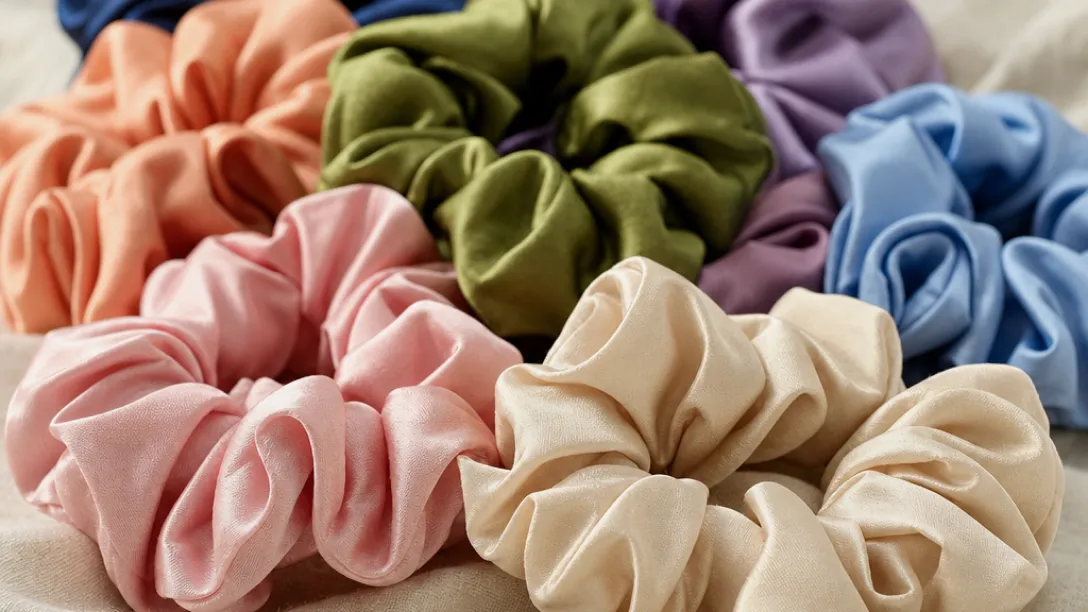
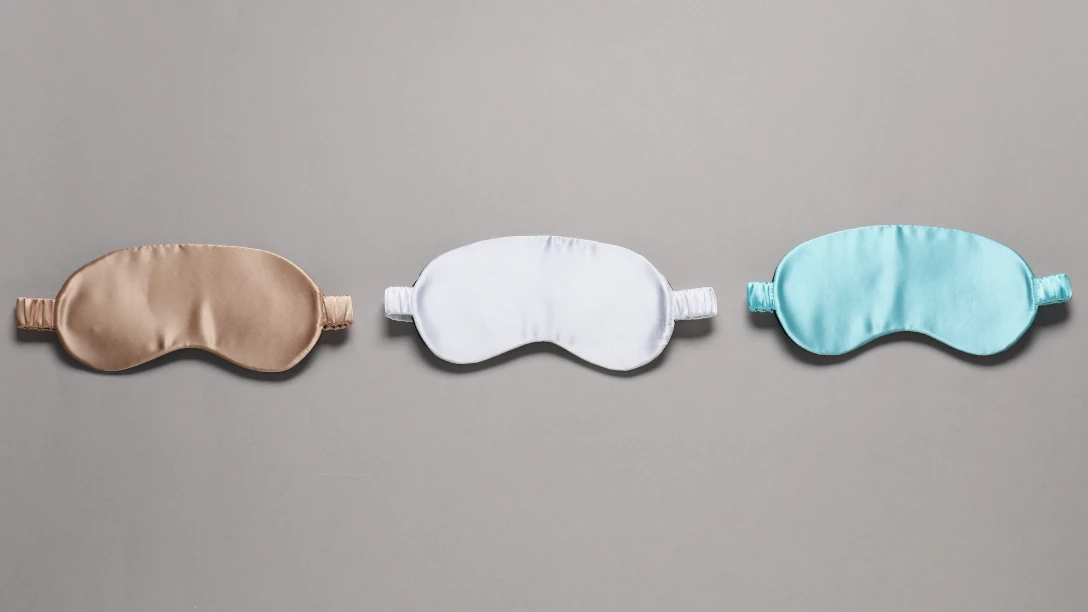
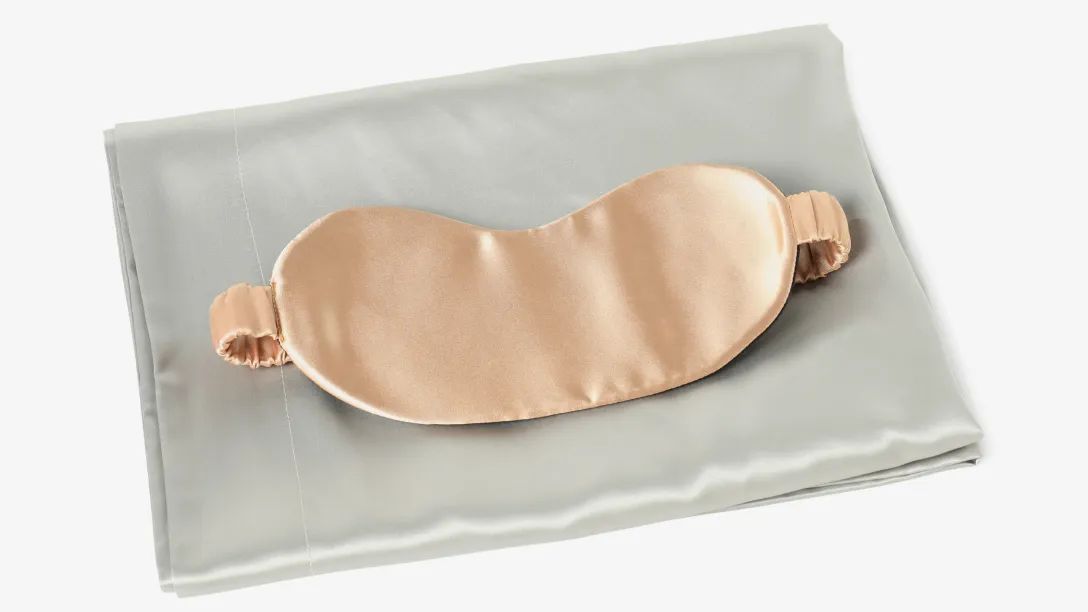
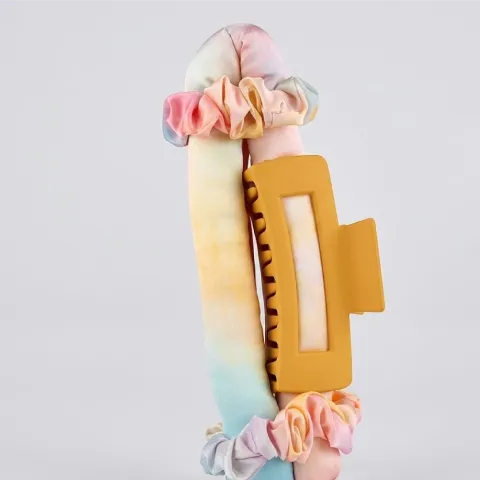
The unit cost of a silk pillowcase breaks down into fabric consumption, labor, and packaging. Fabric represents 70-80% of the raw material cost. Standard silk rolls arrive in widths of 114 cm, 140 cm, or 280 cm. Calculating the most efficient nesting pattern to cut the required dimensions from these rolls reduces waste. Capable production lines repurpose unavoidable fabric offcuts into smaller items. This lowers overall material waste and allows brands to source matching accessories economically, such as a coordinating silk scrunchie or a silk sleep mask.
Dyeing, Color Fastness, and OEKO-TEX Compliance
Color consistency across production batches is a critical metric for B2B buyers. The dyeing process for silk charmeuse utilizes acid dyes, bonding effectively with the protein structure of the silk fiber. Tech packs define colors using the Pantone Matching System (PMS) for textiles (TCX or TPX codes). Color fastness is measured on a scale of 1 to 5. High-quality production demands a color fastness rating of 4 or higher for both washing and rubbing. This ensures dark colors, like navy or black, do not bleed onto light-colored bed sheets.
Consumers apply sleep accessories directly to their skin for eight hours a night. The OEKO-TEX Standard 100 certification is a non-negotiable requirement for premium markets. This independent certification verifies the fabric, dyes, and sewing threads are completely free from harmful substances, including heavy metals, toxic dyes, and formaldehyde. Manufacturing facilities must hold current OEKO-TEX documentation to support retail health and safety claims.
Custom Branding and Packaging Integration
Product branding occurs at three levels. Woven labels sewn into the interior seam provide mandatory care instructions and fiber content declarations (e.g., "100% Mulberry Silk"). Logo embroidery offers a premium finish, typically placed in the bottom right corner of the pillowcase. Embroidery requires a backing stabilizer during production to prevent fabric puckering, which operators carefully remove afterward.
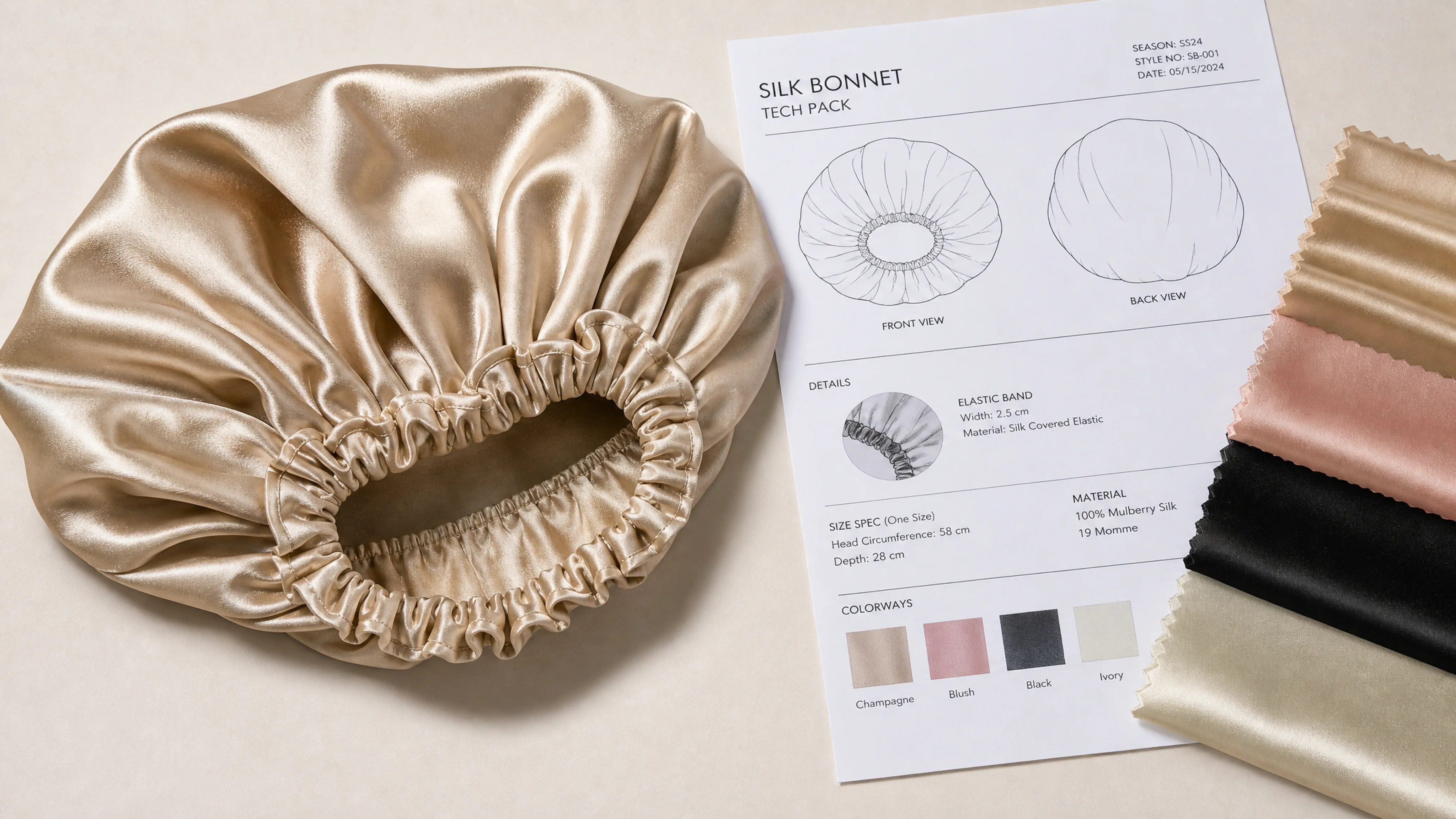
Packaging dictates the final unboxing experience. OPP bags (polybags) offer cost-efficient protection for wholesale distribution. Magnetic closure rigid boxes or foil-stamped envelope cartons support DTC retail channels. Bundling the pillowcase alongside a silk bonnet into a custom silk gift set consistently increases the average order value for e-commerce brands.
Quality Control Protocols for Bulk Production
Verifying bulk production against the approved sample requires specific testing protocols. Professional procurement teams mandate the following checks:
- Fabric Weight Testing: A GSM circular cutter extracts a fabric sample to verify the momme weight falls within the ±3% industry tolerance.
- Burn Test: Pure silk burns slowly, smells like burning hair, and leaves a crushable black ash. This confirms the absence of polyester blending.
- Stitch Density: Inspectors count the stitches per centimeter along high-stress seams, specifically near the zipper endpoints. A minimum of 5 stitches per centimeter ensures longevity.
- Visual Inspection: Operators check the fabric face under specialized lighting to detect loom tension streaks, dye spots, or yarn flaws before final folding.
Three Specification Failures That Hurt Retail Margins
Inadequate envelope flaps. Specifying a flap depth under 18 cm saves minor fabric costs. It results in pillows slipping out during use, driving up return rates and damaging brand reputation.
Ignoring seam allowances. Charmeuse is highly prone to fraying at raw edges. Tech packs must specify overlocked interior seams or French seams to prevent structural failure during domestic machine washing.
Over-specifying momme for the wrong channel. Using 25 momme silk for a promotional giveaway destroys profit margins. The material cost difference between 19 and 25 momme is substantial. Align the fabric density precisely with the final retail price point.
Start Your Custom Silk Pillowcase Project
Locking in the momme weight, dimensions, and closure style enables an accurate, binding production quote. The standard Minimum Order Quantity (MOQ) for custom silk pillowcases sits at 50 to 100 pieces per color, allowing brands to test new colorways without heavy inventory risk. Sample production typically takes 7 to 10 days, followed by 15 to 25 days for bulk manufacturing. Contact our team with your dimensional requirements and target volume to initiate the sampling process.
FAQ
The standard minimum order quantity is 50 to 100 pieces per color or printed design. This volume allows for custom sizing, closure selection, and branded labels while keeping initial inventory costs manageable for new product launches.