

Navigating OEKO-TEX Standard 100 in Bulk Silk Procurement: What Brands Must Know


Procuring silk textiles at a commercial scale requires rigorous chemical compliance management. As consumer protection laws tighten globally, B2B buyers face increasing liability regarding the ecological and toxicological safety of their imported goods. The OEKO-TEX Standard 100 certification serves as the definitive benchmark for textile safety, providing empirical proof that a product is free from harmful substances. However, sourcing from an OEKO-TEX silk manufacturer involves more than simply requesting a certificate. Buyers must understand the testing parameters, the product classification system, and the boundaries of certification scope to ensure true compliance across their supply chain.
1. The Architecture of OEKO-TEX Standard 100 in Textiles
The OEKO-TEX Standard 100 is an independent, globally standardized testing and certification system for raw, semi-finished, and finished textile products at all processing levels. The testing methodology relies on advanced laboratory techniques, including gas chromatography and mass spectrometry, to detect trace amounts of restricted chemicals. The standard is updated annually to align with new scientific data, toxicology reports, and international statutory requirements.
OEKO-TEX Standard 100 operates on a strict limit value system that evaluates textiles across four distinct Product Classes based on their intended use and skin contact:
- Product Class I: Textiles and materials for babies and toddlers up to 36 months. This class carries the most stringent limit values, particularly regarding formaldehyde and heavy metals.
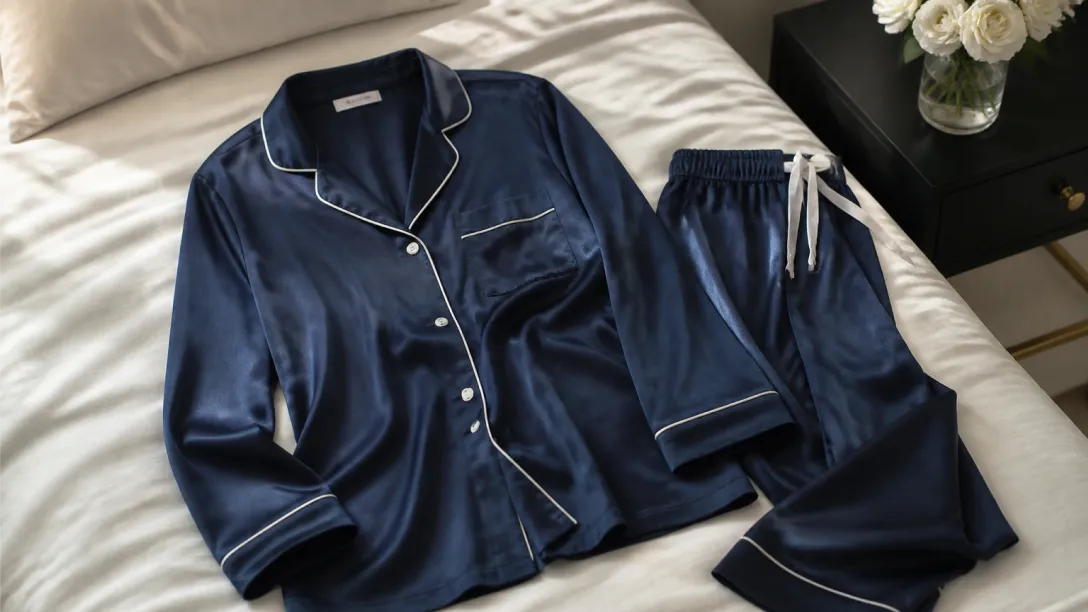
- Product Class II: Textiles that come into direct contact with the skin over a large surface area. This covers the vast majority of silk apparel, including custom silk clothing, custom silk pajamas, shirts, blouses, and intimate wear.
- Product Class III: Textiles with no or minimal direct skin contact, such as outerwear, jackets, and coats.
- Product Class IV: Furnishing materials intended for interior decoration, including curtains, table linen, and upholstery fabrics.
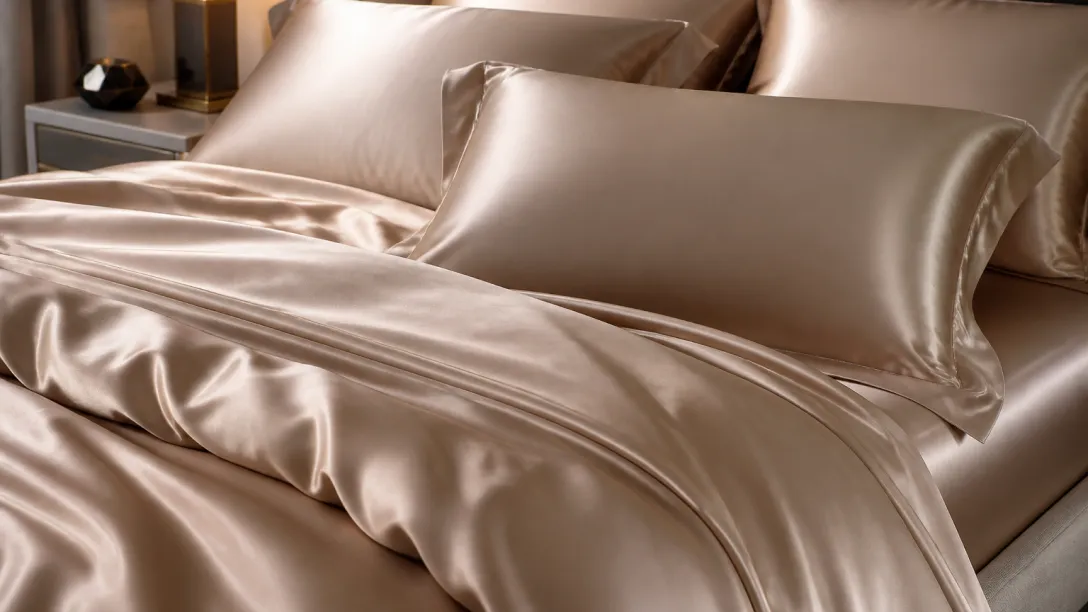
When assessing a certified silk supplier, buyers must verify the specific Product Class listed on the certificate. A supplier holding a Class IV certificate for decorative fabrics is not authorized to claim compliance for Class II intimate apparel. Silk bedding programs, such as custom silk bedding, mandate Class II certification due to the prolonged, large-area skin contact occurring during sleep.
2. Chemical Vulnerabilities in Silk Processing
Silk is a natural protein fiber, but transforming raw silk into commercial fabric involves intensive chemical processing. Each stage of the manufacturing sequence introduces potential toxicological risks if poorly managed by the facility.
Degumming and Bleaching: Raw silk contains sericin, a natural protective gum that must be removed through boiling in alkaline solutions. Unregulated mills often use harsh chemical surfactants and industrial optical brighteners during this phase to accelerate the process and whiten the yarn rapidly. Residues from these uncertified agents frequently trigger skin irritation, disrupt the fabric's natural pH, and fail OEKO-TEX pH value requirements.
Dyeing and Printing: Silk exhibits high affinity for acid and reactive dyes. Uncertified dyes represent the highest risk factor in the silk supply chain. Substandard dyes may contain cleavable arylamines (azo dyes), which are highly carcinogenic and strictly banned in major markets. Furthermore, fixing agents used to improve colorfastness can introduce heavy metals like antimony, cadmium, arsenic, and lead. The OEKO-TEX Standard 100 strictly limits extractable heavy metals, ensuring that human perspiration does not leach toxins from the dyed silk matrix.
Finishing Agents: Commercial silk often undergoes chemical finishing to enhance dimensional stability, alter drape, or improve crease resistance. Formaldehyde-based cross-linking agents are historically common in textile finishing. OEKO-TEX mandates extraordinarily low formaldehyde limits (often undetectable or under 16 ppm for Class I and II), forcing certified mills to utilize advanced, formaldehyde-free finishing compounds.
3. Fabric vs. Finished Product Certification Scope
A frequent error in B2B procurement is assuming that purchasing certified fabric automatically yields a certified finished product. OEKO-TEX operates on a modular, component-based system. If a factory cuts and sews an OEKO-TEX certified silk fabric using uncertified polyester sewing thread, uncertified care labels, or uncertified elastic bands, the final garment cannot legally bear the OEKO-TEX Standard 100 label.
To market a finished product under the OEKO-TEX trademark, every single component must pass testing. This includes the main silk fabric, lining, sewing threads, zippers, buttons, interlining, and woven labels. Buyers have two pathways for compliance:
- Source exclusively from fully certified vertical manufacturers: Partner with a factory that holds an OEKO-TEX certificate for the finished article category (e.g., "Silk Sleepwear and Accessories"). These facilities manage the compliance of all sub-components internally and submit the entire finished garment for testing.
- Modular sourcing: The buyer coordinates a fragmented supply chain where the fabric mill, the thread supplier, and the trim supplier all hold valid OEKO-TEX certificates for their specific components. The assembly factory then applies for a composite certification based on the pre-certified inputs.
For brands scaling their operations, relying on a vertically integrated supplier that already holds finished-product certification reduces administrative overhead, accelerates time-to-market, and mitigates the risk of a single trim supplier failing a random audit and bottlenecking the entire production line.
4. Verifying an OEKO-TEX Silk Manufacturer
The OEKO-TEX database is transparent and publicly accessible. B2B buyers must implement strict verification protocols before authorizing bulk production and wiring deposits.
First, request the physical certificate from the supplier. The document must display a unique certificate number, the testing institute, and an expiration date. OEKO-TEX certificates are valid for exactly 12 months and require annual renewal. An expired certificate provides zero legal protection and zero compliance assurance.
Second, verify the certificate number using the official OEKO-TEX Label Check portal on their website. The digital record will output the precise scope of the certification. Examine the scope description carefully. If the scope lists "100% Silk Woven Fabric, Undyed," the supplier is not certified to sell dyed or printed silk fabric under that specific certificate. The scope must perfectly match the product being procured.
Third, confirm the manufacturer's name. Trading companies frequently present certificates belonging to their sub-contracted mills. While this proves the fabric itself is certified, it exposes the buyer to supply chain instability if the trader switches mills mid-production without disclosure. Direct engagement with the certificate holder ensures traceability and accountability.
5. Regulatory Overlap: REACH, CPSIA, and GB 18401
Procurement directors leverage OEKO-TEX Standard 100 to streamline global regulatory compliance. The limit values enforced by OEKO-TEX systematically meet or exceed the requirements of major international consumer protection laws.
EU REACH: The European Union's REACH regulation restricts substances of very high concern (SVHC). The OEKO-TEX restricted substances list (RSL) incorporates Annex XVII of REACH completely. Sourcing OEKO-TEX certified silk effectively guarantees REACH compliance, facilitating frictionless customs clearance and avoiding impoundment in the European Economic Area.
US CPSIA: The Consumer Product Safety Improvement Act strictly limits lead and phthalates in children's products. OEKO-TEX Class I certification aligns with these mandates, providing the necessary testing documentation for US import authorities.
China GB 18401: China's National General Safety Technical Code for Textile Products mandates specific pH values, formaldehyde limits, and colorfastness ratings. OEKO-TEX standards cover these parameters comprehensively, ensuring domestic compliance for brands retailing within mainland China.
6. Supply Chain Economics and Sourcing Strategy
Maintaining OEKO-TEX certification incurs significant laboratory testing fees, auditing expenses, and administrative costs for the manufacturer. Consequently, certified silk generally commands a slight price premium over uncertified alternatives. However, this premium acts as a direct insurance policy against catastrophic financial losses.
A single shipping container rejected at customs due to banned azo dyes, or a forced retail recall due to formaldehyde detection, inflicts massive financial damage and destroys brand equity. Furthermore, major retail platforms, department stores, and boutique marketplaces increasingly mandate OEKO-TEX certification as a non-negotiable prerequisite for vendor onboarding. Sourcing certified material is a fundamental requirement for distribution expansion.
To optimize costs, buyers should consolidate their purchasing with suppliers holding broad certificate scopes. A supplier certified for "100% Silk Woven Fabric, Piece-Dyed and Printed" can supply multiple product lines under one compliance umbrella, reducing the need to audit multiple separate vendors and streamlining the purchasing department's workload.
7. Integrating Compliance with DreamSilk
Establishing a compliant supply chain requires selecting manufacturing partners who treat chemical safety as a core operational metric rather than a secondary concern. DreamSilk maintains strict adherence to ecological limit values throughout our reeling, dyeing, and finishing processes. We utilize certified eco-friendly acid and reactive dyes and implement rigorous craft and quality control protocols to ensure our silk textiles meet international safety parameters consistently.
For brands requiring verified, traceable supply chains for high-volume procurement, we provide complete documentation mapping our material inputs against global standards. You can review our compliance frameworks and testing methodologies on our certifications page. To discuss specific testing parameters, Product Class requirements, or to initiate a secure bulk order, proceed to our contact portal for direct factory support.
FAQ
OEKO-TEX Standard 100 is an independent, globally recognized testing and certification system for textile products. It ensures that the tested textiles are free from harmful levels of toxic substances, including azo dyes, heavy metals, formaldehyde, and pesticides, protecting consumer health and ensuring regulatory compliance.