Silk Viscose Velvet
The industry-standard silk velvet construction: silk georgette base with viscose pile. Rich luster, deep color absorption, plush hand feel. The base for burnout (devore) velvet, plain dyed velvet, and printed velvet.


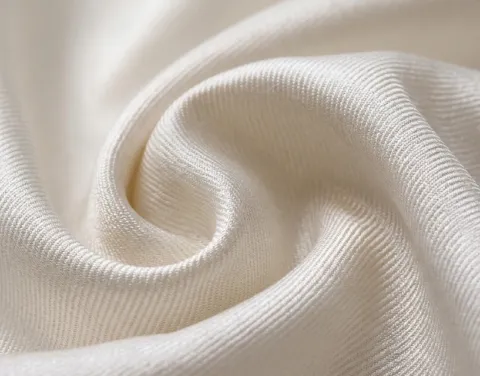
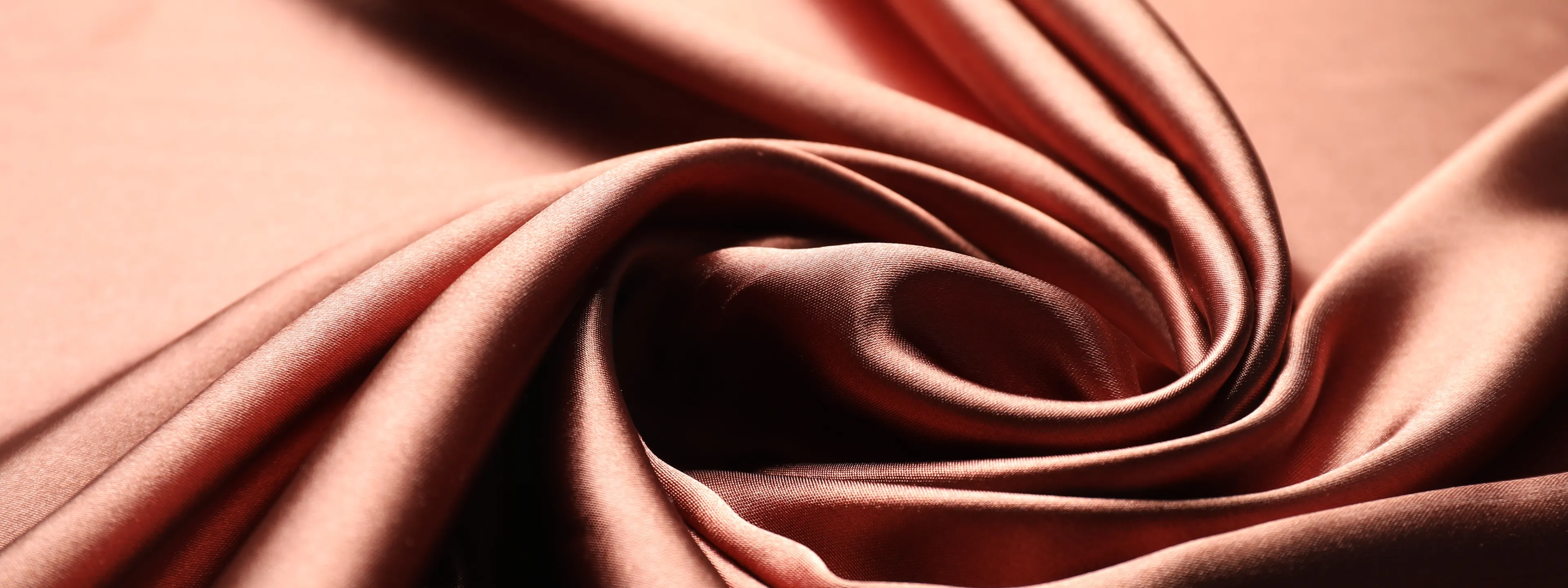
DreamSilk produces silk viscose blend fabric. Viscose (rayon) adds softness, color depth, and affordability to silk. The most common application: silk viscose velvet, where silk forms the base and viscose creates the plush pile.
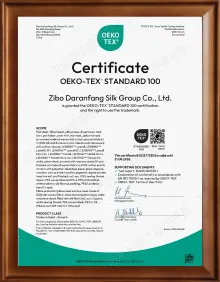
Wholesale by the meter. Custom dyeing. OEKO-TEX® certified. Free samples.
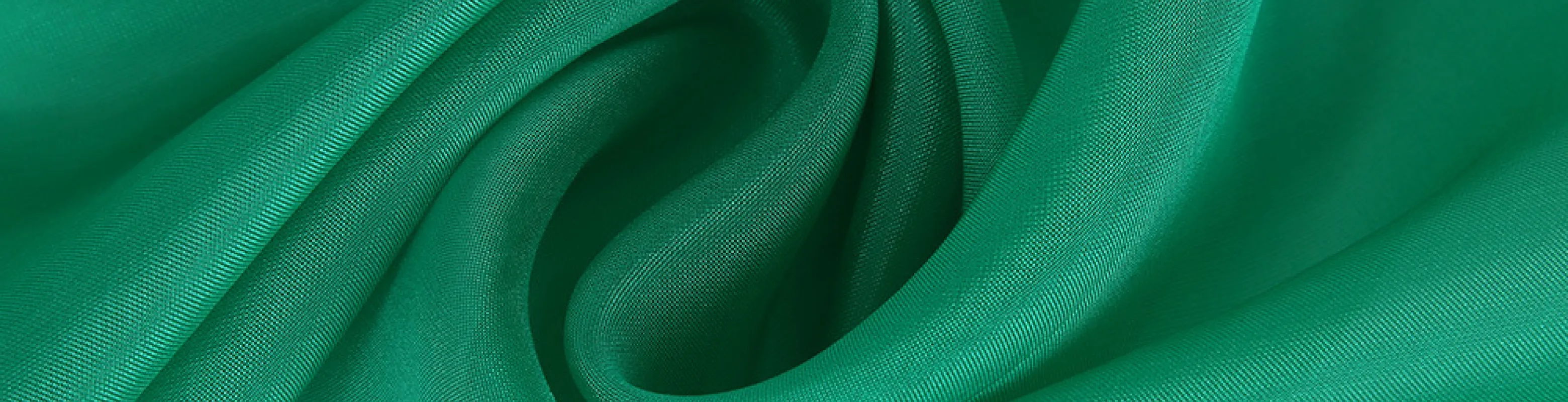
| Type | Blend Ratio | Weight | Width | Character | Common Uses |
|---|---|---|---|---|---|
| Silk Viscose Velvet | 18% Silk / 82% Viscose | 180–200 GSM | 114 / 140 cm | Plush pile, lustrous | Apparel, dresses, upholstery, scarves |
| Viscose Raw Silk | 30–50% Silk / 50–70% Viscose | 80–120 GSM | 114 / 140 cm | Textured, matte, affordable | Casual garments, scarves |
| Silk Viscose Satin | 40–60% Silk / 40–60% Viscose | 90–130 GSM | 114 / 140 cm | Soft sheen, fluid drape | Dresses, blouses, linings |
The industry-standard silk velvet construction: silk georgette base with viscose pile. Rich luster, deep color absorption, plush hand feel. The base for burnout (devore) velvet, plain dyed velvet, and printed velvet.
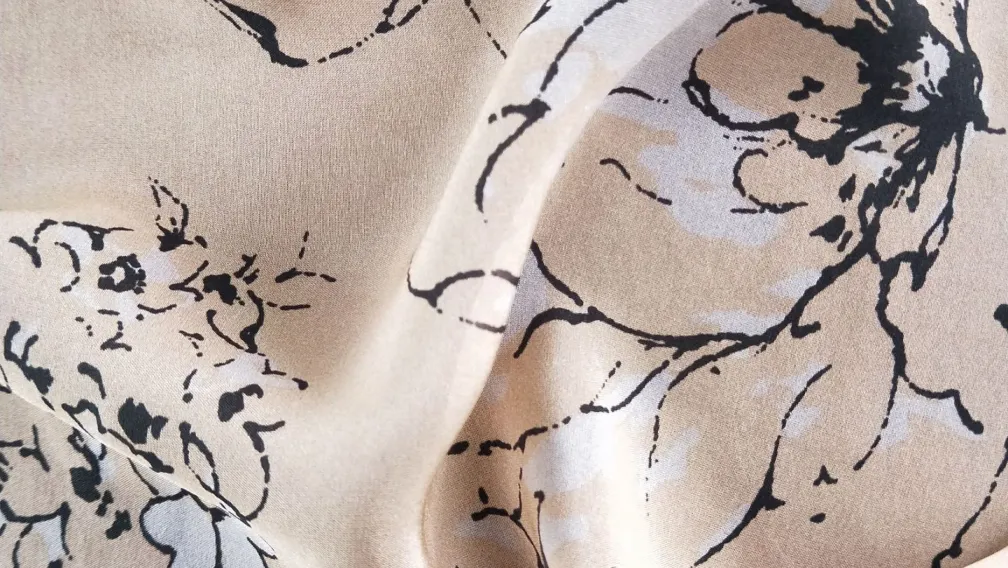
A textured, matte blend that mimics the look of raw silk at a lower cost. Viscose adds drape while silk contributes subtle sheen. Popular for casual garments and affordable silk-look products.
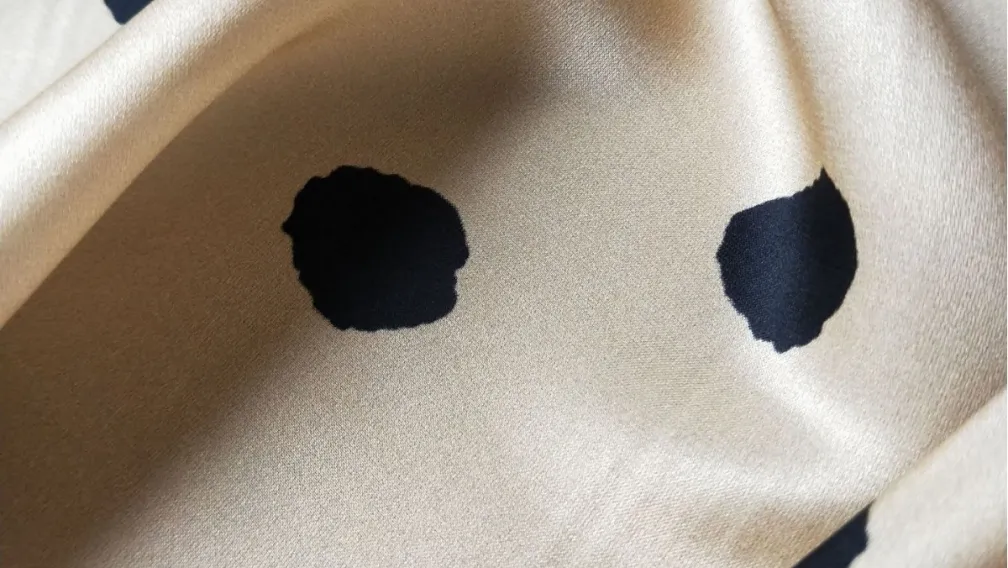
Smooth, fluid satin blend with viscose softness and silk luster. Lighter and more affordable than pure silk satin. Works for dresses, blouses, and lining applications.
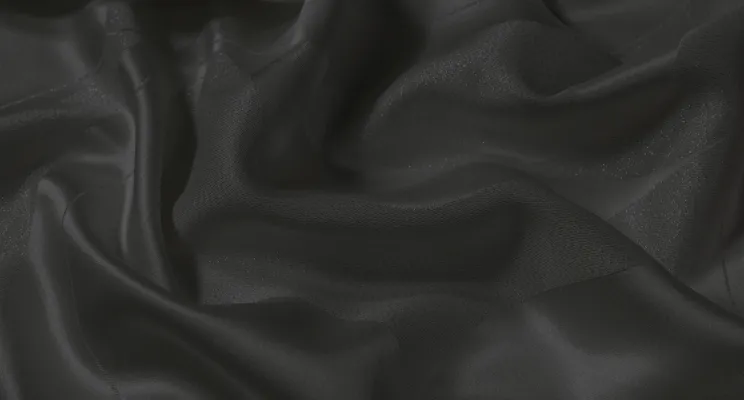
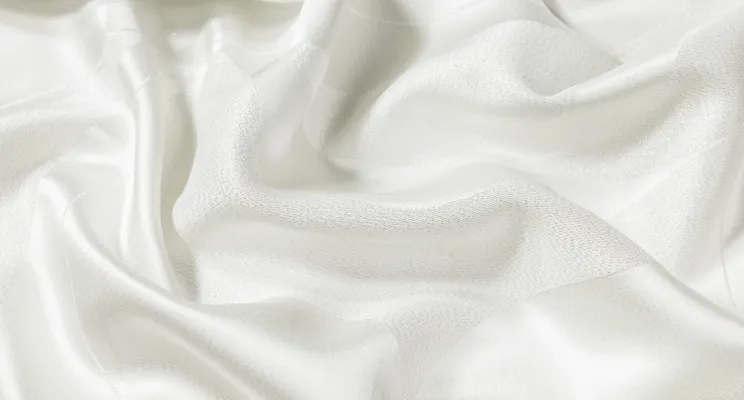
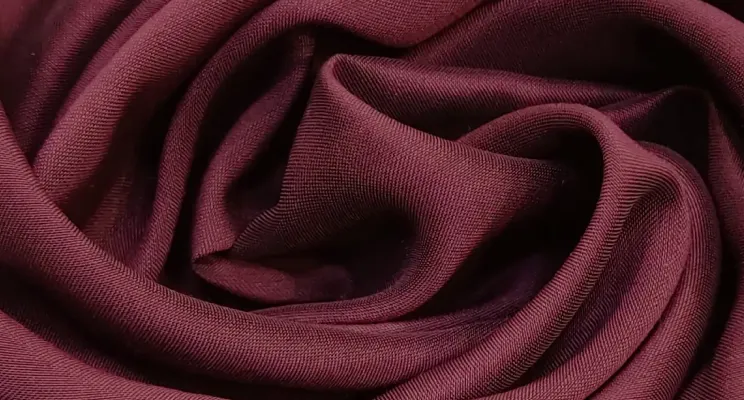
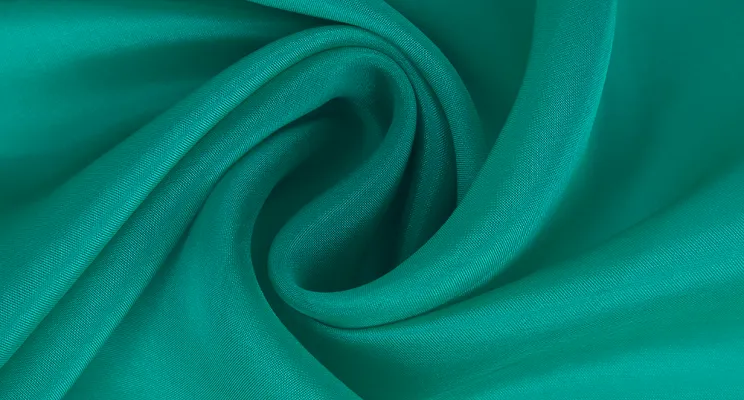
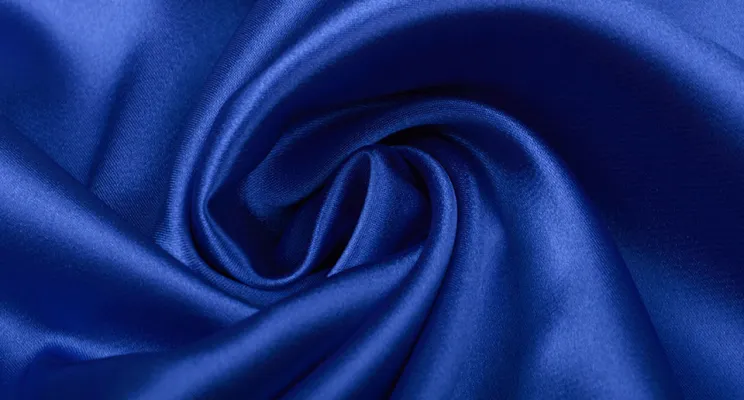
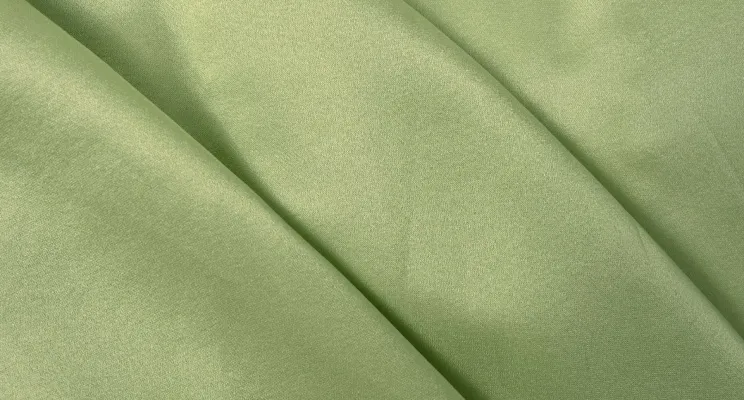
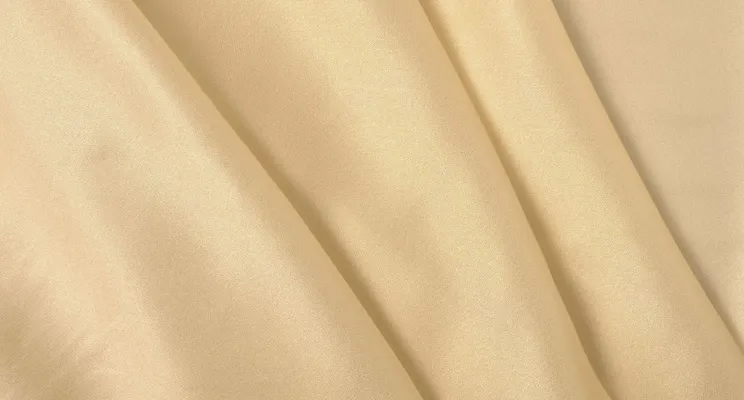
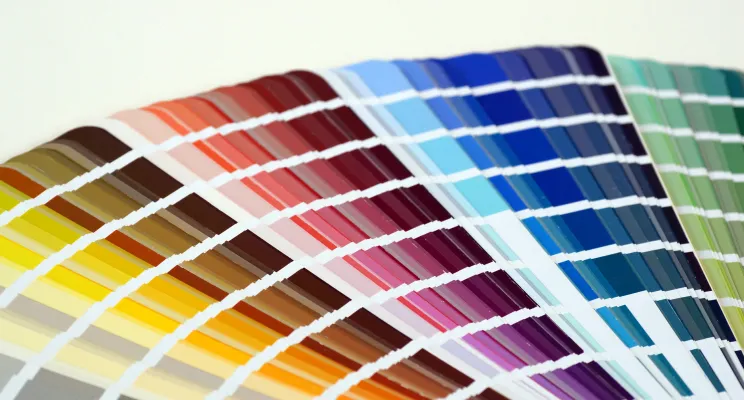
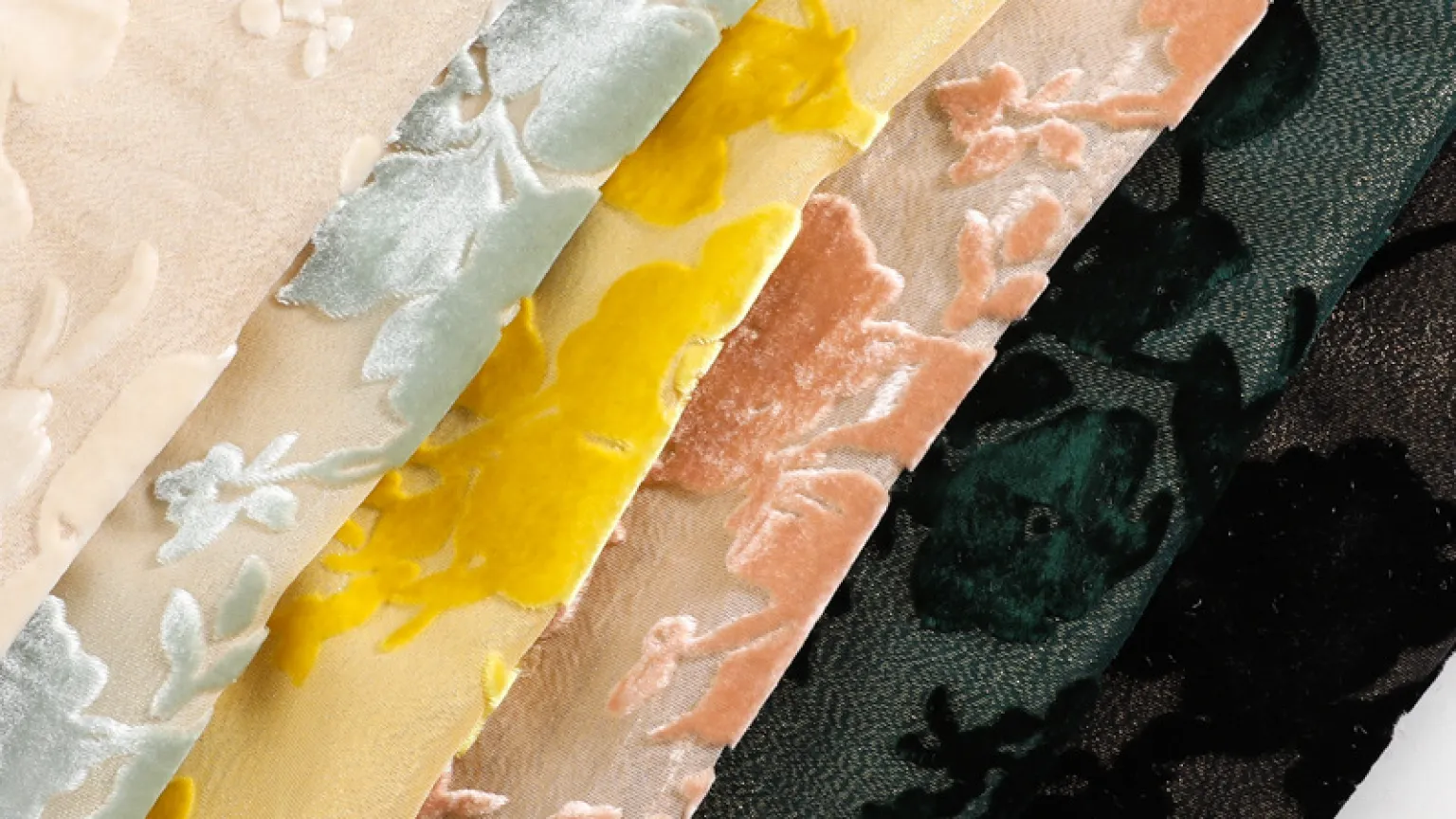
Most silk velvet on the market is actually a silk-viscose blend — 18% silk base with 82% viscose pile. This is the standard construction used by manufacturers worldwide. The silk provides the structure and the viscose creates the plush surface. If you're sourcing "silk velvet," this is the fabric you're looking for.
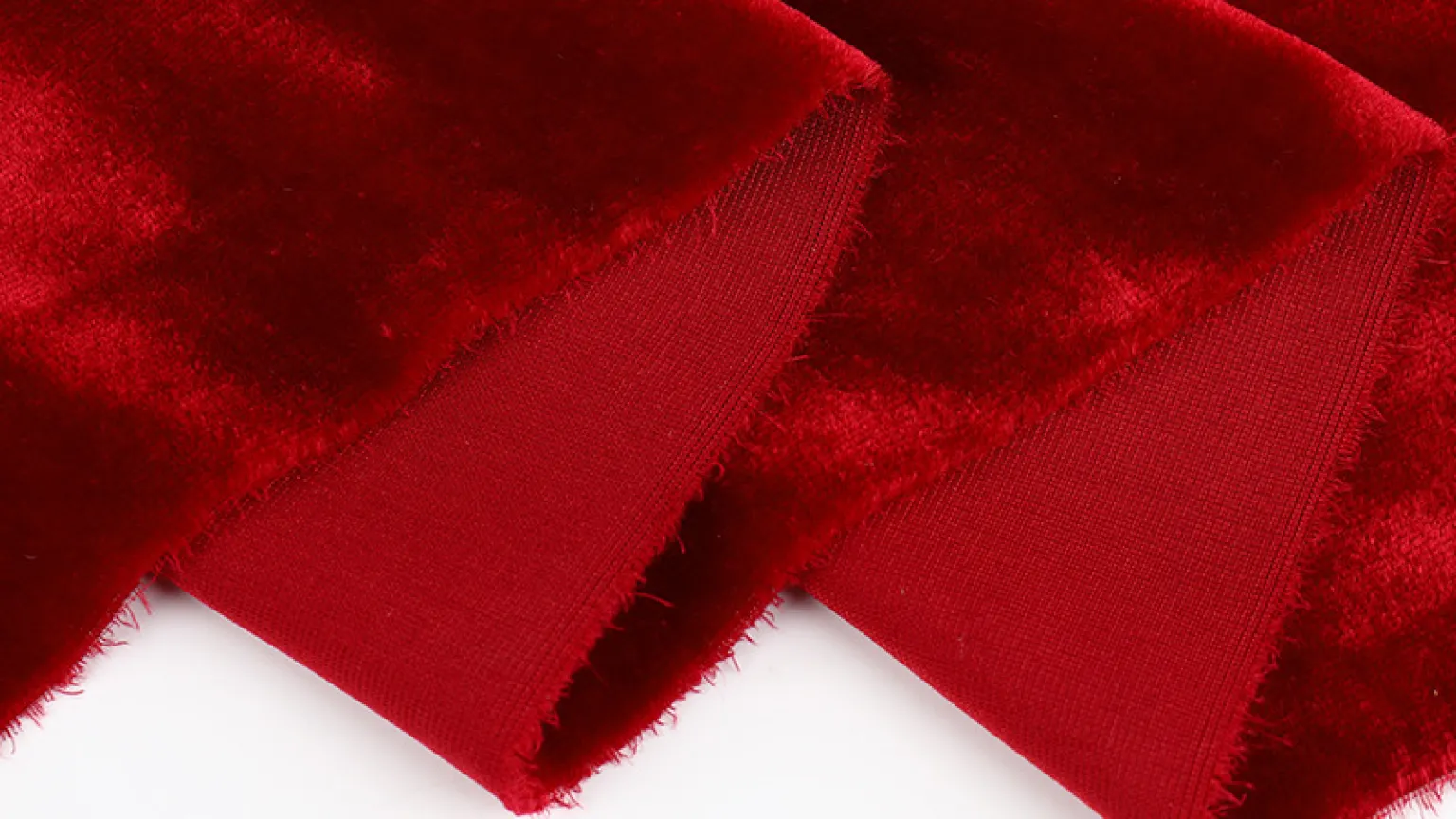
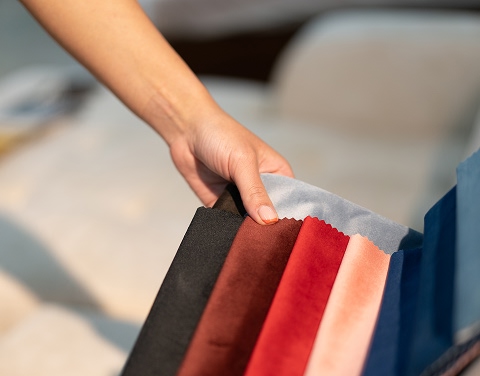
Viscose absorbs dye more deeply than silk alone. This makes silk viscose blends produce some of the richest, most saturated colors among all silk-family fabrics. Jewel tones — burgundy, teal, emerald, navy — look particularly intense on silk viscose velvet.
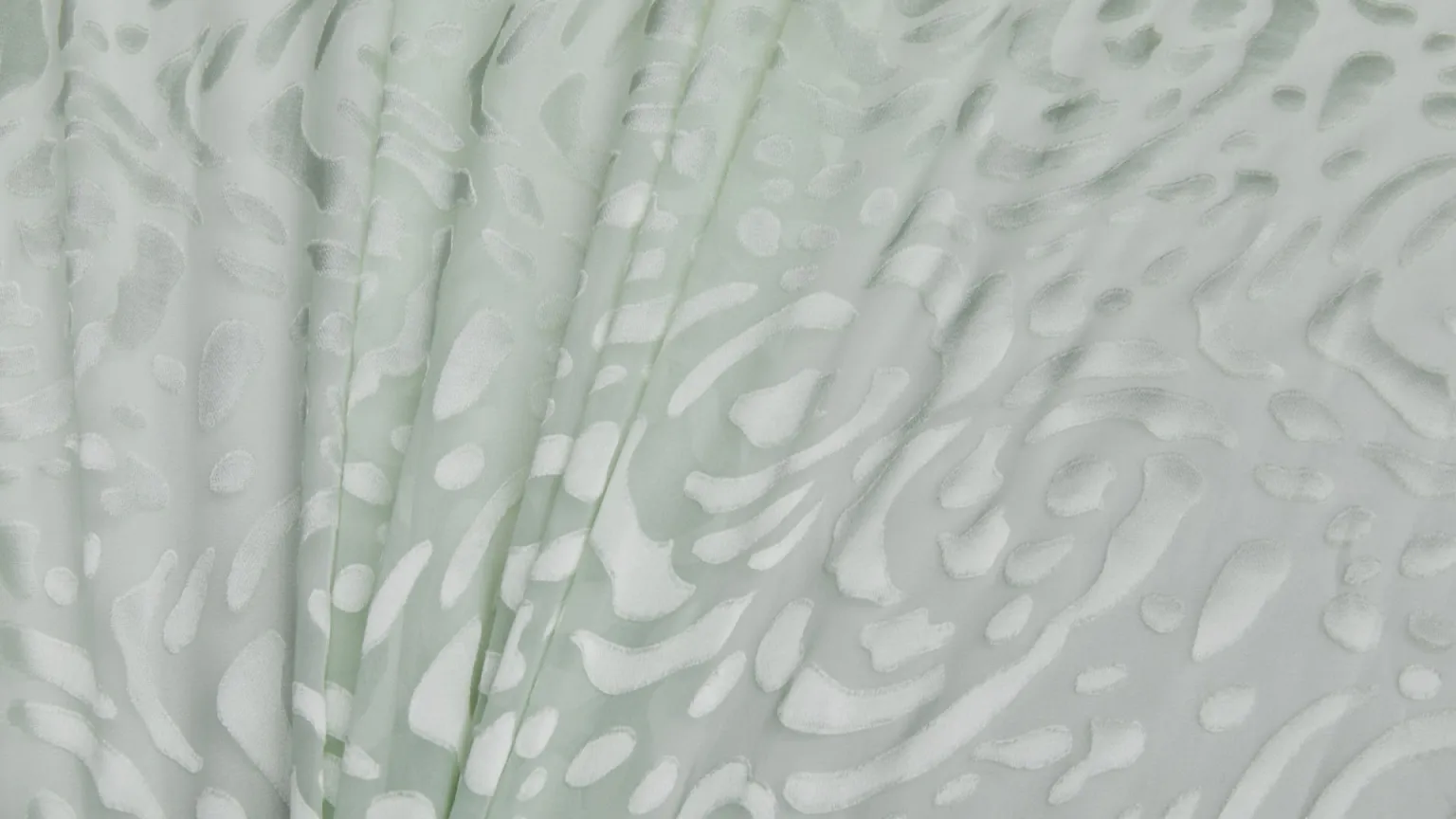
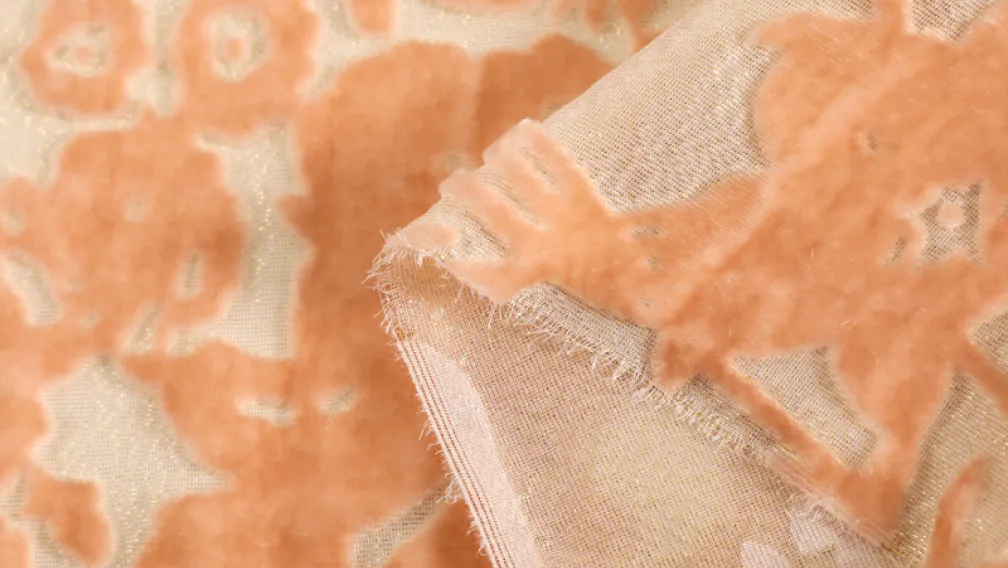
Burnout velvet requires a two-fiber blend. A chemical paste dissolves the viscose pile in selected areas while leaving the silk base intact. This creates the signature semi-transparent pattern effect. Pure silk velvet cannot be processed this way. If you want burnout velvet, silk viscose is the only option.
DreamSilk is your one-stop supplier for custom finished silk products, dedicated to turning your unique design concepts into premium quality items.
We provide flexible and professional customization services to fully support your business development and unlock more commercial opportunities.
 EXPLORE
 EXPLORE
 EXPLORE
 EXPLORE
 EXPLORE
 EXPLORE
 EXPLORE
 EXPLORE
 EXPLORE
 EXPLORE
 EXPLORE
 EXPLORE
 EXPLORE
 EXPLORE
 EXPLORE
 EXPLORE
We manufacture custom silk products and fabrics for brands in 50+ countries. From fabric selection to finished goods, everything is produced in our own facility - giving you one point of contact, consistent quality, and shorter lead times.
Silk viscose fabric blends mulberry silk with viscose (regenerated cellulose fiber). The most common product is silk viscose velvet — silk base with viscose pile. Other types include viscose raw silk and silk viscose satin.
Yes, it contains real silk. The base fabric is silk (typically silk georgette or chiffon). The pile is viscose. The standard 18/82 blend is what the industry calls "silk velvet." Products labeled silk velvet are almost always this blend.
Viscose pile is softer, more lustrous, and absorbs dye better than silk pile. It also enables burnout (devore) processing — the viscose can be chemically dissolved while the silk base remains intact. And it keeps the cost practical for commercial production.
Stocked colors: 50 meters. Custom dyeing: 100–200m per color. Burnout velvet: 100m per design.
Dry clean recommended for silk viscose velvet. Hand wash cold for lighter blends. Do not tumble dry. The viscose component is sensitive to heat and agitation when wet.
Silk viscose velvet is woven on a double-cloth loom. The base is typically silk georgette or silk chiffon (18% of total weight). The pile — the soft, plush surface you touch — is 100% viscose (82% of total weight). Two layers are woven simultaneously with pile threads connecting them. The layers are then split apart and the pile is sheared to create an even surface.
Viscose and rayon are often used interchangeably. Technically, viscose is a type of rayon. In fabric labeling, "silk rayon" and "silk viscose" refer to the same category of blends. When sourcing, focus on the specific fiber content (percentage) and construction rather than the name.