


Factory-Direct Production
MOQ from 50 Pieces
Full Design Customization
Ties + Pocket Squares in One Order
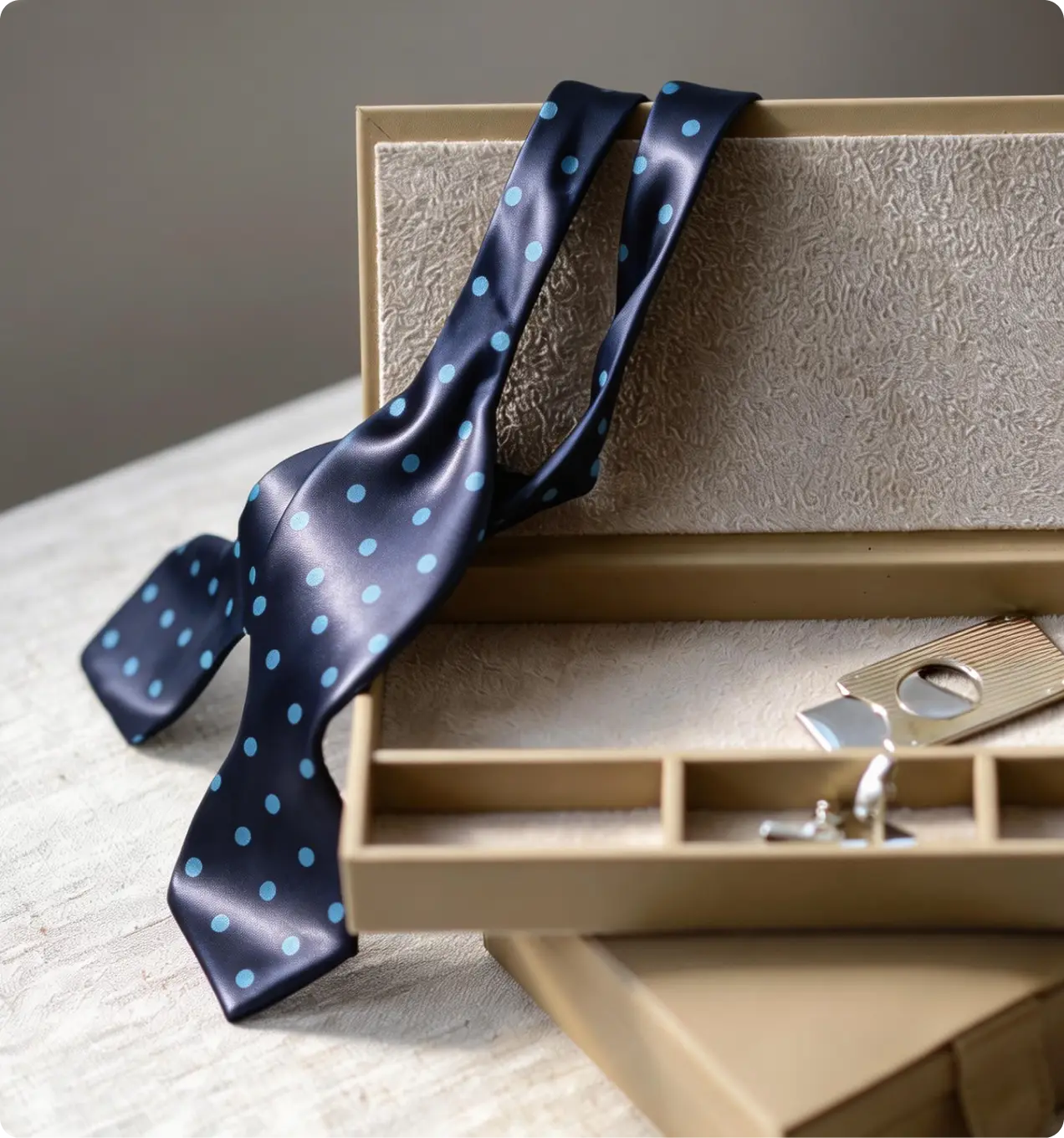
Custom Silk Tie Manufacturing for Brands and Wholesale
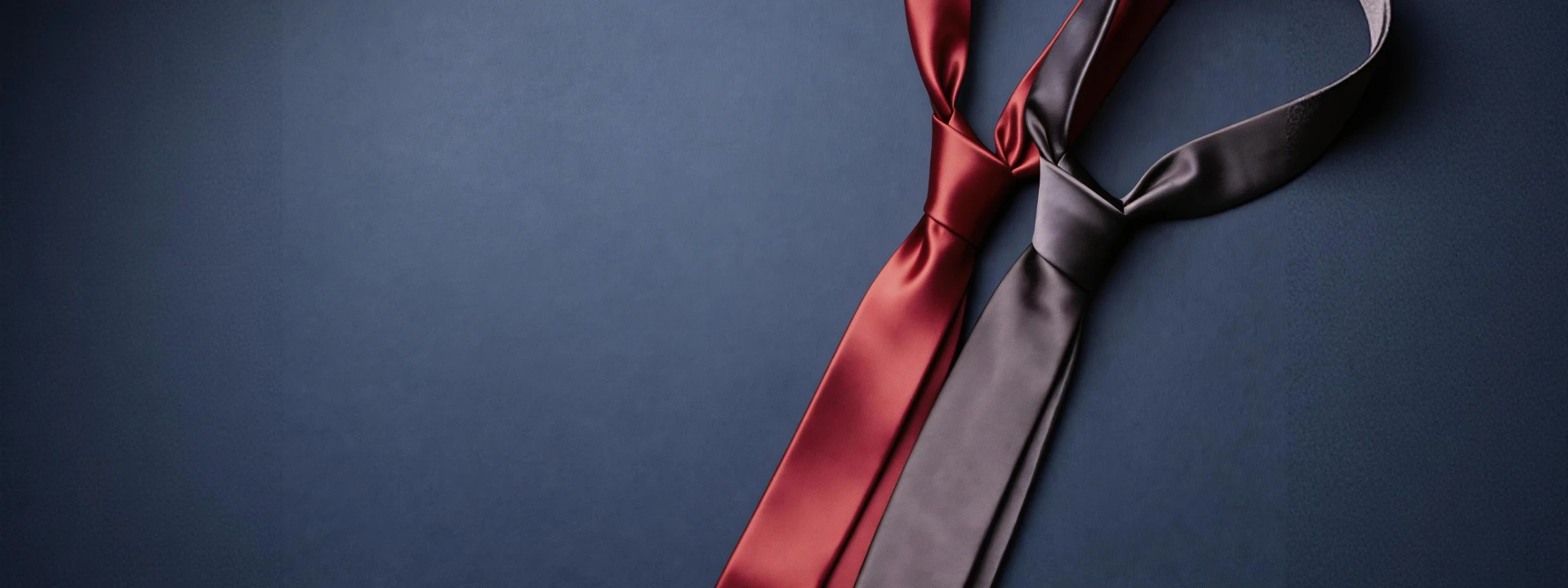
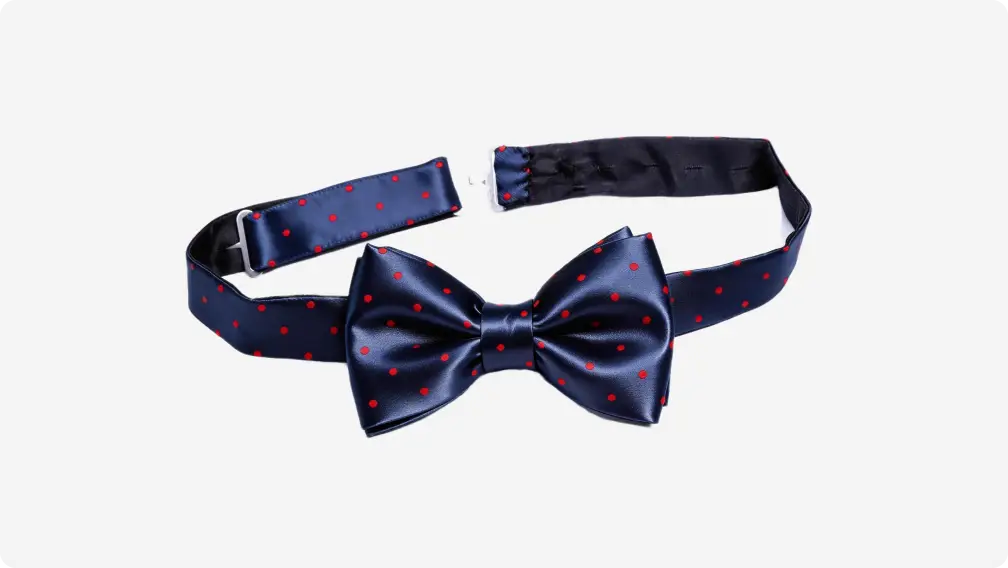
DreamSilk produces custom silk ties, silk bow ties, slim silk ties, and custom printed silk ties for wholesale, OEM/ODM, and private label projects.
Product Overview
DreamSilk manufactures custom silk ties for fashion brands, corporate uniform programs, gift companies, wedding suppliers, and wholesale distributors. Our product range covers standard neckties, slim ties, bow ties, and matching pocket squares. Every piece is produced in our Suzhou factory using mulberry silk twill and silk satin with OEKO-TEX® certification. We support full customization on fabric, width, length, pattern, color, printing, embroidery, lining material, and packaging.
- 100% mulberry silk in twill and satin weave, OEKO-TEX® certified
- Standard width (8–9cm), slim (5–7cm), and custom width options
- Digital printing, screen printing, jacquard weave, and solid color dyeing
- Logo embroidery, monogram, and custom pattern placement on tie body or tipping
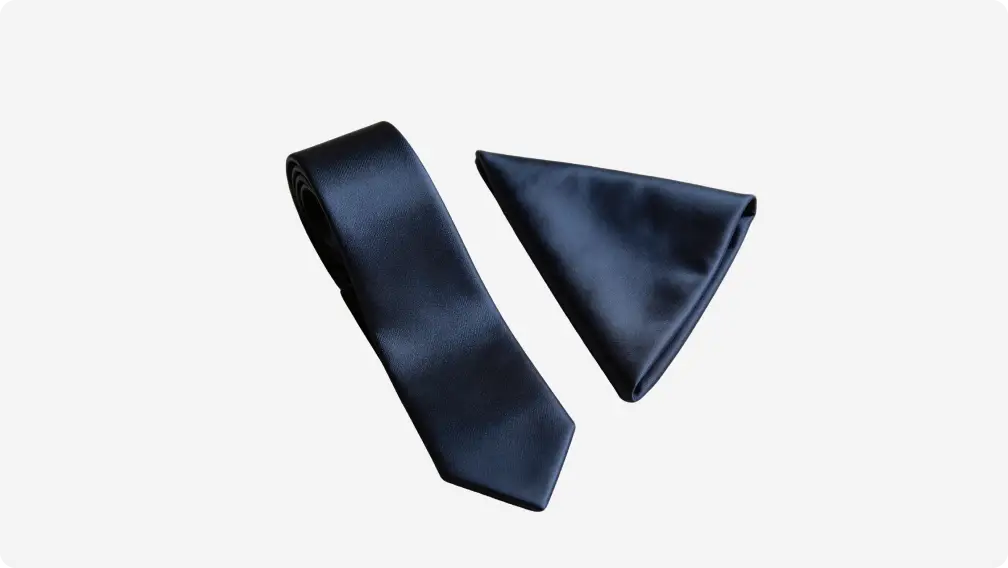
- Matching silk pocket squares produced in the same fabric and colorway
- Self-tipped, contrast-tipped, and custom lining options
- Factory-direct pricing, no subcontracting
Service and Support
MOQ: 50 pcs per style
Sample Support: Custom samples before bulk order
Lead Time: 15–25 days after sample approval
Packaging: Gift boxes, OPP bags, tissue paper wrap, custom brand packaging
Shipping: Worldwide delivery, flexible logistics options
Cooperation: OEM / ODM / Private Label
We produce silk ties in all standard formats for fashion retail, corporate, gifting, and ceremonial applications. Each style supports full customization on fabric, width, pattern, color, and branding.
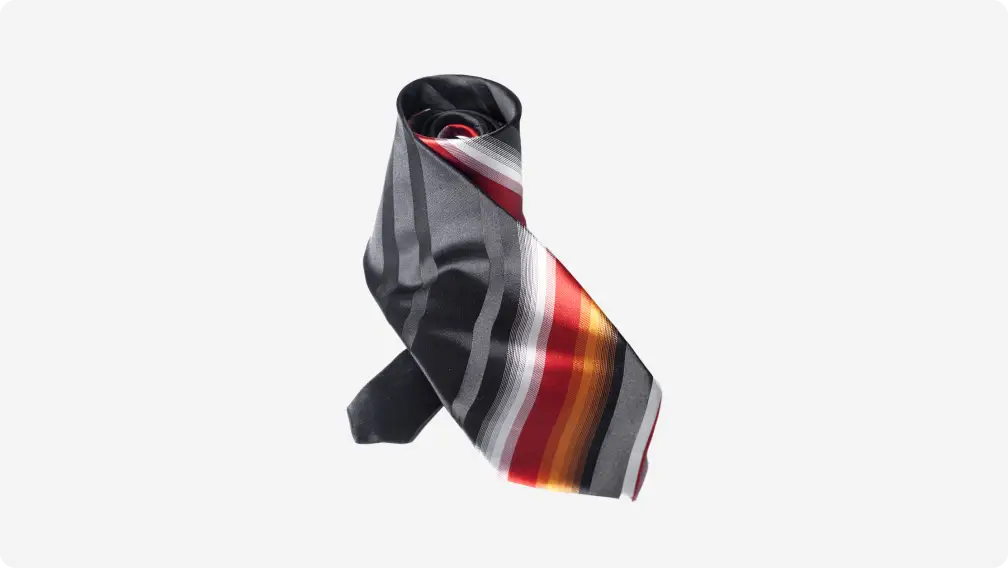
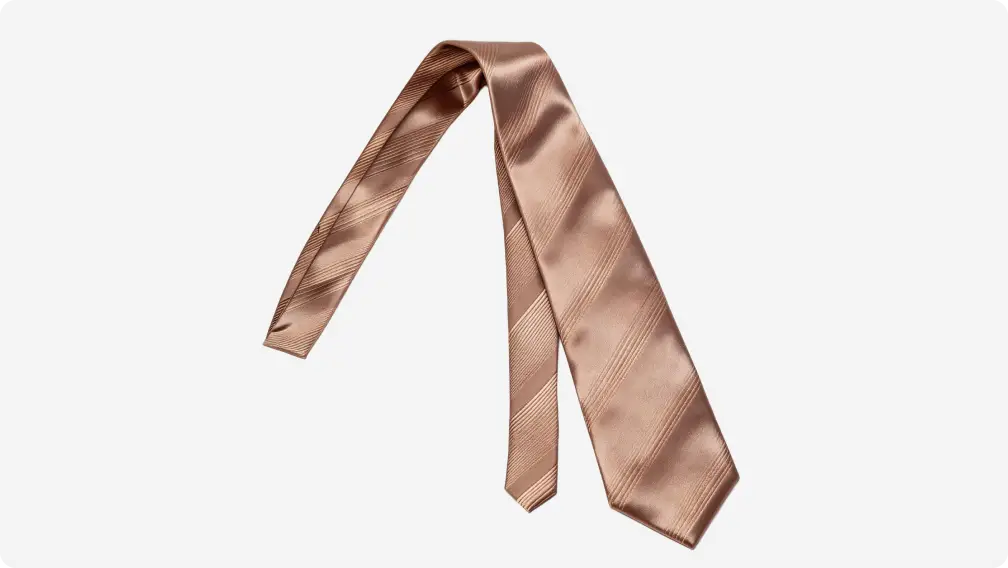
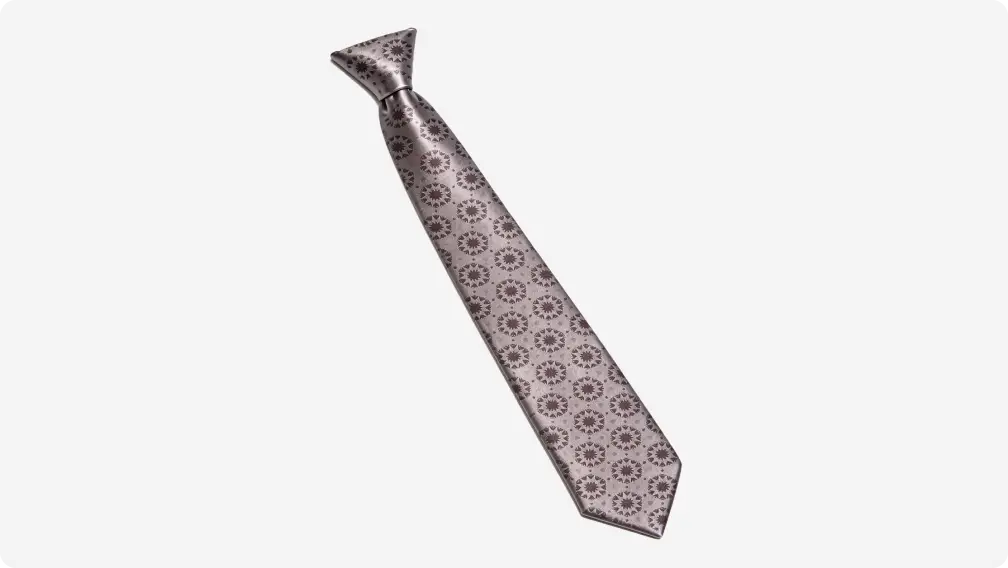
Silk Tie Fabrics and Weave Options
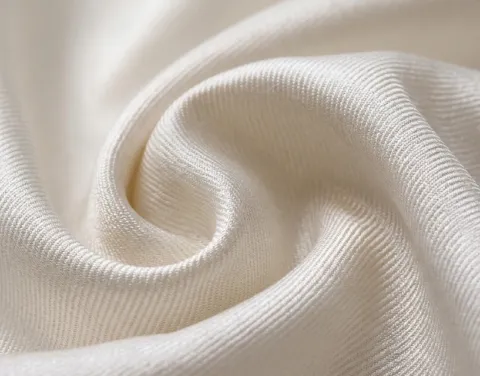
Silk Twill
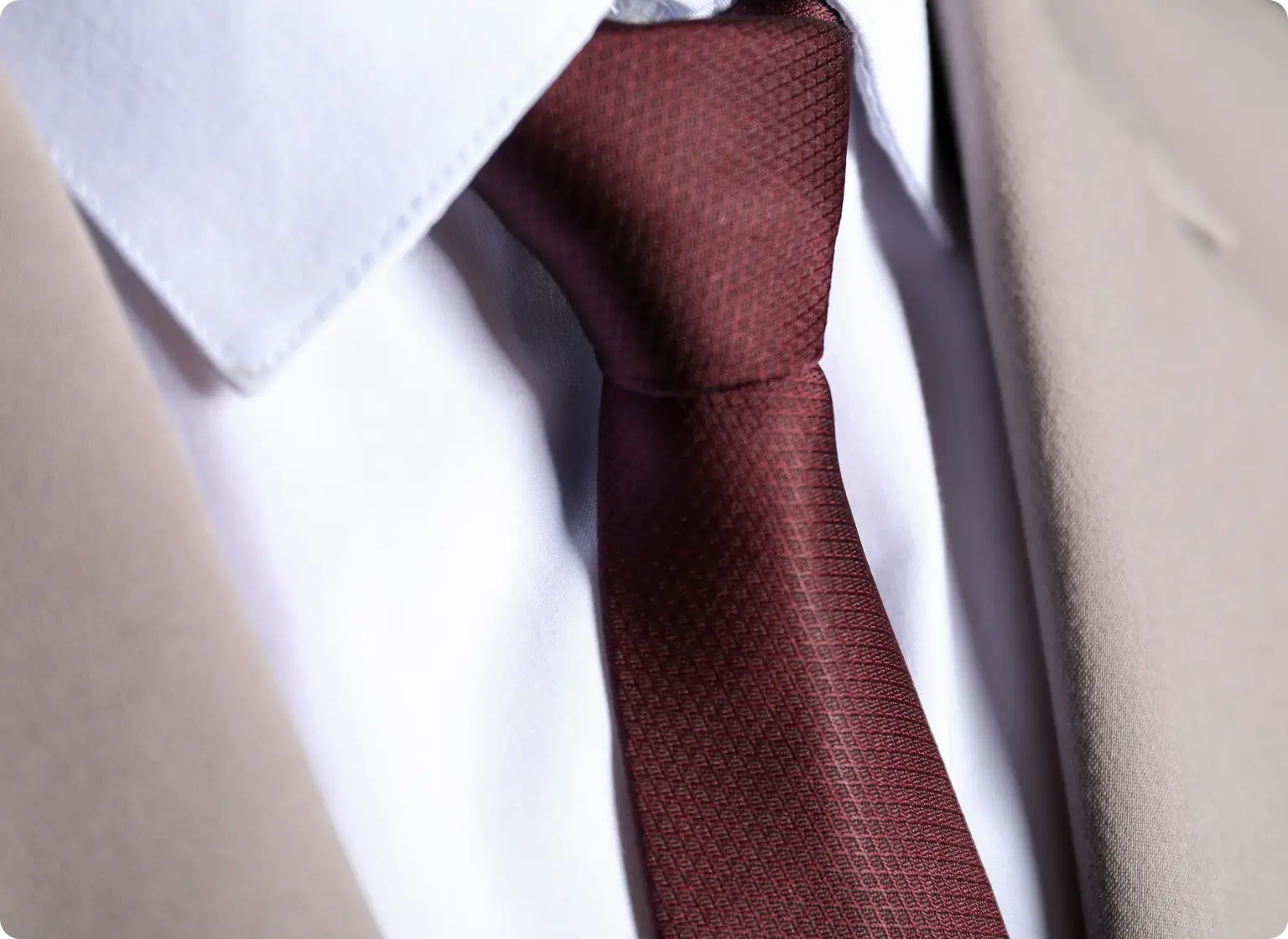
The most traditional and widely used tie fabric. The diagonal weave creates a subtle ribbed texture, gives the tie body and structure, and produces a clean knot that holds its shape throughout the day. Twill is the standard choice for corporate ties, classic menswear collections, and any application where a refined, professional appearance is expected.
Silk Satin
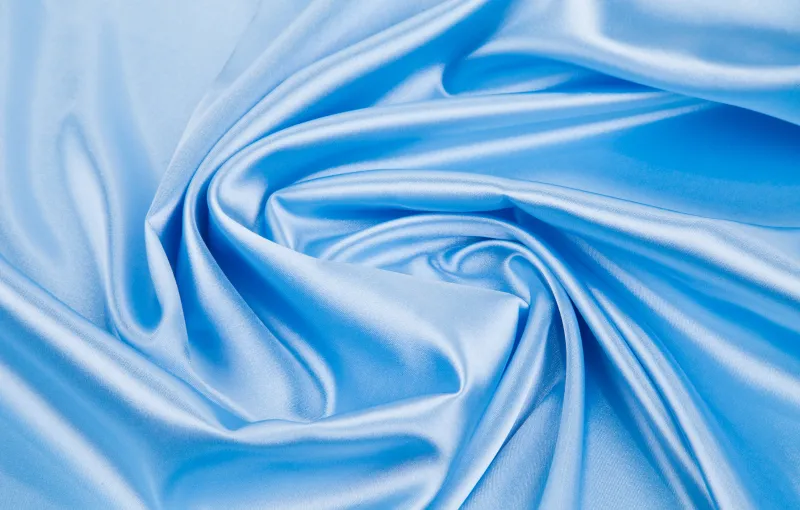
Smooth, glossy surface with a fluid drape. Satin ties have a more formal and visually striking appearance. Best suited for evening wear, wedding collections, and fashion lines where light reflection and surface sheen are part of the design intention.
Jacquard Woven
Patterns are woven directly into the fabric structure rather than printed on the surface. This creates a textured, dimensional pattern that is more durable than printing and carries a higher perceived value. Jacquard is the preferred method for brand signature patterns, club and school ties, and repeat geometric or logo motifs.
Printed Silk
Patterns are applied to the silk surface via digital or screen printing. Offers the widest design freedom — complex artwork, gradients, photographic images, and unlimited color counts are all possible. Ideal for custom printed silk tie projects, limited-edition designs, and seasonal collections where fast design changes are needed.
Tie Width, Length, and Construction
Width Options
- Standard ((3.25–3.5" / 8–9cm): Classic proportion for business and formal wear. The default choice for corporate, uniform, and traditional menswear.
- Slim (2–2.75" / 5–7cm): Modern proportion for fashion retail and younger demographics. Works best with narrower suit lapels and contemporary silhouettes.
- Custom: Any width outside standard ranges can be produced upon request.
Construction Details
- Three-Fold Construction: A standard tie structure where the silk is folded three times, typically with an interlining to provide body and shape retention. Provides good body and a clean drape.
- Seven-Fold Construction: A premium structure using a larger piece of silk folded seven times with no interlining. Produces a softer, weightier hand feel. Used for luxury positioning.
- Interlining: Wool, cotton, or polyester interlining options to adjust tie weight and stiffness based on your product requirements.
- Tipping: Self-tipped (matching silk) or contrast-tipped (different fabric or color on the back). Tipping fabric can carry brand logos or labels.
Branding Options for Custom Silk Ties
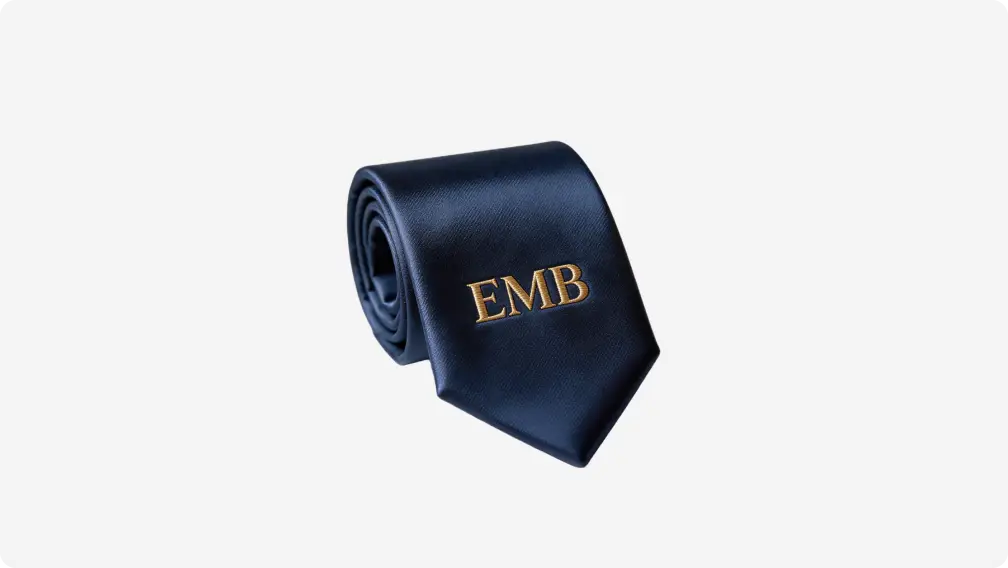
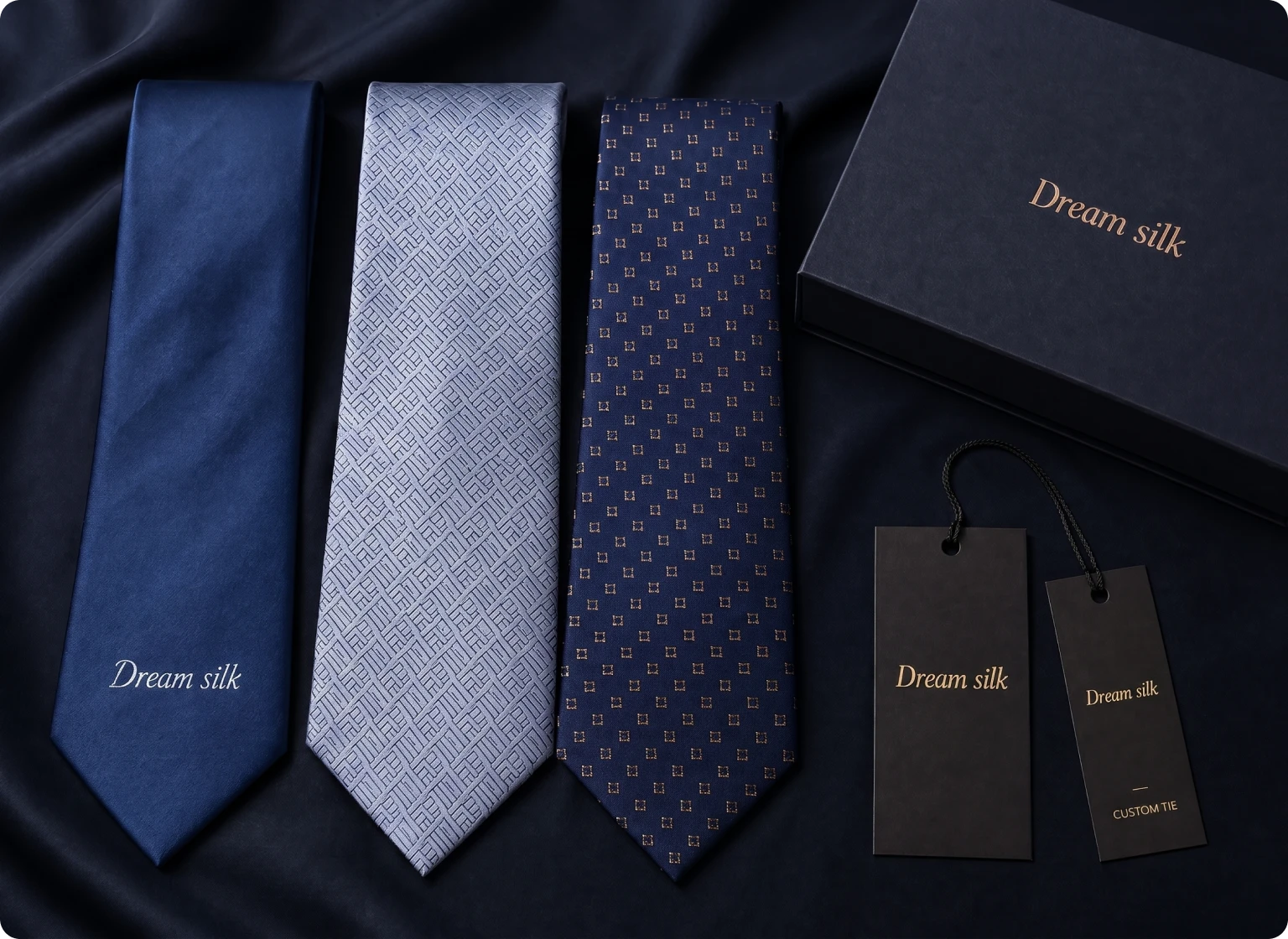
- Embroidered Logo: Stitched onto the tie blade, tipping, or keeper loop. Custom embroidered silk ties are the standard for corporate branding, school ties, and club ties where the logo needs to be visible and tactile.
- Woven Logo (Jacquard): Logo integrated into the fabric weave itself. Creates a tone-on-tone or contrast effect that is more subtle and durable than surface embroidery. Preferred for luxury brand ties.
- Printed Logo: Logo incorporated into the overall printed pattern. Seamless with the design, no added texture. Used for personalised silk tie collections where the logo is part of the artwork.
- Woven Label: Sewn onto the back of the tie or inside the keeper loop. Industry-standard product identification.
- Custom Hang Tag and Packaging: Branded tags and packaging for retail shelf presentation and gift applications.
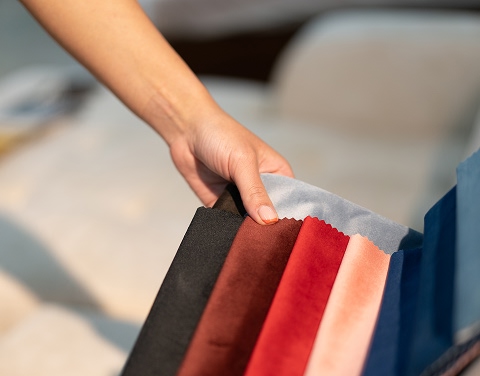
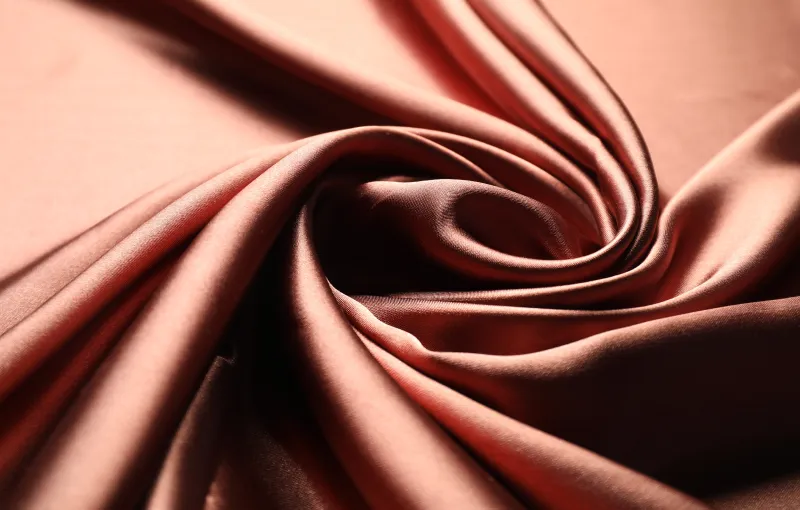
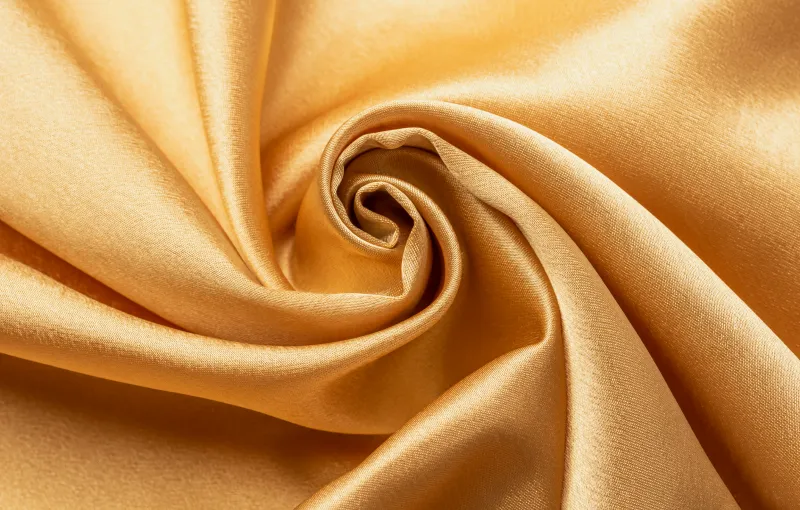
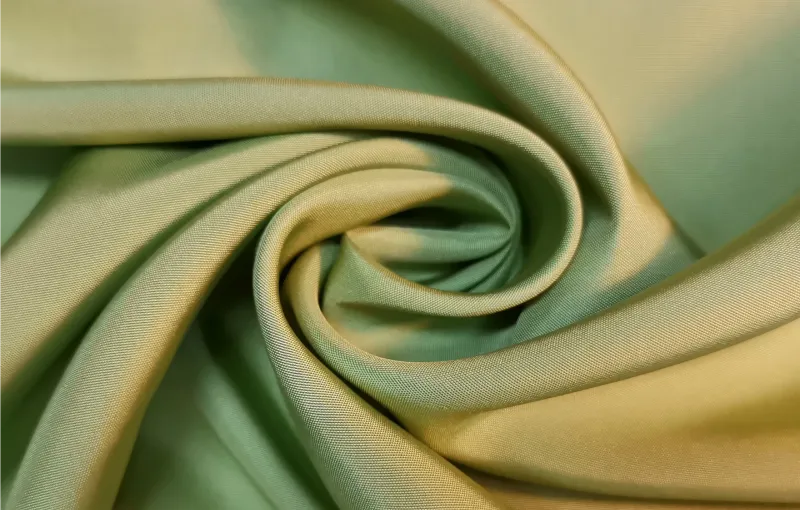
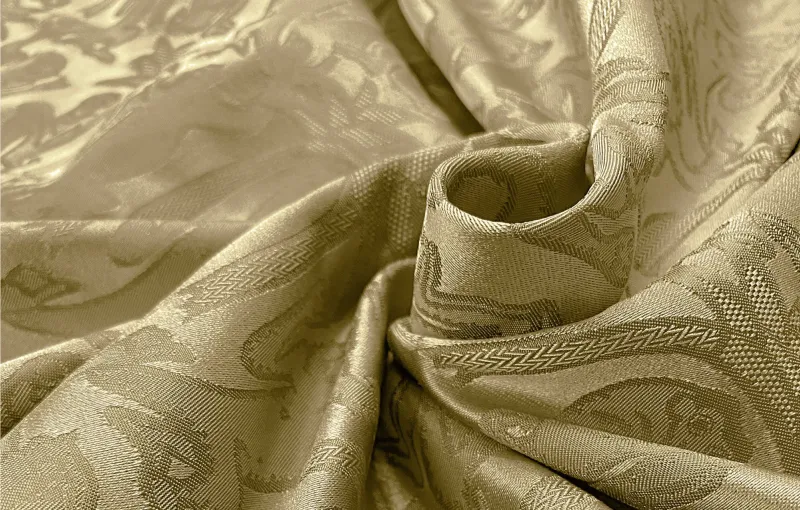
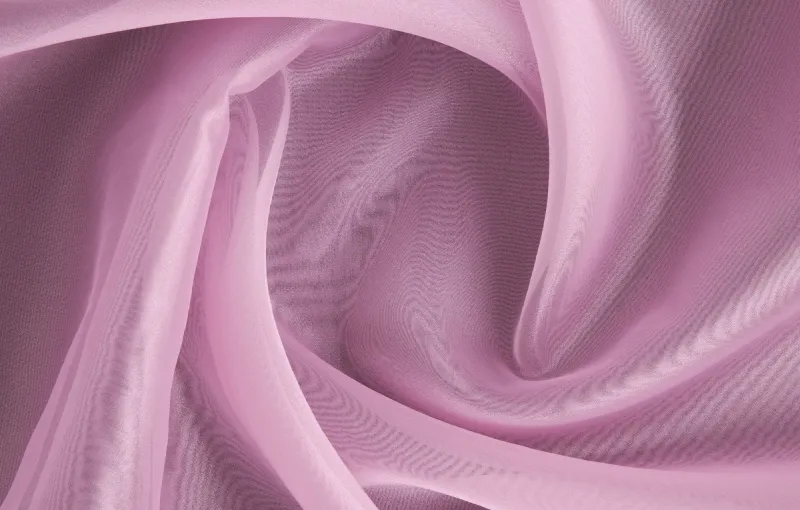
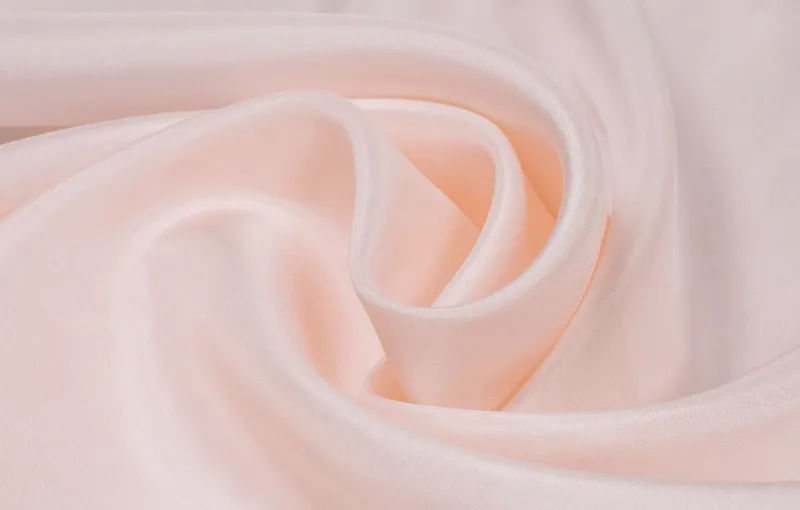
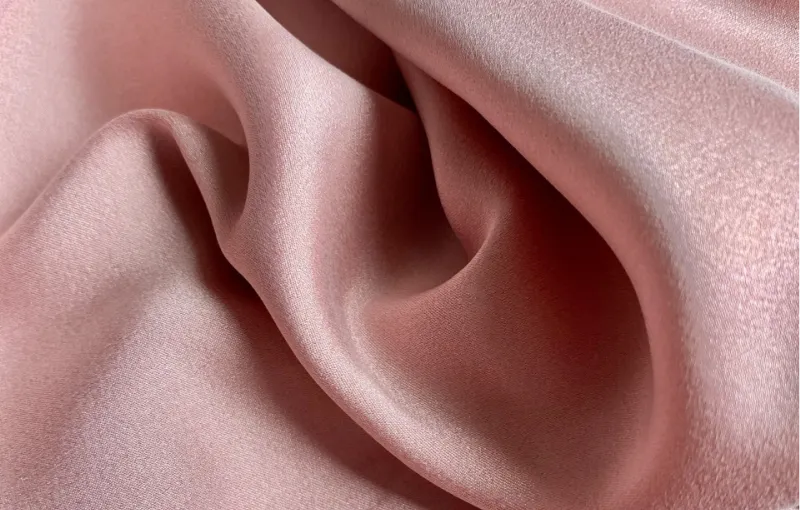
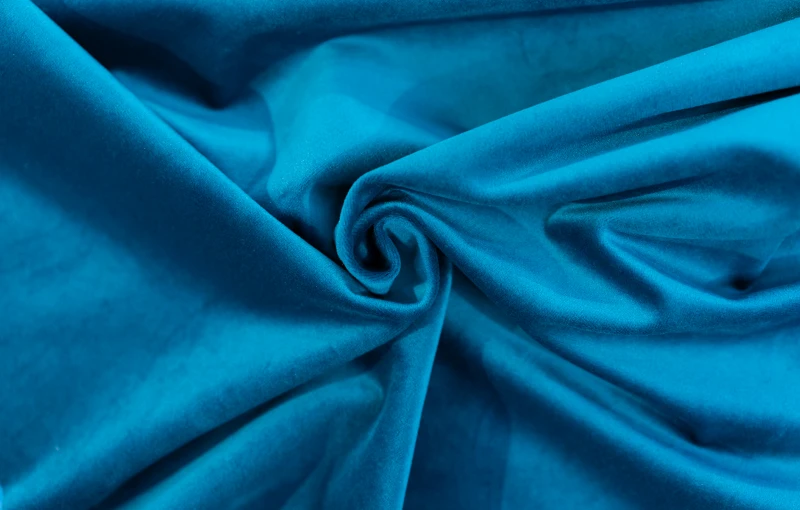
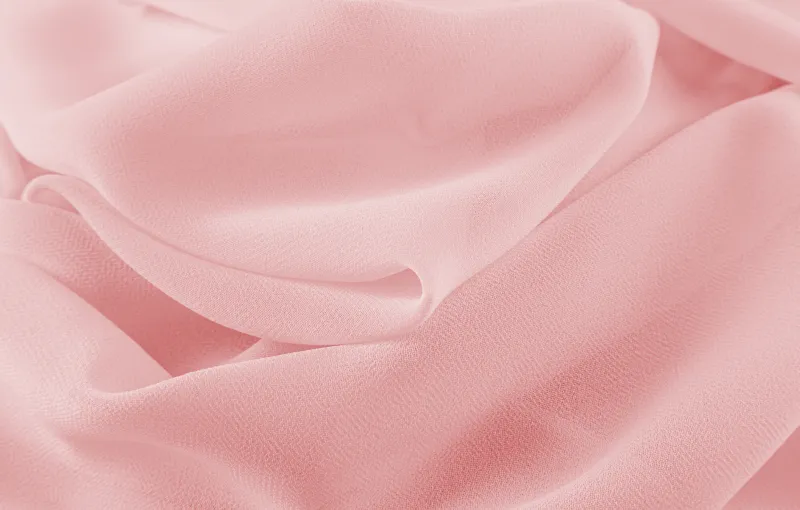
Our Silk Fabrics
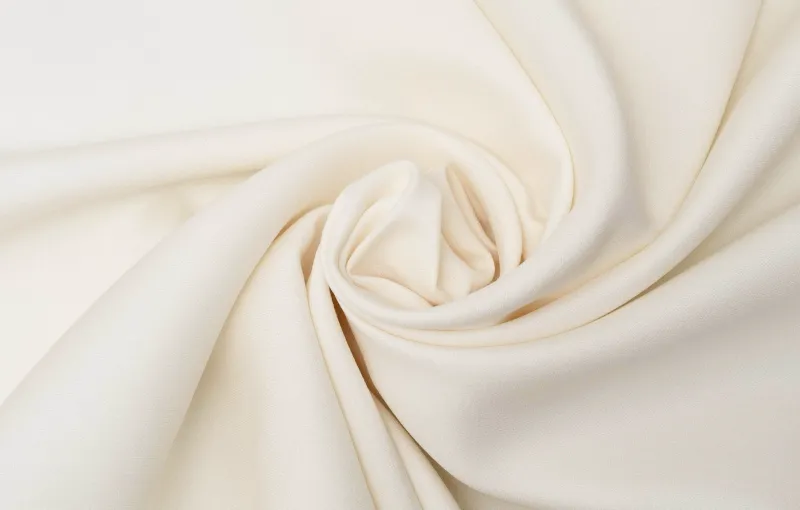
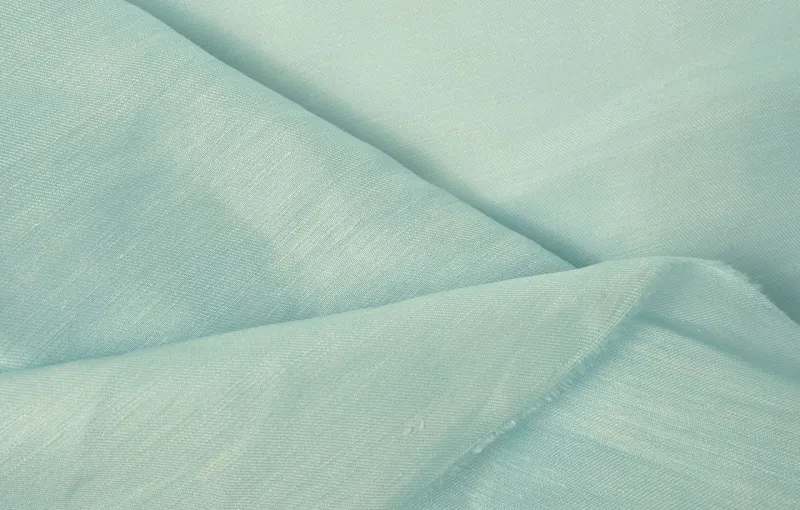
Full range of pure silk and silk blend fabrics for your product development. All fabrics also available for standalone wholesale, custom dyeing, and printing orders.

CUSTOM PACKAGING OPTIONS
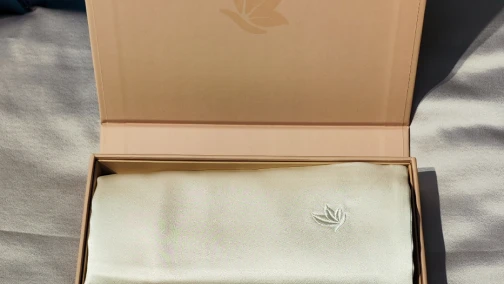
We provide a full range of packaging solutions for custom silk products, including Drawer Box, Magnetic Flip Box, Top & Bottom Lid Box, Folding Box, Silk Pouch / Satin Bag, OPP / PE Bag, Paper Bag, and Raphe Box. All options support brand printing, logo placement, and structural adjustments based on your product size. View our complete packaging options and details.
SEND YOUR INQUIRYOur Cases
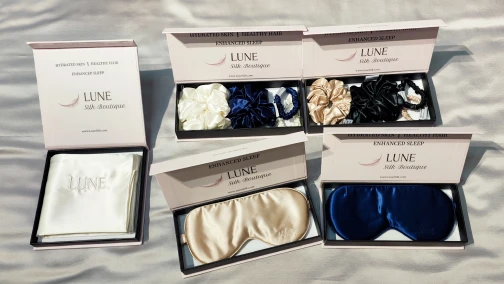
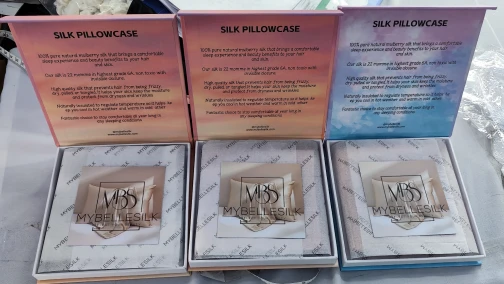
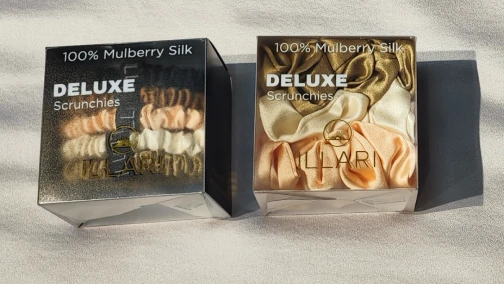
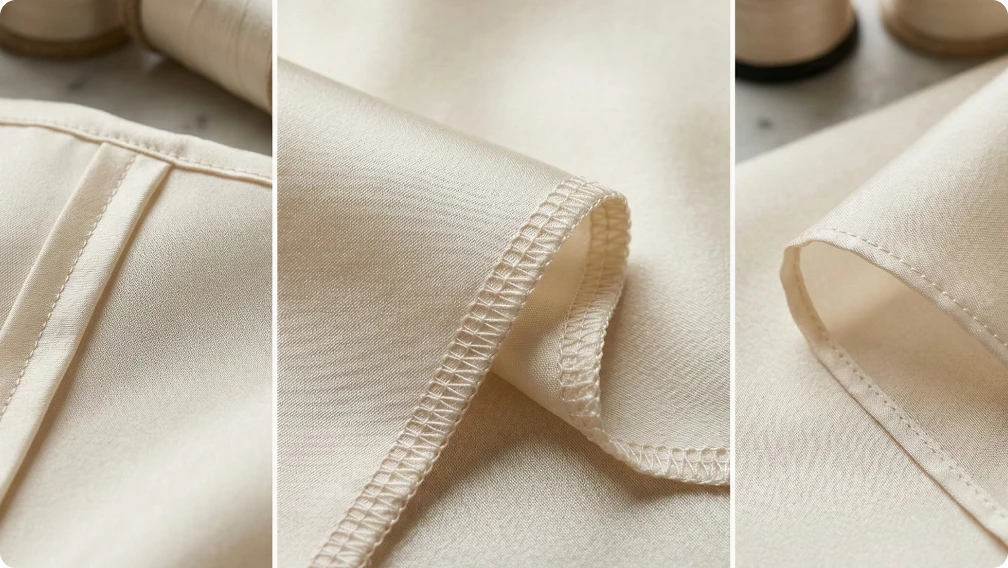
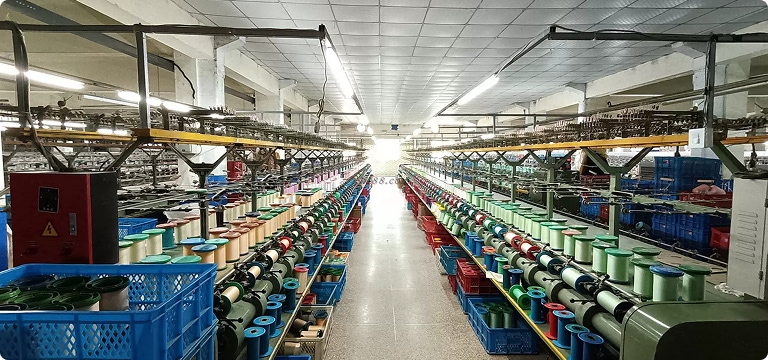
OUR MANUFACTURING FACILITY
DreamSilk's manufacturing facility is based in Suzhou, operating a complete production system for custom silk products. Explore our factory.
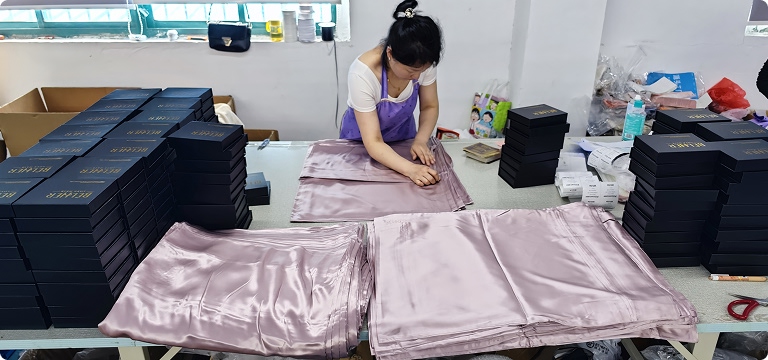
OUR CRAFT & QUALITY MANAGEMENT
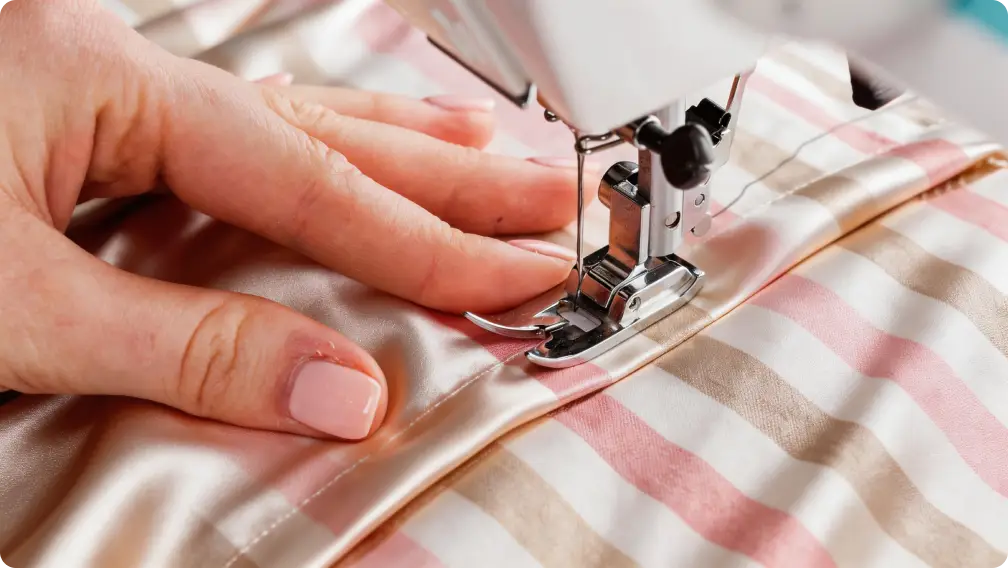
From fabric pre-treatment to finished product inspection, every process is executed with clear standards. Learn about our craft and quality management.

Delivery was faster than expected, and the product quality fully matched approved samples. Communication was smooth throughout.
The custom eye masks for our business event had excellent detail quality and felt comparable to premium gifts.
DreamSilk was highly cooperative on patterns and packaging design. Pleasant collaboration overall.
Delivery was faster than expected, and the product quality fully matched approved samples. Communication was smooth throughout.
The custom eye masks for our business event had excellent detail quality and felt comparable to premium gifts.
DreamSilk was highly cooperative on patterns and packaging design. Pleasant collaboration overall.
FAQ
Silk Ties: Construction, Selection, and Care
Whether you are developing a silk tie product line for retail or sourcing branded ties for a corporate program, understanding tie construction, fabric options, and care requirements helps you make better decisions and provide accurate product information to your end customers.
What Is a Silk Tie
A silk tie is a necktie made from woven silk fabric, typically mulberry silk in a twill or satin weave. Silk ties are valued for their natural sheen, smooth hand feel, ability to hold a knot cleanly, and the way the fabric drapes under its own weight. These properties make silk the preferred material for premium neckwear in both fashion and corporate applications.
The key structural components of a silk tie are the outer shell (silk fabric), the interlining (wool, cotton, or synthetic material that gives the tie body), the tipping (fabric covering the back of the blade ends), and the keeper loop (the small loop on the back that holds the narrow end in place).
Silk Tie vs Polyester Tie
| Attribute | Silk Tie | Polyester Tie |
|---|---|---|
| Material | Natural protein fiber | Synthetic |
| Surface Feel | Smooth, soft, natural drape | Slick, stiffer drape |
| Knot Quality | Holds shape cleanly, dimples naturally | Tends to slip, harder to shape |
| Visual Depth | Rich color depth with natural sheen | Flat, uniform surface |
| Knot Recovery | Returns to shape after untying | May retain creases |
| Durability | Good with proper care | High, machine washable |
| Price Point | Premium | Budget to mid-range |
| Best For | Retail, corporate, formal, gifting | Uniform programs, promotional |
How to Tie a Silk Tie
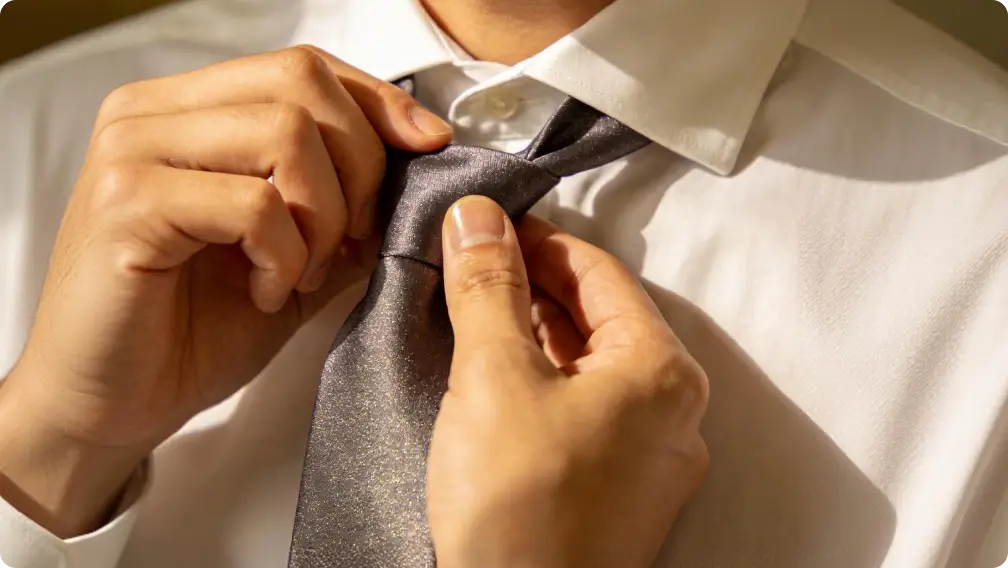
The way a silk tie is knotted affects its appearance and the longevity of the fabric. For brands providing customer-facing content or retail staff training, understanding the most common knot styles is useful. The Four-in-Hand knot produces a slightly asymmetrical, tapered shape and works well with most collar types — it is the most widely recommended knot for silk ties because it puts less stress on the fabric than bulkier knots. The Half Windsor provides a more symmetrical, triangular shape suited to spread collars and formal settings. A full Windsor knot is the largest and most symmetrical, but requires more fabric manipulation and is best suited to heavier silk ties in wider widths.
How to Clean a Silk Tie
Silk ties should not be machine washed or submerged in water. For minor stains, spot clean with a damp cloth and a small amount of mild detergent, blotting gently rather than rubbing. For persistent stains, professional dry cleaning is recommended. After wearing, untie the knot gently and hang the tie or roll it loosely to allow creases to relax naturally. Do not iron directly on the silk surface — use a pressing cloth or steam from a short distance to remove wrinkles without damaging the fabric.
How to Store Silk Ties
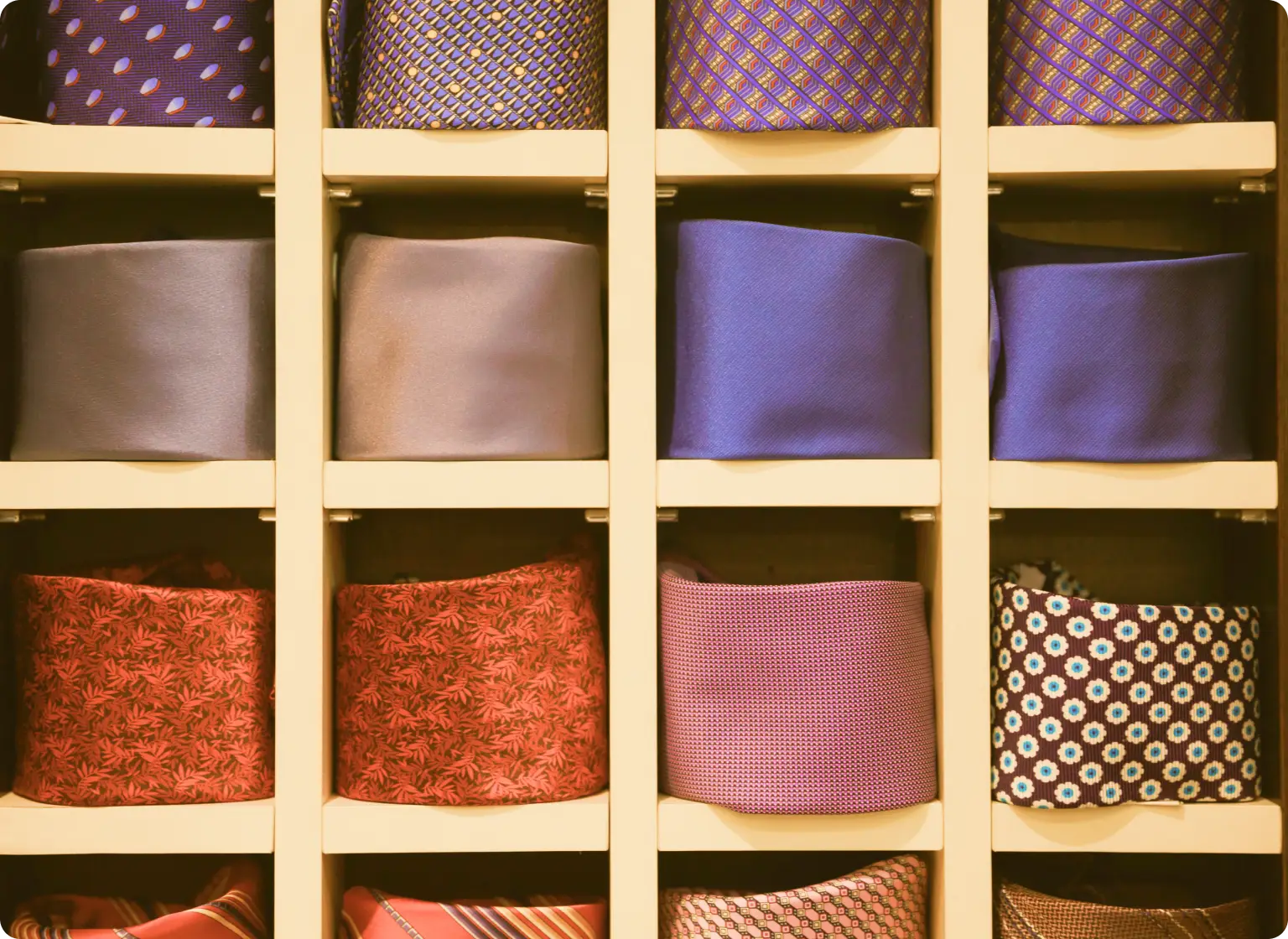
Silk ties should be stored hanging on a tie rack or rolled loosely in a drawer. Avoid folding silk ties flat as this creates permanent creases over time. Keep ties away from direct sunlight and moisture. For brands providing product care cards or packaging inserts, including basic storage guidance alongside washing instructions helps reduce customer complaints about fabric damage.