Silk Linen Fabric: The Complete B2B Guide to Blends, Textures, and Sourcing


Silk linen fabric occupies a distinctive niche in the natural fiber trade: it is the blend that lets tailoring and home textile programs claim genuine luxury fiber content while keeping the texture, breathability, and price discipline that warm-climate categories demand. Where pure linen wrinkles hard and pure silk drapes too fluidly for structured garments, silk linen splits the difference — linen contributes body, dry texture, and legendary airflow, while silk contributes luster, softness, and a more refined surface. For brands building summer tailoring, premium casual wear, or textured home collections, it solves problems that neither parent fiber solves alone. It is also, however, a blend whose quality varies enormously with yarn grade and ratio, and one that buyers frequently underspecify.
Quick answer: silk linen fabric is a woven blend of silk and linen (flax) fibers, most commonly in ratios between 30/70 and 50/50 silk to linen. It combines silk's sheen and soft hand with linen's crisp texture, exceptional breathability, and durability, typically weighing 90 to 200 GSM for apparel and suiting, with lighter versions down to about 70 GSM for scarves. For B2B buyers, it is the standard route to a premium natural-fiber fabric with visible texture and summer performance at a cost well below pure silk.
What Is Silk Linen Fabric?
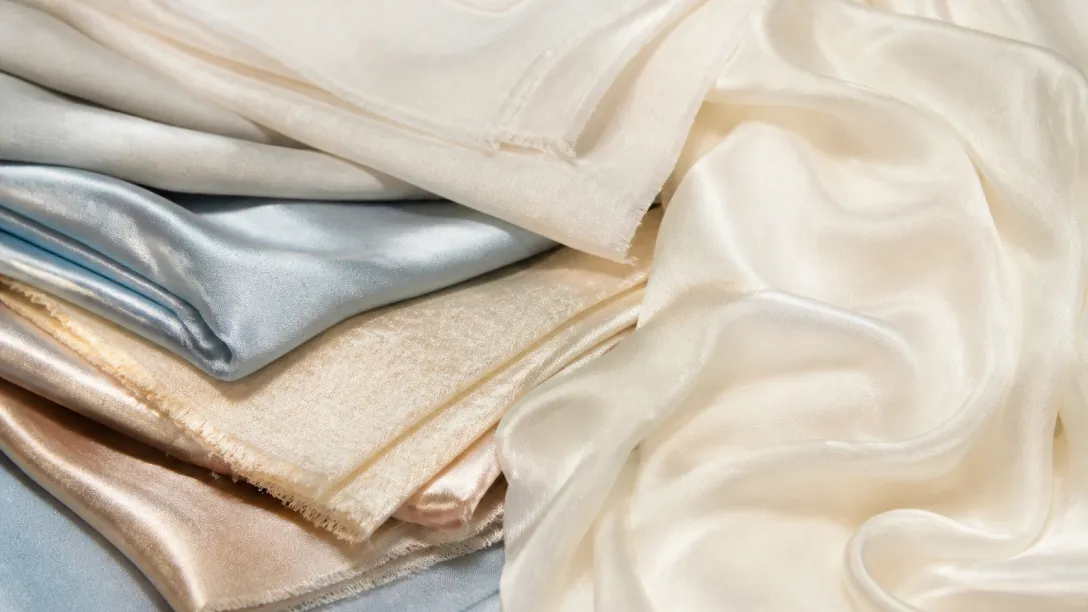
Silk linen fabric is woven from silk and linen yarns, with linen derived from the flax plant and silk from mulberry or occasionally wild silkworms. The two fibers may be intimately blended before spinning, plied together into composite yarns, or woven with silk in the warp and linen in the weft — each construction producing a different surface character. Intimate blends yield the most uniform texture; warp-weft separation lets the silk face carry the luster while the linen back carries the structure. The most common commercial ratios run from 30/70 to 50/50 (silk to linen), with the silk share governing sheen and softness, and the linen share governing texture, body, and cost.
Understanding the fiber mechanics clarifies what the blend can and cannot do. Linen is a bast fiber — stiff, highly crystalline, and exceptionally strong when wet, with a natural slubbed texture that reads as artisanal character. Silk is a protein filament — smooth, lustrous, and fine. In the blend, silk filaments soften linen's harsh hand and add a subtle glow to its matte surface, while linen fibers interrupt silk's fluidity and give the fabric enough stiffness to hold tailored shapes. As with all blends, the ratio is a regulated label claim in most export markets, verifiable through quantitative fiber analysis such as the ISO 1833 series — a point that matters commercially because silk content is the blend's main cost driver and its main marketing asset.
Silk Linen vs. Pure Silk vs. Pure Linen
Positioning silk linen honestly means comparing it against both parents, because buyers select it precisely for the compromise it represents. Against pure silk — whether a smooth silk crepe de chine or a charmeuse — silk linen trades liquid drape and high luster for texture, opacity, structure, and a substantially lower fiber cost. Against pure linen, it trades a degree of that fiber's trademark crispness for a softer hand, better drape, finer surface, and reduced wrinkle severity, at a moderate premium. The practical comparison looks like this:
| Property | Silk Linen (50/50) | Pure Silk | Pure Linen |
|---|---|---|---|
| Luster | Soft sheen over slub texture | High, luminous | Matte, natural |
| Hand feel | Dry, refined, slightly crisp | Smooth, cool | Crisp, textured |
| Drape | Moderate with body | Liquid | Stiff |
| Breathability | Excellent | Very good | Outstanding |
| Wrinkle behavior | Moderate, soft creases | Moderate to high | High, sharp creases |
| Durability | Very good | Moderate | Excellent |
| Relative fiber cost | Medium | High | Low to medium |
Two implications follow. First, silk linen should be sold on texture and authenticity, not on smoothness — buyers expecting a silk-like surface will be disappointed, while buyers wanting a refined rustic character will find nothing better. Second, the blend's wrinkle story is better than pure linen's but should never be oversold: silk linen creases more softly and recovers better than pure linen, yet it is not a wrinkle-free fabric, and end-product marketing should treat its relaxed creasing as part of the aesthetic rather than a defect to hide.
Common Weaves, Weights, and Textures
Silk linen is woven in a wider weight range than most silk blends because its end uses span from scarves to suiting. Plain weaves dominate the lighter end — scarf and blouse weights of roughly 70 to 120 GSM, where the linen slub reads clearly through the sheer structure. Mid-weight plain and twill constructions of 120 to 180 GSM serve dresses, shirts, and unstructured jackets, while suiting weights of 180 to 220 GSM and above carry tailored jackets and trousers. For buyers translating silk conventions into this category, our guide to silk momme weights explains the measurement systems — but note that silk linen, like most blends containing plant fibers, is specified in GSM rather than momme, and quoting one system against a supplier working in the other is a common source of sampling confusion.
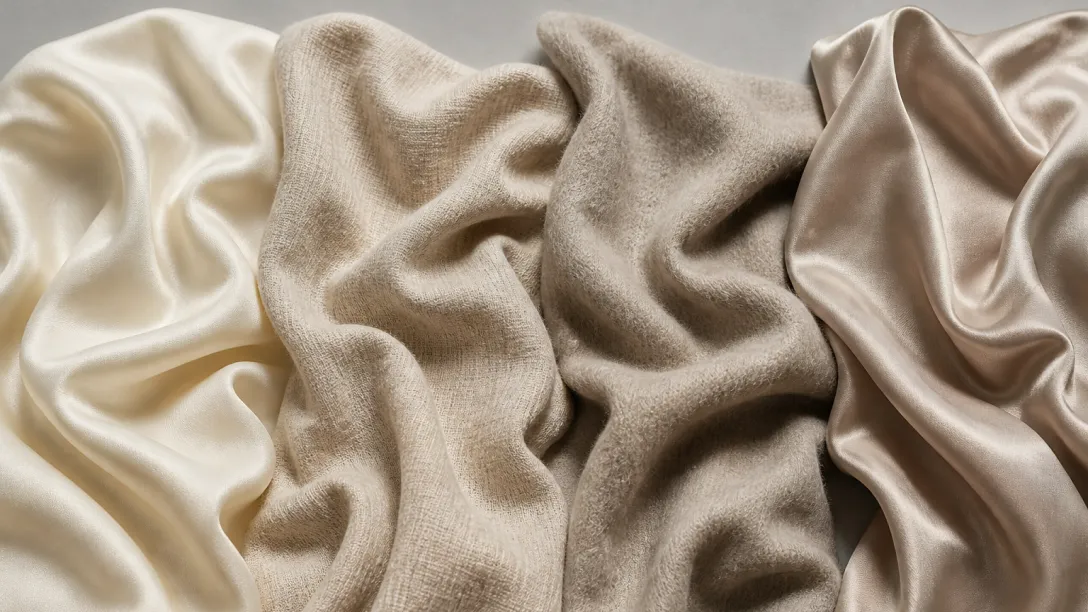
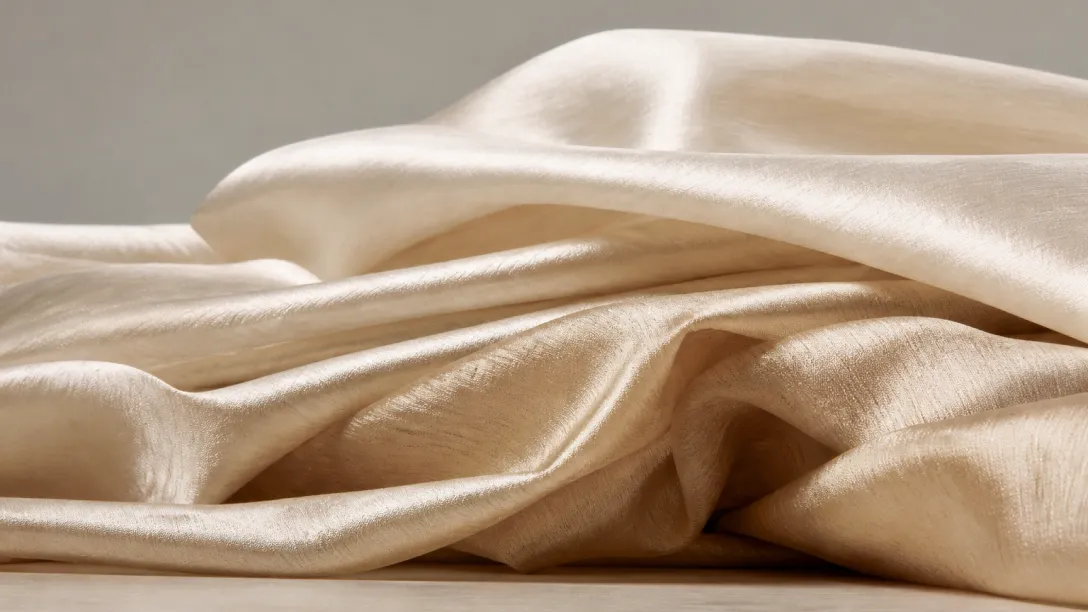
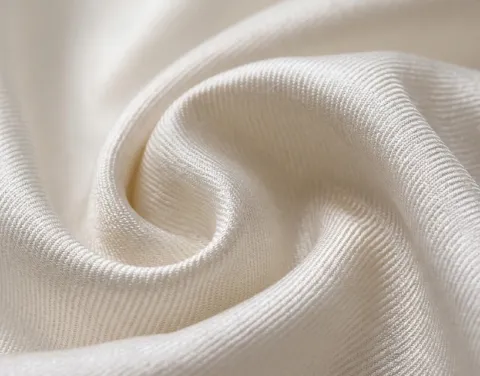
Texture selection is where programs are won or lost. Even-spun yarns with minimal slub produce a cleaner, more formal surface suited to shirting and dresses; deliberately slubbed yarns produce the pronounced, handcrafted texture that luxury casual and home collections prize. Yarn count interacts with ratio here — a 50/50 fabric in fine yarns can feel sleeker than a 30/70 fabric in coarse yarns, so ratio alone never predicts hand feel. Buyers should specify the texture grade alongside the ratio and weight, and approve a physical hand sample before any bulk commitment, because "silk linen" on paper covers surfaces from near-smooth to aggressively nubby.
Best Applications for Silk Linen Fabric
The application map follows the blend's personality: warm-climate categories that reward texture, structure, and breathability. Summer tailoring is the flagship use — unstructured blazers, suit separates, and tailored trousers where pure linen would wrinkle too aggressively and pure silk would lack body. Shirts, dresses, and premium casual separates form the volume middle, where the blend's dry hand and airflow justify its price over cotton alternatives in custom silk clothing programs. At the light end, silk linen scarves and wraps carry printed and yarn-dyed designs with a texture that pure silk scarves cannot replicate, a differentiated angle for custom silk scarf collections.
Home textiles are the blend's second major territory. Its combination of natural texture, durability, and understated luster suits decorative cushions, throws, curtains, and table linen, and mid-weight constructions appear in relaxed luxury bedding programs adjacent to custom silk bedding lines, particularly summer coverlets. The sustainability narrative adds commercial weight: flax requires minimal irrigation and pesticides compared with cotton, both fibers are fully biodegradable, and the blend lets brands make verified natural-fiber claims that synthetic blends cannot. Where silk linen is the wrong choice: formal evening wear, fluid drape-led designs, fitted garments requiring stretch, and any product marketed on a smooth or lustrous surface.
Dyeing, Printing, and Care Considerations
As with other silk blends, the two-fiber chemistry defines the technical chapters. Silk takes acid dyes while linen, as a cellulose fiber, requires reactive dyes — so union dyeing to a matched solid shade demands careful dye selection and process control, and cross-dyeing can deliberately exploit the differential to produce melange and two-tone effects. Yarn-dyed constructions are particularly effective in silk linen: the slubbed texture carries color variation beautifully, and stripes or checks in yarn-dyed silk linen are a signature of premium summer shirting. Printing works well on lighter constructions, with the caveat that heavy slub texture can interrupt fine print detail — large motifs and organic patterns print more reliably than micro-geometrics.
Care positioning depends on the product class. Tailored garments in suiting weights should be specified dry-clean to protect structure and finish; lighter apparel and scarves tolerate gentle hand washing or careful machine cycles, though never with the casualness of cotton — the discipline is closer to what delicate silk items require, similar in spirit to the guidance in our article on how to wash silk pillowcases. Two specification points deserve explicit attention. Linen content shrinks on first washing, so pre-washed or garment-washed finishing should be confirmed and residual shrinkage written into the quality agreement. And pure linen's celebrated softening-with-washing applies here too — a genuine selling point for apparel programs, since silk linen garments improve in hand feel over their first several launderings rather than degrading.
How to Source Silk Linen Fabric from a Manufacturer
Sourcing silk linen well rewards the same verification discipline as other blends, with two additions specific to the fiber pair. The universal checkpoints apply first: composition verified by third-party quantitative fiber analysis rather than supplier declaration; ratio tolerance fixed in the quality agreement (±3% is the common commercial allowance); physical hand samples approved against written specifications covering ratio, yarn count, weave, GSM, and finishing. The silk-linen-specific additions concern raw material grades. Flax quality varies sharply by origin and scutching standard, and the linen share should be specified by yarn count and grade, not just "linen." Likewise the silk component may be filament mulberry silk or spun silk from shorter fibers — spun silk is legitimate and common in this blend, but it changes luster, pilling behavior, and price, so the yarn type should be stated rather than assumed.
Commercially, silk linen occupies a favorable position: linen markets have been well supplied, and the blend's cost sits far below pure silk while its perceived value in textured premium categories remains high. Qualify suppliers on documented quality systems and recognized certifications such as those on our certifications page, and require pre-production samples against the full written specification. For the wider category context, our silk blend fabrics guide maps how silk linen sits among other silk blends, and the dedicated specifications for our own construction are published on the silk linen fabric page.
Silk linen rewards buyers who embrace its texture rather than fight it. Specify the ratio, yarn grades, weight, and texture standard in writing; verify composition independently; and market the fabric on its authentic strengths — breathability, character, and natural-fiber integrity. Programs that do so gain a fabric that photographs beautifully, wears in rather than out, and carries a sustainability story with substance. If you are planning a silk linen program — tailoring, casual wear, scarves, or home textiles — contact our team with your specifications for sampling and quotation.
FAQ
Silk linen fabric is woven from two natural fibers: silk, a protein filament from silkworms, and linen, a bast fiber from the flax plant. The fibers may be blended before spinning, plied into composite yarns, or woven with silk in the warp and linen in the weft. Both fibers appear on the content label, and the blend combines silk's sheen and softness with linen's texture, breathability, and durability.