

Silk Cotton Fabric: The Complete B2B Guide to Blends, Weaves, and Sourcing


Silk cotton fabric sits in one of the most commercially useful positions in the silk trade: it delivers the luster, drape, and skin feel of silk at a price point and performance profile that pure silk cannot reach, and it does so without the synthetic content that many buyers now work to eliminate from their programs. For brands building summer apparel, lightweight scarves, or accessible luxury lines, silk cotton is often the fabric that makes the margin structure work. Yet it is also one of the most inconsistently specified materials in sourcing — blend ratios vary, weave constructions differ, and quality expectations are frequently set against pure silk benchmarks that the blend was never designed to meet.
Quick answer: silk cotton fabric is a woven blend of silk and cotton fibers, most commonly in ratios between 30/70 and 55/45 silk to cotton. It combines silk's natural sheen, softness, and drape with cotton's breathability, structure, and easier care, typically weighing 8 to 14 momme equivalent (roughly 45 to 90 GSM). For B2B buyers, it is the standard choice when a program needs silk's hand feel and appearance at roughly half the fiber cost of pure silk.
What Is Silk Cotton Fabric?
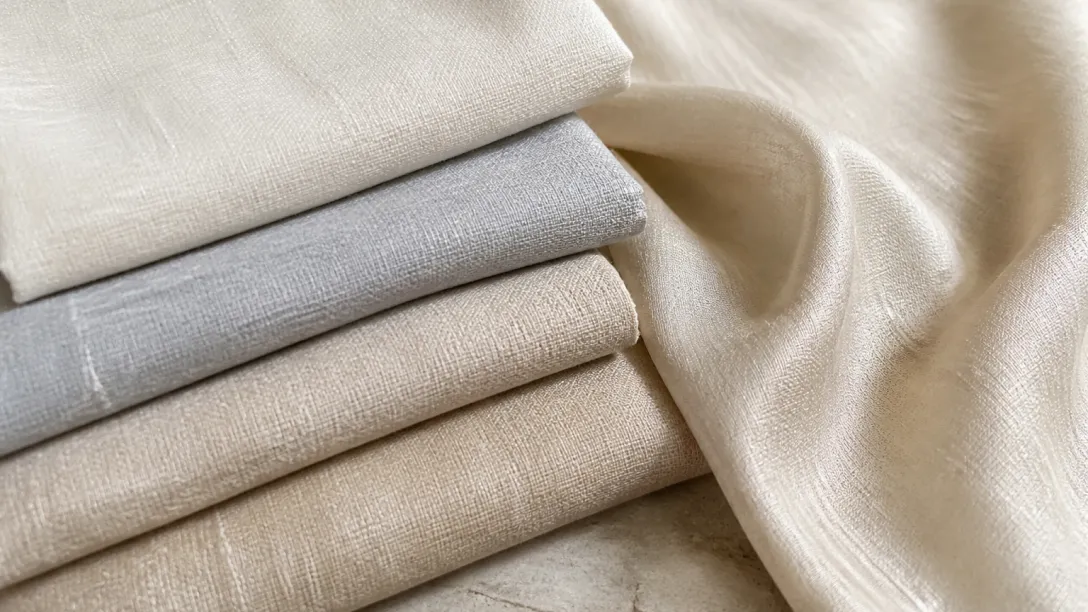
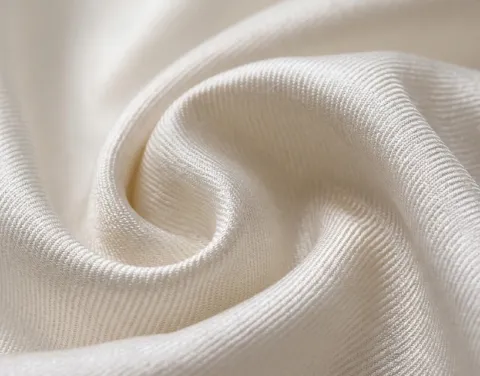
Silk cotton fabric is produced by weaving together silk and cotton yarns — either by blending the fibers before spinning, or more commonly by using silk yarn in one direction and cotton yarn in the other, or plying the two fibers into a single yarn. The construction method matters because it determines how the fabric behaves: blended spun yarns give a uniform surface, while warp-and-weft separation lets each fiber dominate one face of the fabric. The most common commercial ratios are 30/70, 50/50, and 55/45 (silk to cotton), with the silk share driving luster and hand feel, and the cotton share driving structure, opacity, and cost efficiency.
It is worth being precise about what silk cotton is not. It is not a silk fabric with cotton-like properties, and it is not cotton with a silk finish. The two fibers are physically present throughout the fabric, and both declare themselves on the fiber content label — which means the blend ratio is a regulated claim in most export markets, verified through quantitative fiber analysis methods such as the ISO 1833 series. When a supplier quotes "silk cotton" without stating a ratio, that is the first specification gap a buyer should close, because a 30/70 fabric and a 55/45 fabric are different products with different price logic and different end-use suitability.
Silk Cotton vs. Pure Silk vs. Pure Cotton
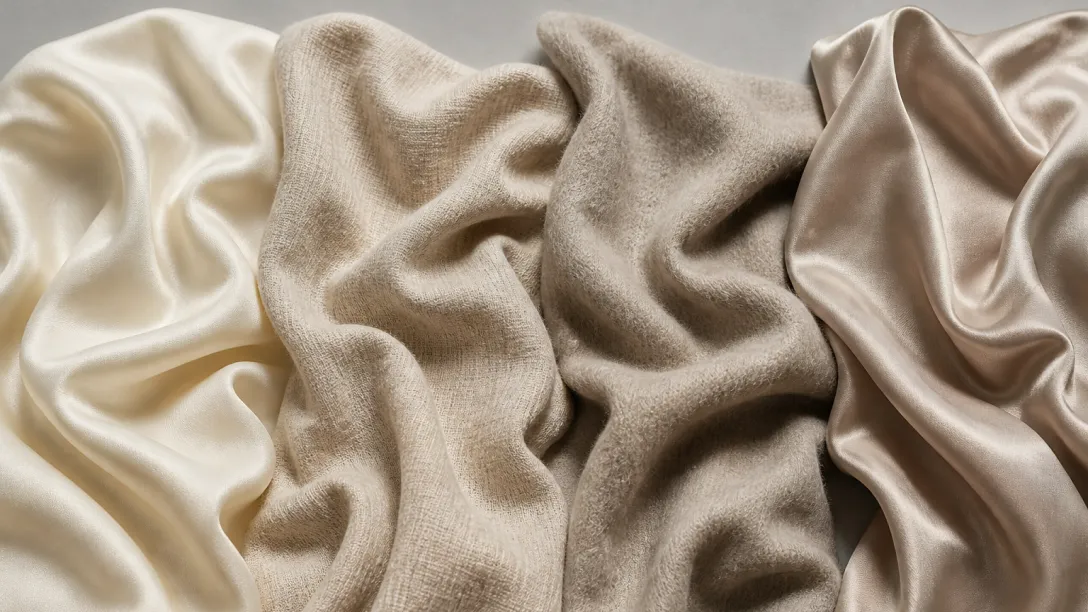
The honest way to position silk cotton is against its two parent fibers, because buyers choose it precisely for what it borrows from each. Against pure silk — whether a lightweight silk charmeuse or a crisp weave — silk cotton trades a degree of liquid drape and deep luster for better structure, higher opacity at low weight, easier care, and a substantially lower fiber cost. Against pure cotton, it adds the sheen, softness, and temperature-regulating comfort that cotton alone cannot produce, at a moderate premium. The practical comparison looks like this:
| Property | Silk Cotton (50/50) | Pure Silk | Pure Cotton |
|---|---|---|---|
| Luster | Soft, muted sheen | High, luminous | Matte |
| Drape | Fluid with body | Liquid | Structured |
| Breathability | Excellent | Very good | Excellent |
| Wrinkle behavior | Moderate | Moderate to high | High |
| Care difficulty | Moderate | High | Low |
| Relative fiber cost | Medium | High | Low |
Two implications follow from this positioning. First, silk cotton should never be marketed or specified as a cheap substitute for pure silk — it is a different product with its own strengths, and programs that treat it as "discounted silk" end up with mismatched quality expectations. Second, its most defensible selling point is comfort economics: in warm-weather categories, it outperforms pure silk on opacity and care, and outperforms cotton on hand feel and perceived value, which is exactly where mid-market premium brands compete.
Common Weaves, Weights, and Specifications
Silk cotton is woven in the same families of construction as pure silk, but the cotton content pushes the practical range toward lighter, more open structures. Plain weaves dominate — the blend's natural habitat is the voile-to-habotai weight range, where the cotton yarn adds opacity and stability that pure silk achieves only at higher momme. For context on how silk weights translate across constructions, our guide to silk momme weights covers the measurement system in detail; silk cotton fabrics are typically specified in GSM, with common commercial weights running from about 45 to 90 GSM — the equivalent of roughly 8 to 14 momme in pure silk terms. Twill versions add diagonal texture and slightly better wrinkle recovery, while satin-weave silk cotton pushes the silk yarn to the face for maximum sheen at moderate cost.
When writing specifications, buyers should fix five parameters rather than one: the exact blend ratio by weight, the yarn count or denier of each component, the weave construction, the finished weight in GSM, and the width and finishing state (greige, dyed, or printed). A spec sheet that reads only "silk cotton, soft quality, light weight" is an invitation for interpretation drift between sampling and bulk production. The specifications section of any purchase order should also state the tolerance on blend ratio — ±3% is a common commercial allowance — because that tolerance determines what a third-party fiber analysis will accept.
Best Applications for Silk Cotton Fabric
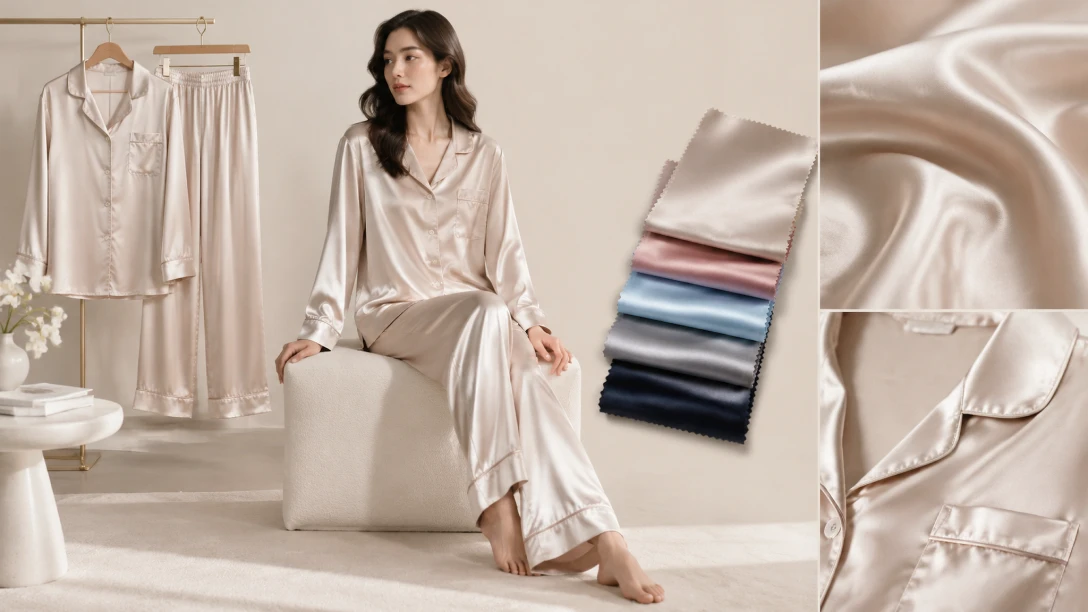
The application map for silk cotton follows directly from its property balance. Lightweight plain weaves in the 45 to 70 GSM range are the standard material for summer scarves and square wraps, where the cotton content gives the body and opacity that printed designs need, and the silk content gives the hand feel that justifies premium positioning — a natural fit for programs built around custom silk scarves. In apparel, silk cotton is the workhorse of warm-weather shirting, blouses, and dresses: it sews more predictably than pure silk, holds a press better, and tolerates the washing frequency that everyday garments face, which is why it appears so often in custom silk clothing programs aimed at accessible luxury price points.
Beyond the core categories, silk cotton earns its place in several quieter roles. It is an excellent lining fabric for premium garments, offering better breathability than polyester linings at a lower cost than pure silk linings. Kidswear and baby lines favor high-cotton ratios for softness against sensitive skin with easier laundry care. And in the home segment, lightweight silk cotton appears in summer coverlets and decorative cushions where pure silk would be too delicate for daily use. The categories where silk cotton is the wrong choice are equally clear: formal evening wear that depends on liquid drape, heavy winter applications, and any product where the marketing story requires 100% silk content.
Dyeing, Printing, and Care Considerations
The two-fiber composition creates the blend's most technical chapter. Silk accepts acid dyes while cotton requires reactive dyes, so dyeing silk cotton is a balancing act: a single-bath union dyeing process can produce a solid color on both fibers, but achieving perfectly matched shades across the two fiber types requires careful dye selection and process control. This same chemistry becomes an advantage in cross-dyeing, where the two fibers take color differently to produce two-tone or chambray effects that are impossible in single-fiber fabrics. For printed products, silk cotton is among the friendliest substrates in the silk family: the cotton content stabilizes the fabric during printing, and both digital and screen printing deliver sharp, well-anchored results at weights where pure silk would demand more handling care.
Care positioning is a genuine selling point that brands should specify rather than assume. High-cotton blends tolerate gentle machine washing far better than pure silk — a meaningful difference from the hand-wash discipline that garments like charmeuse require, as detailed in our guide on how to wash silk charmeuse. The care instructions should still be set conservatively: cool water, mild detergent, low spin, and shade drying preserve both fibers. Shrinkage deserves explicit attention in specifications — cotton content introduces shrinkage potential that pure silk lacks, so pre-shrunk or sanforized finishing should be confirmed for garment programs, with residual shrinkage targets written into the quality agreement.
How to Source Silk Cotton Fabric from a Manufacturer
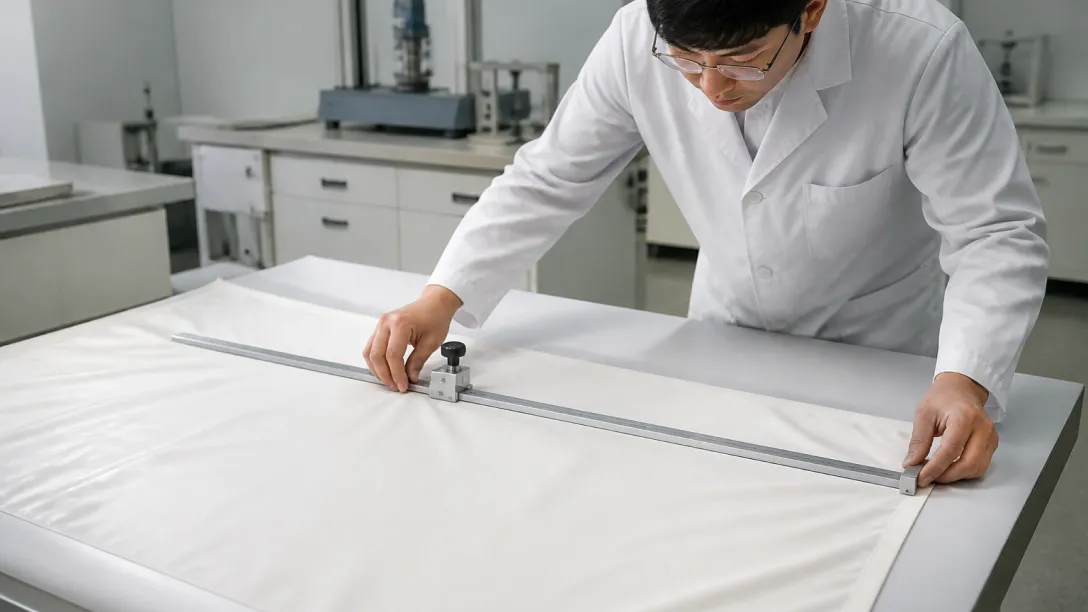
Sourcing silk cotton well is mostly a matter of verification discipline, because the blend's value proposition depends on what is actually in the fabric. The first checkpoint is composition verification: reputable manufacturers support blend ratio claims with third-party fiber analysis, and buyers should expect test reports referencing recognized quantitative methods rather than supplier declarations alone. The second checkpoint is physical sampling — a hand feel evaluation tells an experienced buyer whether the silk share is delivering the promised luster, and a simple light-box test reveals opacity at the specified weight. The third is process transparency: dyeing method, finishing treatments, and pre-shrinkage processing should all be documented before bulk production begins.
Commercially, silk cotton sits in a favorable position in the current market. With raw silk prices firm and cotton well supplied, the blend's cost advantage over pure silk has widened, making it an increasingly rational choice for programs under margin pressure. Buyers should still qualify suppliers on the fundamentals — documented quality systems, recognized certifications such as those listed on our certifications page, and willingness to run pre-production samples against written specifications. For a broader framework on evaluating blended silk fabrics across fiber types, our silk blend fabrics guide maps the full category, and our silk chiffon fabric guide covers the lightweight pure-silk alternative when a program can support it. The dedicated specifications for our own blend are published on the silk cotton fabric page.
Silk cotton rewards buyers who specify it precisely. Fix the ratio, the weight, and the finishing in writing; verify composition independently; and position the fabric on its own merits rather than as a stand-in for pure silk. Programs that follow that discipline get a material that is honest, versatile, and commercially resilient. If you are planning a silk cotton program — scarves, apparel, or a custom construction — contact our team with your specifications for sampling and quotation.
FAQ
Silk cotton fabric is woven from two natural fibers: silk and cotton. The fibers are either blended before spinning or woven with silk yarn in one direction and cotton yarn in the other. Both fibers appear on the content label, and the blend is valued for combining silk's luster and softness with cotton's structure, breathability, and easier care.