Batas de seda: guía de un fabricante sobre estilos, peso en momme y confección de calidad


Una bata de seda se vende por dos cosas: cómo se siente y cómo luce al echársela encima. Ambas se reducen a decisiones que la mayoría de las fichas de producto pasan por alto — el ligamento de la seda, el peso en momme, el corte de la manga y cómo se rematan las costuras por dentro. Acierta en eso y tienes una bata que la gente conserva durante años; falla y se lee como una bata de satén barata.
Fabricamos batas de seda personalizadas en nuestra fábrica de Suzhou, desde estilos kimono y cruzada hasta cortas y de cuerpo entero. Esta guía recorre lo que de verdad hace que una bata de seda sea de calidad, los estilos y pesos entre los que elegir, y qué especificar al crear una bata para una marca o una línea de regalo.
Qué hace que una bata de seda sea de calidad
Una bata de seda de calidad se reduce a cuatro cosas: 100 % seda de morera en ligamento charmeuse, un peso en momme de alrededor de 19 a 22, fibra grado 6A y una confección limpia con costuras francesas. Muchas batas «de seda» del mercado son en realidad satén de poliéster, así que la fibra y el peso en la etiqueta son lo primero que comprobar.
Cada uno de esos elementos hace un trabajo concreto:
• Seda de morera. La fibra lisa y uniforme que da a una bata su tacto suave, brillo y durabilidad. Consulta nuestra guía «qué es la charmeuse de seda» sobre cómo trabajan juntos la fibra y el ligamento.
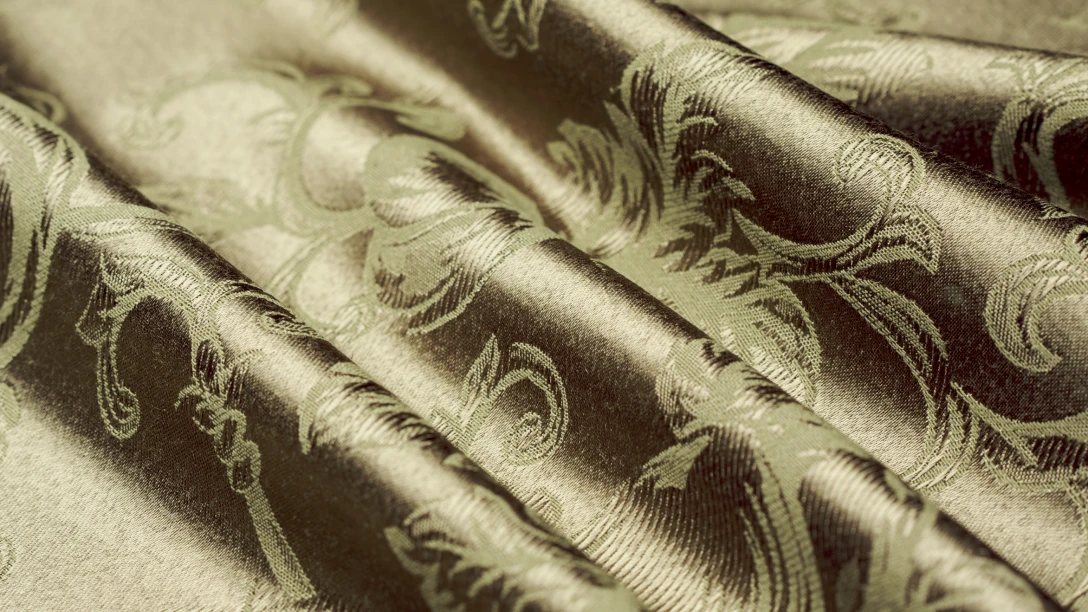
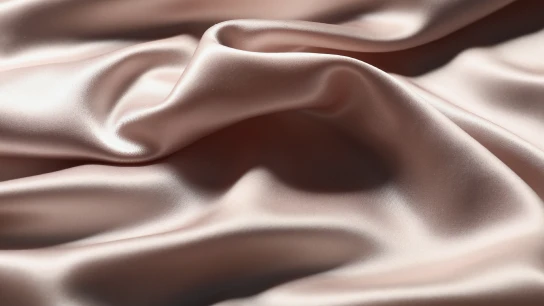
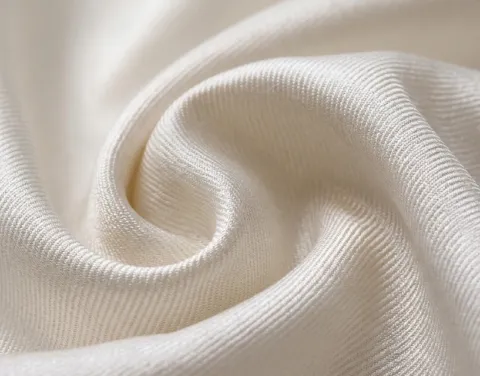
• Ligamento charmeuse. El ligamento de cara satinada usado en casi todas las batas de seda, con frente brillante, reverso mate y la caída fluida que una bata necesita. Es la misma charmeuse de seda usada en ropa de dormir y de cama premium.
• Grado 6A. El grado comercial más alto de la seda de morera — las fibras más largas y limpias, que resisten el pilling y duran.
• El momme adecuado. Lo bastante pesado para sentirse sustancial y caer bien, lo bastante ligero para drapear y moverse. Más sobre el peso abajo.
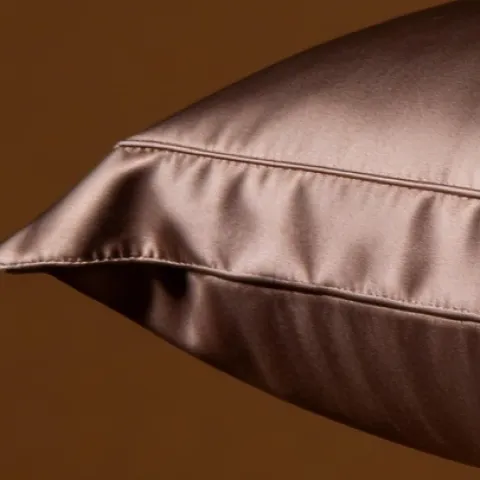
• Costuras limpias. Las costuras francesas encierran el borde en crudo dentro de la prenda para que la seda no se deshilache — la marca de una bata hecha para durar.
Si una bata no indica composición, momme y grado, trata esas ausencias como una advertencia. La seda auténtica siempre se vende con esas especificaciones.
Estilos de bata de seda: kimono, cruzada, corta y larga
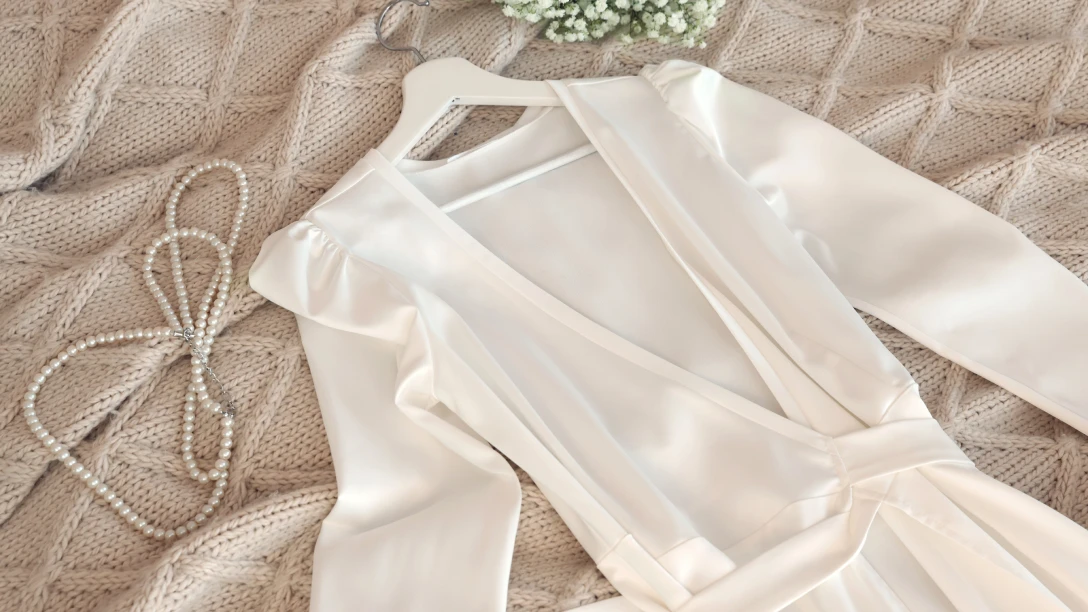
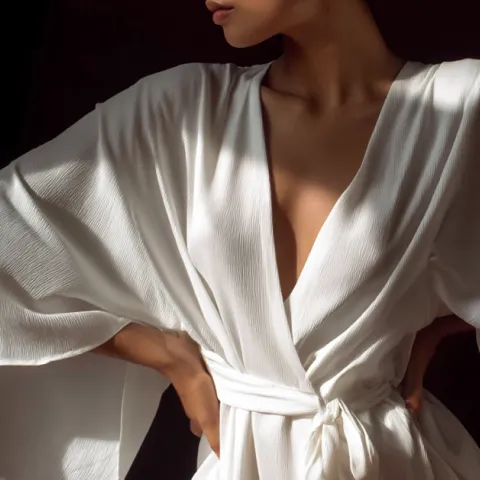
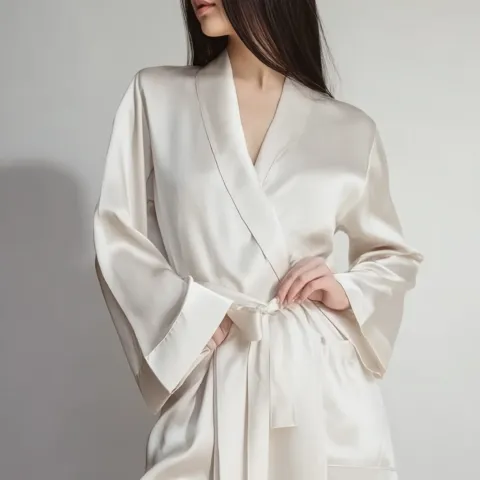
Los principales estilos de bata de seda son el kimono (mangas anchas, corte recto, cinturón anudado), la cruzada (solapamiento entallado con cinturón a juego para anudar) y las variaciones de largo — corta (de cadera a rodilla) y larga (de media pantorrilla al suelo). Las formas kimono y cruzada se adaptan a un amplio rango de tallas porque el cinturón ajusta el calce.
| Estilo | Corte | Mejor para |
| Bata kimono | Corte recto en T, mangas anchas caídas, cinturón anudado, sin estructura | Superponer sobre conjuntos, descansar, un look con estilo |
| Bata cruzada | Frente solapado, cinturón a juego para anudar, más ceñida al cuerpo | Descanso diario, favorecedora en todos los tipos de cuerpo |
| Bata corta (cadera-rodilla) | Más ligera, menos tela | Clima cálido, viaje, preparación de la novia, salida de playa |
| Bata larga (pantorrilla-suelo) | Cobertura completa, caída dramática | Tardes frescas, loungewear de impacto, hotel y spa |
Unas notas para elegir:
• Kimono o cruzada. Un kimono cae recto desde los hombros con mangas anchas y se lee más como una capa ligera; una cruzada se ciñe más al cuerpo y se lee más como loungewear clásico. El cinturón de ambas las hace tolerantes a la talla.
• Largo según el uso. Las batas cortas se empacan planas y convienen a climas cálidos y fotos del cortejo; las largas dan cobertura y un look más dramático para estaciones frescas y hostelería.
• Forma de la manga. Cambia la silueta más de lo que los compradores esperan — una manga kimono ancha es una prenda distinta de una manga montada, incluso en la misma tela.
La seda y el peso en momme adecuados para una bata
Para las batas de seda, de 19 a 22 momme es el punto óptimo. Es lo bastante pesado para sentirse sustancial y caer con un drapeado fluido, manteniéndose a la vez lo bastante ligero para moverse y superponerse. Por debajo de 19 momme una bata se siente fina; por encima de 25 se vuelve pesada y rígida para una prenda pensada para fluir.
El momme es la unidad de peso de la seda — un momme equivale a unos 4,34 gramos por metro cuadrado. Para una prenda fluida como una bata, el peso es un equilibrio:
• 16-19 momme. Ligera y aireada, con el drapeado más fluido. Buena para batas de clima cálido y verano, aunque el extremo más ligero puede sentirse insustancial.
• 19-22 momme. El rango estándar para batas de seda. Tacto sustancial, buena caída y durabilidad al uso y al lavado. 22 momme es la opción premium habitual.
• 25 momme y más. Más pesada y estructurada. Algunas batas de lujo lo usan para un tacto más denso, pero cuesta más y se mueve menos, así que es la excepción para batas.
El grado importa tanto como el peso. Una bata de 19 momme en seda de morera grado 6A se siente más lisa y dura más que una bata más pesada de grado inferior, así que lee el momme y el grado juntos. Nuestra guía del peso en momme de la seda desglosa el peso entre productos.
Cómo se confecciona una bata de seda
Los detalles de confección separan una bata que las marcas reordenan de una que se devuelve. Esto es lo que mirar, y lo que incorporamos a las nuestras.
• Costuras francesas en todo. La charmeuse se deshilacha, así que las costuras interiores deben encerrar el borde en crudo. Las costuras francesas dan un interior limpio y evitan que la tela se deshaga a lo largo de los años. Nuestra guía de técnicas de costura de la seda cubre la construcción de la costura en detalle.
• Cinturón a juego para anudar y atadura interior. Un cinturón a juego más una atadura de cintura interior mantienen el cruce cerrado y el calce ajustable. Las trabillas en las costuras laterales evitan que se pierda el cinturón.
• Bolsillos en las costuras laterales. Prácticos para una bata de descanso y una característica que los compradores buscan; bolsas de bolsillo limpias en la misma tela mantienen la línea lisa.
• Acabado de manga y cuello. Un cuello y puño con vista o autorribeteado dan un borde limpio; el vivo o ribete en contraste es una mejora común.
• Dobladillo uniforme y estrecho. Un dobladillo estrecho y uniforme preserva la caída. Un dobladillo pesado arrastra hacia abajo una bata ligera.
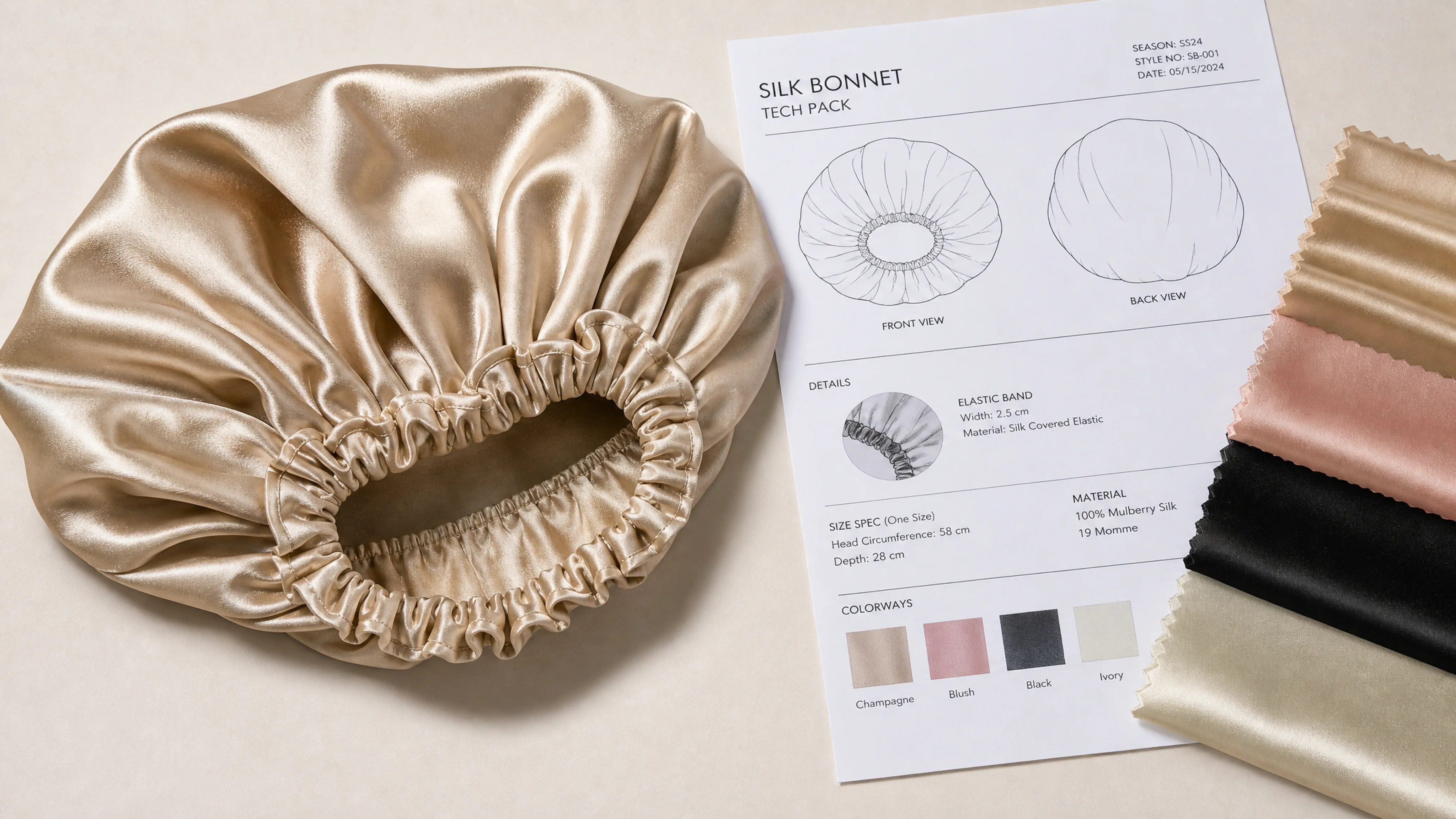
Para las marcas, estos son los puntos de especificación que fijar en una ficha técnica: ligamento, momme, grado, estilo, largo, tipo de manga, ubicación del cinturón y las trabillas, bolsillos, ribete, etiqueta y escalado de tallas.
Para qué se usan las batas de seda
Una bata de seda abarca más terreno que la ropa de dormir, lo que es parte de por qué se vende bien.
• Loungewear y ropa de dormir. El uso central — sobre un camisón, lencería, o sola en casa. Combina con los pijamas de seda como conjunto coordinado.
• Batas de novia y de dama de honor. Un gran mercado — batas de seda cortas a juego para la mañana de preparación del cortejo, a menudo con monograma. Fuerte para personalización y sets de regalo de seda.
• Amenidades de hotel y spa. Batas de seda de cuerpo entero para suites premium y spas.
• Regalo. Un regalo popular en toda ocasión; una guía de tallas clara convierte un regalo en algo que se conserva en vez de una devolución.
• Superposición y uso de día. Una bata estilo kimono sirve también como capa ligera sobre un conjunto.
Cómo identificar una bata de seda auténtica
Muchas batas vendidas como «seda» son satén de poliéster con un nombre que suena a seda. Estas comprobaciones confirman la auténtica.
• La etiqueta indica «100 % seda de morera» con un peso en momme. Sin composición ni momme suele significar poliéster.
• Se especifica el grado 6A. El grado más alto; su ausencia en una bata de precio premium es una señal.
• El reverso es mate. La charmeuse auténtica tiene un frente brillante y un reverso notablemente mate; el satén de poliéster suele ser brillante por ambos lados.
• Se siente fresca al primer tacto. La seda se siente fresca y luego se entibia; el poliéster se queda a temperatura ambiente y puede sentirse pegajoso.
• Costuras francesas por dentro. Las batas de seda de calidad rematan las costuras interiores; las baratas dejan bordes en crudo o sobrehilados.
• Certificación OEKO-TEX. Confirma que el teñido y el acabado están libres de residuos nocivos, lo que importa para una prenda que se lleva sobre la piel. Mira qué cubre en nuestra página de certificaciones.
Cuidado de una bata de seda
Una bata de seda dura años con el cuidado adecuado.
• Lavar a mano en frío, o ciclo delicado en bolsa de malla. Usa agua fresca y un detergente de pH neutro o específico para seda. Comprueba primero la etiqueta de cuidado y la solidez del color.
• Sin lejía, sin suavizante. La lejía destruye la seda; el suavizante apaga la superficie y puede acumularse.
• No escurrir. Presiona el agua con suavidad entre toallas.
• Secar al aire a la sombra. En plano o colgada lejos del sol directo, y nunca en secadora.
• Planchar bajo o vaporizar. Plancha en ajuste de seda bajo por el revés con un paño, o vaporiza colgada.
• Guardar colgada. Una bata fluida se marca en los pliegues si se guarda doblada, así que cuélgala para mantener la caída limpia.
Nuestra guía de cómo lavar la charmeuse de seda cubre toda la rutina.
Abastecimiento de batas de seda personalizadas para tu marca
Un programa de batas vive o muere por la tela y la confección. Charmeuse de morera 6A a 19-22 momme, con costuras francesas y bien rematada, te da una bata que fotografía bien y sobrevive al lavado; la seda fina de bajo grado o el poliéster se leen como baratos y se devuelven. Fija el ligamento, el momme, el grado, la confección y la certificación antes de la producción.
DreamSilk fabrica batas de seda personalizadas de principio a fin en nuestra fábrica de Suzhou — kimono, cruzada, corta y de cuerpo entero, en charmeuse de seda de morera grado 6A, certificada OEKO-TEX. Personalizamos el color y el estampado, el ribete y el vivo, el cinturón y los bolsillos, las etiquetas tejidas, el escalado de tallas y el embalaje, y producimos conjuntos a juego entre pijamas de seda y ropa de seda más amplia para líneas coordinadas. Para estampados y opciones de patrón a medida, consulta nuestra biblioteca de patrones de seda.
Indícanos tu estilo, momme, color o estampado, tallas y volumen. Enviaremos muestras de tela gratuitas y una muestra para que compruebes el tacto y la confección, junto con una ficha técnica clara. Explora nuestra página de bata de seda personalizada o contáctanos para un presupuesto para empezar.
FAQ
Para las batas de seda, de 19 a 22 momme es el punto óptimo. Es lo bastante pesado para sentirse sustancial y caer bien, manteniéndose a la vez lo bastante ligero para fluir y superponerse. 22 momme es la opción premium habitual; por debajo de 19 una bata se siente fina, y por encima de 25 se vuelve pesada y rígida para una prenda fluida. Lee el momme junto con el grado — una bata de 19 momme 6A se siente mejor que una más pesada de bajo grado.