Bonnet en soie pour cheveux : guide d'un fabricant sur les bienfaits, soie vs satin et le choix d'un bonnet de qualité


Un bonnet en soie fait bien une seule chose : il garde vos cheveux loin du coton pendant que vous dormez. Cette surface lisse et à faible friction est ce qui protège les boucles, les contours et les coiffures durant la nuit, et c'est pourquoi le bonnet est un incontournable nocturne pour les cheveux texturés et colorés. Le hic, c'est que la plupart des bonnets vendus comme « soie » sont en réalité du satin polyester, alors mieux vaut connaître la différence avant d'acheter ou de fabriquer.
Nous fabriquons des bonnets en soie personnalisés dans notre usine de Suzhou, en soie de mûrier. Ce guide explique ce qu'un bonnet en soie apporte aux cheveux, comment la soie et le satin se comparent vraiment, qui en profite le plus et ce qui rend un bonnet digne d'être gardé — que vous en choisissiez un ou que vous approvisionniez une gamme.
Qu'est-ce qu'un bonnet en soie et comment il protège les cheveux
Un bonnet en soie est un couvre-chef en 100 % soie, généralement de mûrier, porté sur les cheveux pendant le sommeil. Il protège les cheveux en remplaçant le coton rugueux et absorbant par une surface de soie lisse, ce qui réduit la friction et la perte d'hydratation responsables des frisottis, de la casse et de la sécheresse nocturnes.
Les taies en coton jouent contre les cheveux de deux façons : les fibres rugueuses accrochent la cuticule lorsque vous bougez, et le coton absorbant aspire l'hydratation et les produits hors des mèches. Un bonnet en soie corrige les deux. Les bienfaits tiennent à quelques propriétés de la soie :
• Faible friction. La surface de soie lisse laisse les cheveux glisser au lieu d'accrocher, ce qui réduit la casse, les pointes fourchues, les frisottis et les nœuds du matin.
• Rétention d'hydratation. La soie n'absorbe qu'un peu d'humidité ambiante, elle n'aspire donc pas les huiles naturelles et les produits comme le fait le coton. Les cheveux restent hydratés toute la nuit.
• Moins d'électricité statique. Fibre protéique, la soie génère peu de statique, d'où moins de mèches rebelles et de frisottis dans les pièces sèches ou chauffées.
• Respirante et régulatrice de température. La soie laisse passer l'air et la vapeur d'eau, gardant le microclimat du cuir chevelu sec et frais. Le polyester emprisonne chaleur et sueur, ce qui peut à terme nourrir les irritations.
• Douce pour la peau. La soie de mûrier est naturellement hypoallergénique, ce qui convient aux cuirs chevelus et contours sensibles.
Le mécanisme est le même que celui d'une taie en soie, appliqué à un couvre-chef qui bouge avec vos cheveux toute la nuit. Notre guide des bienfaits de la taie en soie approfondit la science des cheveux et de la peau.
Bonnet en soie vs bonnet en satin : la vraie différence
La différence essentielle est la fibre : la soie est une fibre protéique naturelle, tandis que le « satin » est une armure, et la plupart des bonnets en satin sont en polyester. Les deux créent une surface lisse et à faible friction qui protège les cheveux, mais la soie ajoute respirabilité, meilleure gestion de l'humidité et confort hypoallergénique que le satin synthétique n'égale pas.
C'est la question qui bloque la plupart des acheteurs, voici donc l'analyse honnête. Un bonnet étiqueté « satin » ou « soyeux » est presque toujours en polyester, puisque le satin décrit l'armure plutôt que la matière. Méfiez-vous aussi de « satin de coton », qui est du coton et un mauvais choix pour les cheveux.
| Propriété | Bonnet en soie (soie de mûrier) | Bonnet en satin (polyester) |
| Matière | Fibre protéique naturelle | Armure synthétique (polyester) |
| Friction | Très faible | Faible |
| Respirabilité | Élevée ; régulatrice de température | Plus faible ; peut retenir chaleur et humidité |
| Rétention d'hydratation | Élevée ; n'aspire pas les huiles | Bonne, mais moindre que la soie |
| Statique | Minime | Peut accumuler de la statique en air sec |
| Confort du cuir chevelu | Hypoallergénique, respirante | Correct pour la plupart ; moins respirant |
| Durabilité | 12-24+ mois avec un soin doux | 6-12 mois ; l'élastique s'use plus vite |
| Entretien | Lavage à la main, séchage à l'air | Lavage machine (délicat) ; plus tolérant |
| Coût | Plus élevé | Plus bas ; vegan |
À retenir : la soie est le choix premium, et elle prend l'avantage surtout pour les cuirs chevelus sensibles ou sujets à l'eczéma, les cheveux colorés ou très fins et les dormeurs qui ont chaud, là où la respirabilité et la fibre naturelle comptent. Un bon bonnet en satin polyester est une option budget solide, il est vegan et supporte bien le lavage en machine. Pour les cheveux naturels et texturés, les deux protègent bien, et passer à la soie tient à la respirabilité, à la longévité et au confort cutané.
Un point commun aux deux matières : l'ajustement compte autant que le tissu. Un bonnet fin qui glisse pendant la nuit protège moins qu'un bonnet bien fait qui tient en place.
Quels types de cheveux profitent le plus d'un bonnet en soie
Un bonnet aide tous les types de cheveux, mais le bénéfice augmente avec la texture et les traitements.
• Crépus et frisés serrés (Type 4). Les plus grands bénéficiaires. Les cheveux de Type 4 sont naturellement plus secs car les huiles descendent la mèche de façon inégale, donc la rétention d'hydratation nocturne et la protection des contours comptent le plus.
• Bouclés (Type 3). La soie conserve la définition des boucles et l'hydratation ; l'essentiel est d'avoir de la place pour rassembler les boucles librement en « ananas » afin que le bonnet n'écrase pas le motif.
• Ondulés (Type 2). Aide à maintenir la définition des ondulations que la friction défferait sinon pendant la nuit.
• Raides (Type 1). Un bénéfice modéré mais réel — moins de plis, de statique et de mèches rebelles, et il préserve les brushings et les résultats au lisseur.
• Coiffures protectrices, cheveux colorés et très fins. Tresses, locs, twists et un silk press récent durent tous plus longtemps sous un bonnet. Les cheveux traités chimiquement et très fins sont déjà fragiles, la friction réduite protège donc le travail du salon et limite la casse.
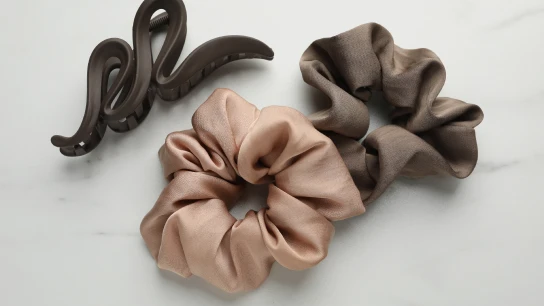
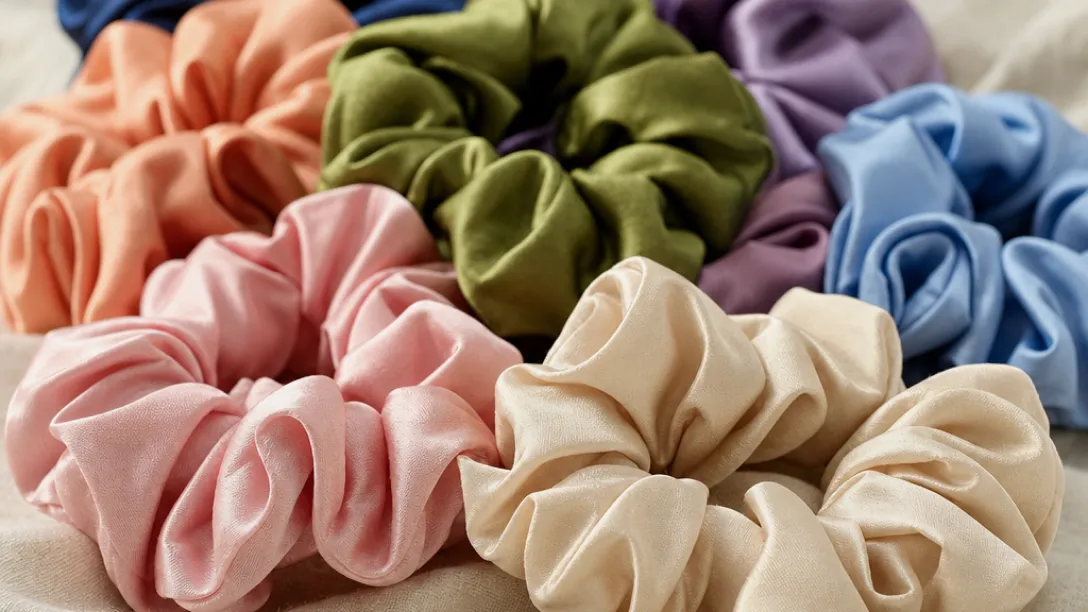
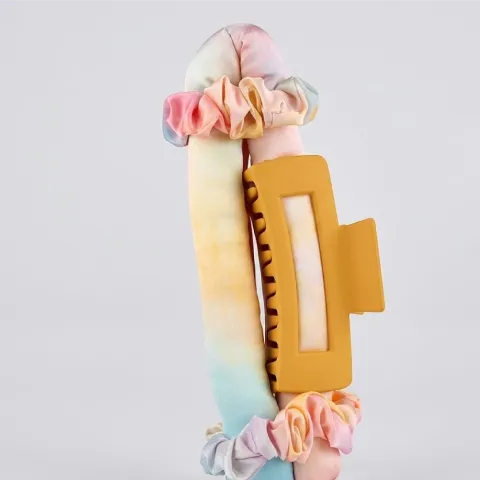
La même logique de faible friction vaut pour les accessoires capillaires de jour — nos accessoires capillaires en soie comme les chouchous fonctionnent sur le même principe pour les queues-de-cheval et les chignons.
Ce qui fait un bonnet en soie de qualité
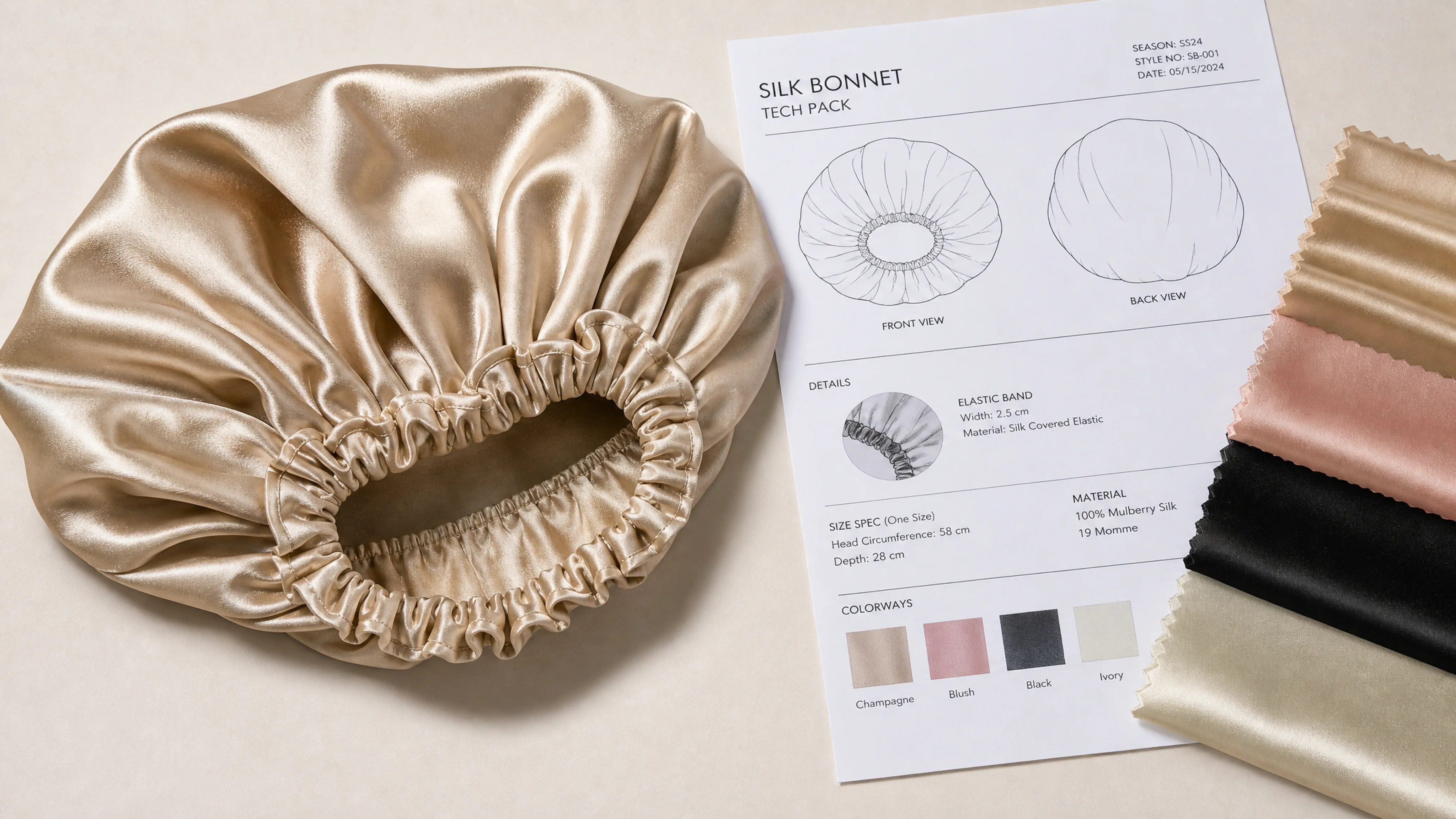
Un bonnet en soie de qualité a un intérieur en 100 % soie de mûrier lisse (la couche qui touche les cheveux), une confection doublée qui garde sa forme, une bande large, douce et réglable qui tient sans serrer, et une taille généreuse sans coutures intérieures rugueuses. Le tissu et l'ajustement décident tous deux de la qualité de protection.
Ce qu'il faut vérifier, et ce que nous intégrons aux nôtres :
• Intérieur 100 % soie de mûrier. La couche en contact avec les cheveux doit être en vraie soie charmeuse de mûrier, généralement autour de 19 à 22 momme — lisse, durable et assez substantielle pour durer. Voir notre aperçu de la soie charmeuse et notre guide du poids en momme pour le sens de ces spécifications.
• Confection doublée. Une double couche est plus durable, garde sa forme au lavage et protège mieux qu'une seule couche fine. Les modèles réversibles en double soie sont courants dans le haut de gamme.
• Bande douce, large et réglable. Un élastique large, un cordon ou une bande à deux niveaux maintient le bonnet toute la nuit sans creuser la ligne des cheveux, les contours ou la nuque. La réglabilité l'empêche de glisser.
• Taille généreuse et profondeur de calotte. Assez de place pour contenir boucles rassemblées, tresses ou un silk press sans les écraser.
• Intérieur lisse, coutures nettes. Passez la main à l'intérieur — il doit sembler parfaitement lisse, sans coutures rugueuses qui accrochent les cheveux.
Comment reconnaître un vrai bonnet en soie
Beaucoup de bonnets sont vendus comme « soie » mais sont en satin polyester. Ces vérifications confirment l'authentique.
• L'étiquette indique « 100 % soie de mûrier » avec un poids en momme. « Satin », « soyeux » ou aucune composition signifie que ce n'est pas de la soie.
• Elle est fraîche au premier toucher. La soie est fraîche puis se réchauffe à la peau ; le polyester reste à température ambiante.
• L'envers est mat. La soie charmeuse a un endroit brillant et un envers mat ; le satin polyester est souvent brillant des deux côtés.
• Test de combustion sur un fil libre. Si vous avez un échantillon, la vraie soie brûle lentement, sent les cheveux brûlés et s'auto-éteint ; le polyester fond en perle et sent le plastique.
• Certification OEKO-TEX. Elle confirme que la soie est exempte de résidus chimiques nocifs, ce qui compte contre le cuir chevelu et la ligne des cheveux. Voir notre page certifications.
Comment porter un bonnet en soie
Tirer le meilleur d'un bonnet est simple.
• Commencez avec des cheveux secs. Mettre un bonnet sur cheveux mouillés emprisonne l'humidité contre le cuir chevelu, ce qui peut causer des irritations. Séchez en serviette ou laissez sécher d'abord.
• Rassemblez les cheveux librement. Boucles en « ananas » sur le dessus, ou tressez/chignonnez librement les cheveux longs, pour éviter les nœuds et garder le volume.
• Rentrez tout. Assurez-vous que le bonnet couvre tous vos cheveux, contours compris, la bande reposant confortablement le long de la ligne des cheveux.
• Portez-le chaque nuit. Les bienfaits se cumulent, c'est donc l'usage nocturne régulier qui réduit la casse cumulée et garde les coiffures fraîches.
Si votre bonnet bouge pendant la nuit, une taie lisse en dessous garde de toute façon les cheveux loin du coton. Beaucoup utilisent ensemble une taie en soie et un bonnet.
Entretenir un bonnet en soie
Un bonnet en soie dure un an ou plus avec un soin doux.
• Lavage à la main à l'eau fraîche. Utilisez de l'eau sous 30 °C et une lessive au pH neutre ou spécifique soie. Lavez toutes les une à deux semaines, ou chaque semaine en cas d'usage intensif de produits.
• Ni eau de Javel ni assouplissant. Les deux abîment la soie et l'élastique, et l'assouplissant ternit la surface.
• Ne tordez pas, ne frottez pas. Pressez l'eau délicatement. Une manipulation rude déforme le tissu et la bande.
• Séchage à l'air à l'ombre. À plat ou suspendu à l'écart du soleil direct, et jamais au sèche-linge, la chaleur rétrécissant et affaiblissant la soie.
• Rangement respirant. Gardez-le dans un sac en coton ou un tiroir, pas un sac plastique, qui retient l'humidité.
Notre guide du lavage de la soie charmeuse détaille la routine de lavage.
S'approvisionner en bonnets en soie personnalisés pour votre marque
Le bonnet en soie est au cœur du marché des cheveux naturels et des coiffures protectrices, et la fabrication est ce qui sépare un réachat d'un retour. Un intérieur en vraie soie de mûrier, doublé, avec une bande douce réglable et des coutures nettes, donne un bonnet qui protège bien et dure ; un polyester fin avec une étiquette « soie » non. Verrouillez la teneur en soie, le momme, la doublure, la bande et le tailles avant la production.
DreamSilk fabrique des bonnets en soie personnalisés de bout en bout dans notre usine de Suzhou, en soie charmeuse de mûrier grade 6A, certifiée OEKO-TEX. Nous personnalisons la bande et les tailles, la couleur et l'impression, la confection doublée ou réversible, les étiquettes tissées et l'emballage, et produisons des accessoires capillaires et taies en soie assortis pour une gamme capillaire complète. Pour les impressions et motifs personnalisés, voir notre bibliothèque de motifs en soie.
Indiquez-nous votre confection, votre momme, votre couleur ou impression, vos tailles et votre volume. Nous enverrons des échantillons gratuits et un prototype pour que vous vérifiiez la douceur intérieure et la bande, ainsi qu'une fiche technique claire. Découvrez notre page bonnet en soie personnalisé ou contactez-nous pour un devis pour commencer.
FAQ
Sur la plupart des critères, oui. Un bonnet en soie est plus respirant, gère mieux l'humidité et est plus doux pour un cuir chevelu sensible qu'un bonnet en satin polyester, et il dure plus longtemps avec du soin. Un bon bonnet en satin protège tout de même bien les cheveux, est moins cher et vegan, et se lave plus facilement en machine. La soie prend l'avantage surtout pour les cuirs chevelus sensibles, les cheveux colorés ou très fins et les dormeurs qui ont chaud.