
Qu'est-ce que le tissu en sergé de soie ? Guide d'un fabricant sur l'armure, le momme, les utilisations et la qualité


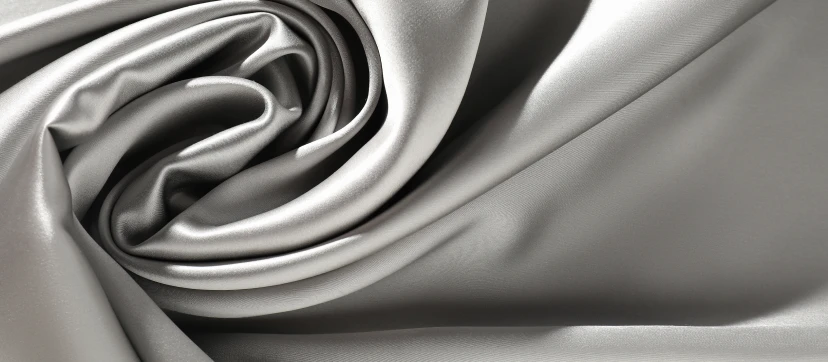
Le sergé de soie (silk twill) est un tissu 100 % soie de mûrier tissé selon une armure sergée, ce qui donne à la surface de fines côtes obliques, un éclat mat et doux, et plus de structure que les soies lisses comme la charmeuse. Il conserve des impressions nettes, résiste au froissement et supporte bien les manipulations quotidiennes, ce qui explique pourquoi c'est le tissu standard pour les foulards de luxe et les accessoires imprimés. Le sergé est une armure, pas une fibre, donc « sergé de soie » signifie simplement des fils de soie tissés dans cette construction diagonale.
Nous tissons, teignons et imprimons du sergé de soie sur mesure dans notre usine de Suzhou pour des marques de foulards, des marques de mode et des grossistes en tissus. Ce guide explique comment fonctionne l'armure sergée, quel poids en momme convient à quel produit, comment le sergé se compare à la charmeuse et au crêpe de chine, et ce qu'il faut vérifier avant de passer une commande en gros.
Qu'est-ce que le tissu en sergé de soie ?
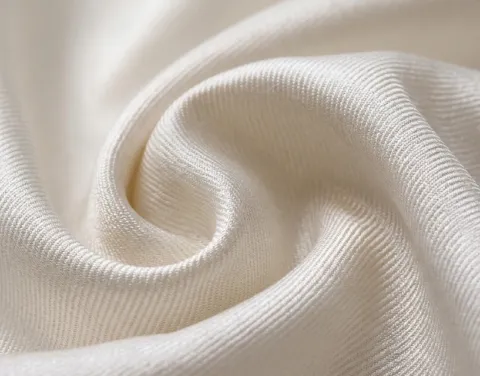
Le sergé est l'une des trois armures de base, avec la toile et le satin. Dans un sergé de soie standard, chaque fil de chaîne passe sur deux fils de trame et sous un, et le point d'entrelacement se décale d'un fil sur le côté à chaque rangée. C'est ce décalage qui crée la côte diagonale visible courant sur le tissu. La même famille d'armure vous donne le denim ; avec du fil de soie, cela devient doux, fin et raffiné.
La diagonale a une direction. Sur la plupart des sergés de soie, la côte qui monte vers la droite est l'endroit, et l'envers descend vers la gauche. Cela a de l'importance lors de la coupe et de la couture, et lorsque vous décidez entre une impression simple ou double face. La surface présente un lustre faible et uniforme — plus mat que le satin ou la charmeuse de soie, et plus net qu'une armure toile plate. Les anciens noms commerciaux de ce tissu incluent le foulard ou l'armure, mais toute association de « soie » et de « sergé » désigne le même tissu.
Comment l'armure sergée modifie les performances
L'entrelacement décalé répartit la contrainte mécanique sur plus de points de contact que les longs fils flottants d'une armure satin. En pratique, cela confère au sergé de soie une meilleure résistance à l'abrasion que les soies à armure toile ou satin et beaucoup moins de froissements, de sorte qu'un foulard en sergé peut être noué et dénoué tous les jours tout en reprenant sa forme. Il a également un tombé avec plus de poids plutôt que de coller au corps : la charmeuse glisse et ondule, tandis que le sergé tombe avec corps et structure. Sa surface dense et uniforme est aussi ce qui lui permet de porter de fins détails imprimés, ce que nous aborderons plus loin.
Poids en momme du sergé de soie et comment choisir
Le momme (mm) est l'unité de poids de la soie. Un chiffre plus élevé signifie un tissu plus lourd, plus dense et plus durable. Le sergé de soie couvre une large gamme, et le bon poids dépend du produit et de l'impression. Utilisez ceci comme référence de travail :
| Momme | Caractère | Idéal pour |
|---|---|---|
| 12–14 mm | Léger, fin, un peu de transparence | Twillies, petits foulards, doublures ; impression numérique simple face |
| 16 mm | Main et corps équilibrés — la valeur sûre | Foulards carrés ; impression simple et double face |
| 18–19 mm | Plus de corps et d'opacité | Grands foulards, chemises, blouses |
| 22 mm | Sensation substantielle et premium | Foulards et vêtements haut de gamme |
| 25–30 mm | Lourd, structuré, le plus cher | Vestes, pièces tailleur et tenues de soirée |
La plupart des programmes de foulards se situent entre 14 et 18 mm. Les vêtements atterrissent généralement entre 16 et 22 mm, et les vêtements structurés dépassent 25. Pour une ventilation plus complète de l'unité elle-même, consultez notre guide sur le poids en momme de la soie.
Sergé de soie vs Charmeuse, Crêpe de Chine et Satin
Les acheteurs demandent souvent quelle soie choisir. La réponse se résume à l'armure, car c'est elle qui définit le drapé, la brillance et la durabilité. Ce tableau aligne les tissus que nous fournissons le plus souvent :
| Tissu | Armure | Surface | Drapé | Durabilité | Meilleure utilisation |
|---|---|---|---|---|---|
| Sergé de soie | Sergé 2/1 (côte diagonale) | Lustre mat faible | Structuré, garde sa forme | Élevée | Foulards, cravates, chemises |
| Charmeuse de soie | Satin | Endroit brillant, envers mat | Fluide, glissant | Plus faible, accrocs | Robes, robes nuisettes, literie |
| Crêpe de chine | Toile, fils à torsion crêpe | Mat, léger aspect grainé | Doux, drapé fluide | Moyenne | Blouses, robes, foulards souples |
| Satin de soie | Satin | Haute brillance | Fluide | Moyenne | Tenues de soirée, doublures |
Un point qui mérite d'être souligné : la brillance signale l'armure, pas la qualité. Une charmeuse fine et bon marché peut sembler plus brillante qu'un beau sergé tout en étant le tissu de qualité inférieure. La qualité vient du grade de la soie, du momme et de la construction. Et lorsqu'une annonce indique uniquement « satin » sans préciser la fibre, il s'agit généralement de polyester. Si vous souhaitez l'alternative plus mate et plus fluide au sergé pour des foulards plus souples, regardez le crêpe de chine en soie ; si vous voulez l'option brillante et fluide, consultez notre guide sur la charmeuse de soie.
Ce pour quoi les marques utilisent le sergé de soie
Le sergé a bâti sa réputation sur le foulard carré imprimé. Sa structure permet à un foulard de tenir un nœud, de garder ses bords et de survivre à un port quotidien, c'est pourquoi les maisons traditionnelles l'ont standardisé il y a des décennies. Les utilisations courantes que nous produisons :
- Foulards et twillies — l'application classique ; voir nos foulards en soie sur mesure.
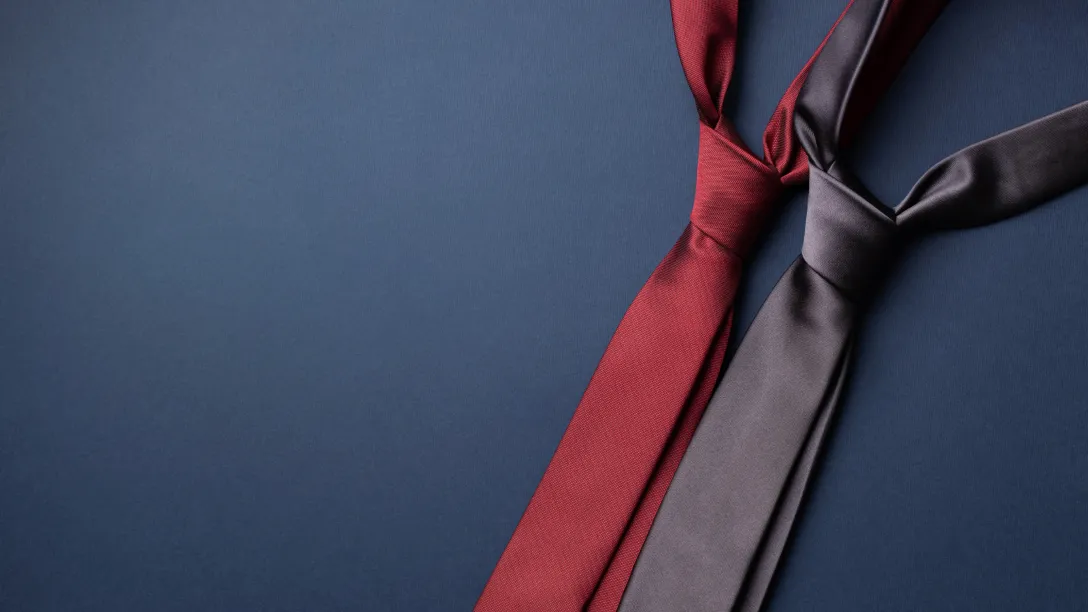
- Cravates, pochettes, bandanas et rubans pour les cheveux — le sergé prend une impression nette et un bord propre ; explorez les cravates en soie sur mesure.
- Vêtements — chemises, blouses, robes, jupes et pyjamas où vous voulez du corps plutôt que du collant.
- Sergé lourd (25–30 mm) — vestes cintrées et pièces de soirée qui doivent conserver une forme.
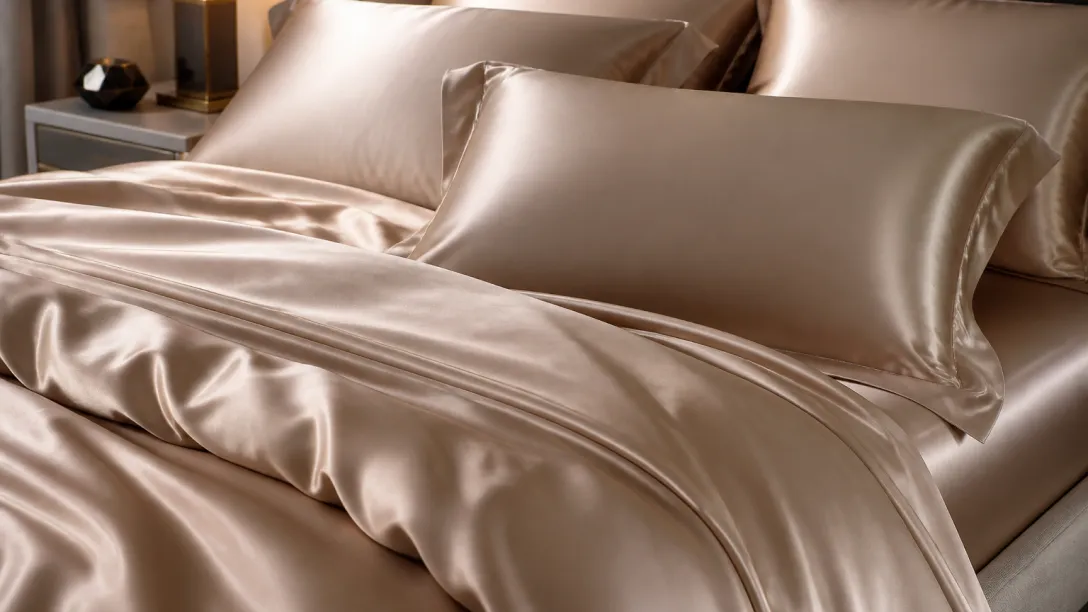
Le sergé est un mauvais choix pour la literie. Le toucher structuré qui aide un foulard joue contre vous sur une taie d'oreiller, où vous voulez le glissant et la fraîcheur d'une armure satin. Pour cela, la charmeuse est le bon choix, et vous pouvez voir la gamme sur notre page de linge de lit en soie.
Pourquoi le sergé de soie s'imprime si bien
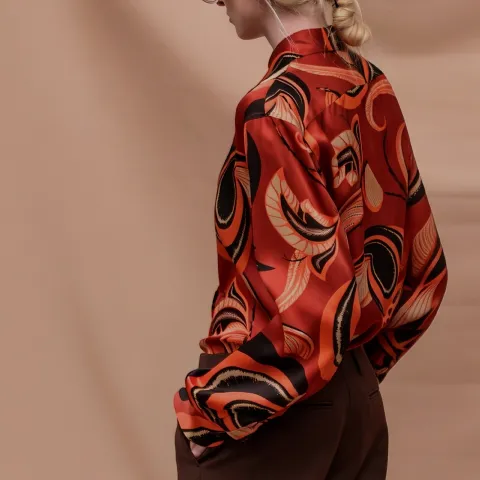
La surface dense et uniforme du sergé retient les détails fins et les bords nets sans baver, et la soie accepte la teinture avec une saturation profonde. Cette combinaison permet aux illustrations complexes et multicolores de rester nettes après l'impression et après le lavage. Un sergé plus léger de 12 à 14 mm a suffisamment de perméabilité à l'arrière pour qu'une impression numérique simple face transparaisse faiblement, ce qui convient à un foulard vu des deux côtés. Le sergé plus lourd bloque la transparence, un look réversible nécessite donc une impression double face. Ce comportement d'impression, associé à la durabilité pour nouer et dénouer, est la raison pratique pour laquelle les gammes de foulards fonctionnent sur le sergé. Pour les méthodes elles-mêmes, voir notre guide des méthodes d'impression sur soie, et parcourez les motifs prêts dans notre bibliothèque de motifs en soie.
Largeurs, rendement et économie des commandes
Le sergé de soie est généralement tissé en 90 cm, 114 cm ou 140 cm. La largeur décide du nombre de foulards que vous coupez dans chaque mètre, elle détermine donc votre coût par pièce. Un carré de 90 cm se coupe proprement dans des marchandises de 90 cm avec peu de déchets, tandis qu'un foulard de 110 cm a besoin d'une largeur de 114 cm pour éviter les raccords. Fixez la largeur avant de finaliser la taille du foulard, ou vous payez pour des chutes que vous jetez. La longueur du rouleau, la taille du lot de teinture et la répétition de l'impression façonnent également la commande minimale et la constance des couleurs sur un tirage, c'est pourquoi nous confirmons tout cela au stade du devis.
Comment juger la qualité du sergé de soie
Quelques vérifications séparent le bon sergé des produits de remplissage :
- Fibre et grade. Insistez sur de la soie de mûrier à 100 %, idéalement de grade 6A, qui utilise le filament le plus long et le plus uniforme. L'appellation « toucher soie » ou « satin » non étiquetée signifie presque toujours du polyester.
- Précision du momme. Confirmez le vrai momme, pas un chiffre marketing. Si un sergé « 22 mm » semble aussi léger qu'un 16, il est mal étiqueté ; pesez un échantillon en cas de doute.
- Armure et finition. Recherchez une côte diagonale régulière, aucun fil sauté, une lisière propre et une couleur constante tout au long du rouleau.
- Certification. La norme OEKO-TEX Standard 100 signifie que les teintures et la finition ont été testées pour les substances nocives, ce qui est important pour tout ce qui est porté contre la peau. Voir nos certifications.
S'approvisionner en sergé de soie sur mesure pour votre marque
Nous fournissons du sergé de soie de deux manières : au mètre — non teint, teint uni ou imprimé sur mesure — et en tant que produits finis tels que foulards, cravates et vêtements fabriqués en interne. Pour les couleurs et les illustrations sur mesure, nous effectuons des tests en laboratoire (lab dips) et des échantillons d'impression avant le volume, afin que vous approuviez tout d'abord, et nous envoyons des échantillons gratuits (vous ne payez que les frais d'expédition). Le MOQ (quantité minimale de commande) commence à 50 m pour les couleurs en stock et 100 à 200 m pour la teinture sur mesure, avec des foulards finis de 50 à 100 pièces par motif. Le délai de livraison du tissu est généralement de 10 à 20 jours selon la teinture ou l'impression.
Envoyez-nous votre design, le momme cible et la quantité, et nous vous ferons un devis pour le tissu ou les produits finis avec un plan d'échantillonnage clair. Explorez notre page de tissu en sergé de soie ou contactez-nous pour un devis.
FAQ
Le vrai sergé de soie est 100 % soie de mûrier tissé selon un motif en sergé. Le sergé est une armure, pas une fibre, donc le mot seul ne garantit pas la soie — beaucoup de « sergé » sur le marché est en polyester ou en mélange de soie. Demandez la composition de la fibre et le momme par écrit. Si l'étiquette indique uniquement « sergé » ou « toucher soie » sans nommer la fibre, traitez-le comme synthétique jusqu'à preuve du contraire.