


EU EmpCo Directive Applies From September 27, 2026: What Silk and Textile Brands Must Know About Green Claims


On September 27, 2026, the European Union's Empowering Consumers for the Green Transition (EmpCo) Directive (Directive (EU) 2024/825) enters into full legal enforcement across all 27 member states. This legislation fundamentally reshapes how apparel, home textile, and silk brands communicate environmental performance. Generic marketing terms and unverified sustainability badges on product packaging, websites, and marketing materials are now strictly prohibited under EU commercial law.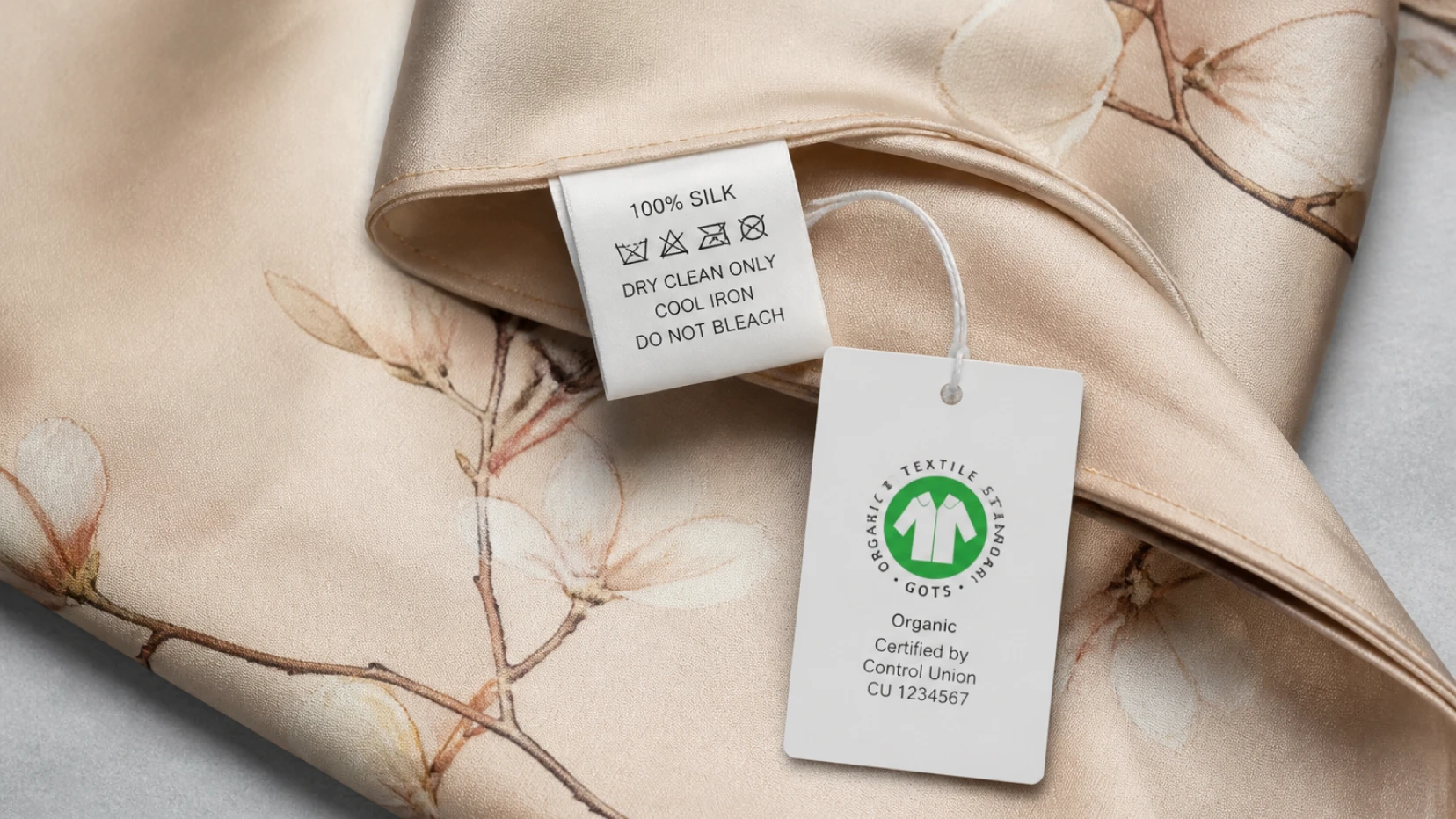
What Changes on September 27, 2026
The EmpCo Directive amends the existing Unfair Commercial Practices Directive to target misleading environmental claims and early obsolescence. Under the new enforcement framework, marketing practices fall into three distinct categories:
- Banned Generic Claims: Vague environmental terms such as "eco-friendly," "green," "natural," and "sustainable" are outlawed unless the trader can demonstrate officially recognized, superior environmental performance backed by third-party certification (such as the EU Ecolabel).
- Prohibited Offset-Based Claims: Marketing a product as "carbon neutral" or "climate neutral" based entirely on greenhouse gas offsetting credits is completely blacklisted, regardless of the quality or standard of the carbon credits purchased.
- Misleading Scope Claims: Presenting an environmental benefit that applies only to a specific part of a product (such as recyclable packaging) as if it applies to the entire item or business operation is strictly forbidden.
How does the EmpCo Directive affect B2B silk sourcing?
To sell textiles legally in the EU after September 27, 2026, brands must replace broad marketing assertions with verifiable, attribute-level data and credible third-party certifications. For silk importers and manufacturers, this means raw material provenance and chemical safety credentials must be documented through accredited audit schemes rather than self-declared statements.
Because the regulation applies directly to all consumer-facing channels—including e-commerce product listings, digital ads, and physical labels—compliance teams must audit all marketing copy and supply chain documentation immediately to avoid severe financial penalties, product seizures, or listing suspensions.
Action Steps for Textile Brands
Brands operating in or exporting to the European market should execute a comprehensive compliance audit ahead of enforcement:
- Review all product descriptions, packaging artwork, and digital storefronts to remove unsubstantiated generic terms like "eco-friendly" or "sustainable."
- Verify that any sustainability or safety label displayed is backed by a recognized third-party certification scheme with transparent, independent monitoring.
- Partner with certified manufacturers who provide verifiable test data and compliance documentation for raw materials.
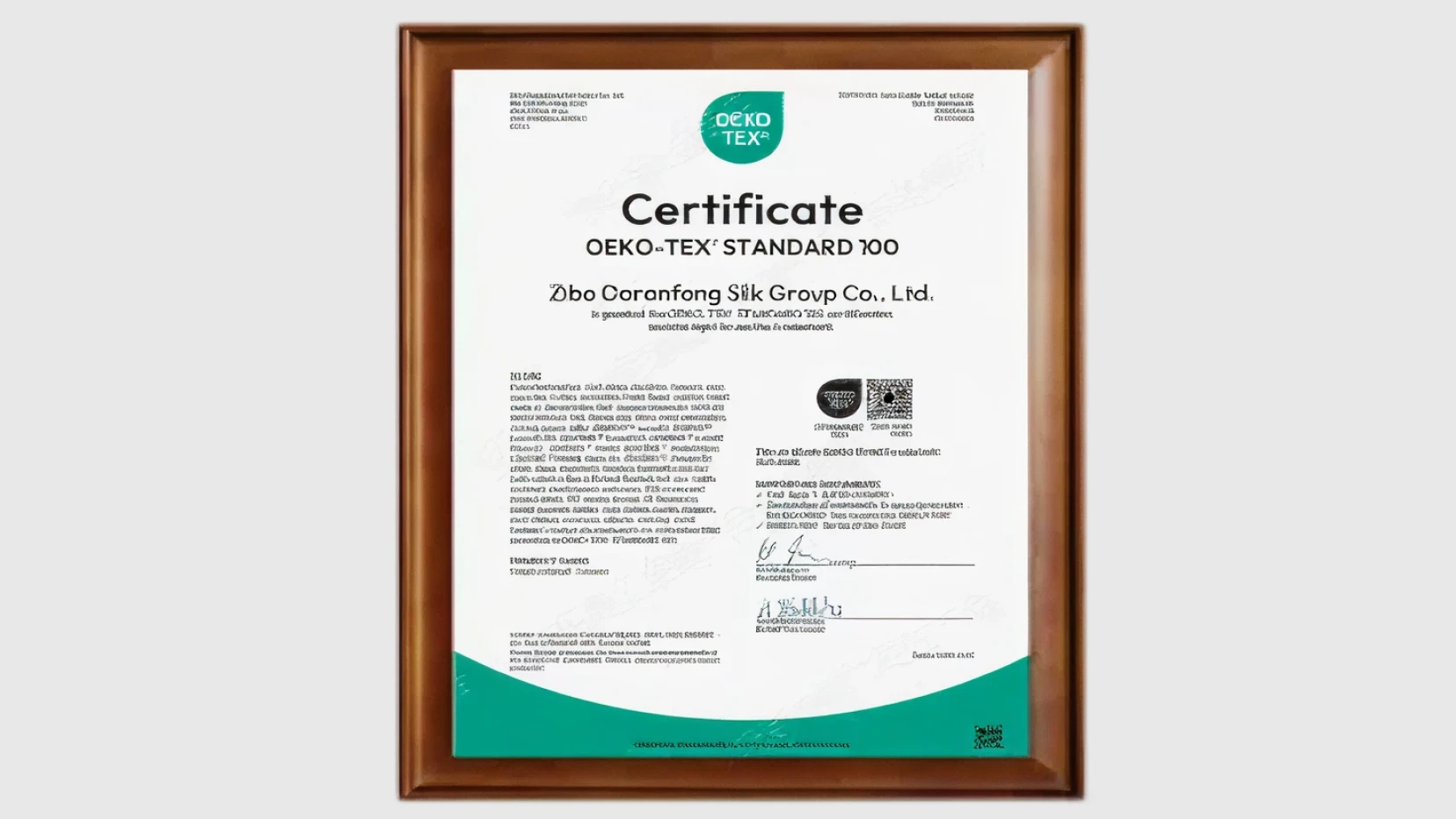
At DreamSilk, we ensure full transparency and compliance for our global partners. We produce all silk fabrics and custom silk bedding using strictly audited, OEKO-TEX Standard 100 certified mulberry silk. We equip our B2B clients with the exact technical documentation needed to meet rigorous EU standards. Reach out via our contact page to discuss compliant material sourcing.