Paris Heat Wave Puts Lightweight Silk Chiffon in the Spotlight at Men's Fashion Week


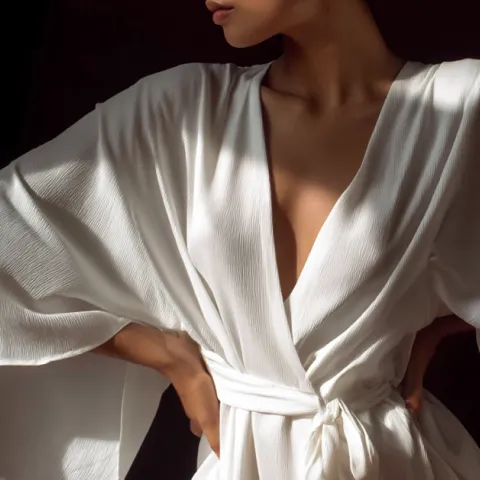
A record heat wave hit Paris during the men's spring-summer 2027 shows in late June 2026, and it exposed a gap between what designers put on the runway and the weather outside. As the city baked, many houses still showed leather, neoprene, and wool. The clearest weather-appropriate answer came from Dior, where Jonathan Anderson showed sheer silk-chiffon tailoring — a reminder that lightweight silk is built for heat.
A heat wave the shows were not dressed for
Paris Fashion Week Men's ran through a historic heat wave in the week of June 23 to 25, 2026. Fashion houses tried to keep guests cool with ice packs, mist machines, and iced water, but venues still sweltered, water ran short, and air conditioning was absent or inadequate, according to the Associated Press. Dior moved its Wednesday show from 2:30 p.m. to 9 a.m. to get ahead of the heat, and the room stayed hot even then.
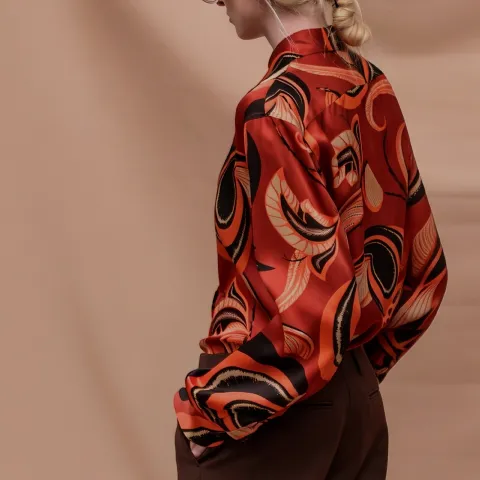
On the runway, the fabrics often ran the other way. Models walked in leather, neoprene, and wool, pieces cut for a global retail calendar rather than for Paris in June. Ben Freeman, a London-based fashion critic, called Paris Fashion Week the "canary in the mine" for industries built around fixed outdoor calendars. Pascal Morand, head of France's Haute Couture and Fashion Federation, said organizers were following the French government's heat-wave plan. Against that backdrop, Jonathan Anderson's sheer silk-chiffon tailoring at Dior read as the most heat-ready look of the week.
Why silk chiffon suits a hotter calendar
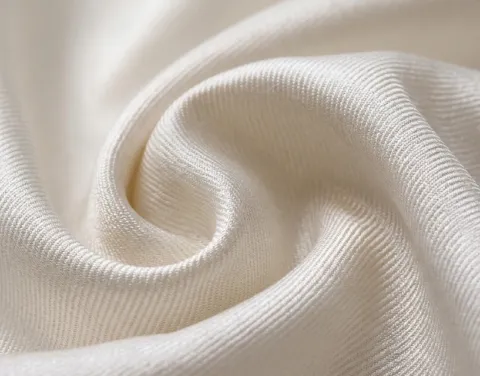
Silk chiffon works in heat because it is light, sheer, and breathable. The open, low-weight weave lets air and moisture vapor pass through the fabric, and silk's natural fiber wicks moisture and helps regulate temperature, so the cloth stays cool against the skin. That mix is what made it stand out in a week when heavier fabrics looked out of step with the weather.
A few properties carry the difference:
- Light and sheer. Low-momme chiffon has an open weave that moves air instead of trapping it.
- Breathable. Silk lets heat and moisture vapor escape, which keeps the body cooler.
- Temperature-regulating. The protein fiber helps you stay cool in heat and warmer in cool conditions.
- Soft drape. Chiffon falls loosely, which suits relaxed warm-weather tailoring.
Other lightweight silks share these traits, including habotai and georgette, which is why warm-weather collections lean on this family of fabrics.
What it signals for warm-weather silk sourcing
The Paris week is a visible case of a wider pressure: summers are arriving earlier and running hotter, and fixed-calendar shows and retail seasons have to adapt. For brands and sourcing teams, that points toward more lightweight, breathable fabric in spring-summer ranges.
For silk programs specifically, the practical moves are:
- Plan spring-summer pieces around lighter weights — chiffon, habotai, and lightweight charmeuse, rather than heavy satins.
- Use breathability as a selling point for warm-climate and Southern European markets.
- Mix weights within one range so a single collection covers both cool and warm conditions.
DreamSilk weaves lightweight, breathable silks, including silk chiffon, at our Suzhou facility for exactly this kind of warm-weather apparel. We supply it as yardage or as finished, private-label silk clothing for brands building heat-ready ranges.
Sources
- A historic heat wave catches Europe's fashion industry unprepared — Associated Press, via ABC News
- A historic heat wave catches Europe's fashion industry unprepared — Associated Press, via ClickOrlando
- A historic heat wave catches Europe's fashion industry unprepared — Associated Press, via San Mateo Daily Journal