

EU Ban on Destroying Unsold Textiles Takes Effect 19 July 2026: What Silk Brands Need to Know


On 19 July 2026, the European Union's ban on destroying unsold apparel, clothing accessories, and footwear entered into force for large companies. The measure is part of the Ecodesign for Sustainable Products Regulation (ESPR), with detailed derogation rules set out in Delegated Regulation (EU) 2026/296 adopted in February 2026. For European brands selling silk pajamas, shirts, scarves, or ties, unsold stock now needs a documented route to reuse. Disposal is off the table.
What the ban covers
The prohibition applies to products listed in Annex VII of the ESPR: unsold apparel, clothing accessories, and footwear. Silk clothing and accessories such as scarves, ties, and bonnets fall squarely in scope. Home textiles like pillowcases and duvet covers sit outside this product list, though they remain covered by separate textile EPR obligations rolling out across member states.
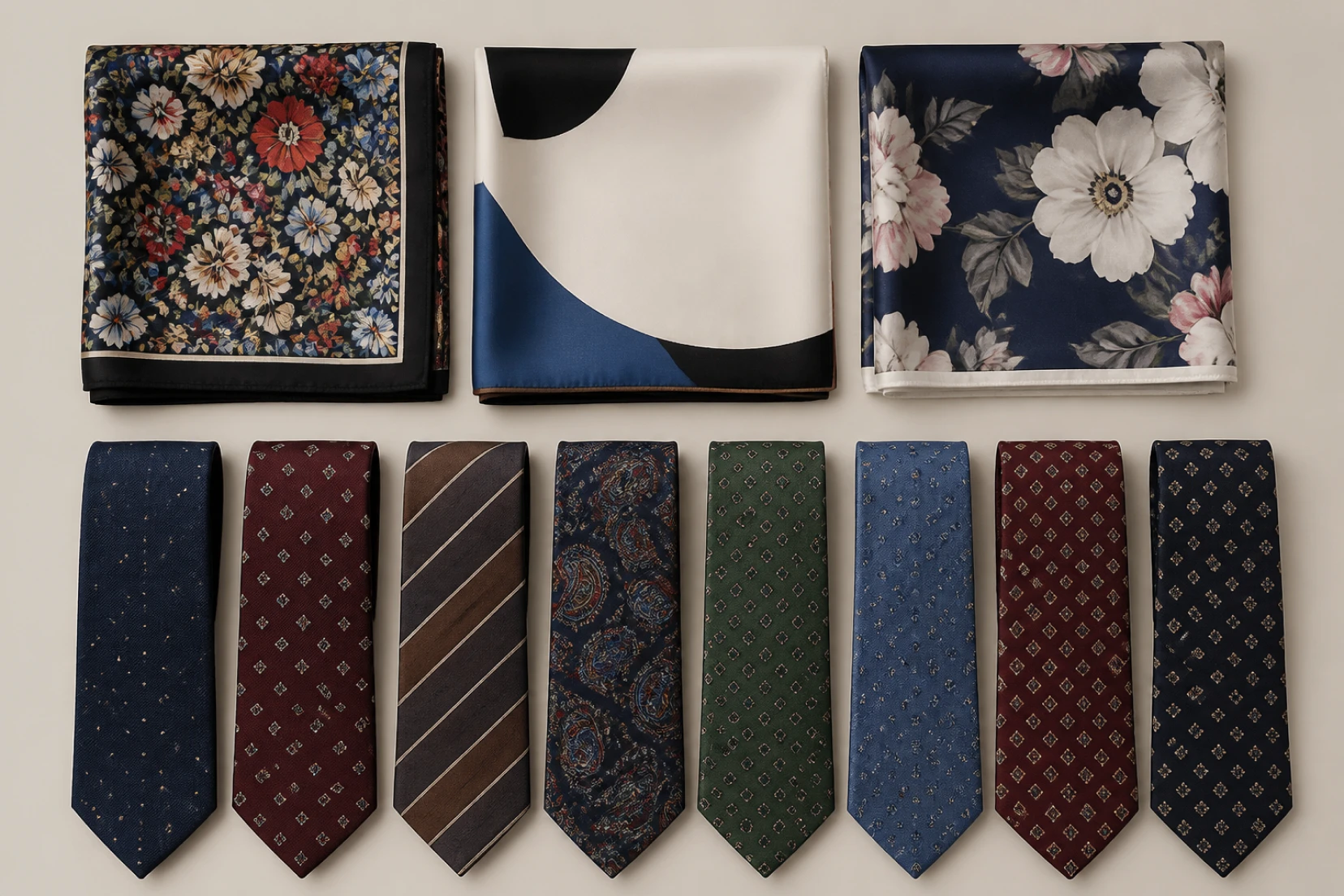
"Destruction" is defined broadly. It covers intentionally damaging a product as well as sending it to final disposal, recycling, or recovery operations. Preparation for reuse, refurbishment, and remanufacturing are explicitly allowed. Permitted derogations include dangerous or contaminated products, goods that cannot be debranded for IP reasons, and stock that was formally offered for donation — to at least three social economy entities, or publicly for eight weeks — and refused.
| Requirement | Large companies | Medium-sized companies |
|---|---|---|
| Destruction ban | From 19 July 2026 | From 19 July 2030 |
| Annual disclosure of discarded stock | Already in force | From 2030 |
| Standardized disclosure format | February 2027 | From 2030 |
Micro and small enterprises are currently exempt from both the ban and the disclosure duty.
What does the EU unsold textiles ban require brands to do?
The ban requires affected brands to route unsold stock into reuse channels — discount and outlet sales, donation, repair, refurbishment, or remanufacturing — instead of disposal or recycling. Large and medium-sized companies must also publish an annual disclosure on their website covering the number and weight of discarded products, the reasons for discarding them, and the measures taken to prevent future destruction.
The scale behind the rule is significant. The European Commission estimates that 4–9% of textiles placed on the EU market are destroyed before ever being used, generating roughly 5.6 million tonnes of CO₂ emissions each year. Textiles were regulated first for this reason, and the Commission can extend the prohibition to other product categories through future delegated acts.
Why this changes inventory strategy for silk brands
For silk products, destruction was rarely the first option anyway — unit values are too high. The real pressure point is disclosure. Every discarded unit a large brand reports is now public information, and publishing discarded silk stock sits poorly next to any sustainability claim a brand has made.
The practical response is a leaner buying model: smaller first runs, tighter colorway selection, and reordering based on actual sell-through instead of seasonal guesswork. On the supply side, this only works if the factory supports low minimums, holds stable fabric stock, and can replenish winning SKUs on a short, predictable cycle.
Sourcing implications for silk programs
This is the purchasing pattern we already see from our European clients, and the regulation will accelerate it. Brands building a compliant, lower-waste assortment can open with a 50-piece minimum per style in our custom silk clothing and custom silk accessories programs, confirm market response, then scale reorder volume with stable lead times. That structure keeps capital in selling stock rather than in warehouse risk — and keeps a brand's annual disclosure close to zero.