

North America Silk Industry Update, July 2026: A Tariff Turning Point, Certified Sourcing, and Steady Demand


For brands sourcing silk into North America, the summer of 2026 turns on one date: July 24, when the temporary tariff that has covered nearly all US imports since February is set to expire. What replaces it, and how it treats textiles, will shape silk sourcing costs into 2027. At the same time, North American demand for certified, natural silk is holding firm. Here is where the industry stands in early July.
A tariff turning point on July 24
The Section 122 surcharge that has applied to almost all US imports since February 24 expires by law on July 24, 2026, and cannot be extended without Congress. What comes next is a set of Section 301 tariffs the administration has lined up as a replacement, with key deadlines falling in the first week of July.
The backdrop: on February 20, 2026, the US Supreme Court ruled that the earlier tariffs imposed under emergency powers were not authorized, and within days the administration replaced them under Section 122 of the Trade Act of 1974 with a flat surcharge on nearly all imports, effective February 24. Because that statute caps such surcharges at 150 days, it runs out on July 24. A US trade court ruled the surcharge unlawful in early May, but an appeals court stayed that ruling on June 11, so US Customs has kept collecting it while the case is appealed.
To bridge the gap, in March the US Trade Representative opened Section 301 investigations covering dozens of major trading partners. Written comments on the proposed tariffs are due July 6 and a public hearing is set for July 7, with findings expected in late July, timed to the Section 122 expiry. The proposal includes a textile mechanism that would let a set volume of apparel and textile imports enter at a reduced rate, favoring countries that buy US textile inputs. For anyone importing silk, the practical point is that the tariff picture stays unsettled through the summer.
What it means for silk specifically
Silk itself carries a low base US tariff — the raw and fabric categories average only a few percent — but China-origin silk stacks additional Section 301 duties and the Section 122 surcharge on top, and antidumping duties apply to certain Chinese silk fabrics. That has pushed the landed cost of China-origin silk well above pre-2025 levels.
As of mid-June, US import duties on textiles and fabrics ran from roughly 9% for the lowest-tariff origins to over 40% for China once Section 301 duties are included. Silk fabric sits in a lower base band than cotton or man-made fibers, so its starting rate is smaller, but the same Section 301 and Section 122 layers apply, and classifying silk goods under the wrong tariff code can add cost or invite penalties. The table below is a quick reference for textiles and fabrics overall.
| Origin | Approx. combined textile tariff, mid-2026 (HTS 50–60) |
|---|---|
| China | ~44% (base + Section 301 + surcharge) |
| India | ~19% |
| Vietnam / Bangladesh | ~19% |
| Mexico (USMCA, yarn-forward) | Duty-free if qualifying |
Many brands are responding by front-loading orders to land before July 24, tightening tariff classification, and asking suppliers for clear documentation and traceability. The uncertainty over what the Section 301 rates will be — and whether the textile mechanism lowers them for some origins — is the main variable in silk sourcing budgets for the rest of the year.
Certified, natural silk keeps selling
Demand for natural, certified silk in North America is steady, and third-party certification is increasingly a purchase driver rather than a nice-to-have. North America accounts for roughly 18% of a global silk market worth around USD 26 billion in 2026, led by premium bedding, luxury apparel, and e-commerce.
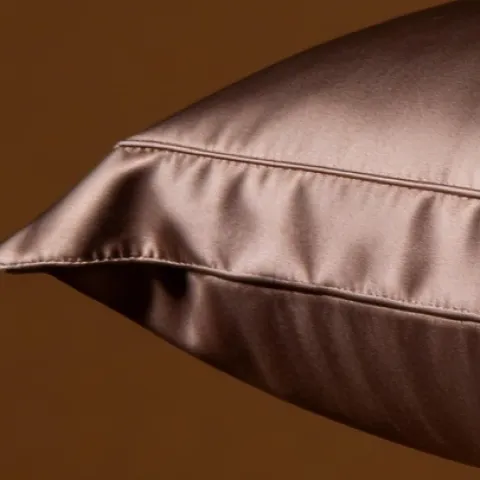
The certification trend showed up again in June, when a US direct-to-consumer mulberry-silk brand announced that its entire collection had earned OEKO-TEX Standard 100 — a signal that shoppers now scrutinize what their silk pillowcase and sleepwear are made of, not just what they put on their skin. Retailers are also tightening sustainability scorecards and asking for traceable supply, consistent color, and faster replenishment on silk bedding and apparel programs. For silk suppliers, OEKO-TEX certification and clear provenance are becoming table stakes for the North American market.
Bio-engineered and high-performance silk
Alongside luxury textiles, North America is leaning into high-performance and biomedical silk, a second track that is drawing investment and headlines.
Materials firms are scaling bio-engineered silk — recombinant spider-silk proteins made by fermentation, and transgenic silkworms bred for tougher fibers — for uses from performance gear to medical devices, with some US programs eyeing domestic spinning for defense work. Cruelty-free silk alternatives have also drawn interest from luxury brands. It is still a niche next to traditional mulberry silk, but it points to where part of the region's silk innovation is heading.
What it means for brands sourcing silk
For brands building silk programs for North America, the near-term playbook is simple: plan around the July 24 tariff date, lock certifications and specifications early, and work with suppliers who can document fiber content, grade, and traceability.
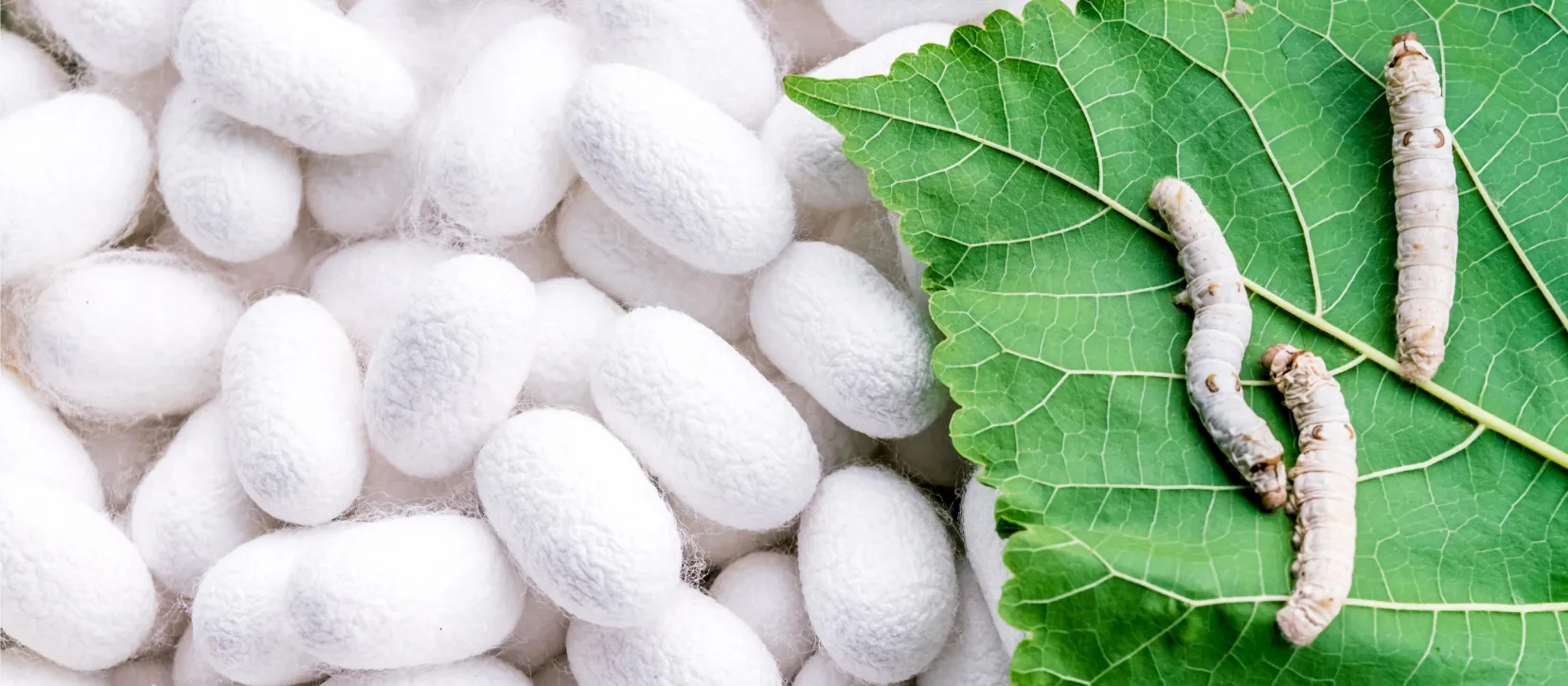
That means confirming OEKO-TEX certification and correct tariff classification before shipping, and prioritizing traceable mulberry silk with consistent quality. DreamSilk weaves and manufactures custom silk at our Suzhou facility in grade 6A mulberry silk, OEKO-TEX Standard 100 certified, and works with brands on certified fabric and finished products with clear specifications and documentation. See our certifications for what we test to, or contact us to talk through sourcing for the North American market.