

European Silk in Q2 2026: Biotech Scale-Up, EU Traceability Rules, and Steady Luxury Demand


The past three months gave European silk buyers three things worth tracking: biotech silk moving toward industrial scale in France, the first concrete rulebook for EU textile traceability, and fresh data confirming that Europe's luxury silk demand is holding. Here is what happened and why it matters for anyone sourcing silk for the European market.
Biotech silk moves toward industrial scale in France
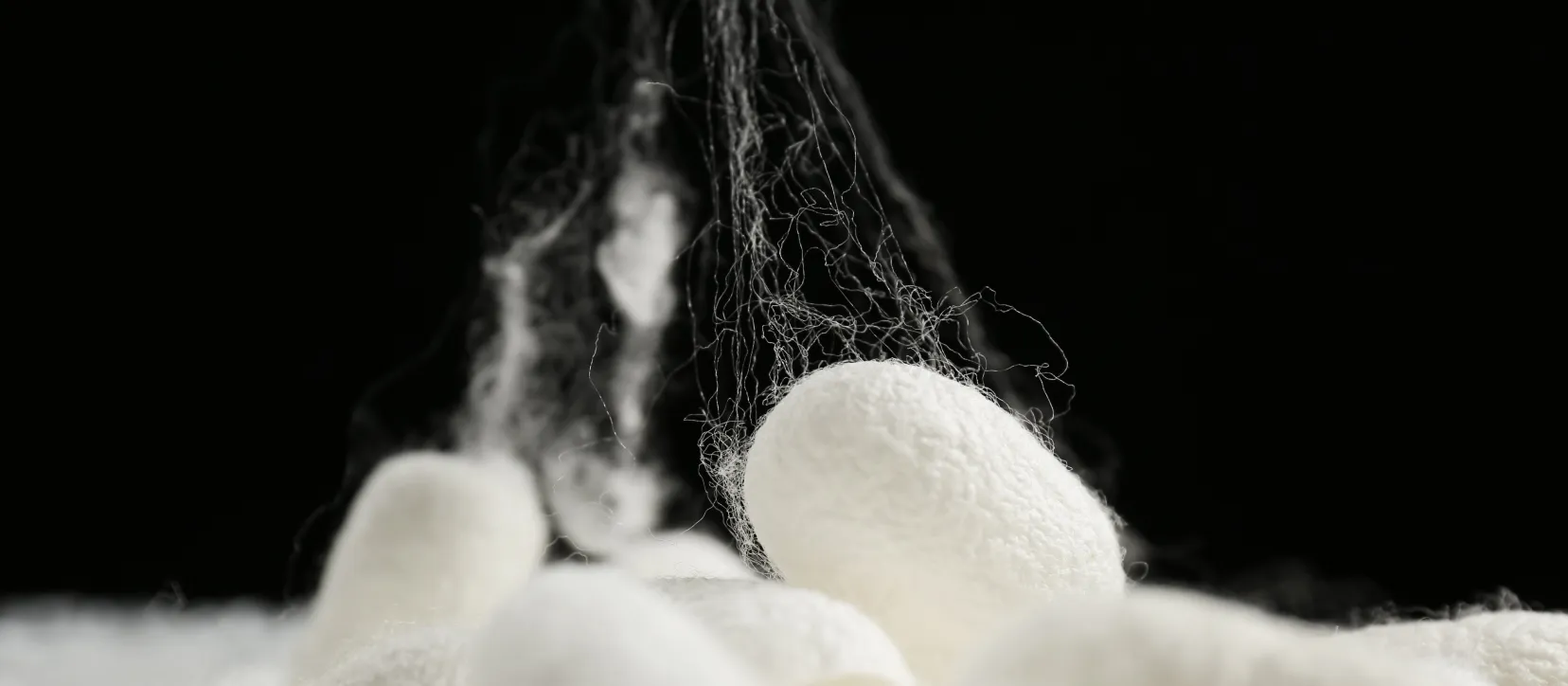
On 8 July 2026, German biotech firm AMSilk and Ajinomoto Foods Europe signed a long-term manufacturing and supply agreement to produce AMSilk's silk proteins at a dedicated line in Nesle, France, built on 160 m³ fermentation reactors and aimed at hundreds of tons per year. The output targets textiles, automotive, and consumer-care uses. This is fermentation-made silk protein, inspired by spider silk, not woven mulberry silk. It will not replace traditional silk fabric for bedding or apparel, but it signals that engineered silk is scaling on European soil, mostly for performance and blend applications rather than luxury textiles.
The EU's Digital Product Passport takes shape for textiles
In May 2026 the EU's Joint Research Centre published the first full specification of Digital Product Passport (DPP) content for textiles: 49 data points across four categories covering composition, origin, and end-of-life. The ESPR central registry is expected to go live in July 2026. Textiles are a priority sector under the Ecodesign for Sustainable Products Regulation, with binding delegated acts for clothing expected in draft around 2027 and compliance later this decade. The direction is already clear for silk:
- Fibre-level traceability. Brands will need to document what the fabric is and where it came from.
- Verified composition and sustainability data. Marketing claims become auditable legal records tied to a QR code.
- Certification as a head start. Suppliers already holding OEKO-TEX STANDARD 100 and able to document origin are ahead of the requirement.
European luxury silk demand stays firm
A May 2026 forecast from Verified Market Reports put Europe's luxury loungewear and sleepwear market on track for USD 7.2 billion by 2033, growing around 6% a year, with silk robes and pajamas at the center and France, Italy, Switzerland, and the UK leading demand. On the supply side, Europe's raw silk base stays concentrated in Romania, while Italy, France, and Spain dominate woven silk fabric. Most European brands still source finished mulberry silk from established manufacturers in Asia. The retail reference weight cited for the region is 22 momme, with 19 momme read as entry-tier and 25 momme as premium.
What it means for brands sourcing silk
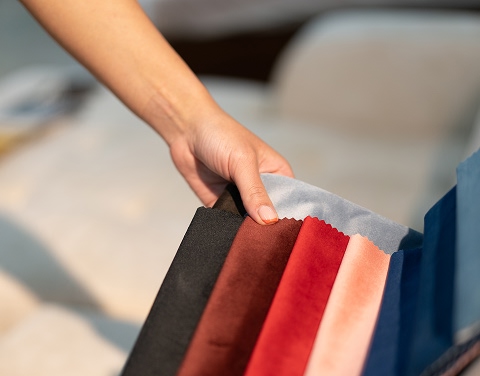
The signal across all three stories is the same: traceability and certification are moving to the center of European silk sourcing, and locking them in now is the practical response. DreamSilk supplies OEKO-TEX STANDARD 100 certified, grade 6A mulberry silk across custom silk bedding, duvet covers, and charmeuse fabric, with documented origin and certification on file to support DPP readiness — see our certifications. Contact us for specifications and swatches.