

EU Bans PFHxA in Clothing From October 2026: What the New PFAS Textile Limits Mean for Silk Brands


On October 10, 2026, a strict European Union restriction on perfluorohexanoic acid (PFHxA) and its salts takes effect for consumer apparel and textiles. Under the EU REACH Regulation (Annex XVII, Entry 79), clothing and footwear placed on the European market face severe concentration limits for this common subgroup of PFAS "forever chemicals." The new rule effectively forces fashion and home textile brands to audit their chemical finishing processes and eliminate traditional C6 water- and stain-repellent treatments.
The October 2026 PFHxA Thresholds
The European Chemicals Agency (ECHA) designed this restriction to curb the environmental accumulation of highly persistent fluorinated compounds. For general consumer textiles, apparel, and footwear, the legal thresholds are absolute:
- 25 ppb (parts per billion) maximum for PFHxA and its salts.
- 1,000 ppb maximum for the sum of PFHxA-related substances.
These trace-level limits mean that even unintentional cross-contamination during manufacturing or packaging can trigger non-compliance. While the restriction extends to other non-clothing textiles in October 2027, consumer apparel must comply immediately by the October 2026 deadline.
How the PFAS Ban Impacts Silk and Textile Sourcing
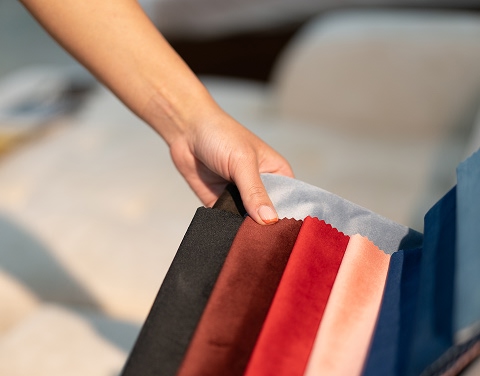
To comply with the October 10, 2026 PFHxA restriction, brands selling textiles in the EU must secure chemical testing data from their supply chains proving their fabrics are PFAS-free. B2B buyers must prioritize suppliers who utilize OEKO-TEX Standard 100 certified dyes and finishes, as these frameworks already prohibit harmful fluorinated compounds and guarantee compliance with the 25 ppb threshold.
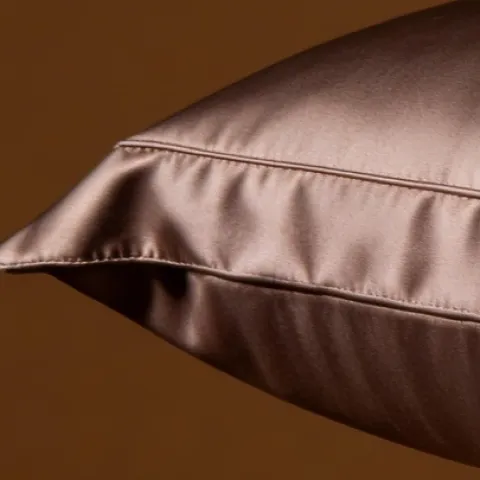
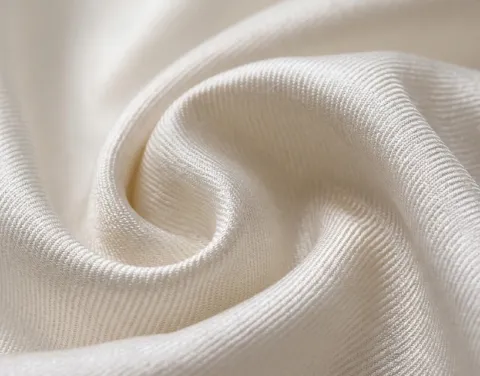
Historically, synthetic fabrics and treated cottons relied heavily on PFHxA to achieve water-resistant and anti-stain marketing claims. Transitioning away from these chemicals often requires reformulating entire product lines. Natural protein fibers bypass this supply chain disruption. Mulberry silk is prized for its natural drape, breathability, and luster—properties achieved entirely through mechanical weaving and safe degumming, requiring no synthetic stain-repellent coatings.
Action Steps for B2B Importers
European market enforcement relies on random sampling and documentation checks. Brands importing finished garments or raw fabrics must prepare now:
- Audit existing fabric suppliers for recent chemical test reports specifically targeting PFHxA limits.
- Eliminate "stain-resistant" or "water-repellent" product claims on consumer goods unless backed by verified PFAS-free chemistry (such as C0 DWR treatments).
- Consolidate sourcing to manufacturers holding updated OEKO-TEX Standard 100 certifications, which test for restricted per- and polyfluoroalkyl substances.
At DreamSilk, we manage chemical safety directly at the factory level. We supply silk fabrics and custom silk clothing manufactured entirely without PFHxA or related fluorinated compounds. Our commitment to OEKO-TEX Standard 100 processing ensures our B2B partners clear EU customs without regulatory friction. For chemical compliance data or to discuss sourcing safe natural fibers, contact our manufacturing team.
Sources
- Bureau Veritas: EU REACH: Restriction of PFHxA
- Cage Innovations: The EU PFAS deadline for clothing almost nobody is talking about
- Fabric Strade: EU REACH PFHxA Restriction and the Fabric Supply Chain