

Milan Fashion Week SS27: Luxury Brands Pivot Back to Pure Silk Amid EU Microplastic Scrutiny


As Milan Fashion Week Spring/Summer 2027 concluded on September 28, 2026, a definitive shift in material sourcing emerged across European luxury collections. Fashion houses are rapidly phasing out recycled synthetic blends (such as rPET) in favor of 100% natural protein fibers. This material transition is a direct response to strict incoming European Union regulations targeting synthetic polymer microparticles (SPMs) and textile shedding.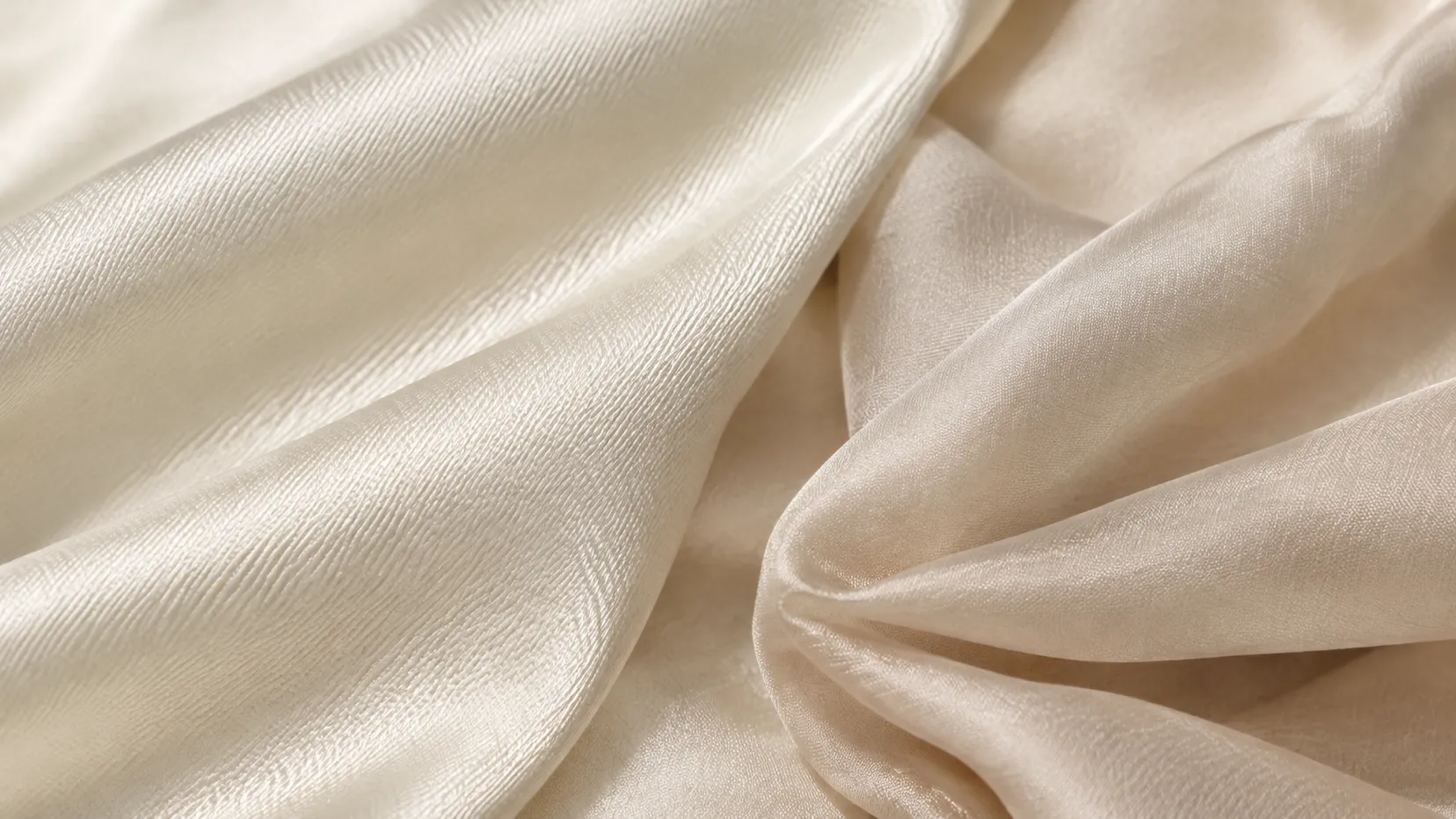
The Impact of the EU Microplastics Restriction
Under the latest REACH Annex XVII updates (Entry 78) and the Ecodesign for Sustainable Products Regulation (ESPR), the EU penalizes textiles that shed microplastics into the environment. Starting in 2026 and expanding through 2027, brands utilizing synthetic polymers face mandatory reporting obligations to the European Chemicals Agency (ECHA). To bypass these complex compliance burdens and avoid eco-modulation financial penalties, fashion brands must pivot to biodegradable, non-synthetic textiles.
Recycled polyester carries significant regulatory overhead. EU regulatory bodies now classify the microfibers released during the washing and wearing of synthetic fabrics as environmental pollutants. By switching to natural fibers, luxury brands secure compliance and make legitimate "microplastic-free" claims without risking greenwashing accusations under the newly enforced EmpCo Directive.
The Resurgence of Pure Mulberry Silk
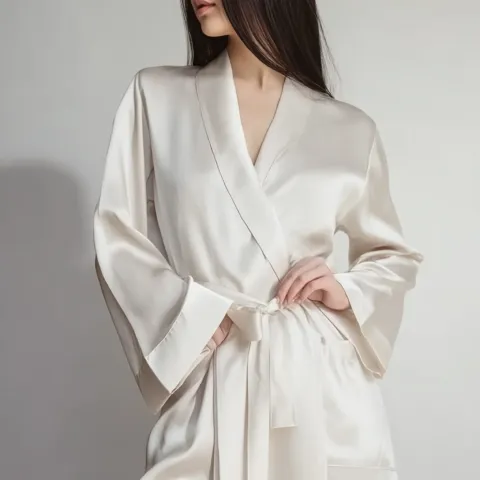
Sourcing directors at the September 2026 Milan shows prioritized traditional silk applications over synthetic alternatives. Brands are actively replacing synthetic cupro and polyester garment linings with pure silk twill and habotai. High-end loungewear and eveningwear manufacturers are abandoning elastane-heavy satin blends in favor of 100% mulberry silk charmeuse fabric.
Silk is a natural protein extruded by the silkworm. It biodegrades safely in marine and soil environments and sheds zero synthetic microparticles. This biological structure completely exempts pure silk from ECHA reporting requirements and future SPM market restrictions.
What This Means for B2B Sourcing
For B2B textile buyers planning 2027 collections, synthetic blends represent a growing legal and financial risk. Sourcing 100% pure silk secures supply chain compliance while aligning with the highest tiers of European luxury standards.
DreamSilk provides a fully compliant material solution. We manufacture all our raw silk fabrics and custom silk clothing using strictly audited, Grade 6A mulberry silk that is OEKO-TEX Standard 100 certified. Our textiles are 100% natural, biodegradable, and completely free of synthetic polymer microparticles. Contact our manufacturing team via our contact page to secure compliant, luxury-grade silk for your upcoming production runs.
Sources
- GVW Law: Microplastics Restriction: First Reporting Obligations from 31 May (2026 Update)
- HKTDC Research: EU Updates Microplastics Rules Under REACH (July 2026)
- Camera Nazionale della Moda Italiana (CNMI): Milan Fashion Week Women's SS27 Sustainability Initiatives