Was ist Charmeuse-Seidenstoff? Ein Leitfaden des Herstellers zu Webart, Eigenschaften, Arten und Verwendungszwecken


Seidencharmeuse ist der Stoff, den sich die meisten Menschen vorstellen, wenn sie an luxuriöse Seide denken – dieser fließende Fall, der das Licht auf einem Slipdress einfängt, das kühle Gleiten eines hochwertigen Kissenbezugs, die Farbtiefe eines Designer-Abendkleids. Doch „Charmeuse“ ist einer der Begriffe, die in der Textilwelt am meisten Verwirrung stiften. Er wird auf Produktetiketten falsch verwendet, oft durch Polyester-Imitate ersetzt und selten mit technischer Tiefe erklärt.
Dieser Leitfaden beantwortet direkt die zentrale Frage und erläutert anschließend, was Charmeuse am Webstuhl eigentlich ist, wie sie sich von anderen Seidengeweben unterscheidet, wie man echte Seiden-Charmeuse von einer Polyester-Imitation unterscheidet und welches Momme-Gewicht für den von Ihnen geplanten Verwendungszweck das richtige ist. In unserem Werk in Suzhou weben wir täglich Seiden-Charmeuse für B2B-Kunden in mehr als 50 Ländern, und dies ist die Übersicht, die wir neuen Käufern geben, bevor sie ihre erste Bestellung aufgeben.
Was ist Charmeuse-Seidenstoff?
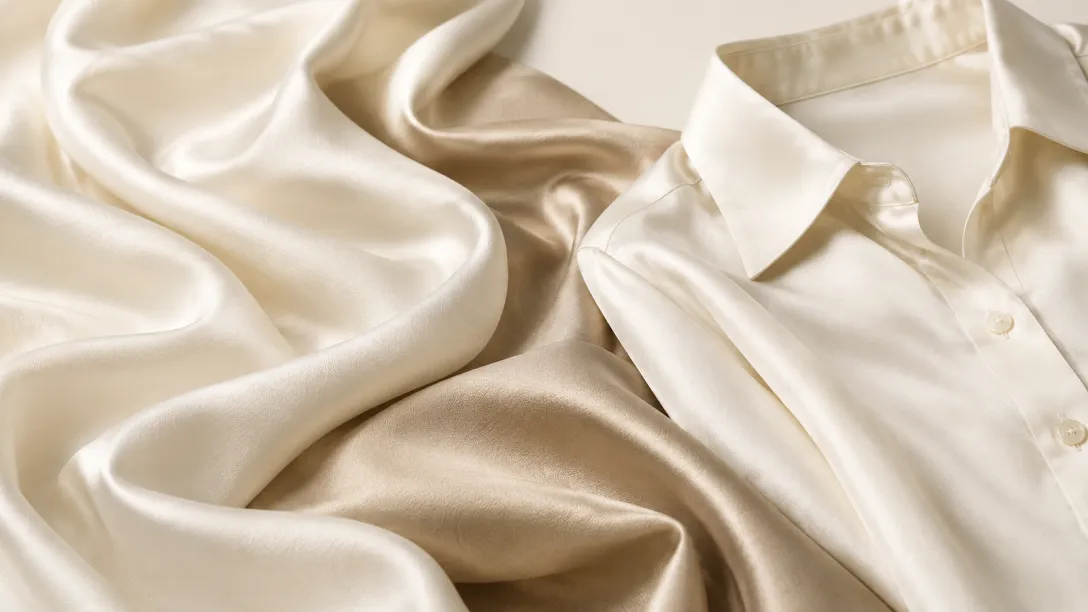
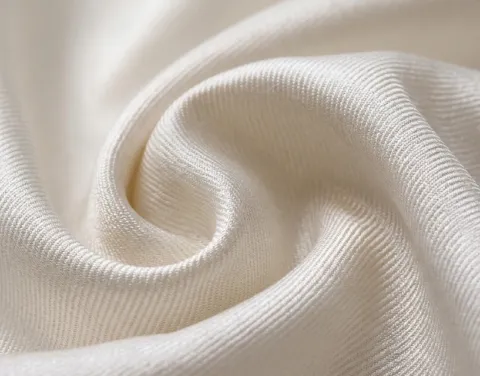
Charmeuse ist ein leichter Luxusstoff, der aus 100 % Maulbeerseide in Satinbindung gewebt wird und sich durch eine glänzende Vorderseite und eine matte Rückseite, einen fließenden Fall sowie einen geschmeidigen, weichen Griff auszeichnet. Der Name leitet sich vom französischen Wort für „weiblicher Charmeur“ ab, das seit dem 19. Jahrhundert verwendet wird, um Textilien mit diesem unverwechselbaren Glanz zu beschreiben.
In dieser Definition sind zwei Dinge von Bedeutung. Erstens bezieht sich „Charmeuse“ auf den Gewebestruktur, nicht die Faser. Obwohl der Begriff meist für Seidenstoffe in dieser Satinbindung verwendet wird, kann Charmeuse auch aus Polyester, Viskose oder anderen Kunstfasern gewebt werden. Wenn man von „Seiden-Charmeuse“ spricht, ist damit speziell Seidenfaser gemeint, die im Charmeuse-Satinmuster gewebt wurde.
Zweitens, die beidseitiges Erscheinungsbild ist das charakteristische optische Merkmal. Die Vorderseite ist stark reflektierend und leuchtet bei direkter Lichteinstrahlung fast. Die Rückseite ist matt, leicht strukturiert und deutlich matter. Dieser Kontrast zwischen den beiden Seiten ergibt sich direkt aus der Art und Weise, wie das Gewebe aufgebaut ist, worauf wir im nächsten Abschnitt näher eingehen.
Für Einkäufer lautet die praktische Erkenntnis: Jedes Produkt, das als „Satin“ bezeichnet wird, ohne dass der Faseranteil angegeben ist, besteht wahrscheinlich aus Polyester. Echte Seidencharmeuse wird immer als „Seidencharmeuse“ oder „100 % Maulbeerseide in Charmeuse-Bindung“ bezeichnet. Siehe unsere Sortiment an Charmeuse-Seidenstoffen für die von uns hergestellten Standardgewichte und Veredelungsoptionen.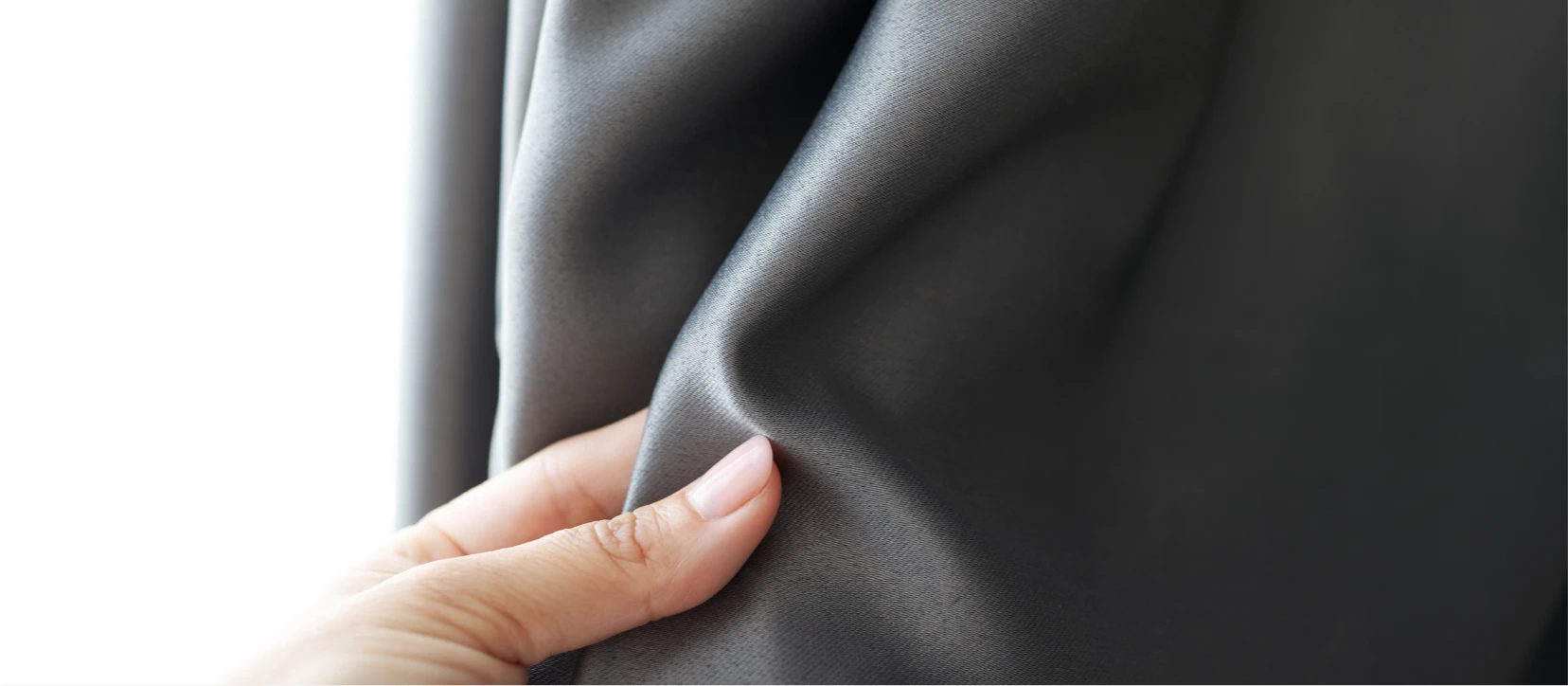
Wie Charmeuse-Seide hergestellt wird: Die Webstruktur von Satin
Um zu verstehen, warum Seidencharmeuse so aussieht und sich so anfühlt, wie sie es tut, muss man wissen, wie ein Satinbindung am Webstuhl funktioniert.
Bei einem Leinwandgewebe (wie Habotai-Seide) kreuzt jeder Kettfaden einmal über einen Schussfaden, dann unter einem und anschließend wieder über einem – ein einfaches Eins-zu-Eins-Verflechtungsmuster. Der Stoff wirkt dadurch auf Vorder- und Rückseite gleichmäßig und weist auf beiden Seiten die gleiche Struktur auf.
Bei der Satinbindung wird diese Eins-zu-Eins-Regel durchbrochen. Bei Charmeuse verläuft jeder Kettfaden über vier oder mehr Schussfäden hintereinander bevor sie von einem einzelnen Schussfaden überdeckt werden. Der Fachbegriff für diese langen, ununterbrochenen Garnstränge lautet „Float“. Da die Floats weitgehend unbeeinträchtigt von den Verflechtungen an der Oberfläche liegen, reflektieren sie das Licht klar und gleichmäßig. Darin liegt der Ursprung des charakteristischen Glanzes von Charmeuse.
Ein paar wissenswerte Details zur Produktion:
- Die Kettseite ist die glänzende Seite. Charmeuse ist ein „kettseitiger“ Satin – die Kettfäden (die Längsfäden) dominieren die Vorderseite. Auf der Rückseite ist der Schussfaden zu sehen, der weniger Überwürfe aufweist und eine strukturiertere Oberfläche bildet.
- Die Länge des Floats bestimmt die Intensität des Glanzes. Ein 5-Schaft-Satin (Kette über 4, unter 1) erzeugt einen mäßigen Glanz. Ein 8-Schaft-Satin (Kette über 7, unter 1) erzeugt einen tieferen, flüssigeren Glanz. Die meisten hochwertigen Charmeuse-Stoffe werden in 5- oder 7-Schaft-Bindung hergestellt.
- Die Art des Garns spielt eine Rolle. Seidengarn aus Maulbeerseide für hochwertige Charmeuse hat in der Regel eine Stärke von 20/22 Denier oder 27/29 Denier. Feineres Garn sorgt für eine glattere Oberfläche und einen stärkeren Glanz. Grobes Garn sorgt für eine deutlichere Webstruktur und eine geringere Reflektivität.
- Die Webspannung ist entscheidend. Die Satinbindung reagiert empfindlicher auf Spannungsschwankungen als die Leinwandbindung, da ungleichmäßige Spannungen sichtbare Streifen auf der glänzenden Oberfläche verursachen. Die Herstellung von hochwertiger Charmeuse erfordert moderne Webstühle mit präziser Kettspannungsregelung.
Eine umfassende Anleitung dazu, wie Seide vom Kokon zum fertigen Stoff wird, finden Sie in unserem Leitfaden zum Seidenherstellungsprozess deckt jeden Schritt der Produktionskette ab.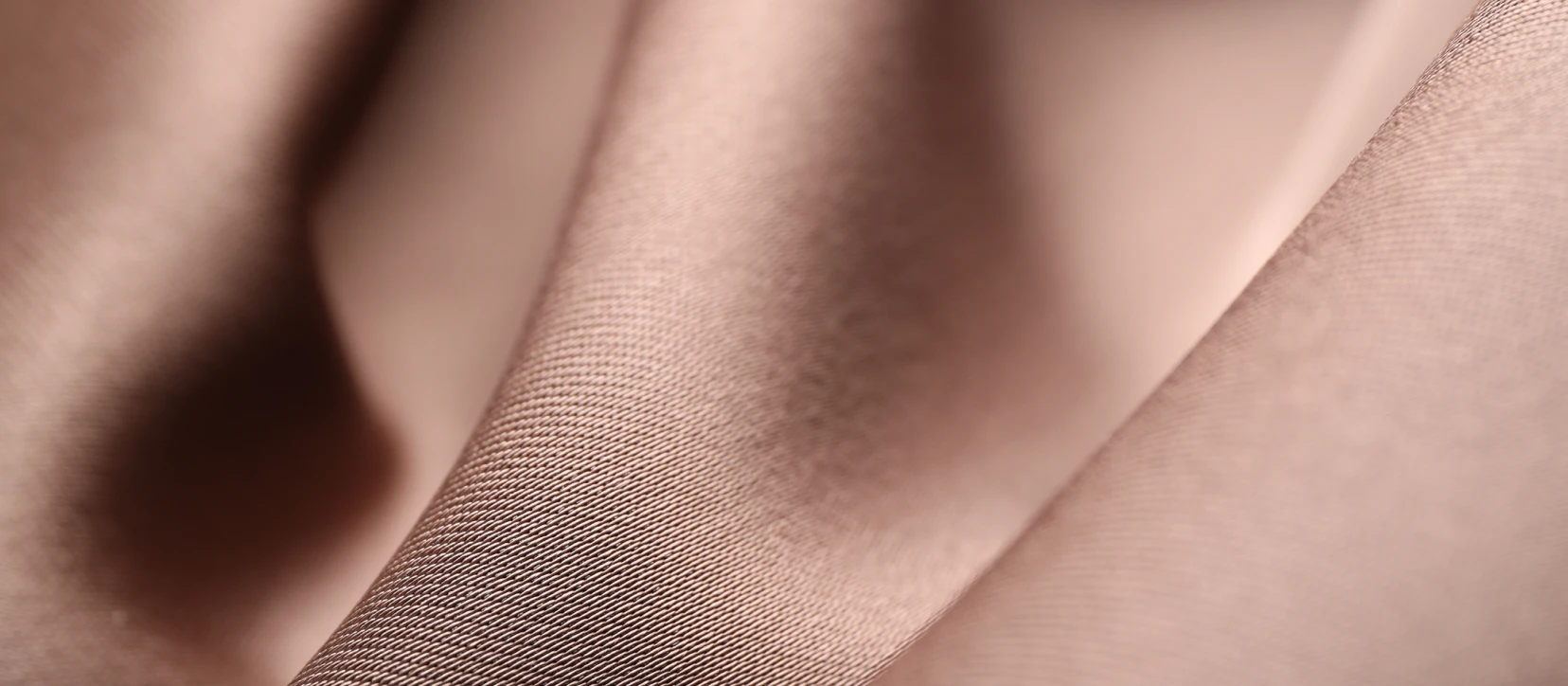
Die charakteristischen Eigenschaften von Seidencharmeuse
Abgesehen vom optischen Unterschied zwischen den Oberflächen zeichnet sich Charmeuse-Seide durch eine besondere Kombination von Eigenschaften aus, die sie kommerziell von anderen Seidengeweben unterscheidet.
Fließender Faltenwurf
Die langen, fließenden Satinfasern verleihen Seidencharmeuse einen fließenden, fast schüttelbaren Fall, der am Körper oder an einem Kissen herabfällt, ohne in scharfe Falten zu verlaufen. Diese Eigenschaft macht Charmeuse zum Stoff der Wahl für schräg geschnittene Unterkleider, Abendkleider und luxuriöse Bettwäsche. Twill, Crêpe de Chine und Habotai fallen alle gut, aber nur Charmeuse fließt wie Flüssigkeit.
Vorderseite glänzend, Rückseite matt
Die beidseitige Ausführung ist nicht nur ästhetisch, sondern auch funktional. Die glänzende Seite ist die Außenseite eines Kleidungsstücks oder die sichtbare Seite eines Kissenbezugs. Die matte Rückseite dient als verdecktes Futter oder wird auf der Haut getragen, wo die etwas griffigere Oberfläche dafür sorgt, dass der Stoff nicht verrutscht.
Kühles, geschmeidiges Hautgefühl
Charmeuse-Seide fühlt sich beim ersten Kontakt kühl an, da Seidenfasern eine natürliche Wärmeleitfähigkeit besitzen. In Kombination mit der glatten, fließenden Oberfläche entsteht das unverwechselbare „seidige“ Gefühl, das dieser Stoffart im allgemeinen Sprachgebrauch ihren Namen gibt.
Hervorragender Feuchtigkeitsausgleich
Seidenfasern sind hygroskopisch – sie nehmen Feuchtigkeit aus der Luft in ihre Struktur auf, ohne sich an der Oberfläche feucht anzufühlen. Bei Hitze ist Seidencharmeuse atmungsaktiv und leitet Feuchtigkeit von der Haut weg; bei Kälte speichert sie ein wenig Wärme. Deshalb fühlt sich ein Kissenbezug aus Seidencharmeuse weder im Sommer heiß noch im Winter kalt an, wie es bei Baumwolle oder Polyester der Fall sein kann.
Natürlicher Glanz ohne Beschichtung
Der Glanz von Seidencharmeuse beruht auf der Geometrie der Satinbindung und dem prismatischen Querschnitt der Seidenfaser selbst. Keine chemische Beschichtung, keine Nachbehandlung, keine synthetischen Zusätze. Dies ist einer der Gründe, warum Seidencharmeuse bei richtiger Pflege auch nach Hunderten von Waschgängen ihr Aussehen behält, während Polyestersatin seinen Glanz relativ schnell verliert.
Leichte Schrägstreckung
Im Schrägschnitt (im 45°-Winkel zur Kette und zum Schuss) entwickelt Seidencharmeuse eine deutliche diagonale Elastizität. Genau das ist der Grund, warum schräg geschnittene Slip-Kleider sich so gut an den Körper anschmiegen – der Stoff dehnt sich mit der Trägerin mit, anstatt gegen sie zu arbeiten. Im Längsschnitt weist Charmeuse nur minimale Dehnbarkeit auf.
Wenn Sie mehr darüber erfahren möchten, wie sich Charmeuse bei Schrägschnitt-Anwendungen bewährt, finden Sie in unserem Ratgeber für maßgeschneiderte Seidenkleider behandelt die baulichen Details.
Seidencharmeuse in Momme-Stärken: von 12 mm bis 30 mm
Das Gewicht von Seidenstoffen wird in Momme (manchmal auch als „mm“ geschrieben) gemessen, der traditionellen japanischen Maßeinheit, wobei 1 Momme etwa 4,34 Gramm pro Quadratmeter entspricht. Bei Seidencharmeuse liegt der handelsübliche Bereich zwischen 12 mm und 30 mm. Jedes Gewicht eignet sich für einen bestimmten Verwendungszweck.
| Momme-Gewicht | Guten Morgen | Haptik | Die besten Anwendungen |
|---|---|---|---|
| zwölf Millimeter | ca. 52 g/m² | Sehr leicht, halbtransparent | Futterstoffe, leichte Schals, Sommerbekleidung |
| Vierzehn Millimeter | ca. 60 g/m² | Hell, leicht durchscheinend in zarten Farbtönen | Leichte Sommerkleider, Schals, Blusen |
| Sechzehn Millimeter | ~69 g/m² | Mittlere Leichtigkeit, guter Fall | Pyjamas, Blusen, leichte Unterkleider |
| eineinhalb Zentimeter | ca. 82 g/m² | Kräftiges, mittelschweres Gewebe | Pyjamas, Bademäntel, einfache Kissenbezüge, Schlafmasken |
| 22 Millimeter | ~95 g/m² | Hochwertiger Stoff, fülliger Fall | Hochwertige Kissenbezüge, hochwertige Schlafanzüge, Slipdresses |
| Fünfundzwanzig Millimeter | ~108 g/m² | Extra schweres Luxusgewicht | Luxuriöse Kissenbezüge, Bettwäsche, hochwertige Bademäntel |
| Dreißig Millimeter | ~130 g/m² | Sehr schwer, strukturiert | Exklusive Bettwäsche, Loungewear für kühle Tage |
Ein paar praktische Beobachtungen aus der Produktion:
- Für Kissenbezüge und Bettwäsche, 22 mm ist das branchenübliche Premium-Gewicht. 19 mm sind für Einsteigermodelle akzeptabel; 25 mm entsprechen der Ultra-Premium-Positionierung.
- Für Pyjamas und Bademäntel, 16–22 mm decken den Großteil des Marktes ab. 19 mm ist das beliebteste Gewicht im mittleren Bereich.
- Für Slip-Kleider und Abendgarderobe, 19–22 mm bieten die beste Balance zwischen Fall, Deckkraft und luxuriösem Griff. 16 mm eignen sich für sommerliche Modelle.
- unter 14 mm, Charmeuse-Seide ist für die meisten Kleidungsstücke, die täglich direkt auf der Haut getragen werden, zu dünn. Sie eignet sich daher vor allem für Schals, Futterstoffe und leichte Überwürfe.
Eine umfassende Übersicht über die Auswahl des Momme-Gewichts in den verschiedenen Produktkategorien finden Sie in unserem Gewichtsübersicht für Seidenmomme.
Charmeuse-Seide im Vergleich zu anderen Seidengeweben: Ein Vergleich
Markenkäufer verwechseln Charmeuse-Seide oft mit anderen Seidengeweben. Hier sehen Sie einen Vergleich zwischen Charmeuse und den gängigsten Alternativen im gleichen Momme-Bereich:
| Seidengewebe | Oberfläche | Vorhang | Dehnen | Am besten geeignet für |
|---|---|---|---|---|
| Charmeuse | Vorderseite glänzend, Rückseite matt | Flüssig | Leichte Schrägdehnung | Slipdresses, Kissenbezüge, hochwertige Nachtwäsche, Abendgarderobe |
| Köper | Dezenter diagonaler Schimmer auf beiden Seiten | Mit Körper strukturiert | Mindestens | Klassische Luxusschals, maßgeschneiderte Hemden, Krawatten |
| Crêpe de Chine | Matt mit dezenter Kieselstruktur | Leichtflüssig | Leicht | Blusen, fließende Kleider, luxuriöse Alltagskleidung |
| Habotai | Beidseitig glatt und matt | Knackig, leicht | Mindestens | Futter, leichte Sommerkleidung, Innenfutter für Augenmasken |
| Tuch | Transparent matt | Luftig, transparent | Leicht | Abendkleider, Schals, Lagenlooks |
| Georgette | gekräuselt, matt | Flüssigkeit mit Körper | Leicht | Fließende Midikleider, Rüschenärmel |
| Organza | Transparent und knackig | Formstabil | Keine | Brautkleider in Lagenoptik, auffällige, voluminöse Designs |
| Jacquard | Gewebte Struktur | Schwer, strukturiert | Mindestens | Hochwertige Schals, Festkleider, Abendgarderobe |
Ein paar Punkte, die häufig zu Verwirrung führen und die es wert sind, direkt angesprochen zu werden:
Charmeuse-Seide vs. Satin-Seide. Beides ist dasselbe – beide Begriffe beziehen sich auf Seide, die in Satinbindung gewebt ist. Die Textilindustrie hat den Begriff „Charmeuse“ speziell deshalb eingeführt, weil Polyesterhersteller den Begriff „Satin“ weitgehend für sich beansprucht hatten, um synthetische Stoffe zu vermarkten, die das Aussehen von Seide imitieren. Wenn Sie auf einem Etikett „Seidensatin“ lesen, sollte damit derselbe Stoff gemeint sein wie mit „Seidencharmeuse“. Wenn Sie nur „Satin“ ohne Angabe der Faserart sehen, gehen Sie davon aus, dass es sich um Polyester handelt.
Charmeuse-Seide vs. Maulbeerseide. Diese Begriffe beschreiben verschiedene Eigenschaften desselben Stoffes. Maulbeerseide ist die Faser (Seide von Bombyx-mori-Seidenraupen, die mit Maulbeerblättern gefüttert wurden – die hochwertigste Seidenfaser). Charmeuse ist die weben (die Satinbindung, die für die glänzende Oberfläche sorgt). Ein Premiumprodukt ist beides – zu 100 % aus Maulbeerseide in Charmeuse-Bindung gewebt. Produkte minderer Qualität können zwar in Charmeuse-Bindung gewebt sein, bestehen jedoch aus Seidenfasern, die nicht von der Maulbeerseide stammen.
Charmuse-Seide vs. Crêpe de Chine. Beide bestehen zu 100 % aus Seide und sind von ähnlichem Gewicht, doch ihre Oberflächen unterscheiden sich grundlegend. Charmeuse hat eine glänzende Oberfläche, die durch lange Satinflottierungen entsteht; Crêpe de Chine hat eine matte, genoppte Oberfläche, die durch gezwirnte Garne in Leinwandbindung entsteht. Charmeuse strahlt offensichtlichen Luxus aus; Crêpe de Chine strahlt zurückhaltende Raffinesse aus. Eine Erklärung dazu, wann welche Webart zu welchem Kleidungsstück passt, finden Sie in unserem Ratgeber für Seidenkleider schlüsselt die Auswahl nach Silhouetten auf.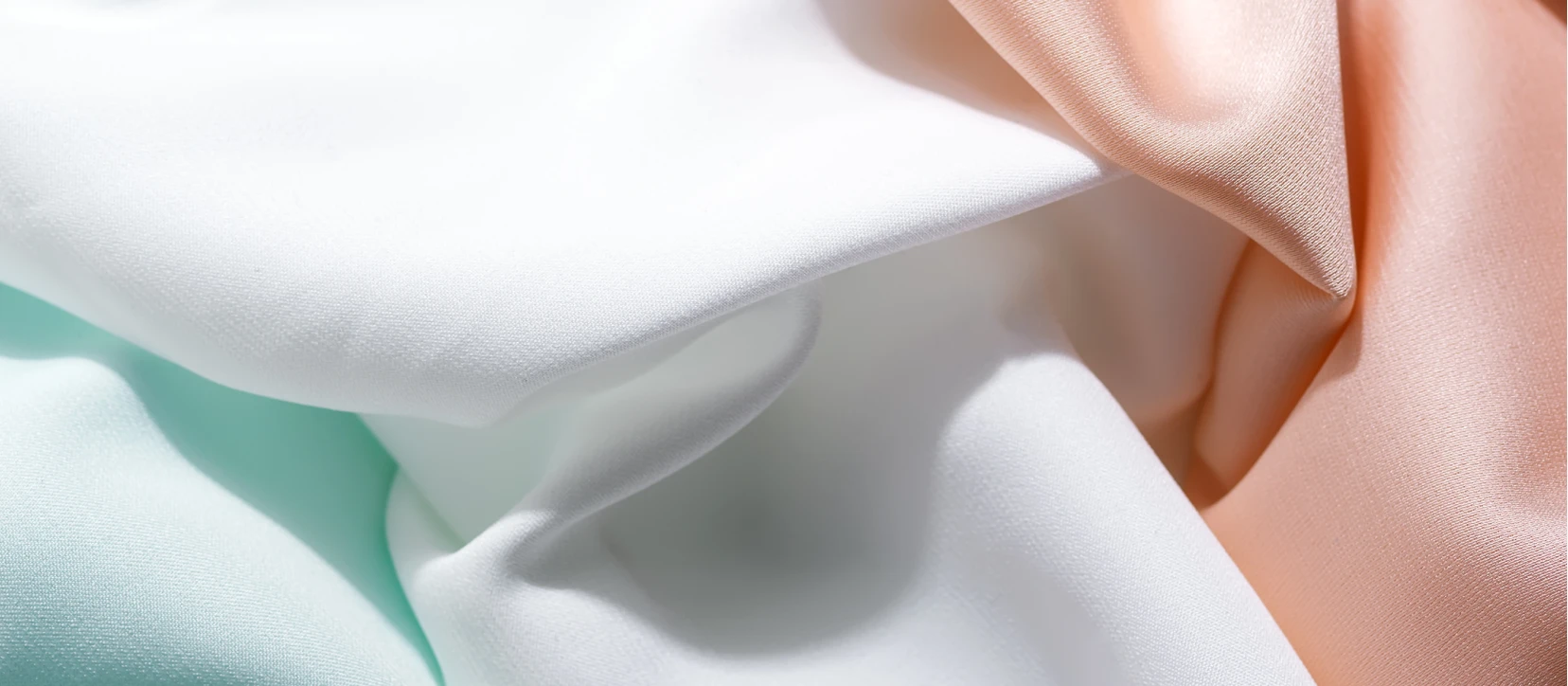
Häufige Verwendungszwecke von Charmeuse-Seide
Charmeuse-Seide ist das beliebteste Seidengewebe für Luxusbekleidung und Bettwäsche. Ihre spezifischen Anwendungsbereiche lassen sich in vier Hauptkategorien unterteilen.
Hochwertige Bettwäsche
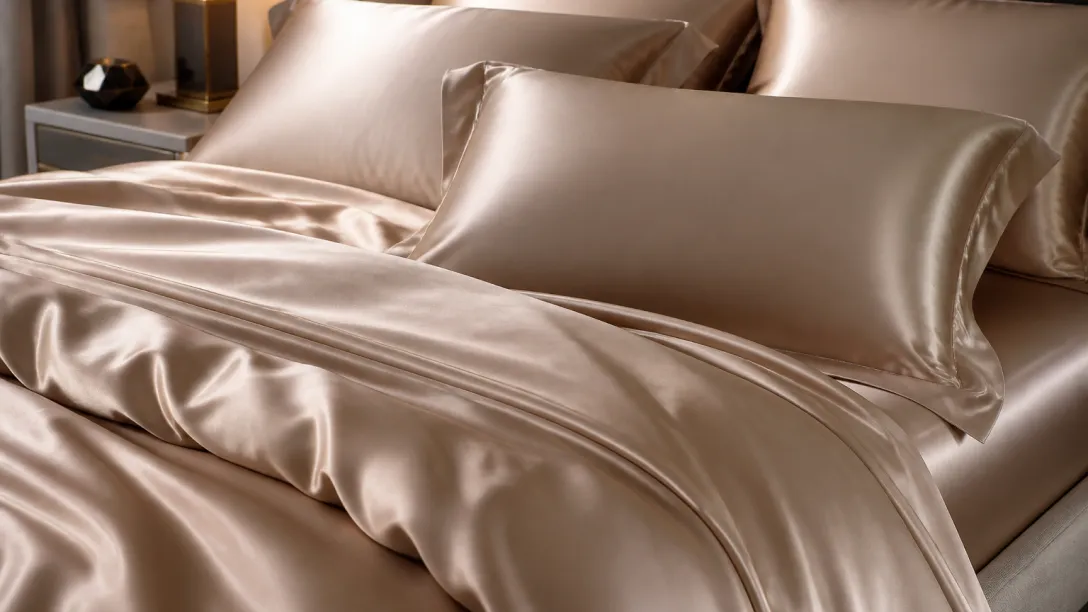
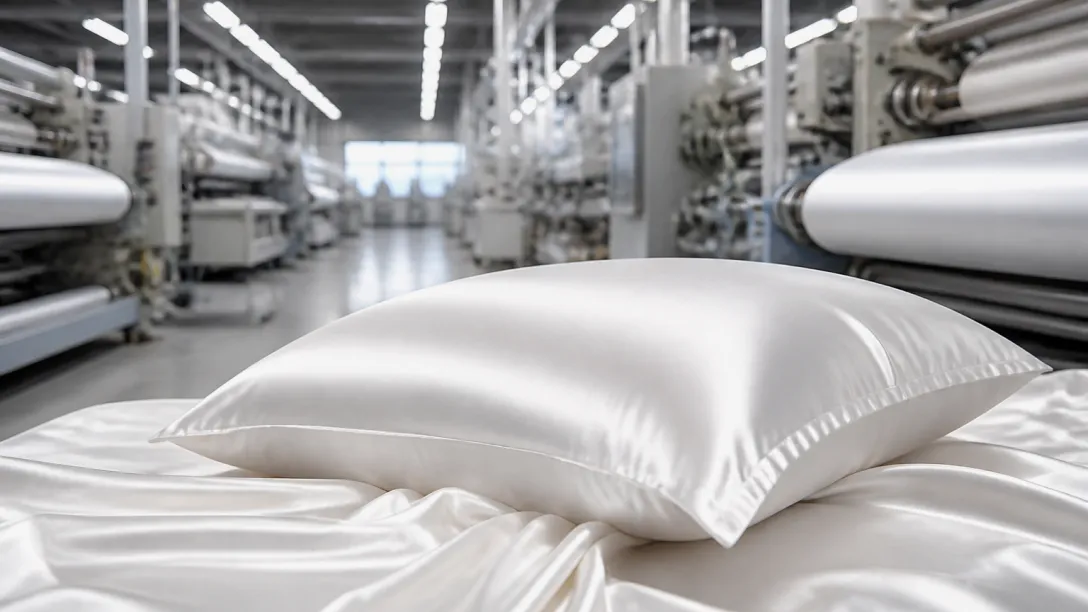
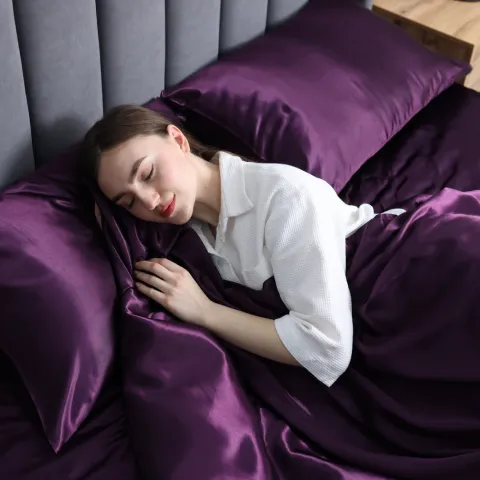
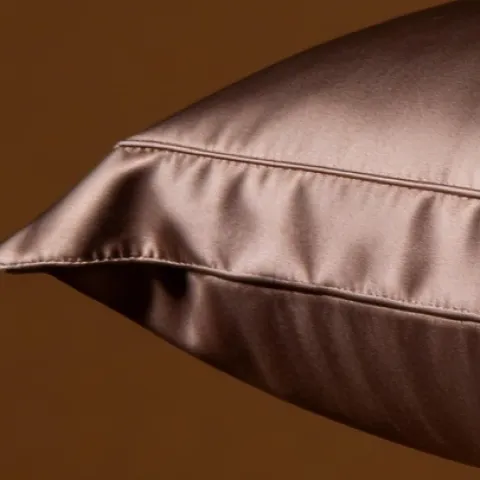
Hier ist Charmeuse-Seide heute wohl am stärksten auf dem Markt vertreten. Die glatte, schimmernde Oberfläche in Verbindung mit den haar- und hautfreundlichen Eigenschaften der Seidenfaser hat Charmeuse zum Standardstoff für Premium-Produkte gemacht Kissenbezüge aus Seide, Seidenbettwäschesowie Bettbezüge aus Seide. Am häufigsten sind 22 mm oder 25 mm. Eine vollständige Übersicht über die Vorteile von Seidenkissenbezügen finden Sie in unserem Ratgeber zu den Vorteilen von Seidenkissenbezügen.
Luxuriöse Nacht- und Hauskleidung
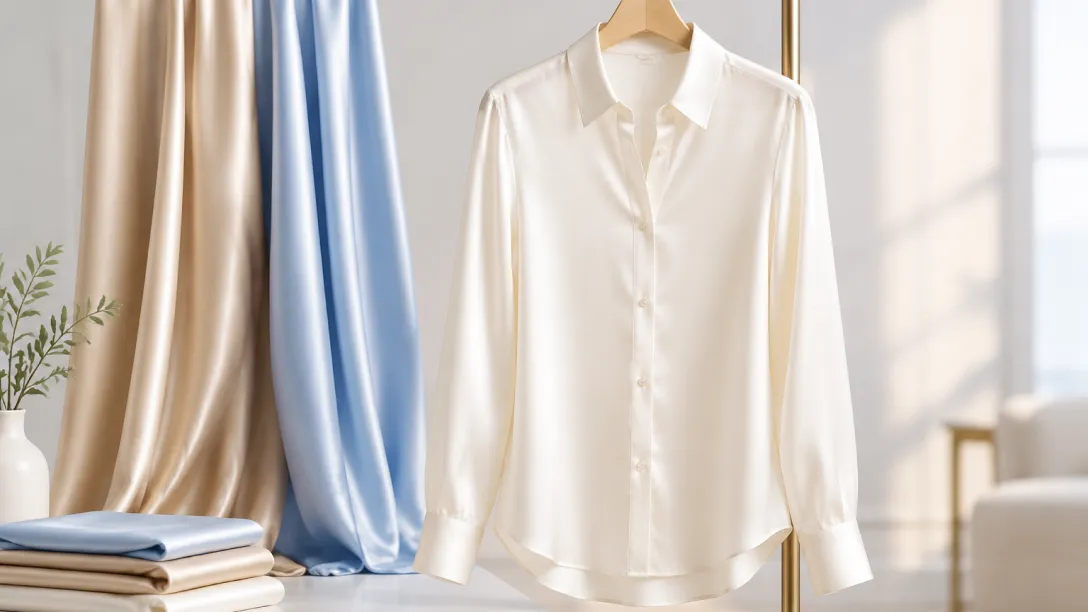
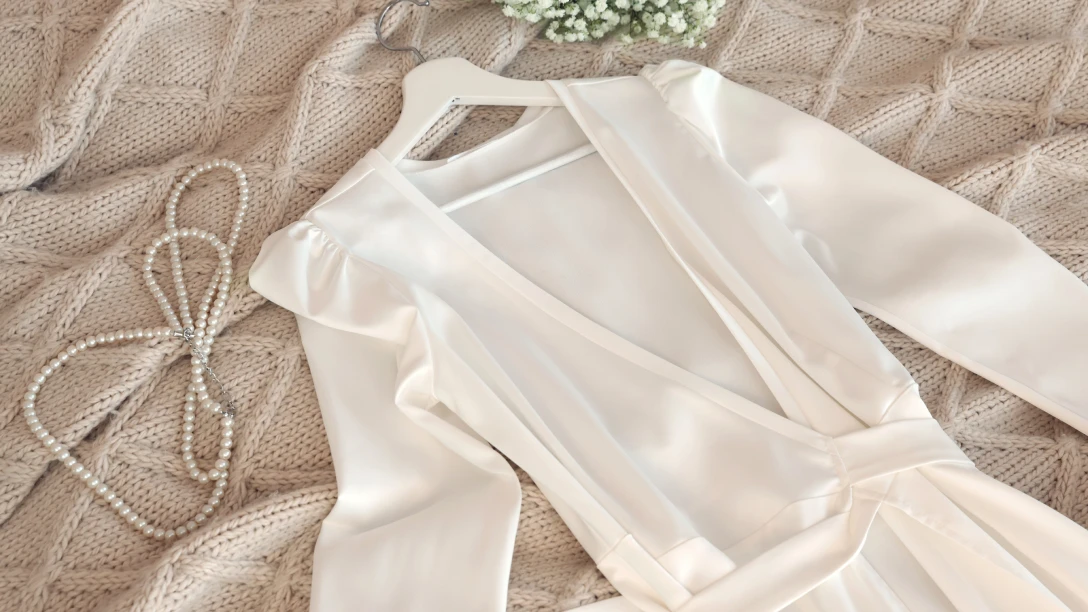
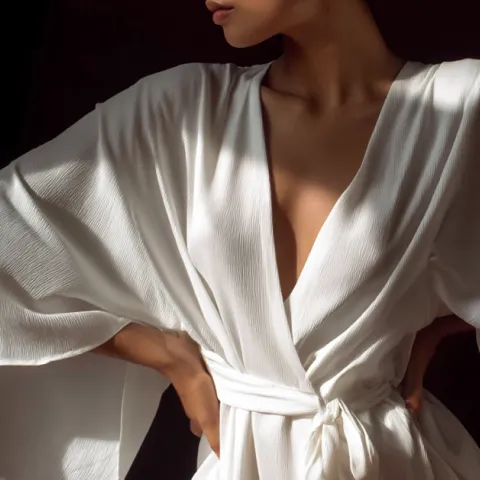
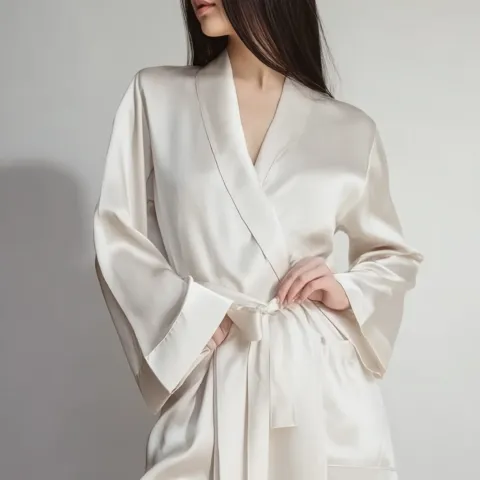
Charmeuse-Seide ist der Maßstab für Premiumqualität Seideneinnahmen, Seidengewänder, Nachthemden und Loungewear im Slip-Stil. Das kühle Tragegefühl auf der Haut ist das Hauptmerkmal dieser Kategorie. Typische Gewichte: 16 g/m² für Sommerware, 19 g/m² für Ganzjahresware, 22 g/m² für die Premium-Positionierung.
Kleider im Schrägschnitt und Abendgarderobe
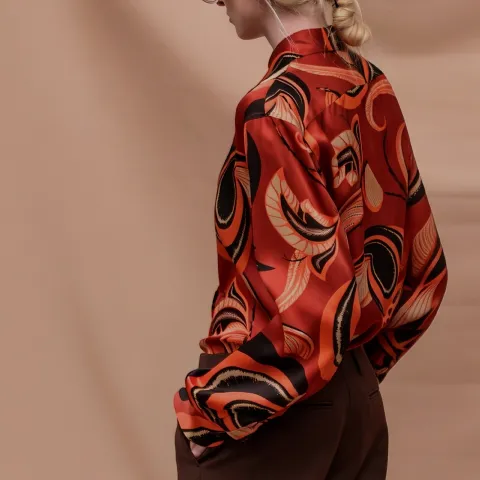
Die Kombination aus fließendem Fall und leichter Schrägstretch-Eigenschaft macht Seidencharmeuse zum idealen Stoff für schräg geschnittene Slip-Kleider, von Dessous inspirierte Tagesmode und luxuriöse Abendkleider. Die charakteristische fließende Silhouette eines schräg geschnittenen Slip-Kleides lässt sich mit keinem anderen Seidengewebe nachbilden. Sehen Sie sich unsere Sortiment an maßgeschneiderten Seidenkleidern und die Ratgeber für maßgeschneiderte Seidenkleider für die technischen Details.
Zubehör
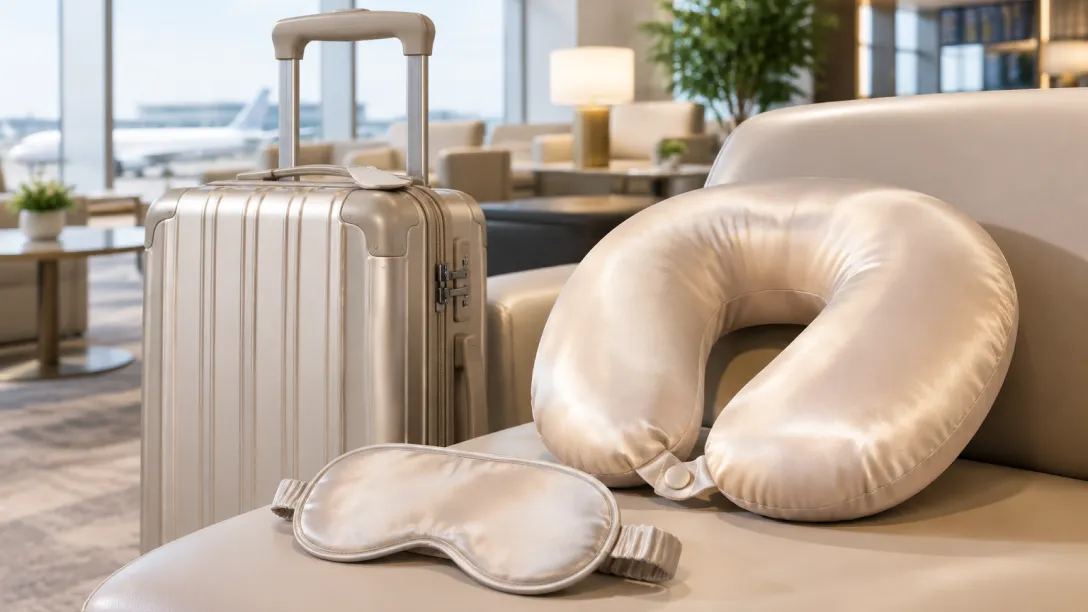
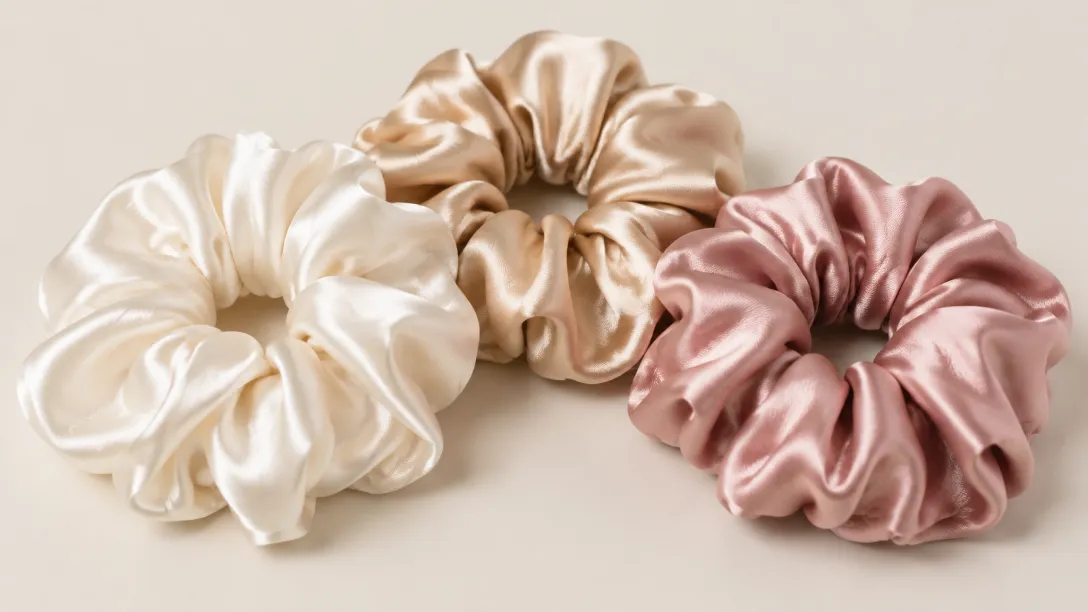
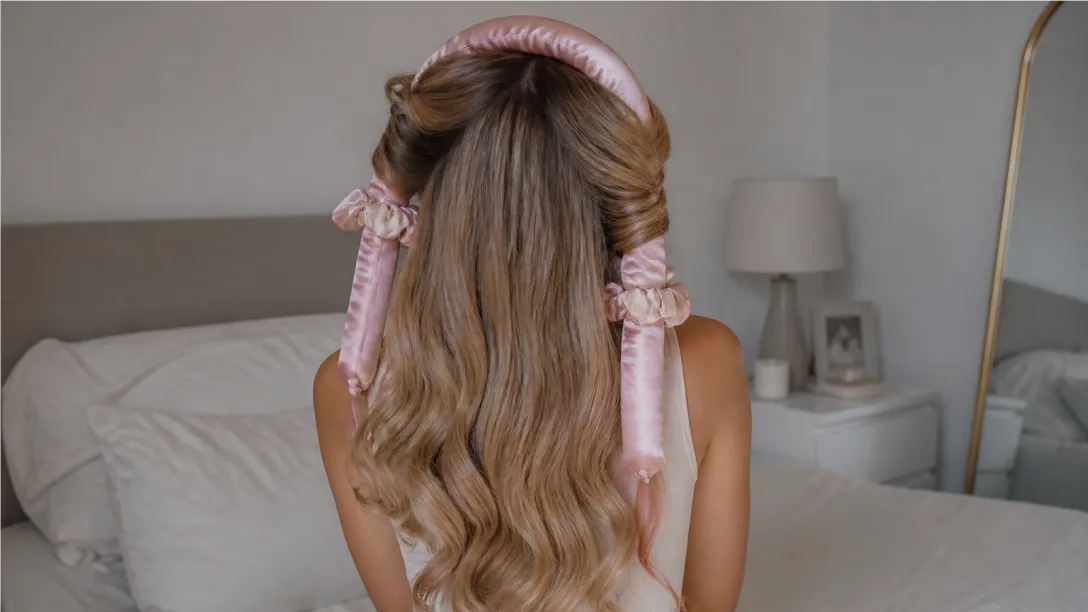
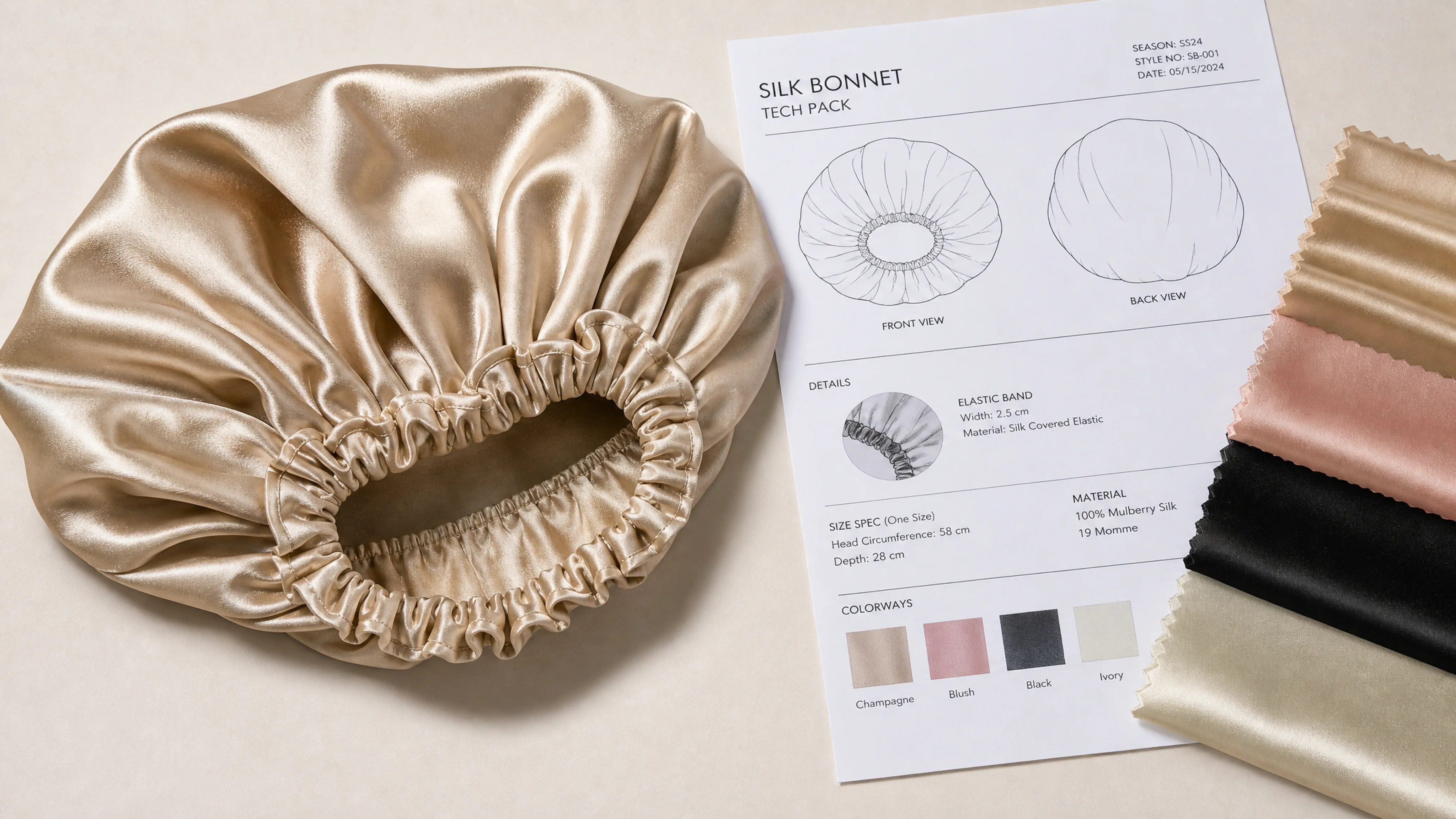
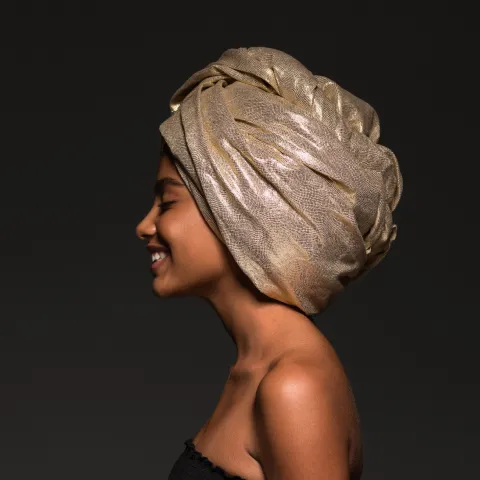
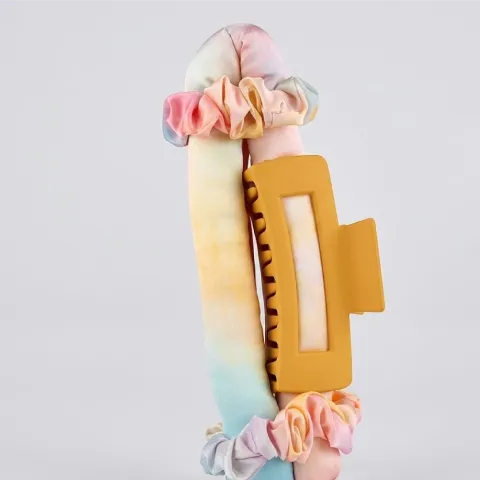
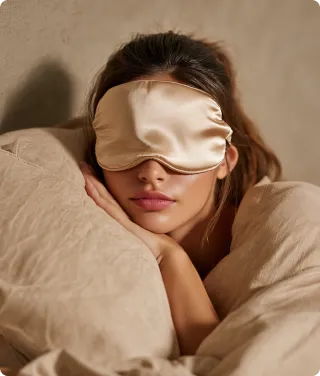
Zu den kleineren Produkten aus Seidencharmeuse gehören Seiden-Augenmasken, Seiden-Haargummis, Seiden-Haarbänder und leichte Seidenschals (typischerweise Schals, bei denen der Glanz Vorrang vor der festeren Köperbindung hat). 19–22 mm ist der Standardbereich für Accessoires.
Futtermaterial
Charmeuse-Seide wird auch als hochwertiges Futter in maßgeschneiderten Kleidungsstücken verwendet. Die nach innen gerichtete, glänzende Oberfläche sorgt für ein geschmeidiges Tragegefühl auf der Haut und unter der Unterwäsche. Dies ist eine der ursprünglichen Verwendungszwecke und gilt nach wie vor als Erkennungsmerkmal insbesondere für maßgeschneiderte Herrenmode und Haute Couture.
So erkennt man echte Charmeuse-Seide
Der häufigste Fehler bei der Beschaffung, den sowohl Markeneinkäufer als auch Endverbraucher begehen, ist, Polyestersatin mit Seidencharmeuse zu verwechseln. Hier erfahren Sie, wie Sie den Unterschied feststellen können.
Überprüfen Sie den Ballaststoffgehalt auf dem Etikett. „Charmeuse“ oder „100 % Maulbeerseiden-Charmeuse“ bezeichnet echte Seide. „Charmeuse“, „Satin“ oder „seidenähnlicher Satin“ ohne Angabe der Faserart ist fast immer Polyester.
Achten Sie auf die Gewichtsangaben für die Muttermilch. Echte Seide wird nach Momme verkauft; Polyestersatin hingegen nicht. Ein Produktdatenblatt, in dem das Momme-Gewicht nicht angegeben ist, lässt kaum auf echte Seide schließen.
Prüfen Sie die Temperatur durch Berühren. Echte Seidencharmeuse fühlt sich aufgrund der Wärmeleitfähigkeit der Seidenfaser beim ersten Kontakt kühl an. Polyestersatin fühlt sich bei Raumtemperatur oder leicht warm an. Der Unterschied ist innerhalb von 2–3 Sekunden nach dem Kontakt deutlich spürbar.
Schau dir die Rückseite an. Echte Seidencharmeuse hat eine deutlich matte Rückseite mit einer leicht strukturierten Oberfläche. Polyestersatin hat oft eine ähnlich glänzende Rückseite, da synthetische Fasern das Licht gleichmäßiger reflektieren.
Der Brenntest (für Stoffmuster, nicht für Fertigprodukte). Ein kleiner Faden aus echter Seide brennt langsam mit einer Flamme, die von selbst erlischt, eine spröde Asche hinterlässt und nach verbranntem Haar riecht. Polyester schmilzt zu einer harten Plastikperle und riecht nach verbranntem Plastik. Wir raten davon ab, diesen Test an fertigen Produkten durchzuführen, doch zur Überprüfung von Stofflieferanten ist er aussagekräftig.
Achten Sie auf die OEKO-TEX® STANDARD 100-Zertifizierung. Hochwertige Seidencharmeuse sollte OEKO-TEX-Zertifizierung die bestätigt, dass der Stoff frei von Schadstoffen ist. Diese Zertifizierung umfasst sowohl die Seidenbasis als auch alle Farbstoffe und Veredelungsbehandlungen.
Für B2B-Einkäufer: Fordern Sie bei Ihrem Lieferanten einen Prüfbericht zum Stoffgewicht an. Das Ergebnis der GSM-Prüfung sollte innerhalb von ±3 % des angestrebten Momme-Äquivalents liegen (22 mm = ca. 95 g/m², 19 mm = ca. 82 g/m² usw.). Verlangen Sie eine Zertifizierung der Faser als Maulbeerseide der Güteklasse 6A. Prüfen Sie ein Stoffmuster bei Tageslicht auf Oberflächengleichmäßigkeit – hochwertige Seidencharmeuse sollte keine Streifen, keine Webspannungsspuren und eine gleichmäßige, glänzende Oberfläche über die gesamte Breite aufweisen.
Pflegehinweise für Charmeuse-Seidenstoff
Charmeuse-Seide belohnt die richtige Pflege mit einem lang anhaltenden, gepflegten Aussehen. Bei falscher Pflege kann derselbe Stoff jedoch schon nach wenigen Wäschen seinen Glanz verlieren und Wasserflecken entwickeln.
Von Hand in kaltem Wasser (unter 30 °C / 86 °F) waschen mit einem pH-neutralen oder seidenspezifischen Waschmittel. Vermeiden Sie heißes Wasser, da dies die Proteinstruktur der Seide schädigt. Vermeiden Sie alkalische Waschmittel, da diese das Seidenfibroin mit der Zeit zersetzen.
Maximal 3–5 Minuten einweichen lassen. Lassen Sie Seidencharmeuse nicht über einen längeren Zeitraum im Wasser liegen.
Nicht auswringen oder verdrehen. Drücken Sie überschüssiges Wasser vorsichtig zwischen zwei sauberen Handtüchern heraus.
Im Schatten an der Luft trocknen lassen. Direkte Sonneneinstrahlung lässt die Farben der Seide mit der Zeit verblassen und zersetzt das Seidenprotein. Hängen Sie das Kleidungsstück auf einen gepolsterten Kleiderbügel oder legen Sie es flach auf ein sauberes Handtuch.
Bei niedriger Temperatur bügeln (Seidenprogramm, ca. 110–120 °C) Legen Sie ein Bügeltuch zwischen Bügeleisen und Stoff. Bügeln Sie die matte Rückseite, um die glänzende Vorderseite vor Hitzeflecken zu schützen.
Vermeiden Sie Chlorbleiche unbedingt. Vermeiden Sie auch Sauerstoffbleiche. Beide schädigen die chemische Struktur der Seidenfasern irreversibel.
Vermeiden Sie den Kontakt mit Parfüm, Haarspray und alkoholhaltigen Produkten. Tragen Sie diese vor dem Anziehen auf, lassen Sie sie trocknen und ziehen Sie dann die Seidenkleidung an.
Vor direkter Sonneneinstrahlung schützen in einem atmungsaktiven Baumwollbeutel oder auf einem gepolsterten Kleiderbügel. Vermeiden Sie für die Langzeitlagerung Kleidersäcke aus Kunststoff – Seide benötigt Luftzirkulation, um ein Vergilben zu verhindern.
Manche sandgewaschene Seidencharmeuse verträgt das Waschen in der Maschine im Schonwaschgang bei niedriger Temperatur in einem Wäschenetz. Unsere Leitfaden für sandgewaschene Seide beschreibt diese Variante mit gewaschenem Finish ausführlich. Für die pflegespezifischen Hinweise zu Kissenbezügen finden Sie in unserem Pflegehinweise für Seidenkissenbezüge führt Sie Schritt für Schritt durch den Vorgang.
Hochwertige Seidencharmeuse von einem spezialisierten Hersteller
Wenn Sie Seidencharmeuse für eine Markenkollektion suchen – sei es für Bettwäsche, Nachtwäsche, Kleider, Accessoires oder hochwertige Futterstoffe –, webt DreamSilk in unserem Werk in Suzhou Seidencharmeuse in Momme-Gewichten von 12 mm bis 30 mm. Jede Rolle besteht aus Maulbeerseide der Güteklasse 6A, ist nach dem ÖKO-TEX STANDARD 100 zertifiziert und wird unter einem einheitlichen Qualitätssystem vom Garn bis zum fertigen Stoff hergestellt.
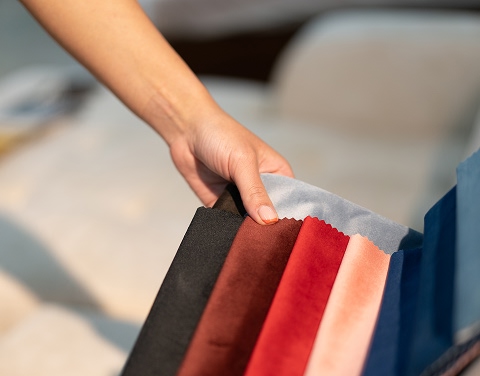
Teilen Sie uns bitte Ihre geplante Verwendung, das Momme-Gewicht, die Farbe und die benötigte Menge mit. Wir senden Ihnen kostenlose Stoffmuster in verschiedenen Gewichten zu, damit Sie die Haptik und den Fall der Stoffe direkt vergleichen können, sowie ein transparentes Angebot ohne Tricks bei der Gewichtsangabe (Rohstoff vs. fertig veredelt).
Entdecken Sie unser Sortiment an Seidencharmeuse-Stoffen oder Kontaktieren Sie uns für ein Angebot Um loszulegen.
FAQ
Wenn die Bezeichnung „Seidencharmeuse“ oder „100 % Maulbeerseidencharmeuse“ angegeben ist, handelt es sich tatsächlich um echte Seide, die in Satinbindung gewebt wurde. Die Bezeichnung „Charmeuse“ allein ist jedoch eine Bindungsbezeichnung und kann sich technisch gesehen auch auf Polyester- oder Rayonstoffe mit derselben Bindungsstruktur beziehen. Überprüfen Sie immer die Angaben zum Fasergehalt auf dem Produktetikett.