
Custom Silk Dresses: A Manufacturer's Guide to Bias-Cut, Linings & Premium Fabric Selection


In luxury ready-to-wear, the details define the final price the customer is willing to pay. For brands, boutiques, and wholesalers sourcing custom silk dresses, the right combination of cutting technique, lining decision, and fabric base is what separates a polished product from one that looks expensive but doesn't perform.
Our production base in Suzhou — the historical capital of Chinese silk — runs custom silk dress manufacturing daily, from bias-cut evening slips for European boutiques to flowing summer styles for North American direct-to-consumer brands. This guide walks through what actually matters when you spec a custom silk dress program: how the bias cut behaves in production, when to line and when not to, which silk bases work for which silhouette, and how to verify quality before greenlighting bulk.
Why the Bias-Cut Silk Dress Drapes Like Nothing Else
A bias-cut silk dress is cut at a 45-degree angle to the warp and weft threads of the fabric. Instead of the stiff, vertical fall you get from a straight-grain cut, the fabric becomes elastic and stretchy along the cutting line. It moves with the body's natural curves rather than against them.
For brand collections, three things matter here:
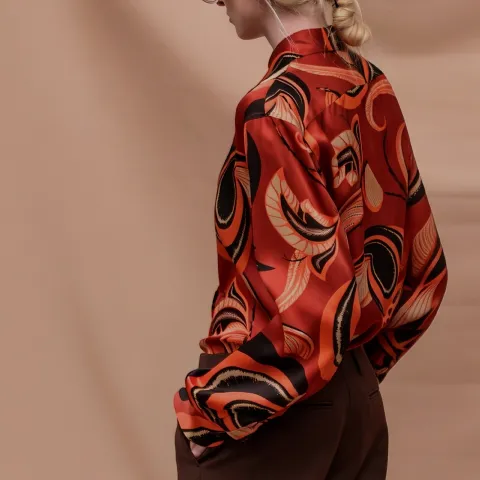
1. Unparalleled liquid drape. Bias cutting creates the signature flowing silhouette you see on luxury slip dresses, evening gowns, and high-end sleepwear. The fabric appears to pour off the body rather than hang from it. No other cutting technique produces this effect.
2. Forgiving fit across body types. Because bias-cut fabric stretches on the diagonal, the same pattern adapts to a wider range of body shapes than a straight-grain cut would. A bias slip dress sized for a UK 10 can comfortably fit anyone between a UK 8 and UK 12. This is why bias-cut silk dresses scale better in DTC and boutique programs where fit returns are a real cost line.
3. Visible craftsmanship signal. Producing a clean bias-cut silk dress requires real factory skill. Cutting accuracy, seam technique, and dimensional stability all become harder. When the finished garment looks effortless, that effortlessness is a craftsmanship signal customers can feel. Bias-cut signals luxury the way a hand-rolled scarf edge signals luxury — the customer doesn't need to know the technical reason; they just feel the difference.
Bias-cut works best on fluid fabrics. Silk charmeuse is the classic and most-requested base. Silk crepe de chine also bias-cuts beautifully. Sandwashed silk (which we cover separately in our sandwashed silk guide) is particularly well-suited to bias-cut construction because the softer hand contours the body more naturally.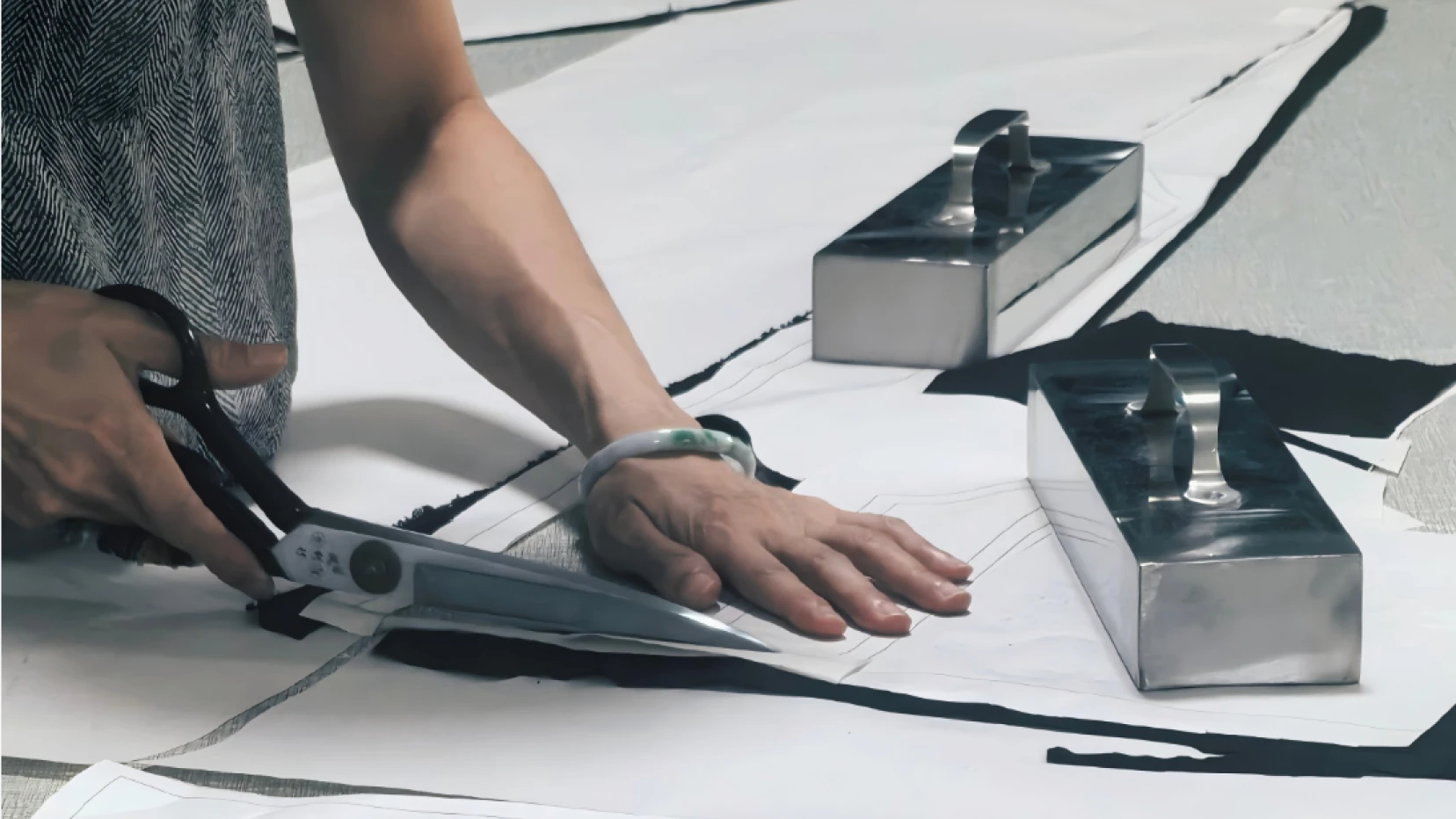
The Bias-Cut Silk Dress Production Reality: What Brand Buyers Need to Know
Most consumer-facing articles stop at "bias-cut drapes beautifully." The production reality has tradeoffs brand owners should understand before locking in a spec.
Fabric consumption goes up by 20–35%. Bias cutting lays pattern pieces at 45 degrees on the fabric width, which leaves more unused triangular waste between pieces than a straight-grain layout. A custom silk dress cut on the bias typically uses 20–35% more fabric than the same dress cut on grain. This is fixed math — every brand sourcing bias-cut silk dresses pays for this, whether it's called out on the quote or hidden in the unit cost.
Dimensional stability changes after cutting. Silk fabric cut on the bias relaxes and elongates slightly over the 24–72 hours after cutting. We hang bias-cut panels for at least 48 hours before sewing to let this drop settle. If a factory skips this hanging step, garments shrink or distort after the first wash. The garment looks fine off the production line but arrives at the customer with seams that don't sit straight.
Seam technique matters more than usual. Bias seams stretch under tension and can pucker or pull apart if sewn with a standard seam. We use French seams or fine bound seams on bias-cut silk dresses across the board — completely enclosed raw edges, double-stitched, with the seam allowance pressed in the same direction as the bias drop. The interior of a well-made bias-cut silk dress should look as clean as the exterior.
Marker efficiency is harder to control. Pattern markers for bias-cut runs need careful adjustment to avoid pulling and skewing. We typically use markers up to 9 m long for bias-cut silk to spread pattern pieces across enough fabric to balance grain direction. Shorter markers (3–5 m) save floor space but produce more grain-direction inconsistency batch to batch.
Sample-to-bulk variation runs higher. Bias-cut samples almost always look perfect because they're cut and sewn carefully by senior pattern makers. Bulk production from less-experienced sewers can drift in fit, drape, and seam quality. We run a 50-piece pilot before greenlighting bulk on any new bias-cut silk dress style to catch this drift early.
For brand buyers, the practical takeaways are: budget for the extra fabric, expect a slightly longer production lead time, and confirm with your manufacturer that they're running French seams and post-cutting hanging time. If those answers aren't ready, the factory is not equipped for bias-cut silk.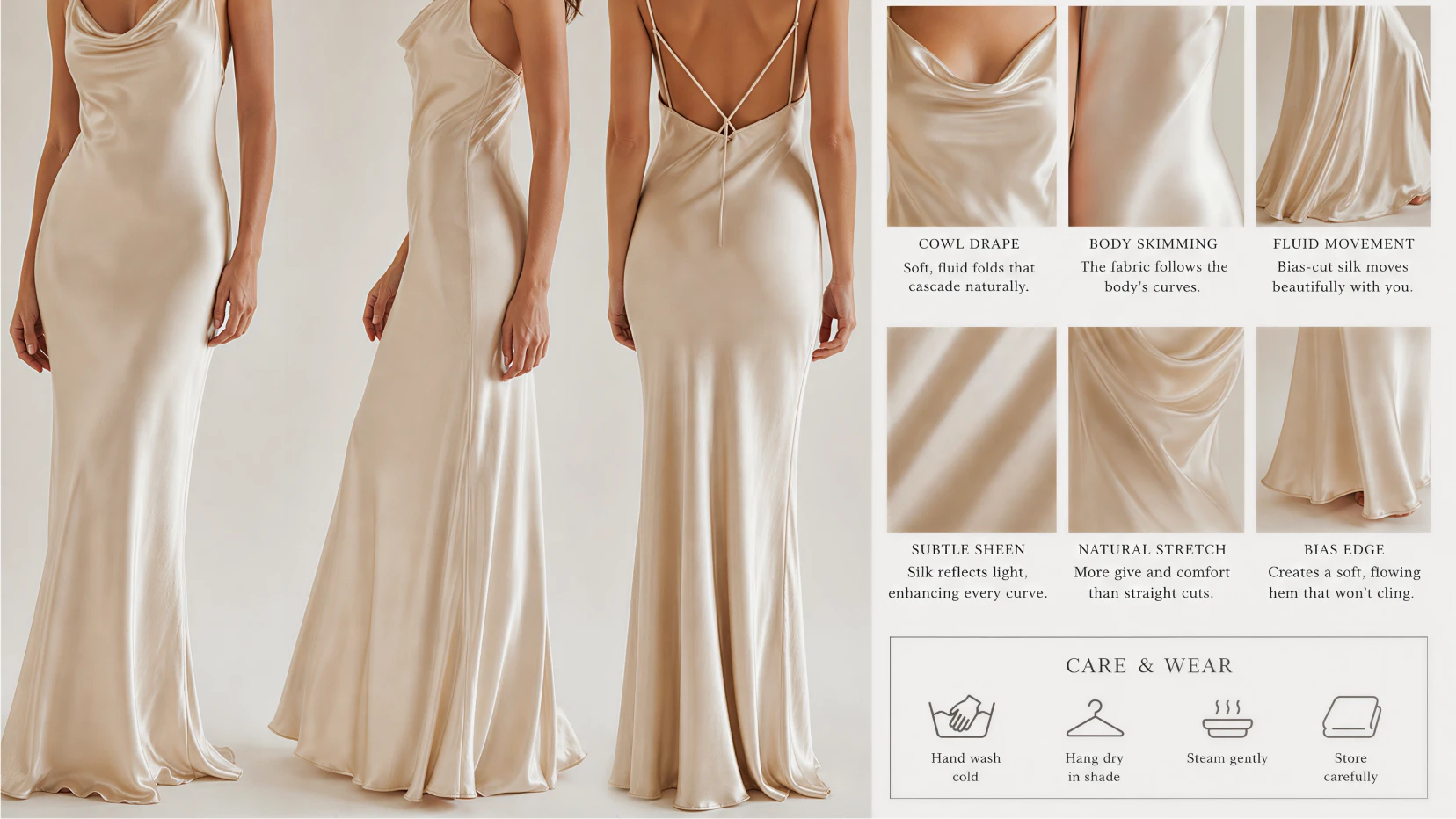
Lined or Unlined Silk Dresses: How to Make the Right Choice
Whether a custom silk dress needs a lining depends on three factors: the weight (momme) of the outer fabric, its opacity in the dress color you're producing, and the silhouette of the garment.
When to Make Unlined Silk Dresses
Unlined construction works best for heavier silk fabrics — typically 19 mm and above — where the fabric itself has enough body to drape correctly without support, and where the silk is opaque enough in your colorway to wear without revealing what's underneath.
Best base fabrics for unlined dresses: silk charmeuse 19 mm and up, heavier silk crepe de chine, sandwashed silk in mid-weights, silk double georgette.
Best silhouettes: bias-cut slip dresses, summer collection dresses, simple shift dresses, kaftan-style dresses, casual midi dresses. Lining bias-cut dresses is generally a mistake — the lining restricts the natural elasticity that makes the bias cut work in the first place.
Pros of unlined construction: lighter weight, more breathable, faster to produce (no second layer to cut, sew, and align), lower fabric cost, more authentic silk feel directly on skin.
Cons: more dependent on opacity of the dyed base fabric, less forgiving on body contours, more visible underwear lines for fitted silhouettes.
When to Add a Lining
Lined construction is the right call for lightweight silks under 16 mm, sheer fabrics regardless of weight, structured silhouettes that need internal support, and dresses worn in formal contexts where the wearer expects a polished feel against the skin.
When to use silk lining: silk habotai at 8–12 mm is the industry-standard lining fabric for premium silk dresses. It adds almost no bulk, slides cleanly against skin and stockings, and matches the natural protein-fiber feel of the outer silk. For more premium positioning, 14–16 mm silk crepe de chine works as a lining and adds a hint of structural body.
Outer fabrics that almost always need lining: silk chiffon, silk georgette, silk organza, and any silk below 16 mm in light colors.
Best silhouettes for lined construction: evening gowns, cocktail dresses, structured dresses with internal boning, dresses with sheer overlays, A-line and fit-and-flare silhouettes, dresses for formal occasions.
Pros: controlled opacity regardless of dye color, smoother silhouette without underwear show-through, internal hardware (zips, hooks) hidden cleanly, garment hangs better on the body, perceived value increases.
Cons: higher unit cost, more weight and bulk, slower production cycle, more washing complexity for the end customer.
A Quick Decision Matrix
| Outer Silk Fabric | Momme | Default Recommendation |
|---|---|---|
| Silk charmeuse | 19+ mm | Unlined (bias) / lined (structured) |
| Silk crepe de chine | 14+ mm | Unlined |
| Silk crepe de chine | 12 mm and below | Lined in light colors |
| Silk chiffon | All weights | Lined |
| Silk georgette | All weights | Lined |
| Silk organza | All weights | Lined (often with chiffon underlay) |
| Sandwashed silk | 16+ mm | Unlined |
| Silk twill | 14+ mm | Unlined |
| Silk dupioni | All weights | Lined (structured silhouettes only) |
The default is a starting point, not a rule. Final lining decisions should account for the specific dye color (a 19 mm white charmeuse may still need lining; a 19 mm black charmeuse won't), the silhouette, and the end customer's expectations.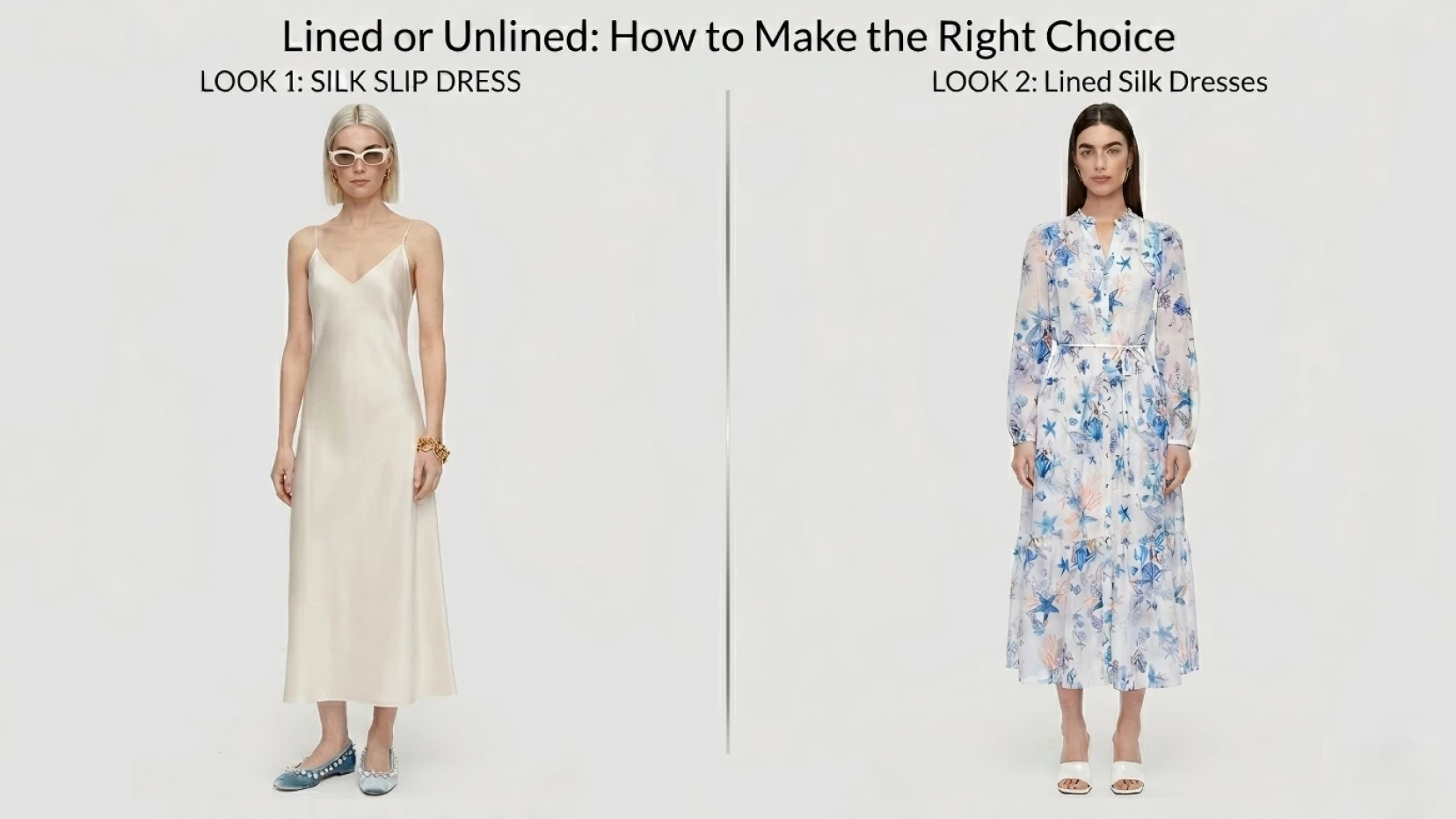
Best Silk Fabrics for Custom Dresses
Choosing the right textile is the foundation of every custom silk dress program. DreamSilk supplies and produces dresses across the full range of premium silk and silk-blend fabrics — below is a breakdown of the bases we run most often, with their best dress applications.
100% Mulberry Silk Bases
These are the gold standard for luxury apparel programs and the most-requested categories for custom silk dress production.
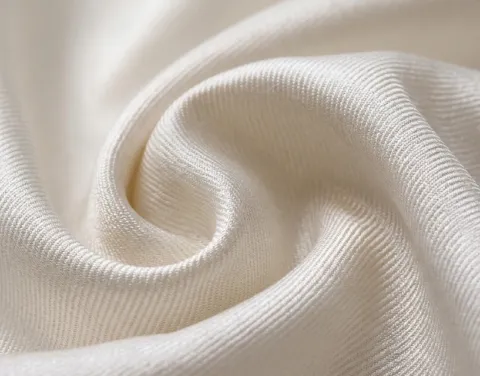
Silk charmeuse. The classic luxury silk dress fabric. Glossy satin face, matte back, fluid drape. The default choice for slip dresses, evening gowns, lingerie-inspired styles, and anything in the bias-cut category. Most-used weight: 19–22 mm.
Silk crepe de chine (CDC). Subtle pebbled texture, matte finish, excellent durability, beautifully fluid drape. Holds dye exceptionally well — the matte surface produces deep saturated colors. Used for everyday dresses, smock dresses, drape-front cocktail dresses. Most-used weight: 14–18 mm.
Silk twill. Diagonal weave, soft sheen, more structure than charmeuse or CDC. Used for structured shirtdresses, button-front dresses, and dress jackets. Particularly good for printed designs because the twill texture holds ink sharply. Most-used weight: 14–18 mm.
Silk chiffon. Lightweight, sheer, slightly textured. Used for romantic overlay layers, flowing sleeves, sheer panel inserts, and tiered skirt designs. Almost always requires lining. Most-used weight: 6–10 mm.
Silk georgette. Crepe-textured cousin of chiffon, slightly more body and matte. Used for flowing midi dresses, ruffled sleeves, gathered bodices. Most-used weight: 8–14 mm.
Silk habotai. Smooth plain-weave silk used primarily as lining for premium silk dresses. Adds the cool slick feel against skin that defines luxury sleepwear and evening dresses. Most-used weight: 8–12 mm for linings.
Silk organza. Crisp, sheer, holds shape. The architectural fabric in the silk dress world — used for structured volume, layered skirt panels, statement sleeves, and structured collar pieces. Most-used weight: 5–8 mm.
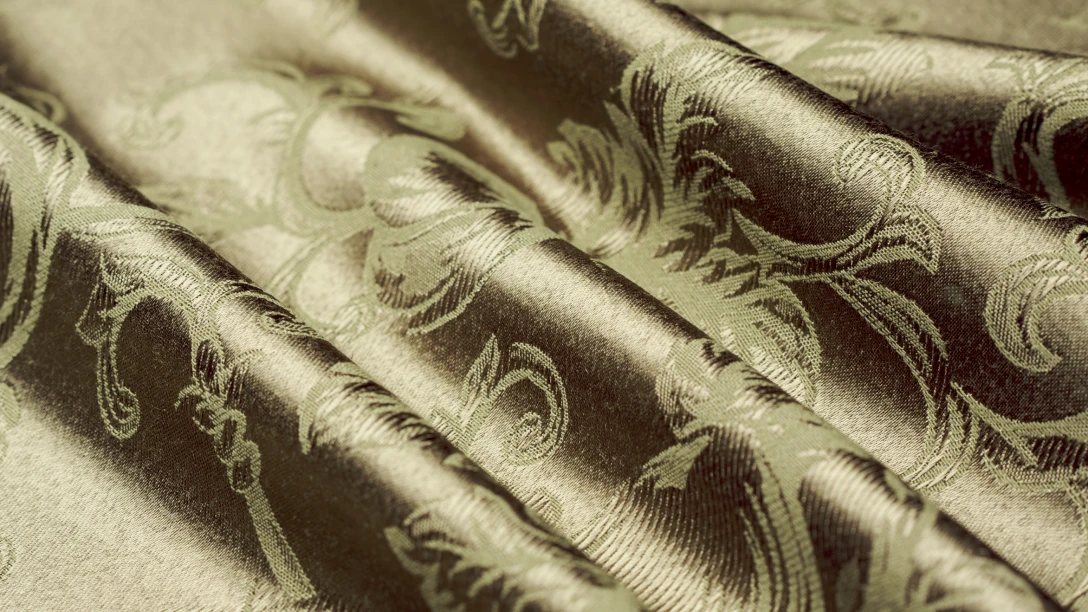
Silk jacquard. Woven-in pattern, highly textured, premium positioning. Used for occasion dresses, mother-of-the-bride pieces, and statement formal dresses where the woven design replaces a print.
For a deeper read on which momme weight fits which dress silhouette, our silk momme weight guide walks through every product category.
Silk Blend Fabrics
Blending silk with other premium fibers can change the hand, the price point, or the seasonal performance.
- Silk-cotton blend. Combines cotton's breathability with silk's natural sheen. Used for summer dresses, beach kaftan dresses, lightweight daywear.
- Silk-linen blend. Linen texture with a softer hand and less crisp wrinkling. Used for resort dresses, summer maxi dresses, casual midi dresses.
- Silk-wool blend. Tailored drape with insulation. Used for autumn/winter dresses, occasion sheath dresses, jacket-and-dress sets.
- Silk-viscose / silk-rayon blend. Mimics pure silk's drape at a more accessible price. Used for entry-level luxury programs and high-volume DTC lines.
Alternative Fabrics for Mixed Programs
Brands building broader luxury collections often need non-silk bases for specific categories. DreamSilk's lines also produce:
- Tencel and bamboo. Sustainable, soft, moisture-wicking. Increasingly popular for sleep dress and wellness-positioned dress programs.
- Premium cotton. Breathable, durable, lower price point — useful for everyday dress lines and matched silk-cotton collections.
- High-quality polyester satin. Cost-effective and easy-care alternative for entry-tier evening dresses, with similar visual sheen to silk charmeuse.
This range lets brand owners build coordinated collections that include silk hero pieces alongside more accessible price-point options under the same private-label program.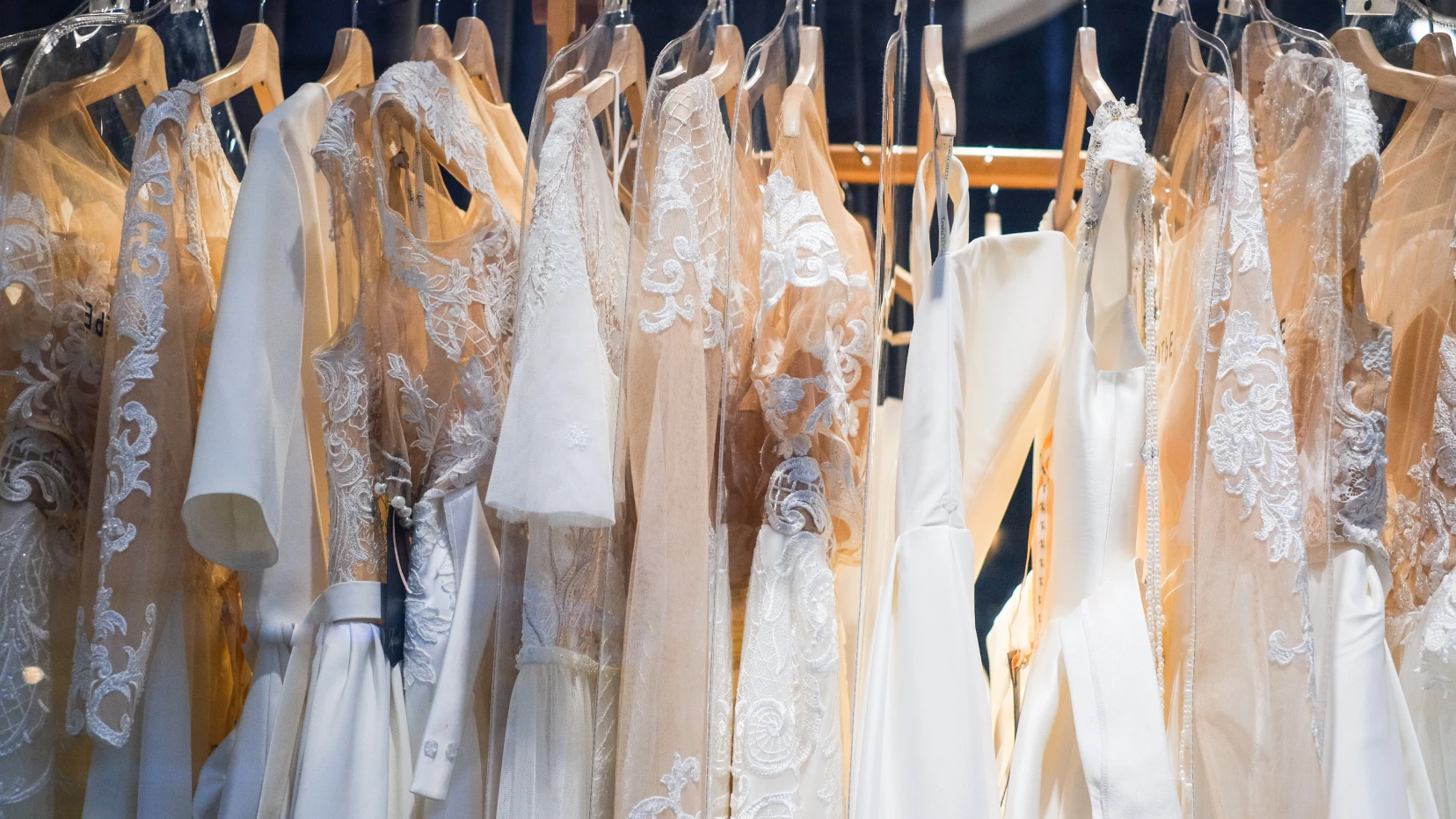
Silk Dress Silhouettes: Which Fabric Fits Which Style
The same fabric base can work brilliantly in one silhouette and badly in another. Here are the most common silk dress silhouettes we produce, with the fabric pairings that work in practice.
Bias-Cut Slip Dresses and Camisole Dresses
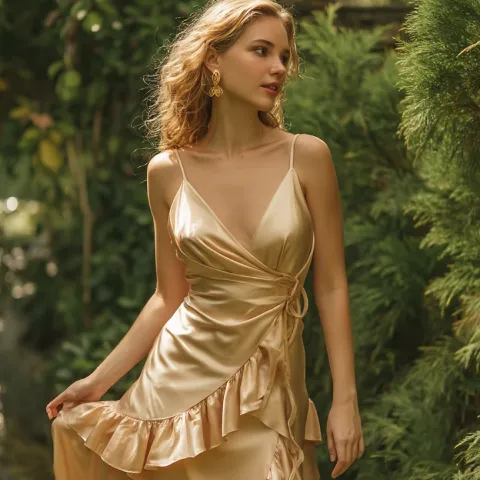
The signature luxury silk dress silhouette. Cut at 45 degrees, adjustable straps, often midi or maxi length. Used in evening, loungewear-as-outerwear, bridal, and lingerie programs.
Best fabrics: silk charmeuse 19–22 mm (classic), sandwashed silk charmeuse 19–22 mm (matte luxury), silk crepe de chine 16–18 mm (more relaxed).
Lining decision: typically unlined. Lining defeats the bias drape.
Evening Gowns and Cocktail Dresses
Structured silhouettes, often floor-length or knee-length, with formal styling — boning, internal corsetry, complex draping.
Best fabrics: silk charmeuse (body), silk chiffon (overlay), silk organza (volume layers), silk satin double-face (heavier bodice).
Lining decision: always lined. Silk habotai or crepe de chine lining is the standard.
Everyday Daywear Dresses
Casual or workwear dresses — shirtdresses, button-front midi dresses, smock dresses, shift dresses, wrap dresses.
Best fabrics: silk crepe de chine 14–16 mm, silk twill 14–18 mm, silk-cotton blend, sandwashed silk for "quiet luxury" everyday positioning.
Lining decision: typically unlined for breathability; lined only in light colors where opacity is a concern.
Slip Nightgowns and Loungewear Dresses
The crossover between sleepwear and daywear that has expanded the silk dress market significantly in recent seasons.
Best fabrics: silk charmeuse 16–19 mm, sandwashed silk charmeuse 19 mm.
Lining decision: unlined for breathability. We cover the full development cycle for sleep-adjacent silk garments in the entire process of customizing silk pajamas.
Resort and Vacation Dresses
Flowing, often longer-length, often printed. Maxi dresses, kaftans, summer wrap dresses.
Best fabrics: silk crepe de chine 14 mm, silk twill 14–16 mm (for prints), silk-linen blend, silk-cotton blend.
Lining decision: typically unlined except for sheer printed fabrics.
Tailored Dresses and Sheath Dresses
Fitted silhouettes that need internal structure — pencil dresses, sheath dresses, structured A-lines.
Best fabrics: silk twill 18–22 mm, silk-wool blend, silk dupioni.
Lining decision: always lined for structural support. Silk crepe de chine lining preferred.
Color, Print, and Embellishment Options for Silk Dresses
The base fabric is only half of the silk dress specification. The customization side — color, print, and trim choices — has its own set of decisions that shape both production cost and end-customer perception.
Custom Color Dyeing
Most silk dress orders are piece-dyed (the woven greige fabric is dyed after weaving rather than from pre-dyed yarn). This gives the cleanest, most uniform color across a production run.
We offer:
- Standard color chart selection. 100+ stocked Pantone-matched colors with shorter lead times and no lab-dip approval cycle.
- Custom Pantone color matching. You supply a Pantone code or a physical fabric swatch; we produce a lab dip for approval before bulk dyeing.
- Reactive dyeing. Eco-friendly process, strong colorfastness, ideal for solid colors.
- Acid dyeing. Higher color depth for deep saturated tones, used on heavier silks.
Typical color lead time: 5–7 days for standard chart, 10–14 days for custom matched.
Print Options
Two main print methods, each with its own tradeoffs:
- Digital printing. Best for detailed multi-color designs, gradients, photographic prints, complex artwork. Minimum order as low as 50 m per design. No screen fees. Fast turnaround.
- Screen printing. Best for bold high-volume repeat patterns with limited color counts. Higher setup cost (screen fees per color), but lower per-meter cost at scale. Stronger color saturation on heavier silks.
For double-sided prints, the silk weight matters: lighter silks (under 14 mm) take front-side prints with high back-side penetration; heavier silks (18+ mm) need dedicated double-sided printing for equal color on both faces.
Trim and Detail Customization
The visible details that elevate a custom silk dress from production-line to premium:
- Custom main labels, care labels, size labels sewn to your brand specification
- Custom hang tags and packaging inserts
- Lace trim, ruffle trim, picot edges, decorative bindings
- Embroidery in your brand font, logo, or custom motif
- Button options: resin, shell, horn, fabric-covered, silk-covered, mother-of-pearl
- Zipper hardware: branded pulls, hidden invisible zippers, decorative exposed zippers
- Trim variations: piping, contrast bindings, lace inserts
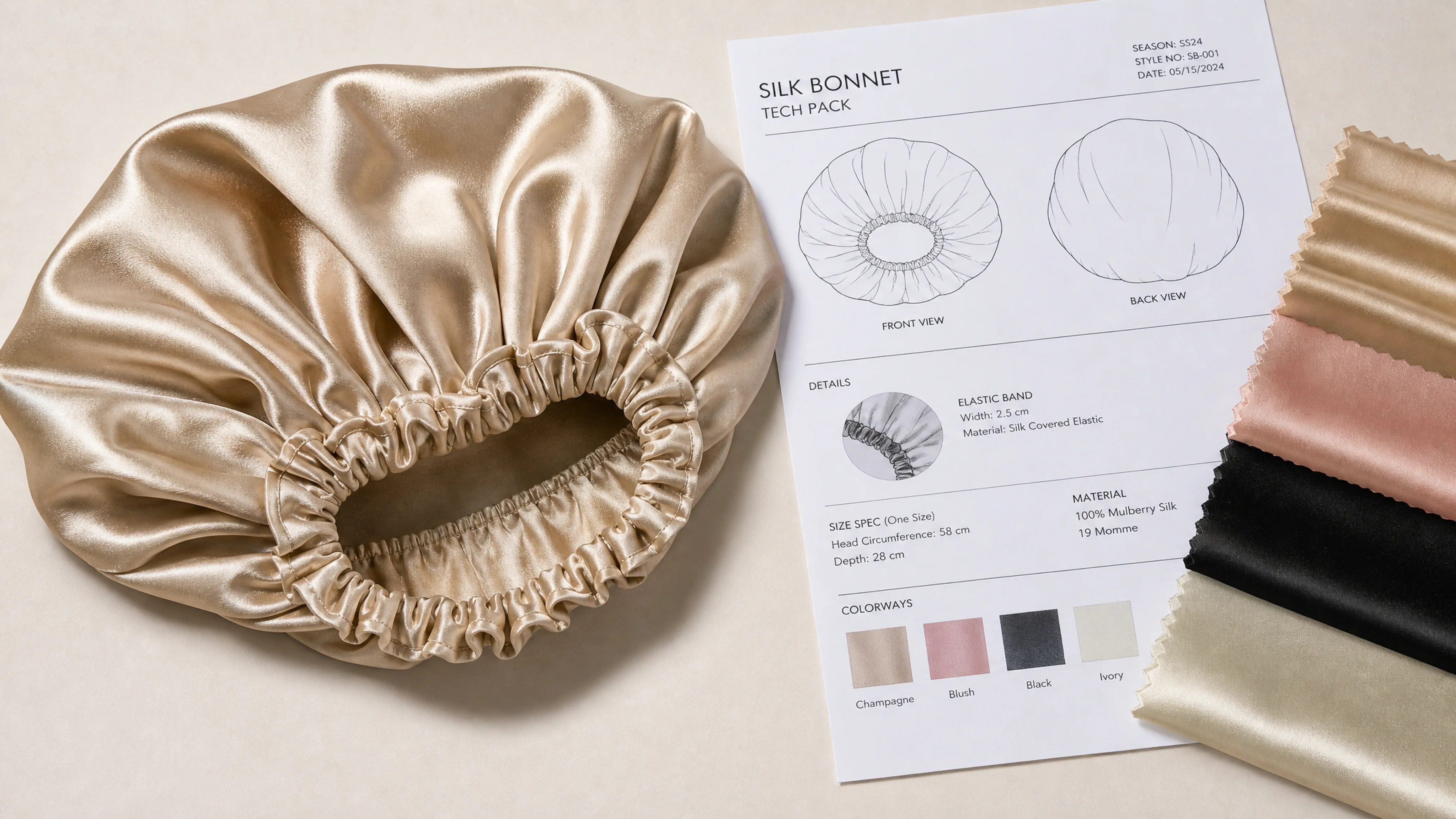
All of this can be specified in a single tech pack and produced under one roof — outer fabric weaving, lining, dyeing, sewing, embellishment, and packaging — without coordinating across separate vendors.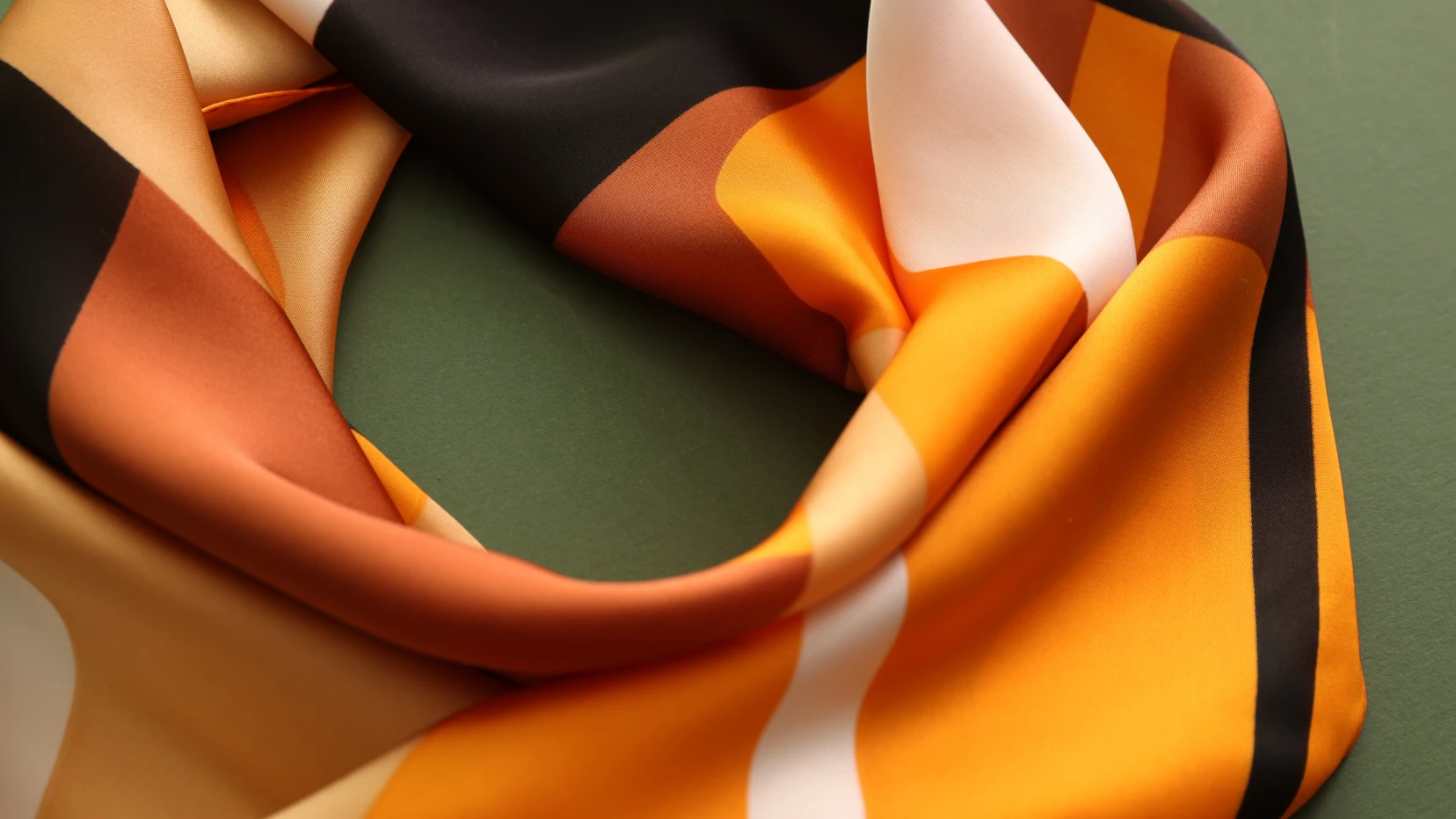
The Silk Dress Production Process: From Tech Pack to Finished Garment
For brand buyers new to silk dress production, here's what actually happens between submitting a design and receiving finished garments at your warehouse.
1. Needs Consultation and Design Assessment. Submit tech pack or design sketches. Our team confirms silhouette details (neckline, sleeve length, skirt length, closure type), sizing standards (US, EU, UK, Asia), and grading rules. For brands without a tech pack, we develop one from concept sketches and reference garments.
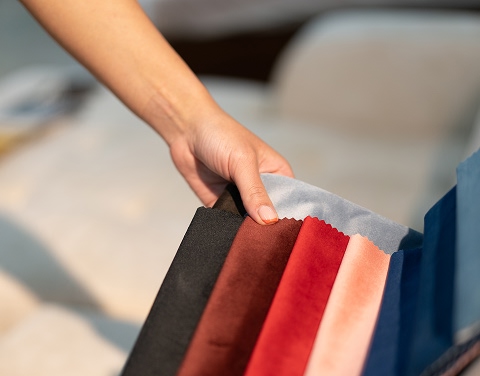
2. Fabric Selection and Sampling. Choose outer fabric base, momme weight, color, and lining. We provide free fabric swatch packs covering multiple options so you can compare hand and drape side by side before committing. Lab dips for custom colors typically take 5–7 days.
3. Pattern Making. Our pattern makers translate your design into precise production patterns. For bias-cut dresses, this is more time-intensive — bias patterns require careful grain direction and stretch allowance calculations. Standard turnaround: 5–10 days.
4. Prototype Sample. A first sample is constructed in target fabric and reviewed for fit, drape, and workmanship. You receive the sample for in-house fit testing and feedback. Fit corrections are made and a second sample produced if needed. Most programs go through 1–2 sample rounds before approval.
5. Pre-Production Sample (PPS). Once the fit sample is approved, we produce a PPS in the actual production fabric, with all labels, trims, and packaging. This is the reference garment for bulk production.
6. Bulk Production. After PPS approval, full production begins. For silk dresses, the production line is staffed with experienced silk garment sewers — silk is slippery, frays easily, and is unforgiving of cutting or sewing errors. We use French seams or fine bound seams throughout, and bias-cut panels hang for at least 48 hours post-cutting before sewing.
7. Inline and Final Inspection. Quality control runs at three points: cutting (panel accuracy and grain direction), sewing (seam consistency, stitching quality), and finishing (thread trimming, pressing, defect inspection). AQL Level II at 2.5 is our standard inspection protocol for finished silk dresses.
8. Packaging and Shipping. Custom packaging per your spec — branded tissue paper, ribbons, hang tags, dust bags, magnetic-flip boxes. Global shipping via express, air, sea, or rail freight depending on timeline and volume.
Total typical lead time for a custom silk dress program from approved sample to delivery: 30–45 days, plus shipping. Rush production is available for established repeat clients with confirmed fabric inventory.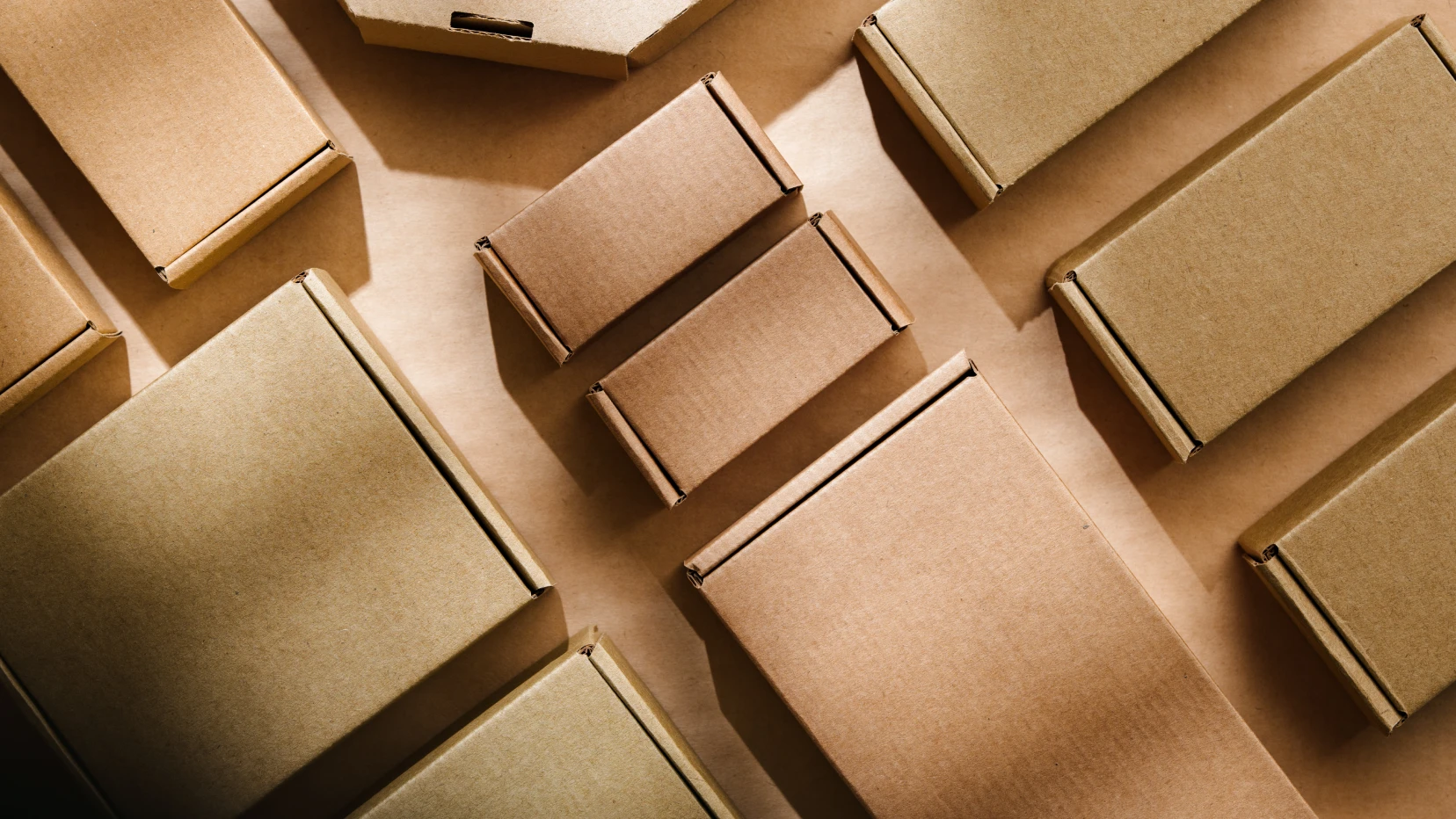
How to Verify Quality on a Custom Silk Dress Order
Specifying a custom silk dress is one thing. Getting consistent quality across a 500-piece, 2,000-piece, or 10,000-piece production run is another. Here's the verification protocol we recommend to any brand sourcing silk dresses from any factory.
Before approving the pre-production sample:
- Confirm fabric weight test (GSM) on the production lot, not just the sample lot. A 19 mm silk should test at approximately 82 g/m² ± 3%.
- Confirm Grade 6A mulberry silk certification on the base fabric.
- Confirm OEKO-TEX® STANDARD 100 on the finished fabric (including dyes and any treatments).
- Confirm pre-shrinking has been completed on the fabric before cutting — silk shrinks 4–6% on first wash, and unshrunk fabric produces oversized garments that customers will complain about after the first home wash.
- Check seam construction by turning the sample inside out. French seams or bound seams should be clean, fully enclosed, and uniform in width.
For bias-cut silk dresses specifically:
- Check grain direction on multiple panels — front, back, side. All bias-cut panels should sit at the same 45-degree angle. Variation indicates inconsistent cutting.
- Confirm the manufacturer hangs bias-cut panels for at least 48 hours before sewing. If they don't, expect post-wash distortion.
- Inspect the hem on a bias-cut dress. The hem should be hand-rolled or narrow machine-rolled, not folded-and-stitched (which produces pulling on the bias).
Documentation to request:
- Fabric weight test report (post-finishing GSM)
- Grade 6A silk certification
- OEKO-TEX STANDARD 100 certificate
- Colorfastness test (ISO 105-C06 wash fastness, ISO 105-X12 rubbing fastness)
- Shrinkage test report
- Tensile strength test (especially for bias-cut programs)
Red flags to watch for:
- Sample garments that look beautiful but the factory can't produce a fabric weight certificate
- Bias-cut silk dresses priced significantly below market — bias cutting wastes 20–35% more fabric, so a discount price suggests fabric corner-cutting somewhere
- Garments where the lining is a different color or material than promised — substitution after sample approval is unfortunately common in the lower tiers of the industry
- Pre-production samples that don't match bulk production — request a pre-shipment sample pulled from the actual production lot before approving shipment
At DreamSilk, our Suzhou factory runs weaving, dyeing, sample-making, cutting, sewing, embellishment, inspection, and packaging under one roof, which means quality protocols are controlled across the full production chain rather than coordinated across separate vendors. For brand buyers, this translates into a single point of accountability instead of finger-pointing across a fragmented supply chain.
Build Your Custom Silk Dress Collection with DreamSilk
If you are developing a new silk dress collection — bias-cut slips, evening gowns, everyday daywear, resort dresses, or anything in between — DreamSilk can support you from fabric selection through finished garments in a single Suzhou production base. We weave the base silk, dye to Pantone, cut and sew finished dresses, and ship globally — all under one quality system, with one point of contact.
Tell us what you want to build. Share your tech pack, your sketches, or just a reference garment and your target market positioning. We will come back with fabric recommendations, free swatch samples in multiple silk options, a sample timeline, and a transparent quote.
Contact us for a custom silk dress quote or explore the full DreamSilk range of custom silk products to see what can be built together.
FAQ
Our MOQ for custom silk dress production typically starts at 50–100 pieces per style and color. Brand owners testing new styles can start with the lower bound and scale up after market validation. Smaller pilot runs (10–30 pieces) are available for sampling and showroom purposes, with proportional cost adjustments.